

2008: A Durban start built around packaging needs
ThermoInk opened its doors in 2008 in Jacobs, Durban, after recognising that South African packaging lines needed more than standard ink supply. Temperature cues, better tamper resistance and dependable batch repeatability were becoming important for food, healthcare and consumer goods, yet many converters still had to make do with general purpose products that were not built for those jobs.
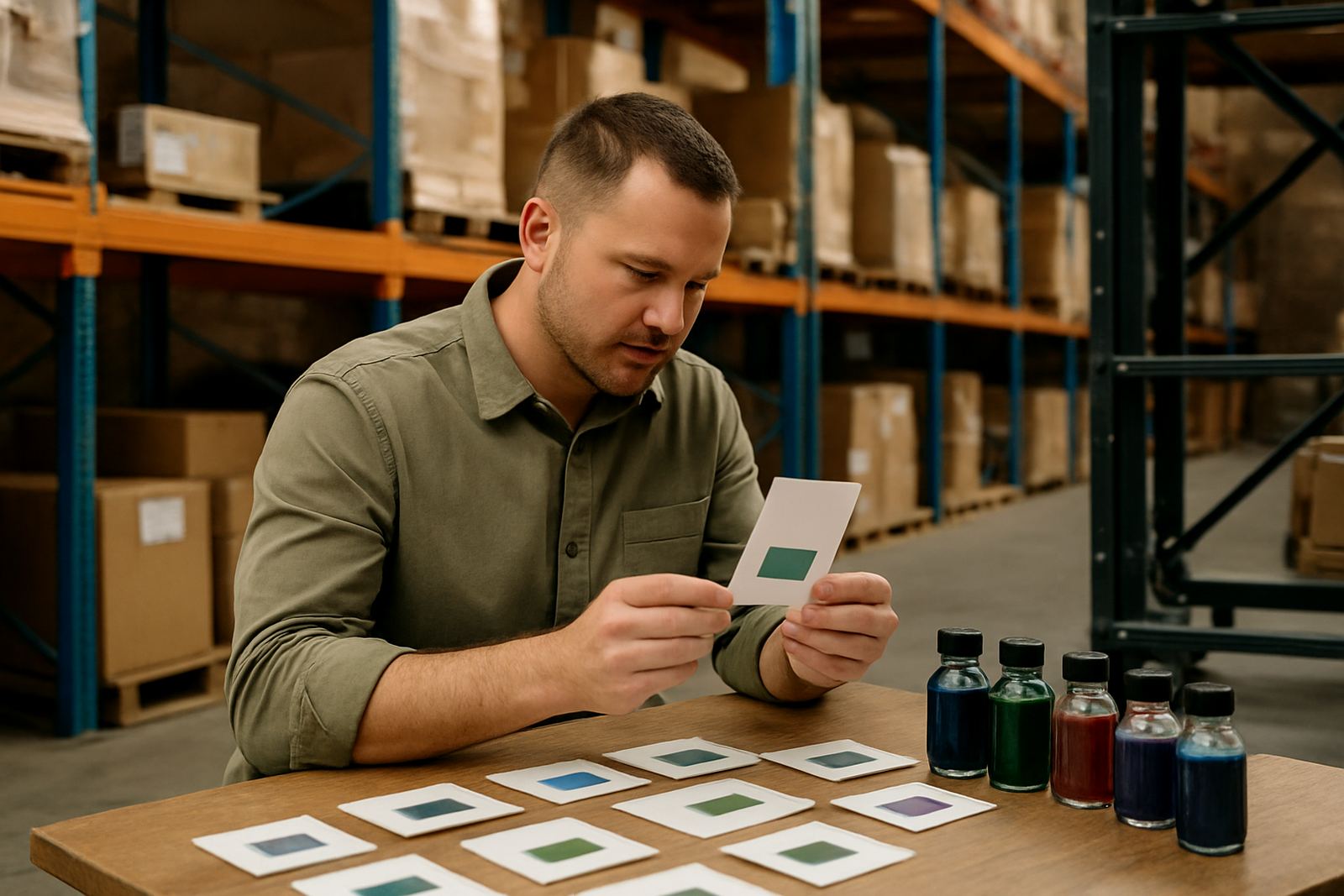
The first year was hands-on from the start. Sibusiso Mthembu led the business with a practical approach: listen to the converter, test the substrate and prove the result on press before anything was signed off. Early work centred on small trial batches, drawdown panels and compatibility checks for common packaging materials used across KwaZulu-Natal and further afield.
- Started in Jacobs, close to Durban South manufacturing routes and port logistics.
- Focused on thermochromic inks for visual temperature indication on packaging.
- Built early service routines around trial batch making and press startup support.
2009 to 2012: Testing methods, not just inks
As orders increased, the team put more structure into the technical side of the business. Shaun October worked closely with converters to fine tune threshold temperatures, while Lindokuhle Dlamini built production discipline around repeatable mixing, drying behaviour and packing consistency. This period shaped the way ThermoInk works today, with every new application checked for adhesion, rub resistance and the realities of factory conditions.
These were also the years when security printing support became a bigger part of the offering. Pieter van Wyk developed practical security ink options and pattern ideas for brands that needed an added layer of authenticity on cartons, labels and outer packs. The work was not about flashy effects. It was about making sure the printed feature could be seen, verified and kept consistent from the first run to the next.
- Introduced routine adhesion tests and rub resistance checks for packaging lines.
- Expanded colour matching for brands that needed a specific tone under retail lighting.
- Started keeping batch retain samples so repeat orders could be matched months later.
By the end of this phase, the team had built a reputation for careful problem solving. Customers came back not only for product supply but for the quiet, practical support that helped them avoid waste on press, which matters a lot when substrate costs are rising and production windows are tight.
2013 to 2016: Growing beyond Durban without losing control
Once the fundamentals were in place, ThermoInk began supplying converters beyond Durban. Orders from Pinetown, Prospecton and the wider South Coast created a need for stronger production planning, better load management and tighter dispatch timing. Jason Pillay came into the picture to coordinate national logistics, which helped the team serve customers in Cape Town, Gqeberha, Johannesburg and Pretoria without losing the hands-on feel that had defined the early years.
During this period, the business also refined its support for coating compatibility and UV verification setups. Many packaging lines were dealing with mixed materials, changing laminates and faster turnaround times. The answer was never guesswork. It was testing, comparing and confirming what would work under real production conditions, including the heat and humidity that come with Durban and coastal storage.
ThermoInk also became known for practical press support. When a line struggled with coverage, drying or registration, the team worked through the issue with the customer rather than simply supplying more product. That approach built trust and helped the business grow steadily across sectors that need dependable packaging performance.
2017 to 2020: Security, traceability and tougher standards
From 2017 onwards, the market became more demanding. Brands wanted packaging that could do more than look good. It had to help protect authenticity, support traceability and withstand handling through warehousing, transport and retail. ThermoInk responded by strengthening its security ink capability and formalising its batch control practices.
Nomfundo Khumalo led colour lab work with a focus on consistency under different light conditions and on different substrates. That work supported security pattern design as well as standard packaging colour matching. The lab spent more time on drawdowns, verification checks and sample records so that new jobs could be matched properly even when customers came back months later.
This was also the period when the business put more weight behind sustainability. Packaging converters were asking for solutions that supported cleaner production and better material use. ThermoInk continued to refine formulations and application support to help reduce unnecessary rework, overprinting and reject rates. It was not about making loud claims. It was about doing the job properly and keeping the process practical.
- Strengthened security ink support for brand protection and verification.
- Improved lab records for repeatability across multiple production runs.
- Supported converters with packaging issues linked to humidity, heat and storage conditions.
2021 to today: A national supply partner with a local base
In the more recent years, ThermoInk has settled into a clear role: a Durban based packaging ink supplier with a national reach. The Jacobs base remains central, with supply support extending through Durban South, Pinetown and Prospecton while deliveries continue to packaging converters across South Africa. The business has kept its personal way of working even as volumes have grown.
Today the team combines technical depth with operational discipline. Sibusiso Mthembu leads the company, Shaun October manages technical sales, Lindokuhle Dlamini oversees production, Pieter van Wyk supports security ink development, Nomfundo Khumalo heads the colour lab and Jason Pillay coordinates national logistics. Each person has a defined role, which helps the business respond quickly when a converter needs a trial batch, a threshold adjustment or support on press.
That structure matters because packaging work is never one size fits all. A carton for cold chain products may need one type of temperature cue, while a security pack for a consumer brand may need something completely different. ThermoInk has kept growing by staying close to those specific needs and by treating each new job as a production problem to solve, not just an order to fill.
What stayed constant from day one
Although the business has changed a great deal since 2008, a few things have not moved. The first is the focus on packaging applications only. The second is the habit of testing before promising. The third is the belief that a good result should hold up on real machinery, in real conditions and under real deadlines.
That is why the same services still sit at the centre of the business today:
- Colour matching and drawdown panels for accurate pack presentation.
- Threshold tuning for thermochromic performance on the right temperature point.
- Adhesion tests, rub resistance checks and coating compatibility trials.
- UV verification setups, security pattern design and production troubleshooting.
- Trial batch making, press startup support and batch retain library control.
ThermoInk’s history is really a history of solving packaging problems one by one, then turning those solutions into a dependable service for the next customer. From the first year of trading to today, the business has stayed practical, technical and rooted in Durban, while serving converters wherever they need supply and support.