



Choosing the right packaging format for the job
Different packs ask different things of an ink system. A carton on a fast folding line needs clean transfer and quick drying. A shrink sleeve may need flexibility through heat and handling. A pouch for chilled goods may need a clear temperature cue that still reads well after storage in Durban humidity. The right choice starts with the substrate, the print process, the handling conditions and the message you want the pack to carry.
For South African converters, the practical questions are usually simple. Will the pack face moisture, friction, cold rooms, direct sun or repeated hand contact? Will it travel through coastal depots, inland distribution centres or export lanes? Once those factors are known, the ink can be matched to the pack type and the line speed, so the result is consistent from trial to full production.
- Match the ink to the substrate and finish.
- Check curing, drying and handling before full run approval.
- Set the colour change or security effect to suit the product story.
Cartons, sleeves and folding board applications
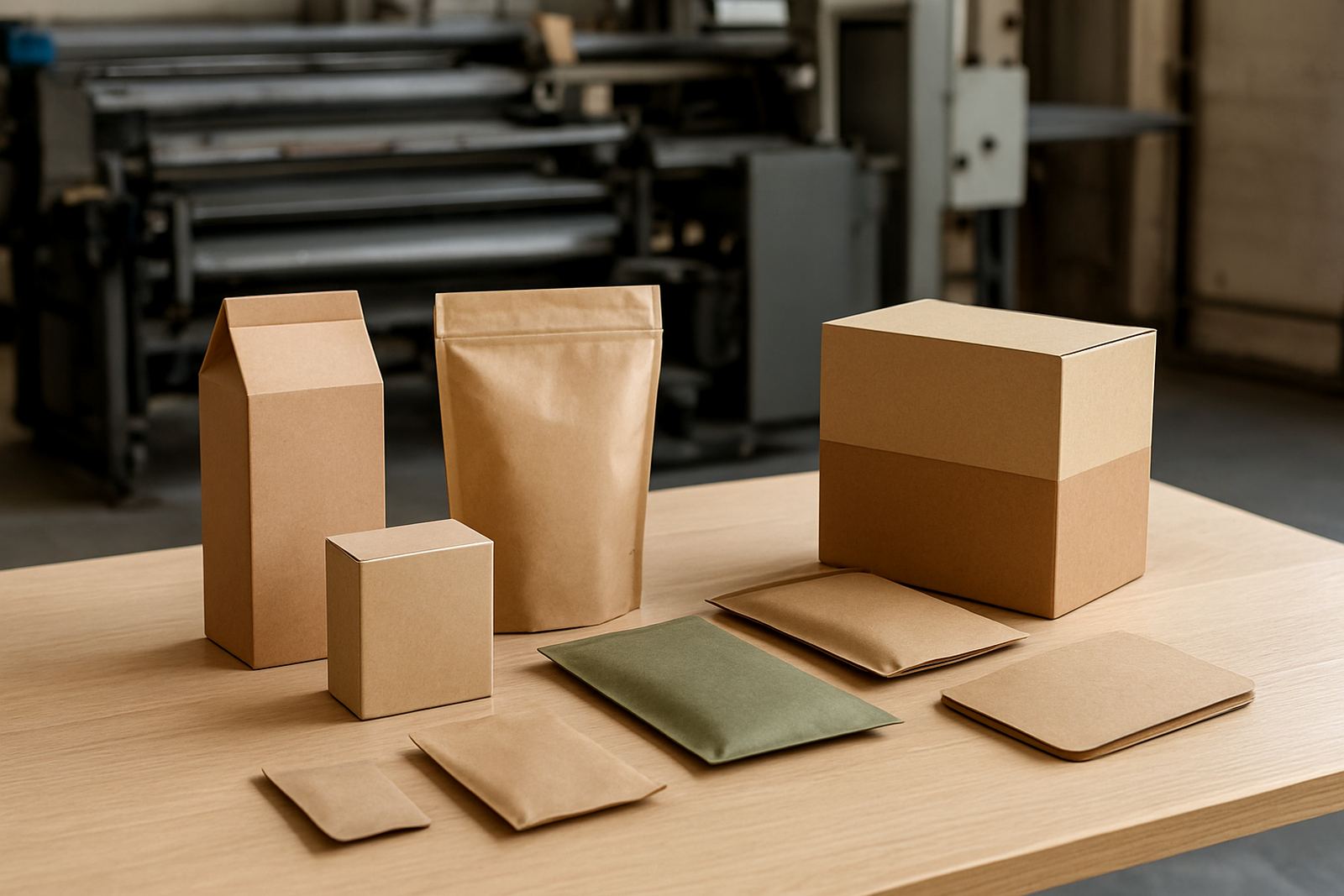
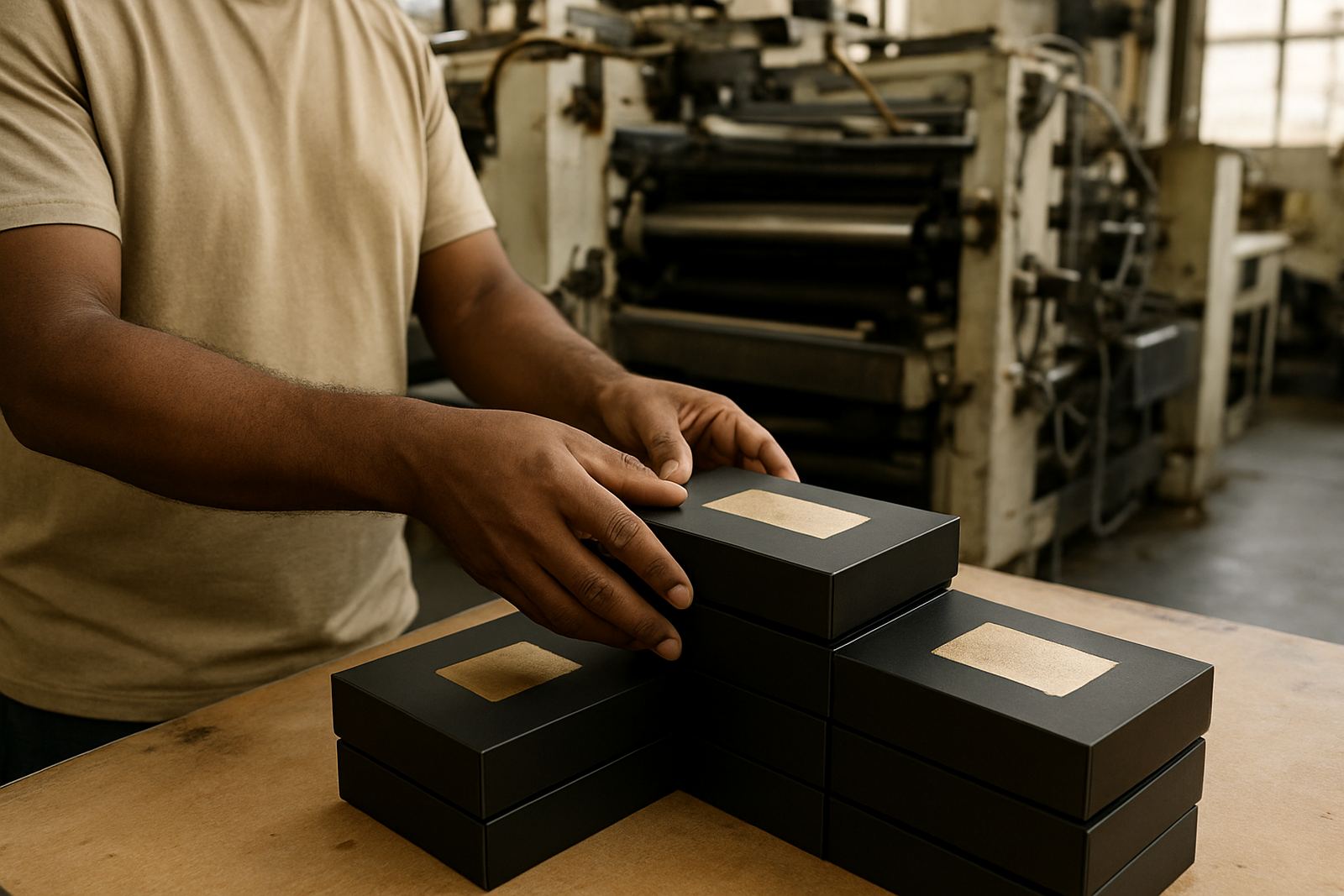
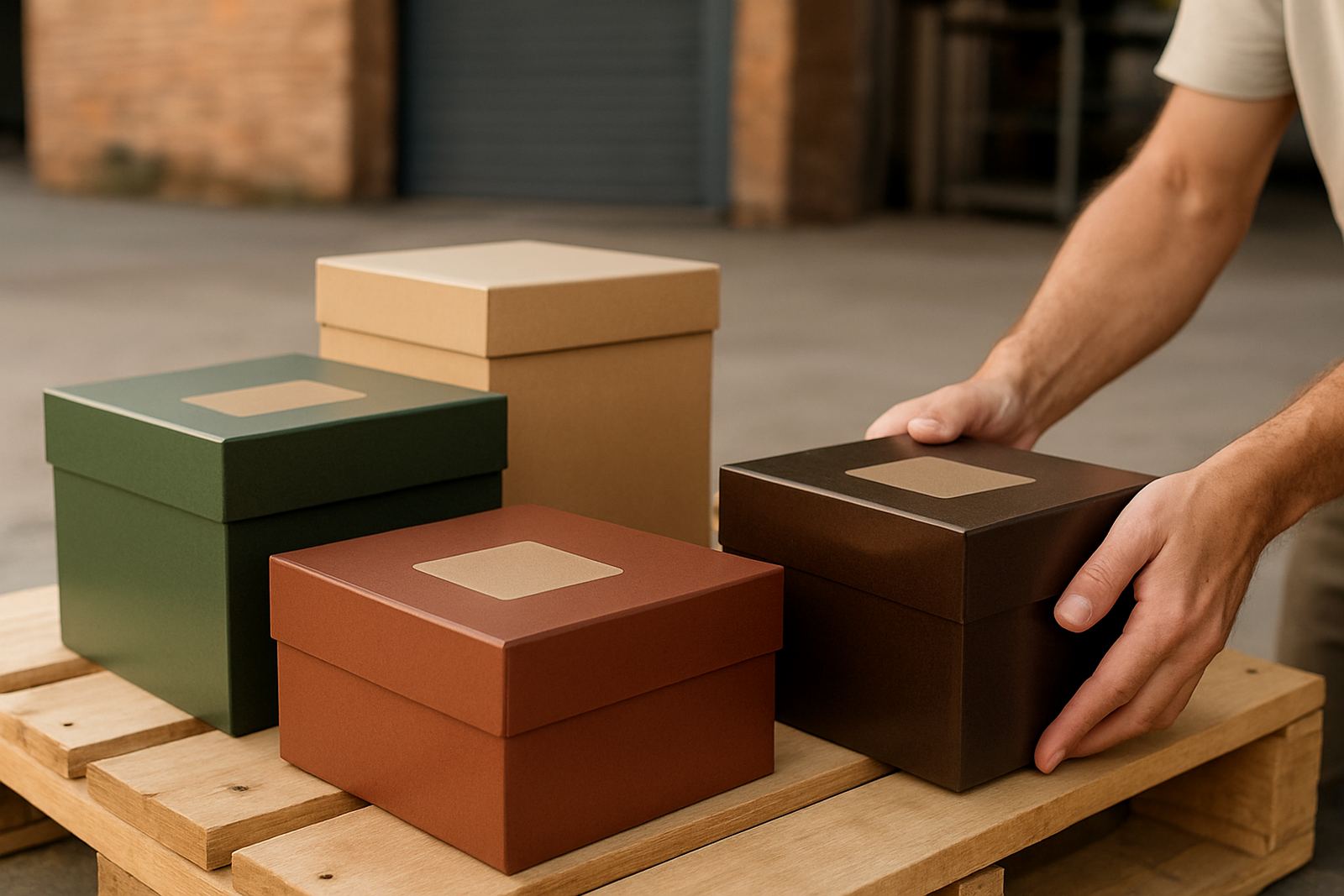
Paperboard and folding cartons are common sites for both thermochromic and security features. A carton can show a temperature change near the opening panel, a product icon or a small signal mark that supports safe handling. Security inks can sit in brand marks, batch areas or hidden design elements to help with authenticity checks and trade channel control.
These formats are often used for food, pharma, personal care and household goods. On board, adhesion and rub resistance matter a great deal because cartons are touched many times during packing and retail handling. We help with drawdown panels, trial batch making and press startup support, so the converter can see how the ink behaves on the actual board grade before the full run begins.
- Suitable for folding cartons, sleeves and rigid board components.
- Useful for cue marks, tamper awareness and brand protection.
- Works well where shelf appearance and handling strength both matter.
Labels, sleeves and overwraps for chilled products
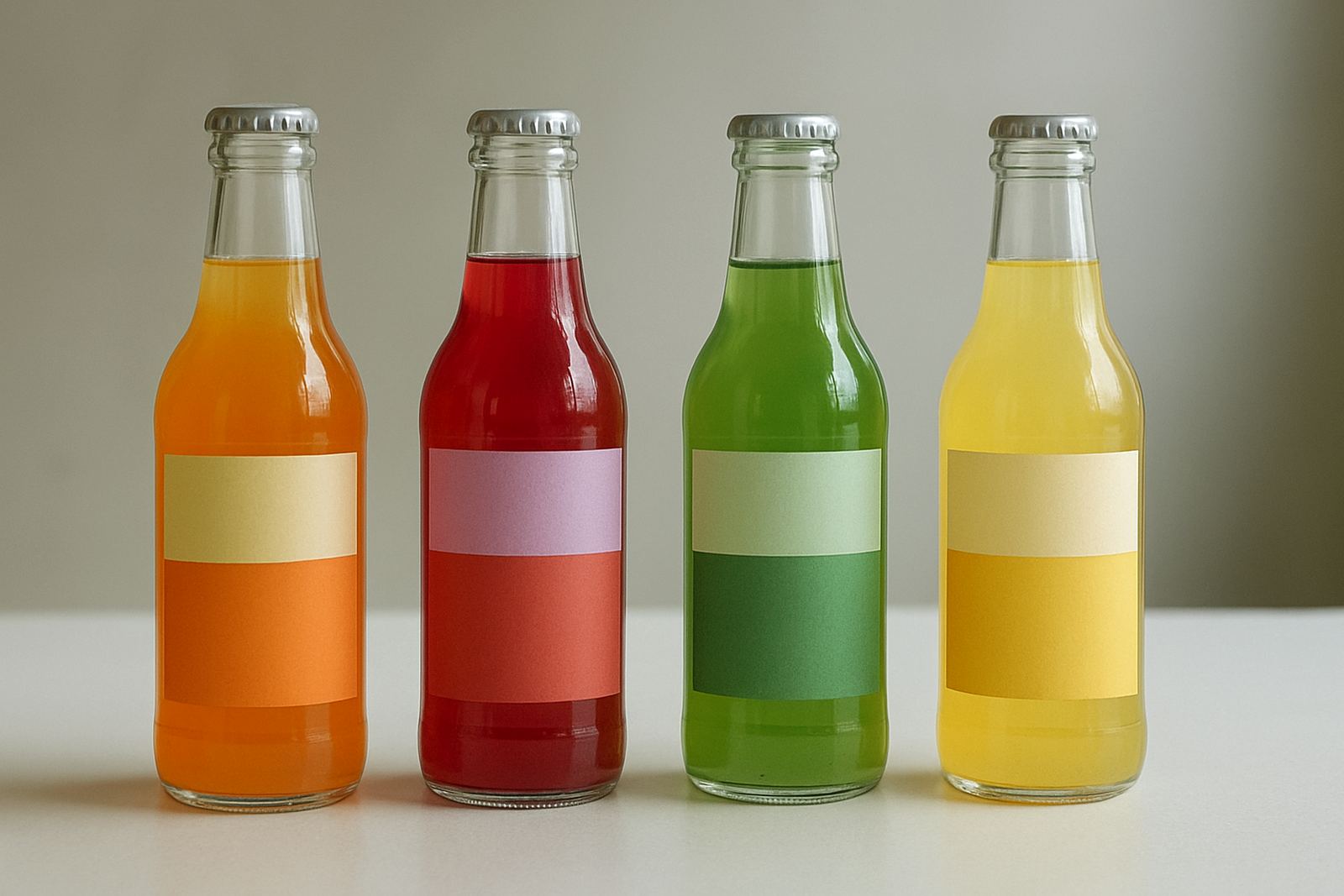
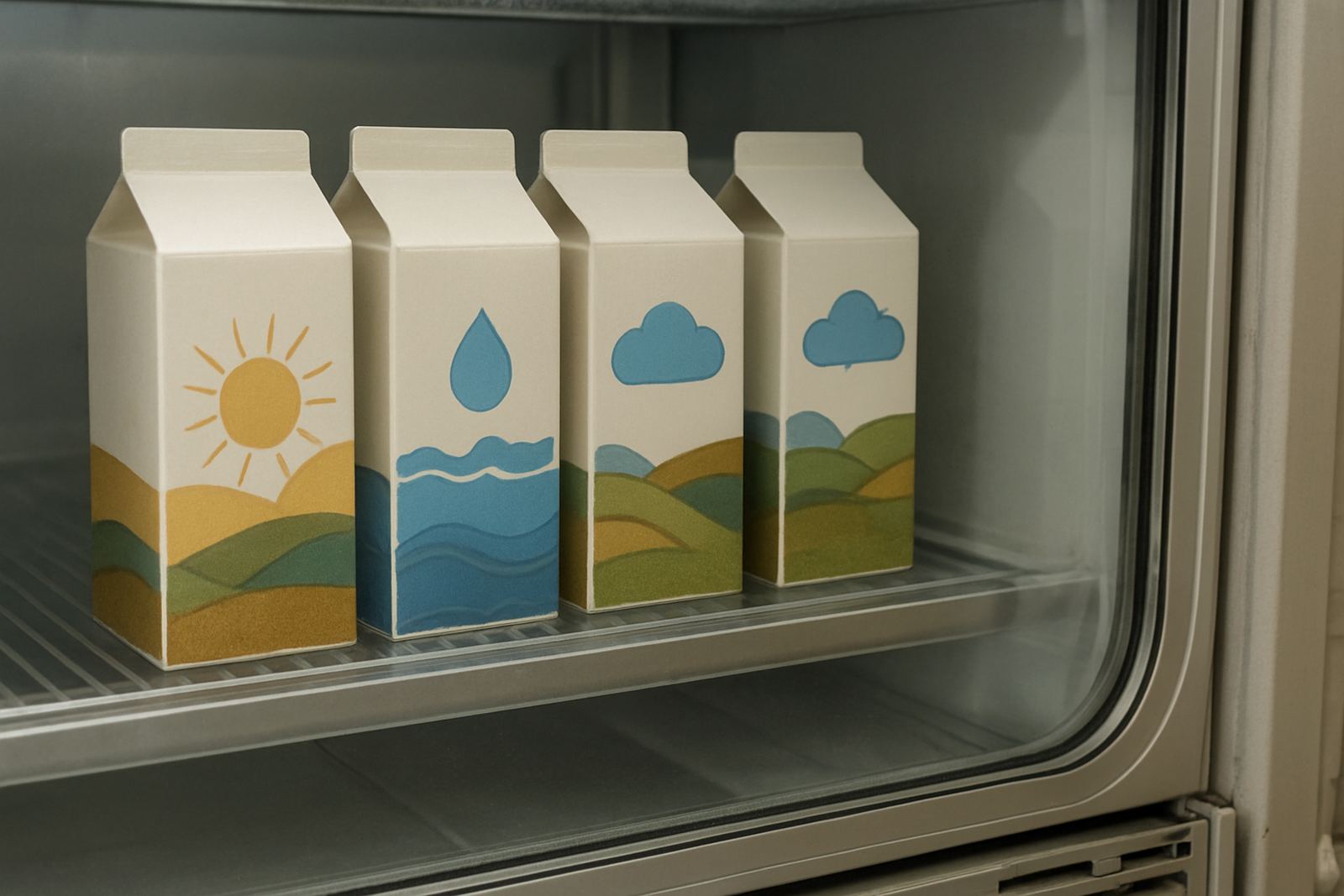
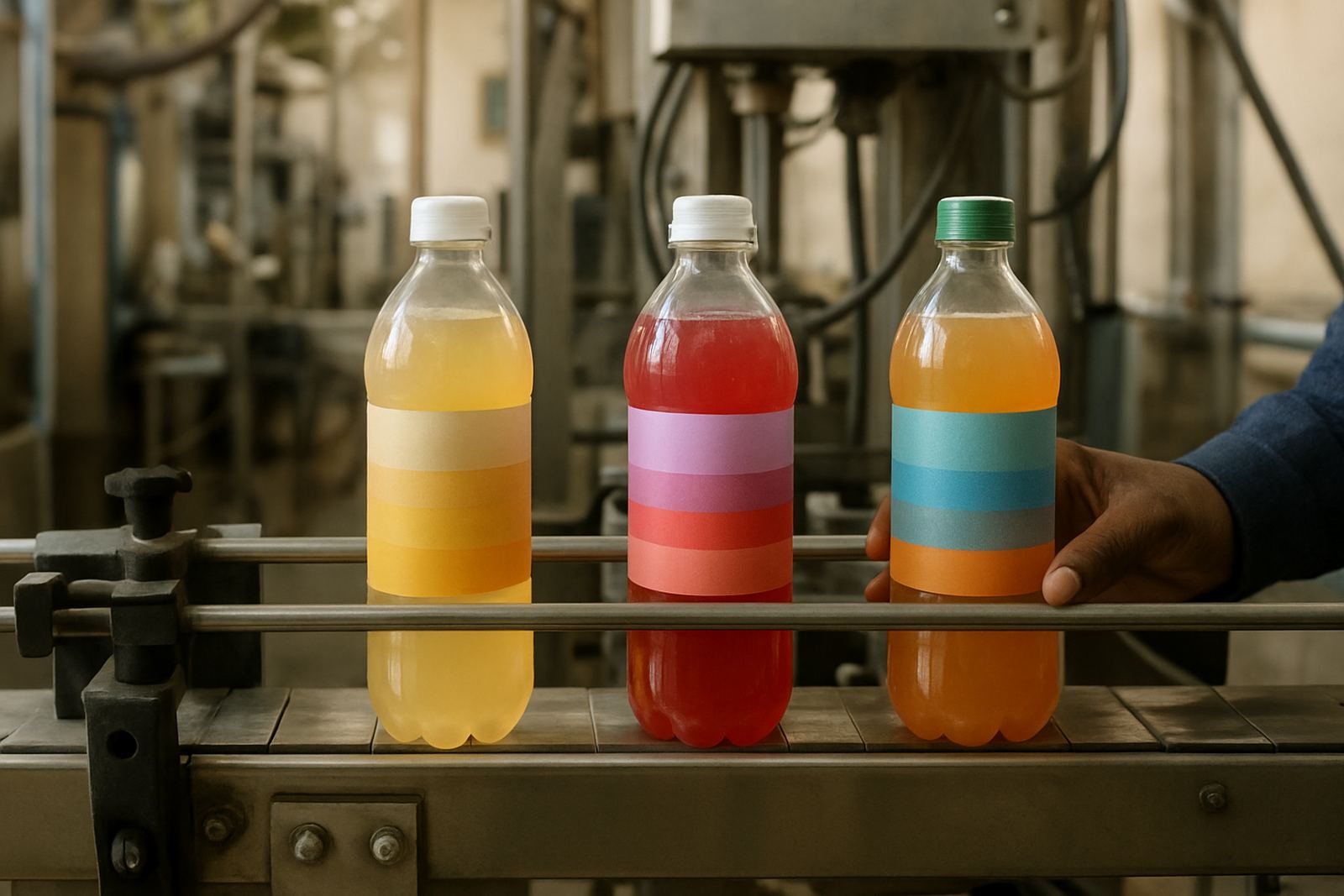
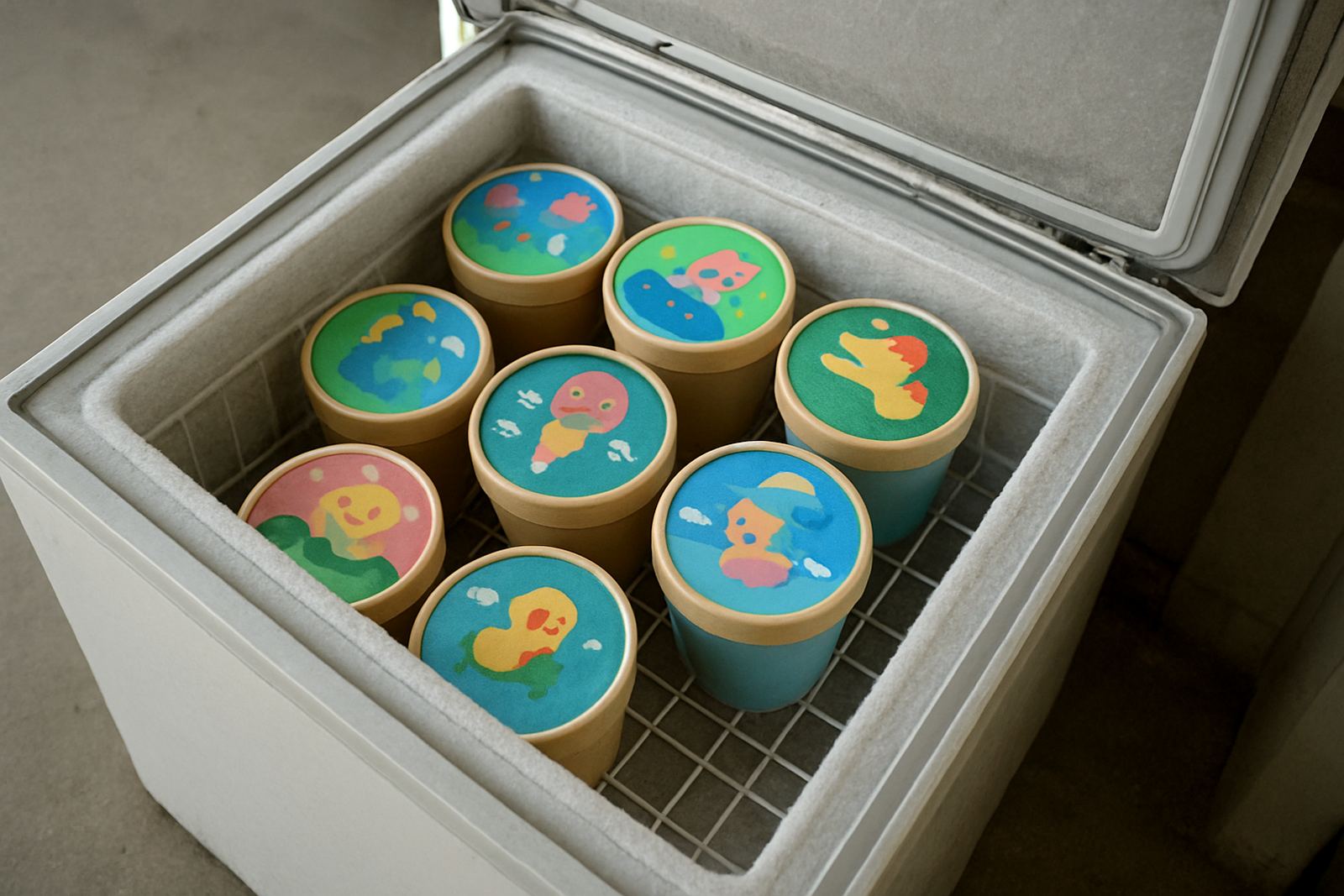
Labels and sleeves are often chosen when the pack needs a clear visual cue in a small area. That makes them ideal for dairy, beverage, frozen and ready-to-eat lines where a colour change can show when a product has reached a target temperature or been held outside the right range. In supply chains with cold rooms and loading bays the cue has to remain readable, not fade or shift too early.
For these applications we look at coating compatibility, adhesion tests and threshold tuning. The point is not only to make the effect visible, but to make it predictable from batch to batch. If the cue is too sensitive it can confuse operators. If it is too slow, it loses its value. Careful tuning helps the pack do its job without adding extra steps on the line.
- Works on chilled, frozen and ambient distribution packs.
- Useful where quick consumer visibility is important.
- Can be paired with security patterns for added checking.
Flexible pouches and sachets for food and personal care
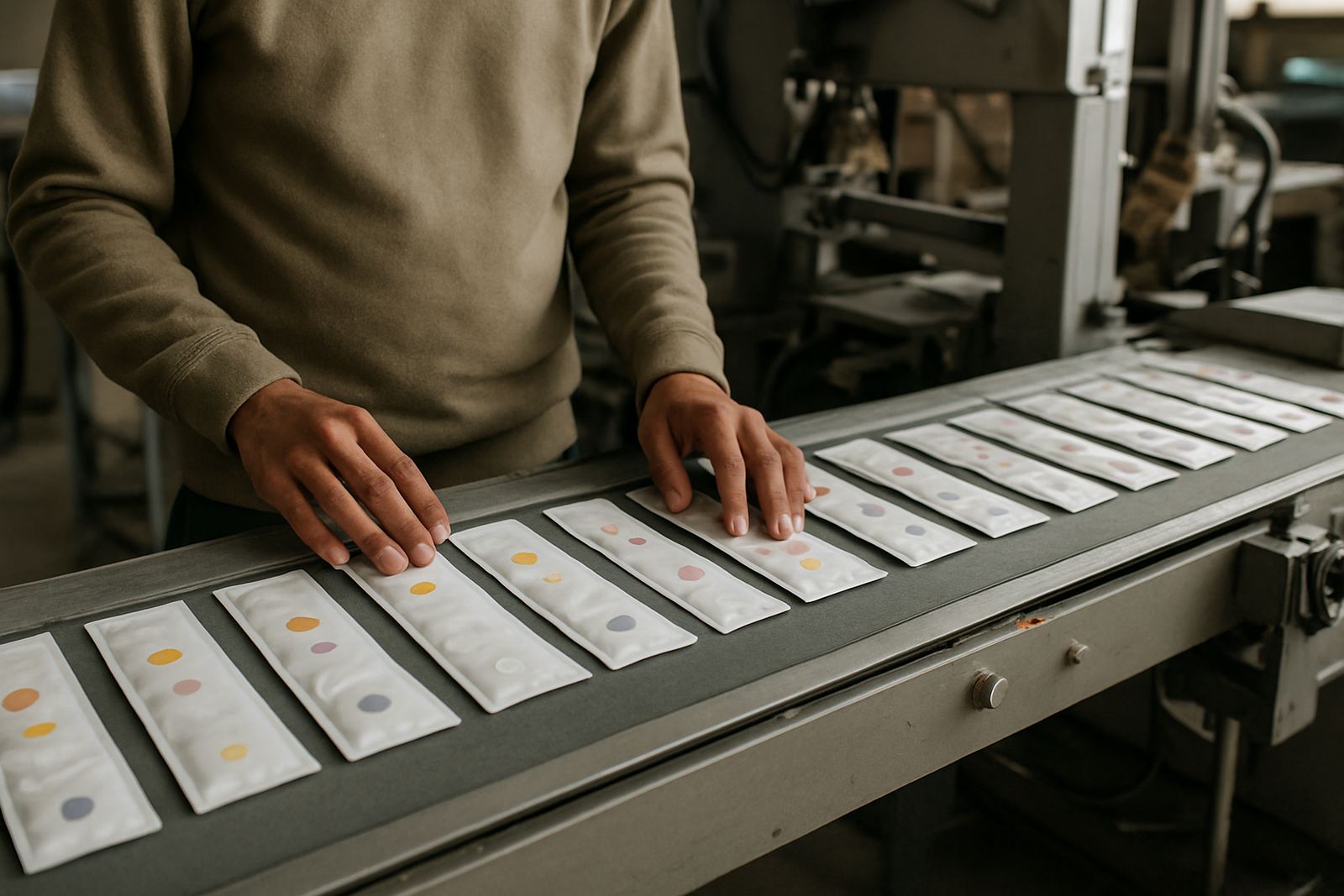
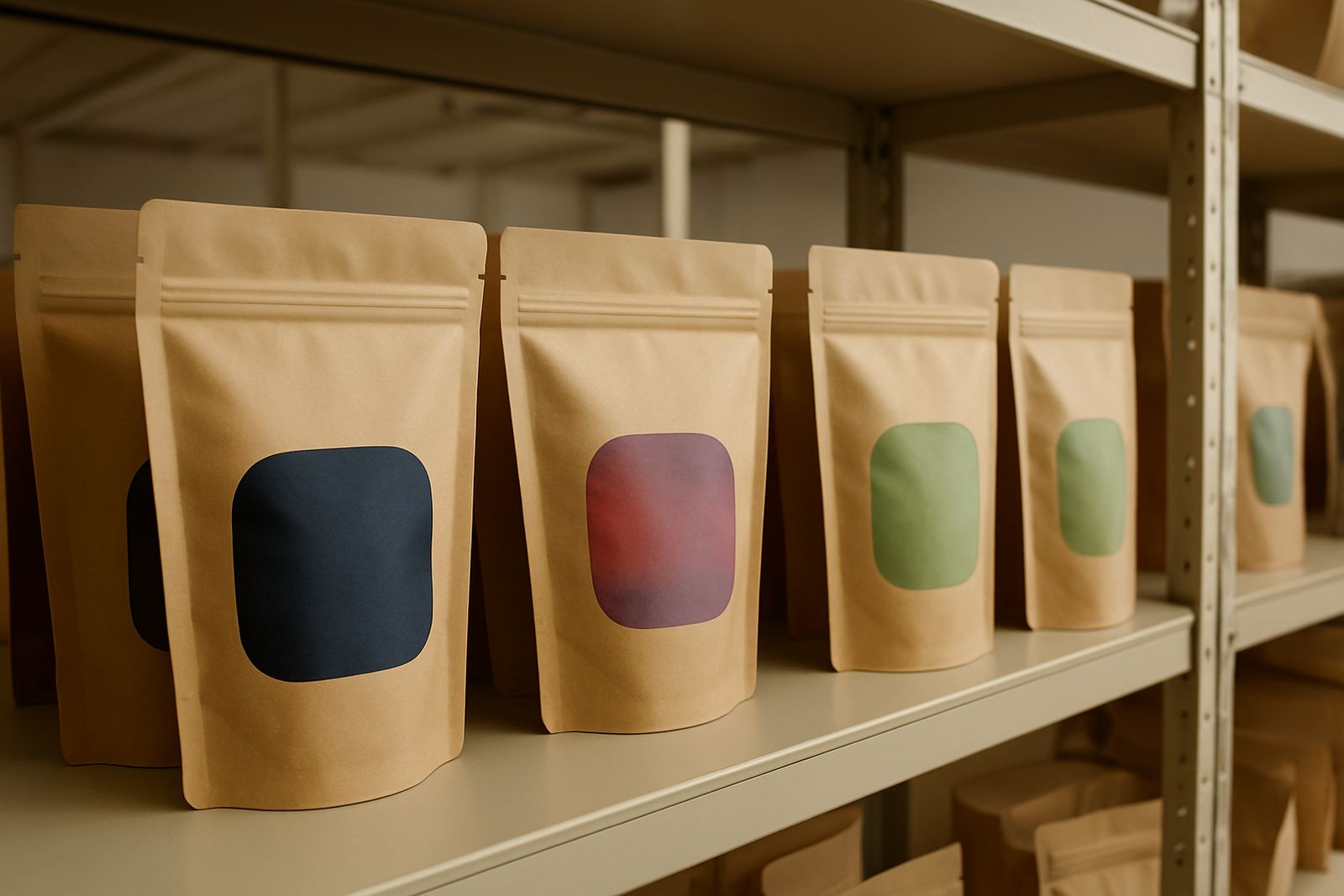
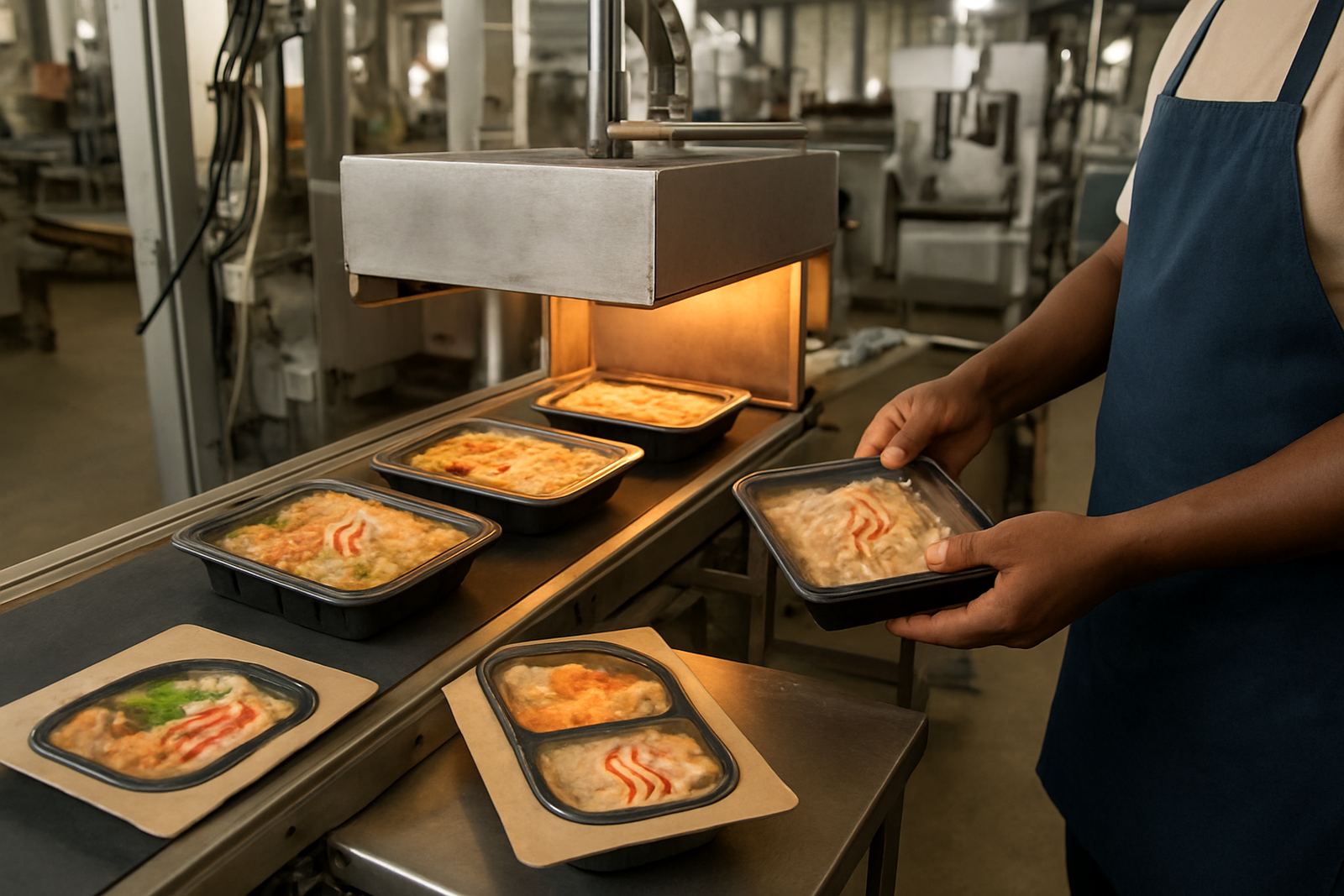
Flexible packaging brings its own set of issues. Film movement, seal areas and scuffing can affect how an ink sits on the surface. A pouch or sachet may need a mark that survives packing, retail transport and end use. In these cases the focus is usually on print stability, rub resistance and the way the effect reads against matte or gloss films.
ThermoInk supports converters with production troubleshooting and batch retain library control, which is useful when a pack version must be repeated later. For smaller sachets and sample packs, the security layer can also protect against copying when the same product travels through multiple channels. This is especially helpful for brands that sell across Gauteng, the coast and inland towns where stock often moves through different hands before it reaches the shelf.
When a flexible pack is selected, the team should consider:
- Seal areas and heat exposure during packing.
- Surface energy and print adhesion on the film.
- How the effect appears after creasing, stacking and transport.
Outer cases, transit packs and warehouse identification
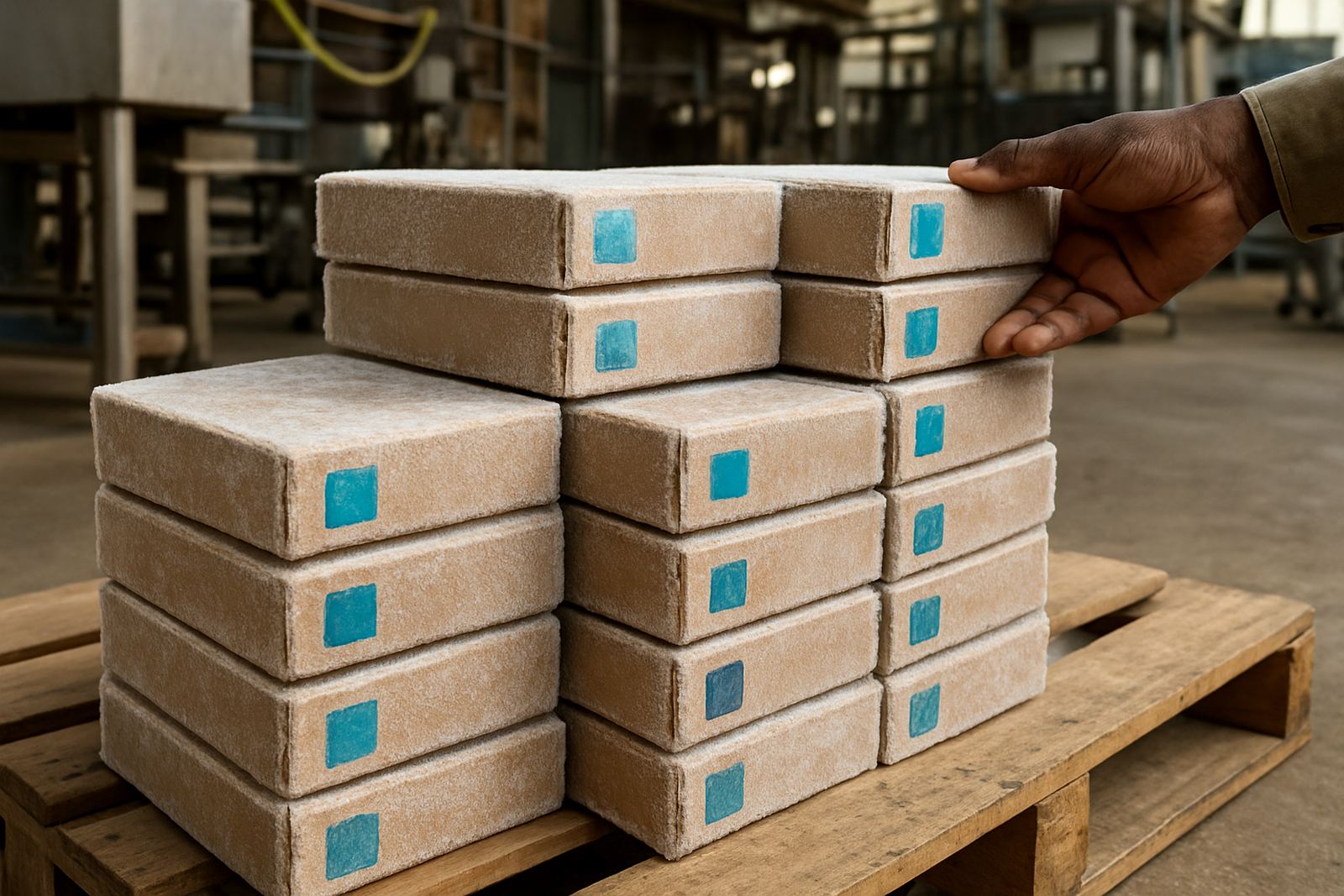
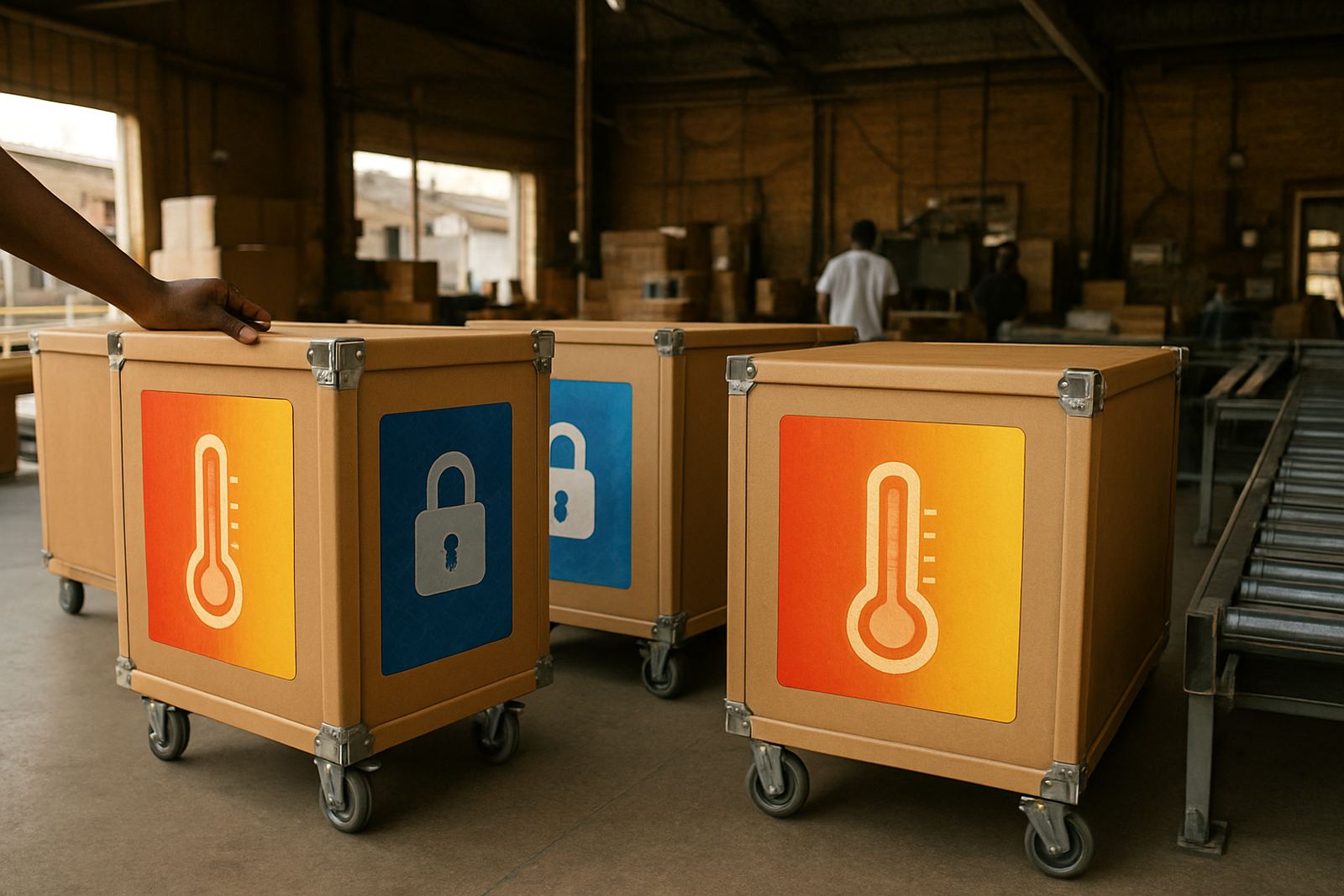
Secondary packaging is often overlooked, yet it can carry useful print work for logistics and control. Outer cartons, transit wraps and pallet markers can include security patterns, batch identifiers or colour cues that support receiving, stock rotation and dispatch checks. For large distribution runs, simple visual control can save time in the warehouse and reduce mistakes at loading docks.
For deliveries nationwide from Jacobs, Durban, this type of work is common on lines that feed depots in Johannesburg, Pretoria, Cape Town, Gqeberha and the Durban South industrial area. The ink choice needs to suit storage conditions, stacking pressure and the way cartons move through municipal and private logistics yards. We often use UV verification setups and rub resistance checks to confirm that the mark still reads after handling.
How to decide which packaging type suits your project
The best packaging format is the one that fits the product, the line and the end user. Start with the practical side: what is the pack made from, where will it be stored and how will it be checked? Then decide whether the main need is a temperature cue, an authenticity feature, or both. If the pack must do more than one job, the print plan should be built around that from the start.
ThermoInk works with packaging converters, fillers and brand teams across South Africa to test colour matching, security pattern design and coating compatibility before production. That is often the difference between a feature that looks good on a sample and one that keeps working through a real production run. A careful trial on the right packaging type saves time, limits waste and helps the final pack stay consistent.
If you are unsure which format to begin with, the contact form on our contact page is the best place to start. We can help narrow the options and set up the right trial for your line.