Why sachet packs need printed cues that work fast
Sachet formats are often the first pack a customer touches, so the print has to do a lot in a very small space. A good sachet needs clear dosing, product identity, batch traceability and, where needed, a temperature cue that can be seen in seconds. That matters for foods, condiments, instant beverages, personal care products and sample packs that move through wholesalers, spaza supply chains and retail shelves.
In humid coastal areas like Jacobs, Durban South and Prospecton, sachet material can change behaviour during storage and packing. Heat from filling lines, road freight and municipal load-shedding also affects how inks dry and how they read on film. That is why planning the ink system early saves rework later, especially when the pack structure is slim and packagin space is tight.
Typical ink set for sachet pack jobs
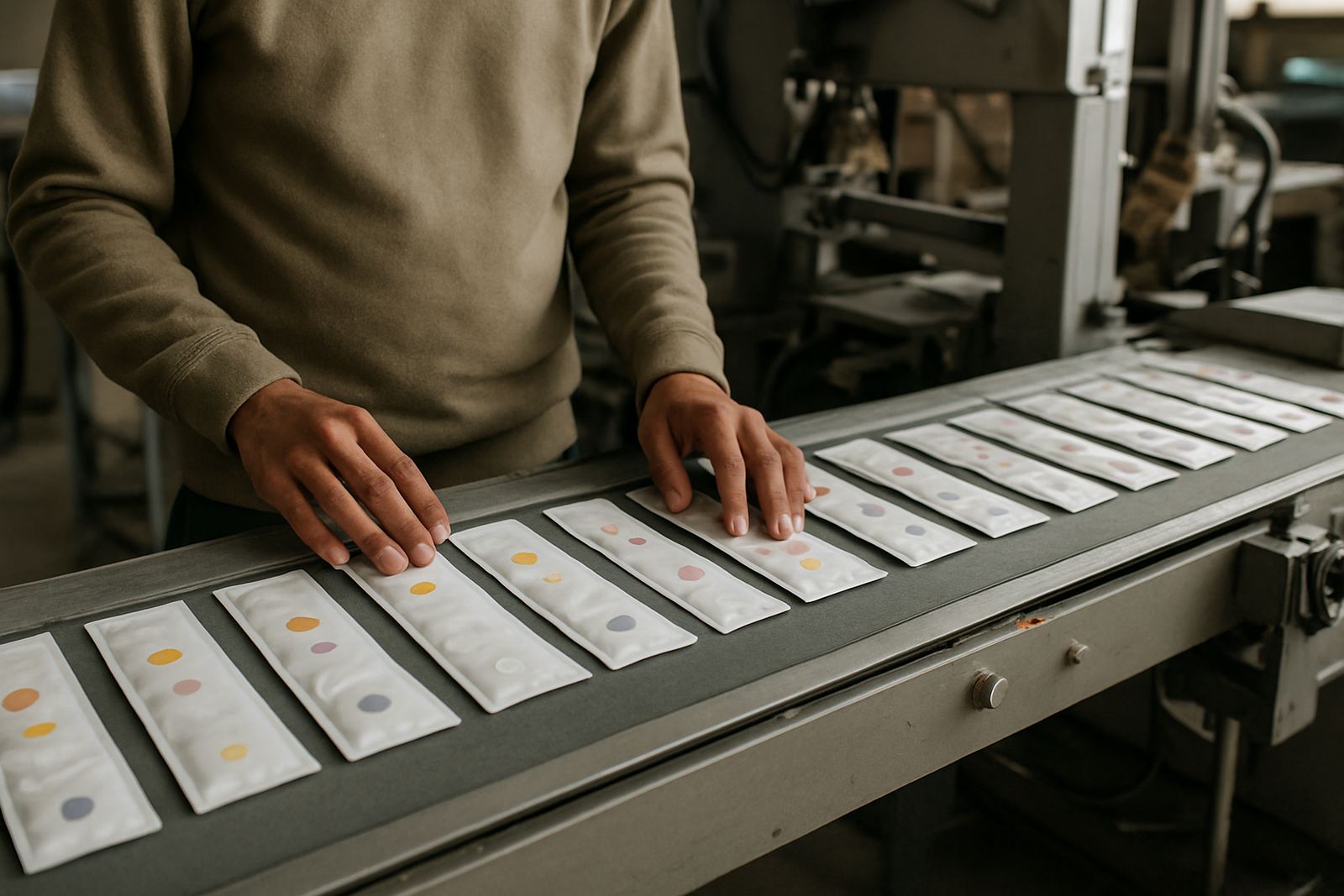
For sachet work, the usual set is not complicated, but it must be matched to the substrate and the end use. Thermochromic inks are used for simple temperature indicators, while security inks are used for authenticity checks, covert marks or visible anti-tamper features. We also assist with colour matching, coating compatibility and press start-up support so the line can hold registration and keep the mark readable.
- Thermochromic spot or panel for temperature cue
- Security pattern or hidden mark for authenticity
- Base colour matched to the film or laminate
- Adhesion-tested overprint or primer layer
- Rub resistance check for bagging and transit
- UV verification setup for line or QA checks
For most sachets, the ink set is kept lean. Too many layers can make the print stiff or slow drying, which creates blocking in cartons and reject packs at the sealing stage.
Planning the layout before the first trial batch
Sachet art should be planned around folds, seals and fill zones, not just the flat artwork. The temperature cue must stay away from heat seals and edges where it can distort. Security marks work best in a repeatable zone with enough quiet space around them, so the operator and QA team can inspect them quickly.
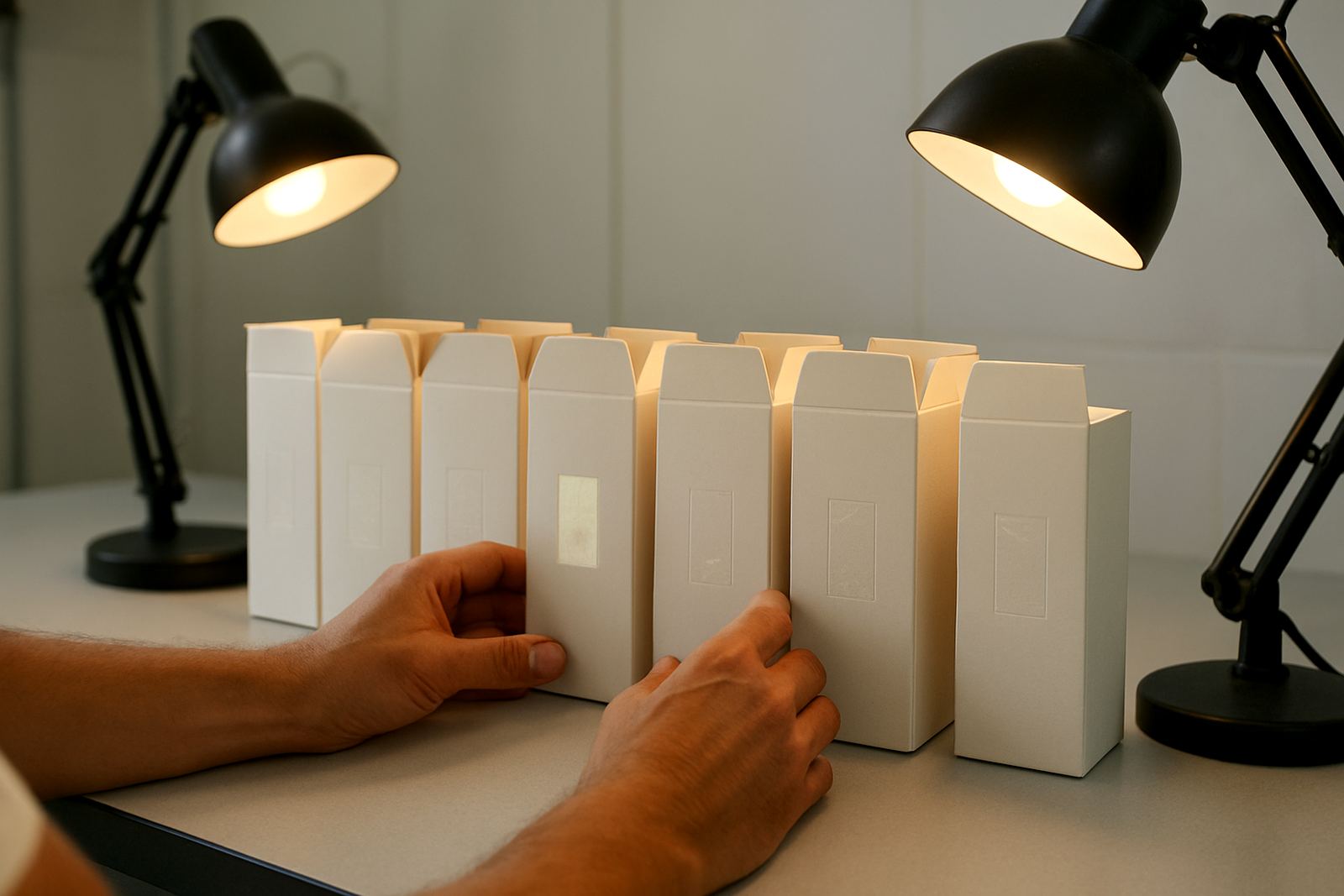
Our team can make drawdown panels and trial batches before full production. That helps test how the colour reads under store lighting, on mobile photos and after transport. If the pack will be sold through Durban, Pinetown or Pretoria channels, it is worth checking how the print behaves in warm trucks and in cold rooms too. A small shift in tone can change how the cue is understood.
- Keep the cue visible but not so large that it crowds the product text
- Allow for sealing margins, trim drift and registration tolerance
- Confirm whether the cue must react once or across a set temperature range
- Build in a batch retain sample for later checks
Common mistakes on sachet packs
The biggest mistake is treating the sachet like a plain graphic job. A security or thermochromic layer has its own handling needs. If the ink is laid down too heavy, the pack can crack at the seal or show poor rub resistance. If the threshold is too low, the cue may activate in a warm storeroom before the product is even sold. If it is too high, customers may never see the change.
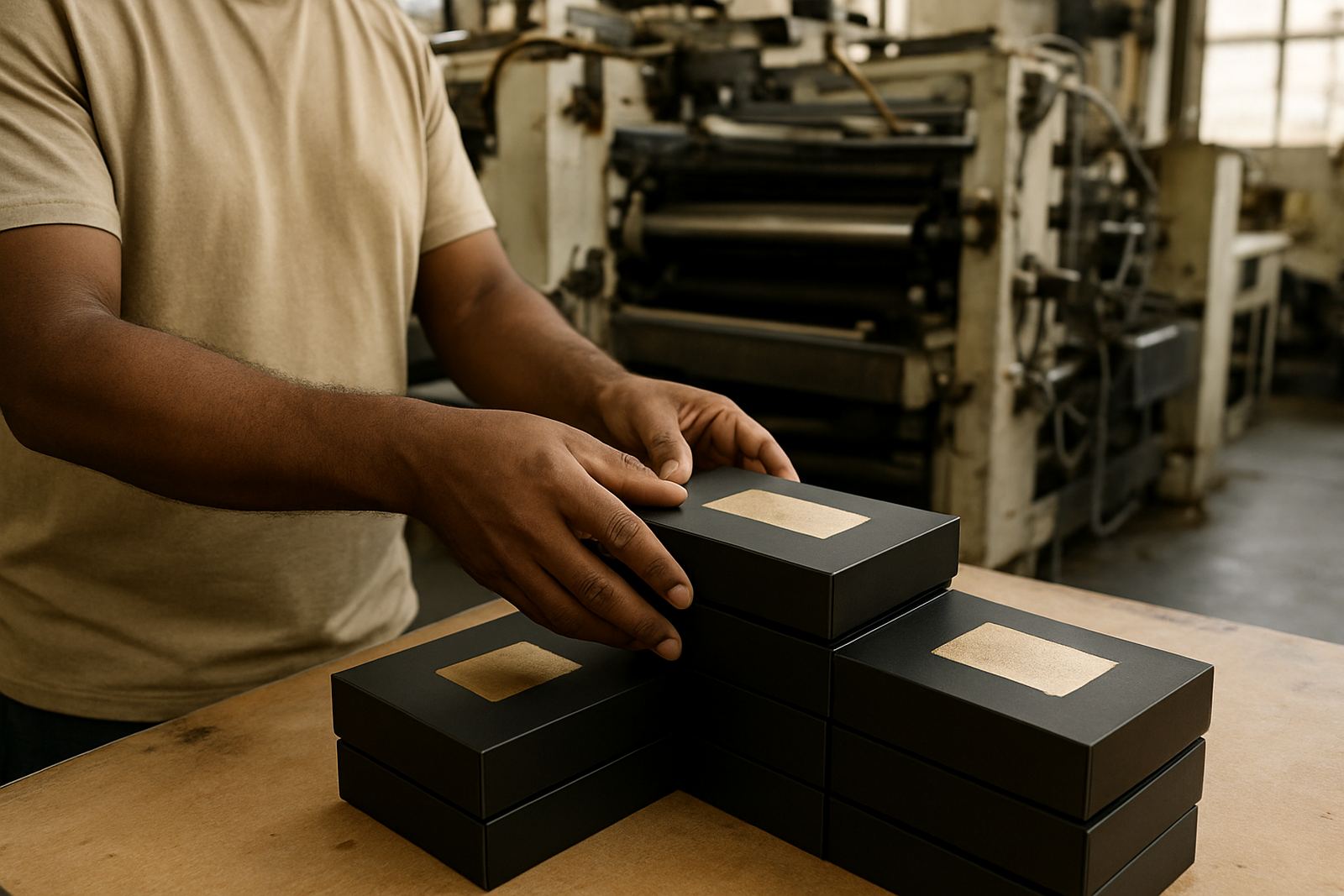
Another mistake is skipping compatibility tests with the film, adhesive or coating. Sachets often use light flexible structures, so the wrong system can cause poor bond, smudging or colour drift. We also see jobs rushed out without a proper press start check, then operators spend hours adjusting the line. That is avoidable with a short trial and a clear production note.
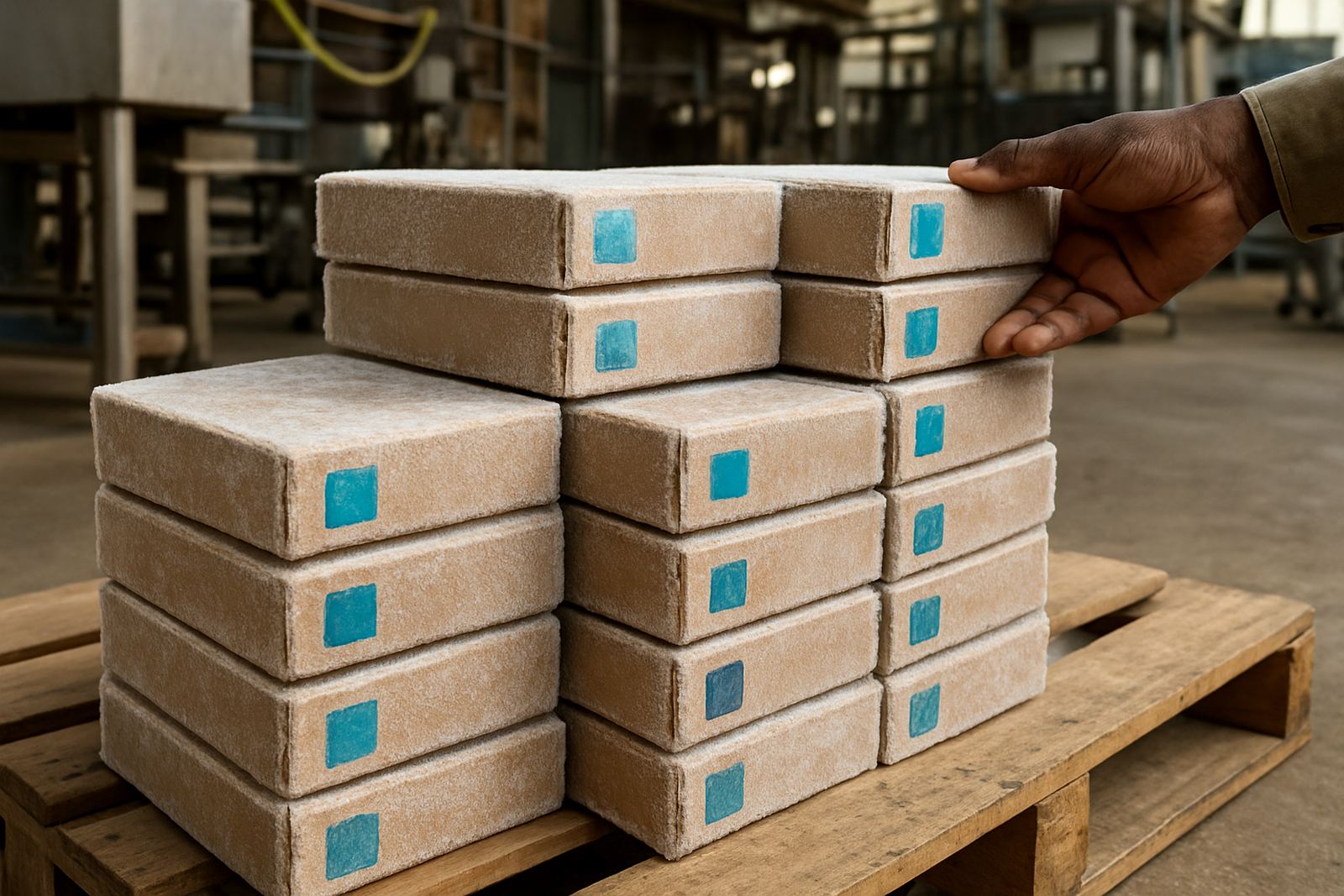
For coastal deliveries, another issue is moisture. Sachet stock can absorb humidity during offloading, and that may affect how the ink sits on the surface. A simple rub test and controlled storage usually sorts this out, but it needs to be planned.
Budget ranges for sachet ink projects
Budget depends on the number of colours, the type of temperature response and whether the job needs hidden security features. Small trial work can be cost effective, while full production runs need a proper cost per thousand packs calculation. As a guide, simple colour adjustment and drawdown testing may start from around R3 500 to R7 500 for a short development cycle. A more involved setup with threshold tuning, adhesion checks and a trial batch can fall between R12 000 and R28 000.
Security pattern development or custom covert features can add more, depending on the inspection method and the amount of production support needed. If the line runs across several pack sizes or multiple sachet variants, it is usually better to standardise the cue and vary only the artwork panel. That keeps waste down and makes reorders easier to manage.
How we support converters from Jacobs to nationwide delivery
ThermoInk works from Jacobs, Durban, with supply into packaging converter sites across South Africa. That includes Durban South, Pinetown, Prospecton, Cape Town, Gqeberha, Johannesburg and Pretoria. Jason Pillay coordinates delivery planning, while Shaun October, Lindokuhle Dlamini, Pieter van Wyk and Nomfundo Khumalo handle the technical side from first sample through to batch retain storage.
If your sachet line is being set up for a new pack format, we can help with the practical steps that keep the job moving. That includes security pattern design, production troubleshooting, coating compatibility checks and press startup support. The aim is to get a print that looks right, reads right and holds up on the line, even when the day runs long and the power goes off mid shift.
- Send the sachet spec, substrate details and expected pack size
- Confirm the temperature cue range or security requirement
- Share the sealing temperature, line speed and drying method
- Ask for a trial batch before committing to full volume