Why pharma cartons need more than standard print
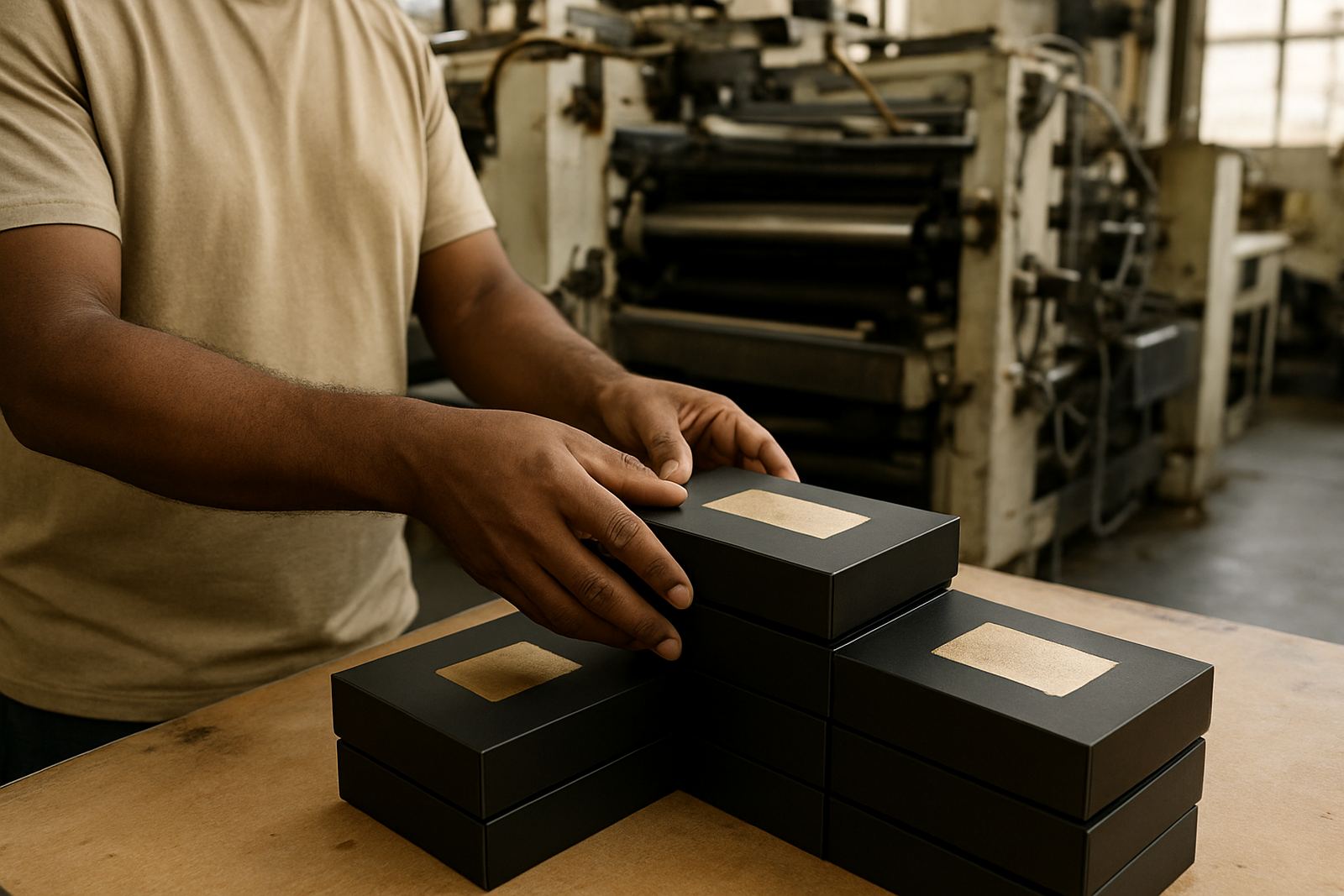
Pharma cartons carry more than branding. They must protect product identity, support traceability and help staff spot tampering or substituted stock before it reaches the shelf. In a market where cartons move through wholesalers, dispensaries and hospital supply chains, the print system has to hold up in storage, handling and transport, not just on the day it leaves the press.
Security and covert verification inks add a useful layer where plain colour printing is not enough. A colour change under heat, a hidden mark under UV, or a coded pattern in a quiet print area can help inspectors, pharmacists and warehouse teams confirm the pack is genuine. For cartons used on medicine, supplements and health products, the goal is practical control, not decoration.
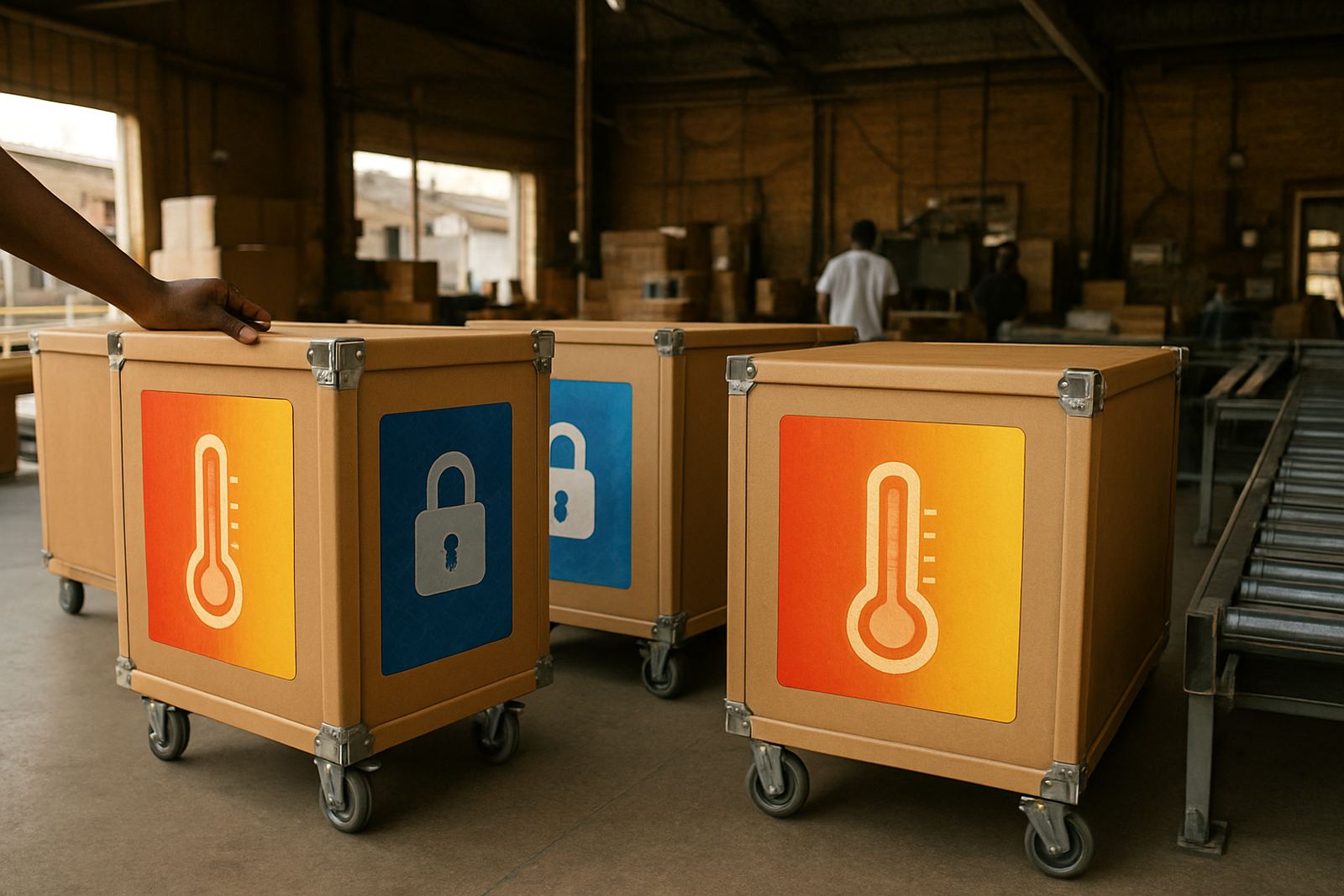
Durban conditions also matter. Coastal humidity, summer heat and warehouse temperature swings can affect drying, rub resistance and board stability. If the carton is going to sit in a loading bay in Jacobs or travel inland to Gauteng, the ink system must be chosen with those realities in mind.
Typical carton lines and print set-ups we work with
Most pharma carton projects come through packaging converters running short to medium production runs, often with tight artwork changeovers. We commonly support lines using flexographic, screen and specialised coating stations, plus overprint systems where the security feature is added as a final pass. Some jobs need a simple verification panel, while others need a full sequence of covert marks and batch coding windows.
- Folding carton lines for blister packs, bottles and sachet outer packs
- Carton board from standard folding grades to higher barrier boards
- Inline or offline application of verification marks and hidden features
- Manual and semi automatic quality checks before despatch
- Small trial batches before full production release
We also see work where the print room has to balance speed with control. If a line is running at pace, the ink must transfer cleanly and dry within the available window without blocking, scuffing or changing shade. That is where drawdown panels, rub checks and adhesion tests become part of the setup rather than an afterthought.
Layout planning for security and covert features
Good layout planning starts with knowing who will check the carton and when. A feature for a pharmacist may need to be easy to confirm in normal light, while a warehouse control mark may be hidden until viewed under UV. If the carton carries a tear strip, tamper panel or variable data area, the security print must not interfere with folding, gluing or die-cut registration.
Keep the verification area in a consistent position across the range if possible. That makes training easier and reduces operator error on press. For multi SKU cartons, it helps to standardise the location of the covert panel, then vary only the message or code within it. If the board has a heavy coating or a strong varnish, do coating compatibility checks early. Some finishes can dull a signal or alter the way a thermochromic feature responds.
On pharma cartons, small details matter. A line of print that is too close to a fold can crack. A patch that is too large can affect folding and glue bite. A hidden mark that is too faint may pass on press but fail in the pack room. Planning the artwork around the physical carton is just as important as the visual design.
Tests that should be done before full carton release
Before a carton job goes into regular production, the print system should be checked against the actual board, actual machine settings and expected warehouse conditions. A trial on similar material is useful, but it is not enough on its own. We usually recommend a short test sequence so the converter can see how the feature behaves once the carton has dried and been handled.
- Colour matching to confirm the printed feature sits correctly on the carton board
- Threshold tuning so the colour change happens at the right temperature range
- Adhesion tests to check the mark stays put on coated or uncoated board
- Rub resistance checks for packing, boxing and distribution handling
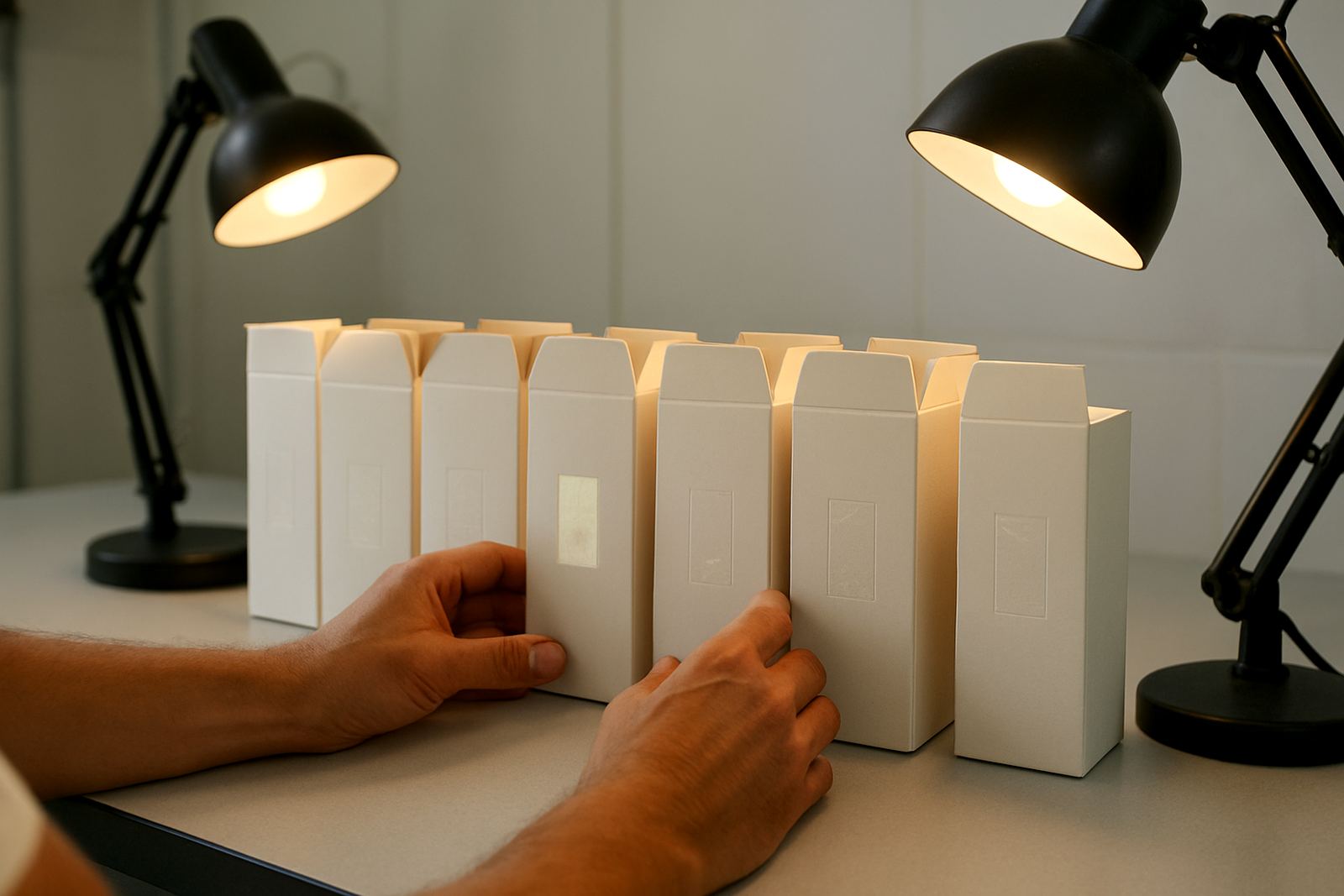
- UV verification setups for covert inspection at receiving and QA points
If the carton is going into a humid store room or a coastal distribution route, factor that into the trial. A mark that looks fine in the print room can behave differently after 48 hours in warm, damp conditions. Batch retain samples are worth keeping for each approved run, so there is a reference if a client queries a later shipment.
Common mistakes on pharma carton projects
One common mistake is treating the security feature as a final minute add on. That usually leads to poor placement, poor registration or a finish that clashes with the board. Another is overcomplicating the carton with too many checks, which can slow production and confuse the people meant to use the feature on the floor.
Other mistakes we see include choosing the wrong drying window, skipping press startup support, and ignoring the interaction between coatings and covert inks. On some carton lines, the board moves from print to finishing very quickly, so the ink needs enough time to stabilise before it is cut and folded. If that is missed, you can end up with scuffing, poor legibility or a weak signal.
It also pays to brief everyone involved. Production, QA, and the client side team should all understand what the feature is supposed to do. If only one person knows the check point, the process becomes fragile. A small typo in the instruction sheet can also cause unnecessary rework, so keep the operating notes clear and practical.
Budget ranges for security ink work in Rand
Budget depends on the carton size, the number of security features, the board type and the amount of testing needed before sign off. For a simple verification feature on a standard carton run, converters often start in the range of R8,000 to R18,000 for development, setup and initial trials. More involved jobs with layered covert elements, custom colour matching and repeated test rounds can move into the R25,000 to R60,000 range.
For ongoing production, the unit cost is shaped by volume. Short runs with frequent changeovers cost more per carton, while repeat orders on a stable spec are more efficient. If a project needs special storage, extra retention samples or a tighter approval cycle, allow for that in the budget from the start. It is usually cheaper to sort the layout and test plan early than to fix a faulty batch later.
Where needed, we can also support production troubleshooting after the first run. That helps converters in Durban, Pinetown, Prospecton, Cape Town, Gqeberha, Johannesburg and Pretoria keep the process steady across different plants and schedules.