

























Ink Notes
Home / Notes

Ink Notes

ThermoInk shares practical editorial content for converters, packaging specifiers and procurement teams. These articles cover ink behaviour, security features, print planning and packaging performance.

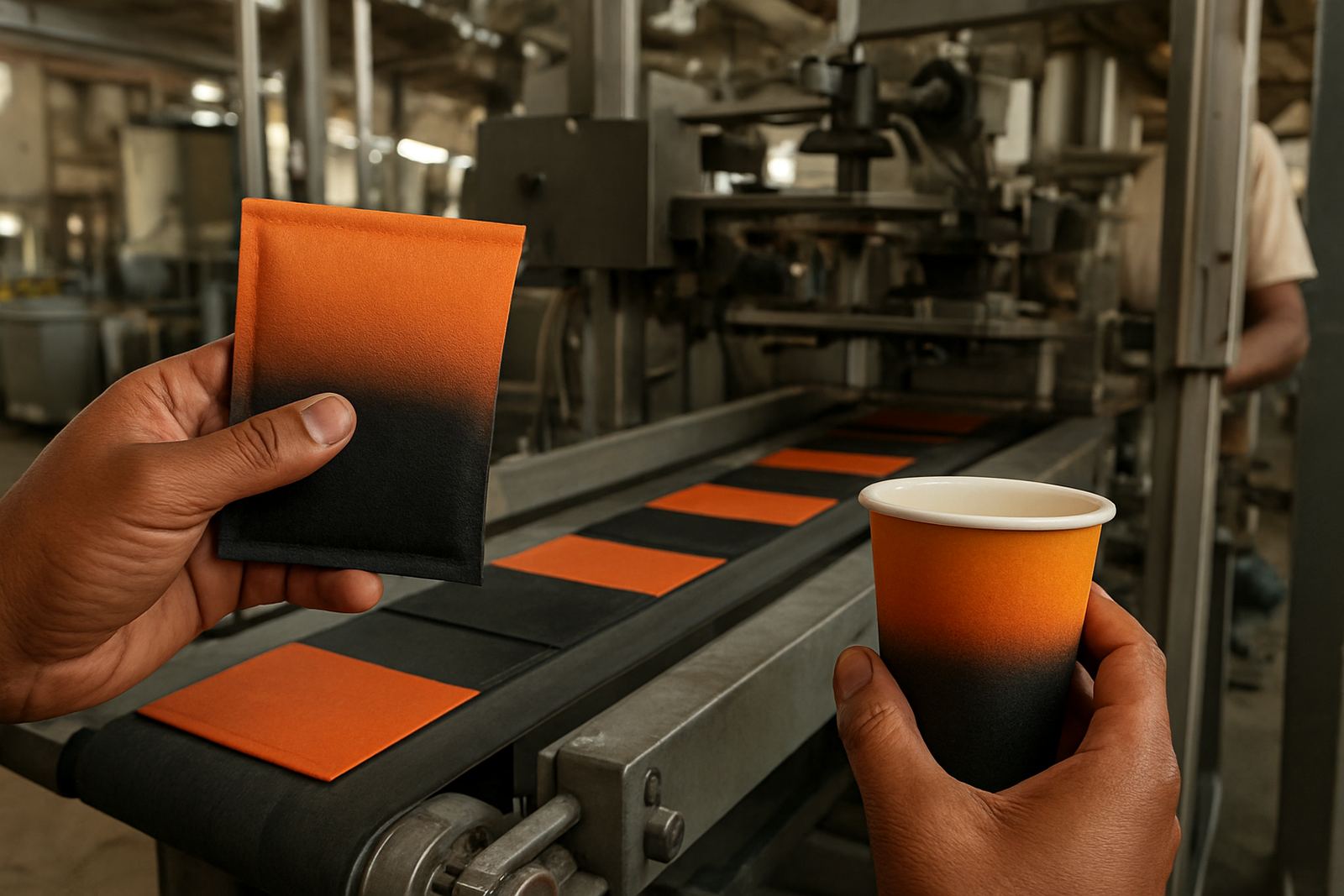
What Is Thermochromic Ink

What Is Thermochromic Ink

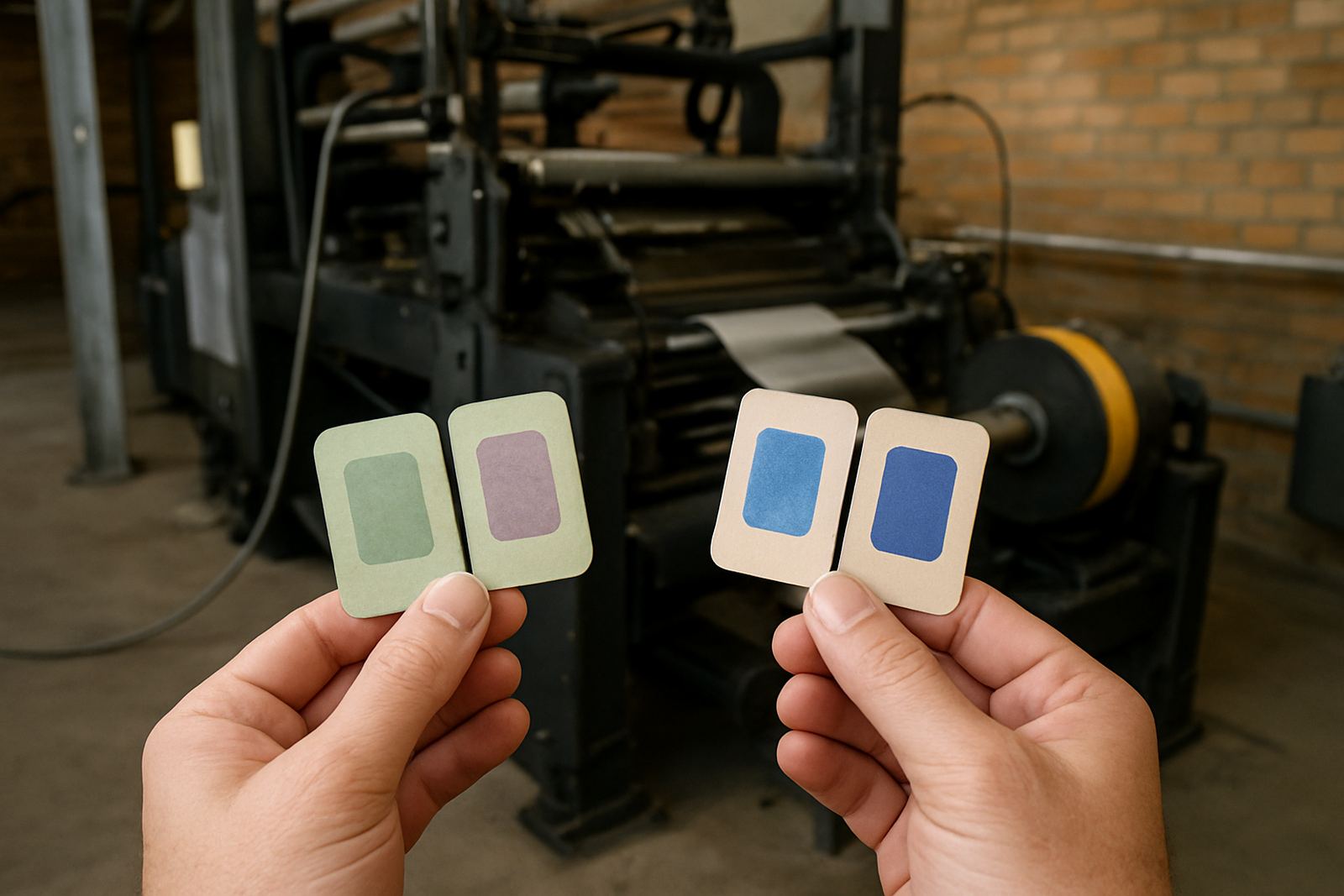
A plain-language introduction to how thermochromic inks change colour on packaging.

Reversible Vs Irreversible

Reversible Vs Irreversible

The difference between inks that recover and indicators designed for one-time change.

Temperature Range Basics

Temperature Range Basics

Why activation temperature selection matters for chilled, frozen and warm applications.

Security Ink Levels

Security Ink Levels

A look at overt, covert and machine-readable security options for packaging.

Choosing Pack Substrates

Choosing Pack Substrates

How substrate choice affects adhesion, appearance and special effect performance.

Cold Chain Graphics

Cold Chain Graphics

Designing graphics that communicate chilled readiness clearly to shoppers and staff.

Freezer Packaging Effects

Freezer Packaging Effects

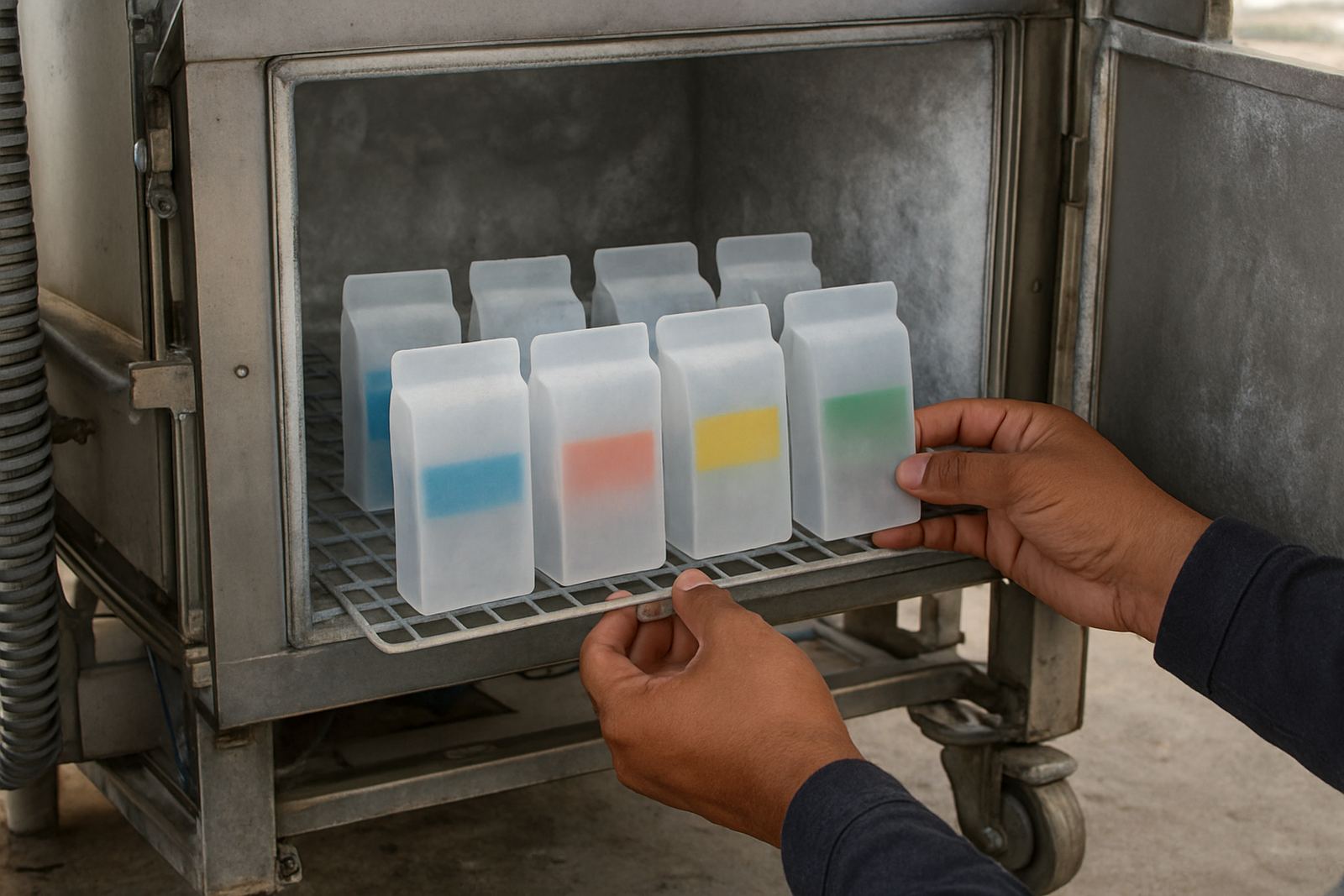
Special considerations when thermochromic inks are used in freezer environments.

Warm Serve Indicators

Warm Serve Indicators

How heat-reactive print can support ready meals and hot beverage packs.

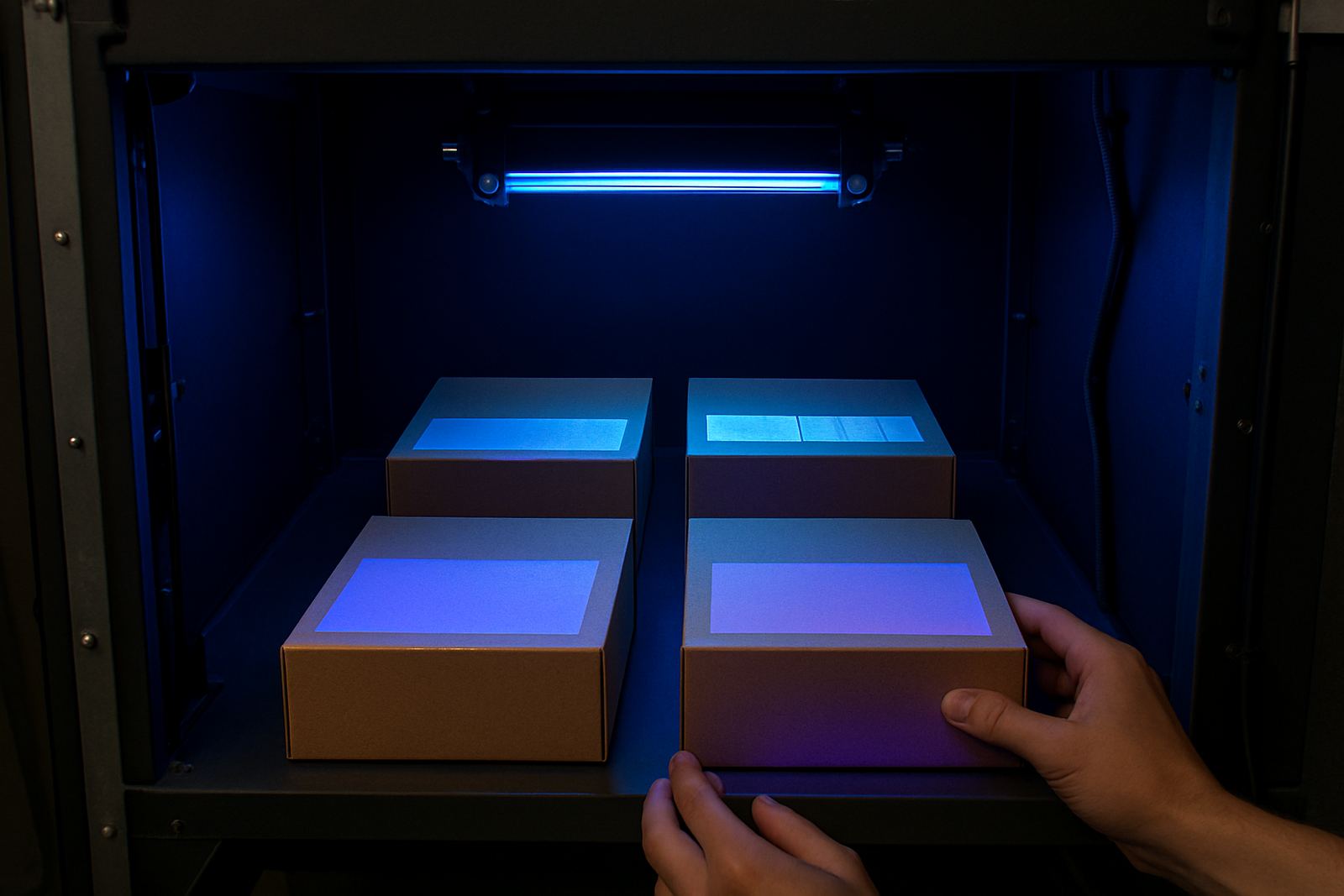
UV Authentication Explained

UV Authentication Explained

How covert UV marks help distributors and retailers verify packaged goods.

Microtext On Cartons

Microtext On Cartons

Why microtext can be effective for security on folded carton packaging.

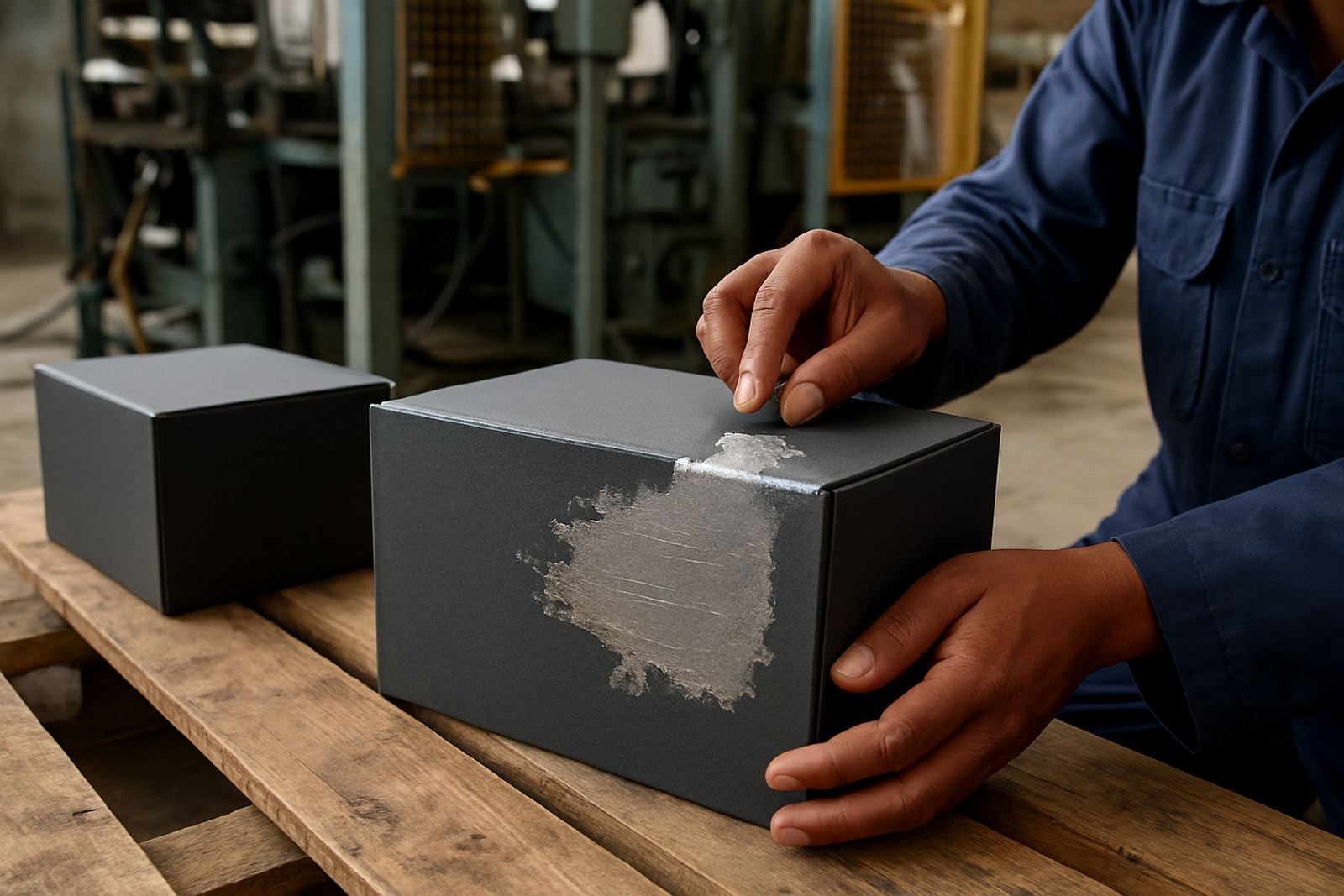
Scratch Panels For Promos

Scratch Panels For Promos

Using scratch-off coatings for limited promotions and controlled reveals on packs.

Matte Or Gloss

Matte Or Gloss

Comparing the visual and practical impact of matte and gloss effect coatings.

Improving Press Consistency

Improving Press Consistency

Steps converters can take to keep specialised ink performance stable over a run.

Anilox Considerations

Anilox Considerations

Why cell volume and transfer behaviour matter for special packaging inks.

Viscosity And Transfer

Viscosity And Transfer

The link between viscosity control and clean, predictable print results.

Adhesion On Films

Adhesion On Films

Common causes of poor adhesion on films and how to address them.

Adhesion On Carton

Adhesion On Carton

How carton coating and surface energy influence specialised ink performance.

Retort Print Challenges

Retort Print Challenges

What to watch when packaging inks must survive heat processing.

Low Migration Needs

Low Migration Needs

When low-migration thinking becomes important in packaging specifications.

Tamper Evidence Basics

Tamper Evidence Basics

Simple ways printed features can support pack tamper visibility.

Counterfeit Risk Signs

Counterfeit Risk Signs

Packaging warning signs that suggest stronger authentication measures are needed.

Covert Vs Overt

Covert Vs Overt

Choosing whether the security feature should be seen by everyone or only trained staff.

Machine Readable Security

Machine Readable Security

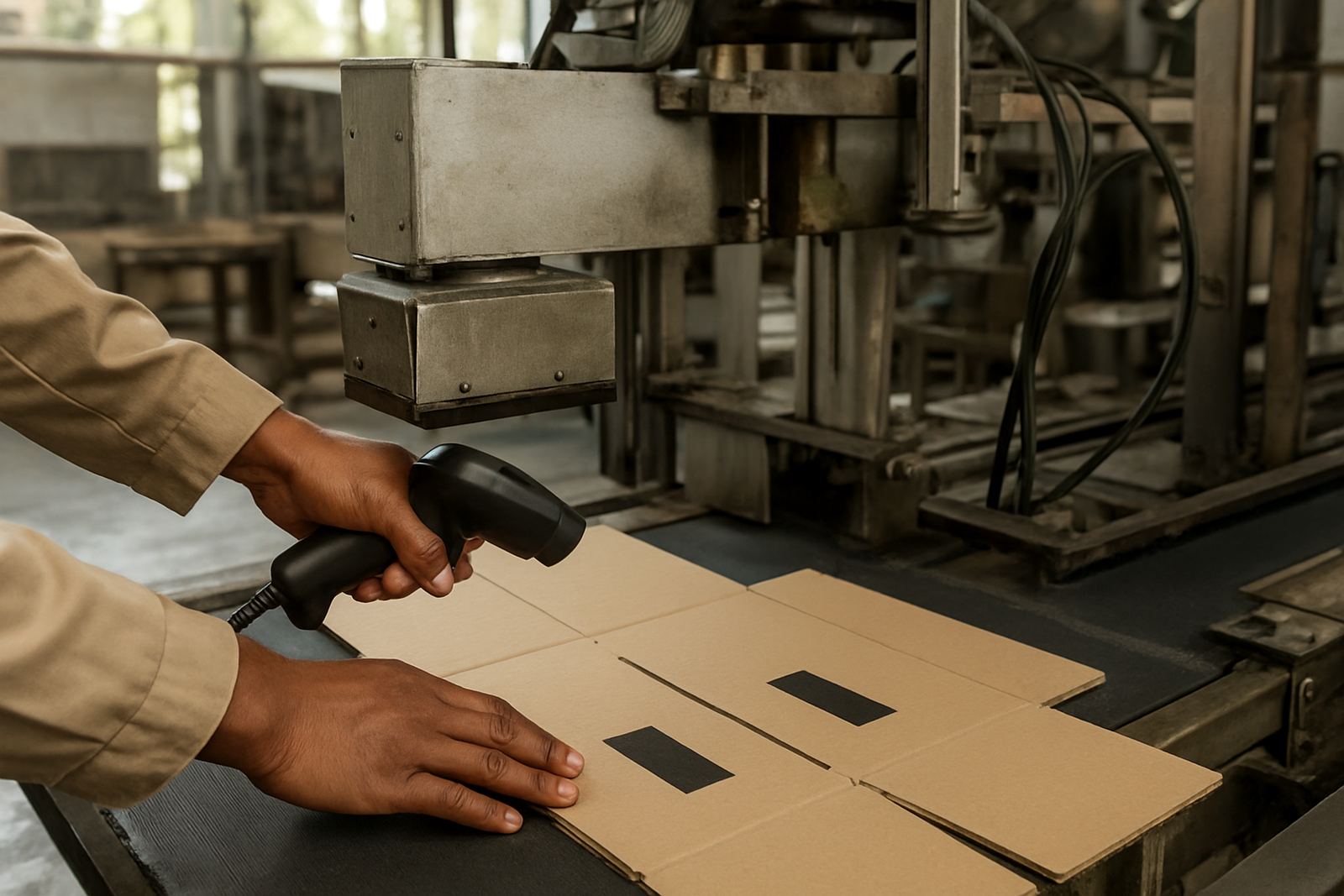
An overview of inks that support scanner-based packaging verification.

Designing Hidden Reveals

Designing Hidden Reveals

How to plan artwork for reveal-under-cold or scratch-off packaging effects.

Shelf Impact With Function

Shelf Impact With Function

Combining standout packaging design with clear practical value for consumers.

Sustainable Ink Thinking

Sustainable Ink Thinking

How packaging teams can balance effect inks with sustainability goals.

Batch Control Importance

Batch Control Importance

Why retain samples and records matter for repeat packaging jobs.

Approval Process Tips

Approval Process Tips

Ways to speed up shade and performance approvals before production starts.

Testing Under Real Cold

Testing Under Real Cold

Why refrigerated and freezer trials should mirror actual distribution conditions.

Consumer Education On Pack

Consumer Education On Pack

Helping shoppers understand what a colour change or symbol means.

Small Run Trial Value

Small Run Trial Value

Why controlled pilot runs reduce risk before full production supply.

Nationwide Delivery Planning

Nationwide Delivery Planning

Coordinating stock and lead times for converters outside Durban.

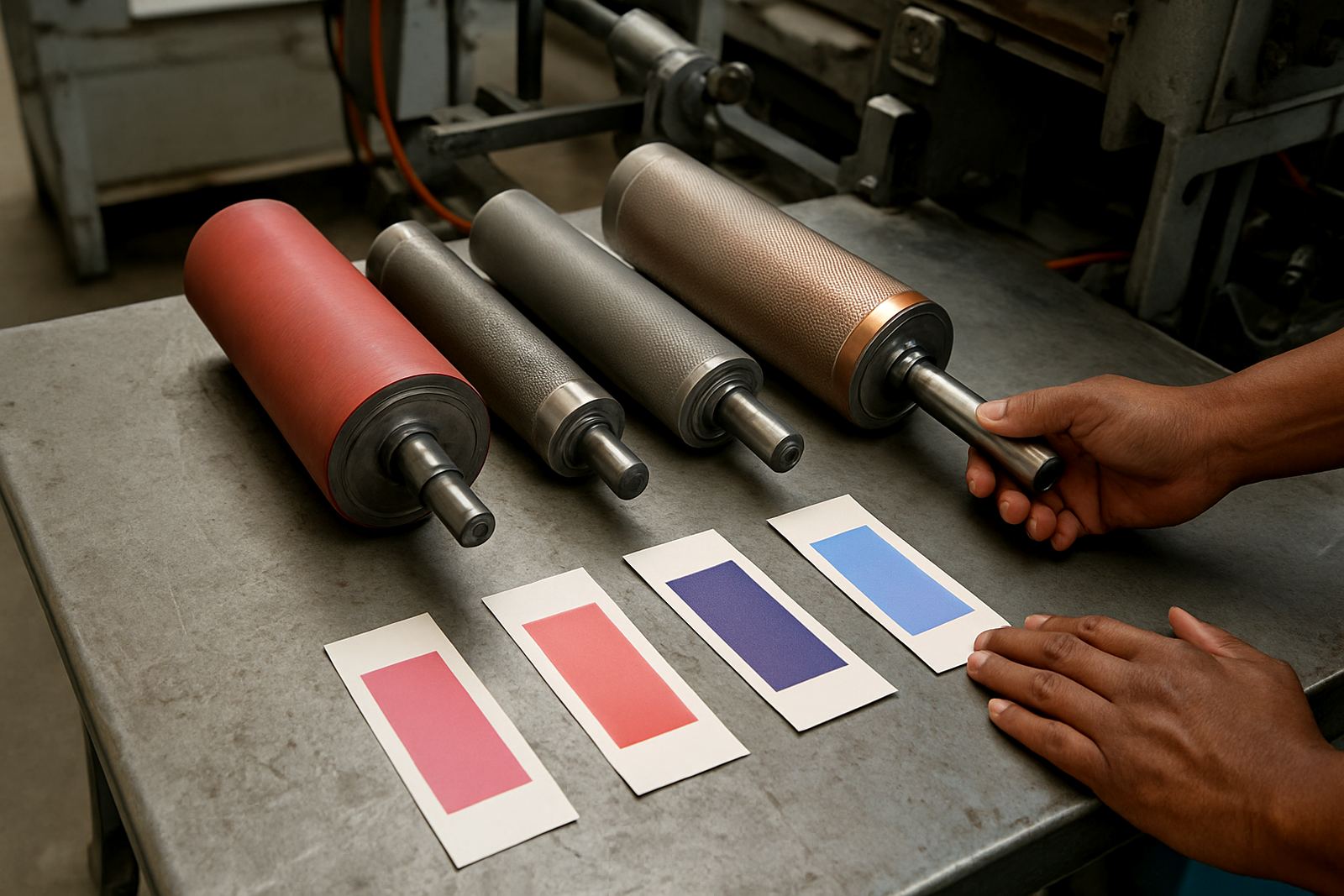
Using Lab Drawdowns

Using Lab Drawdowns

How drawdowns help compare shades, opacity and activation behaviour quickly.

When To Prime

When To Prime

Situations where a primer improves print hold and adhesion reliability.

Protecting Special Effects

Protecting Special Effects

How overprints and handling choices influence the life of effect inks.

Common Converter Questions

Common Converter Questions

Answers to recurring technical questions from packaging converters trying specialised inks.

Reading Colour Under Light

Reading Colour Under Light

Why consistent viewing conditions matter when approving packaging colours.

Interactive Packaging Trends

Interactive Packaging Trends

Current ways brands are using responsive print to create engagement.

What the Ink Notes cover

This hub brings together short, practical articles on thermochromic behaviour, security printing and day to day production issues. The aim is to help teams make better calls before a job reaches press, whether you are handling cartons, labels, sleeves or other packaging formats.

We write for the people who need clear answers fast: production managers, buyers, technical sales teams and brand owners. You will find guidance on what changes with heat, what needs testing on the line, and where a small adjustment can save a full batch from being held up.

How to choose the right article for your job

Start with the question you need answered. If the issue is temperature response, look for notes on activation range, colour transition and how the ink behaves in Durban humidity or a hot warehouse in Gauteng. If the concern is authenticity, focus on security pattern design, UV verification and batch traceability.

  • For temperature cues, check activation point and reset behaviour.
  • For anti-tamper work, review security layout and verification method.
  • For production issues, read about adhesion, rub resistance and coating compatibility.
  • For new substrates, look at drawdown panels and trial batch notes first.

Topics that matter on press

Print planning is often where a job wins or loses time. The notes cover setup checks that can reduce stoppages, including press startup support, threshold tuning and quick testing before full output begins. That is especially useful when working with mixed materials, recycled board or films that behave differently from one supplier to the next.

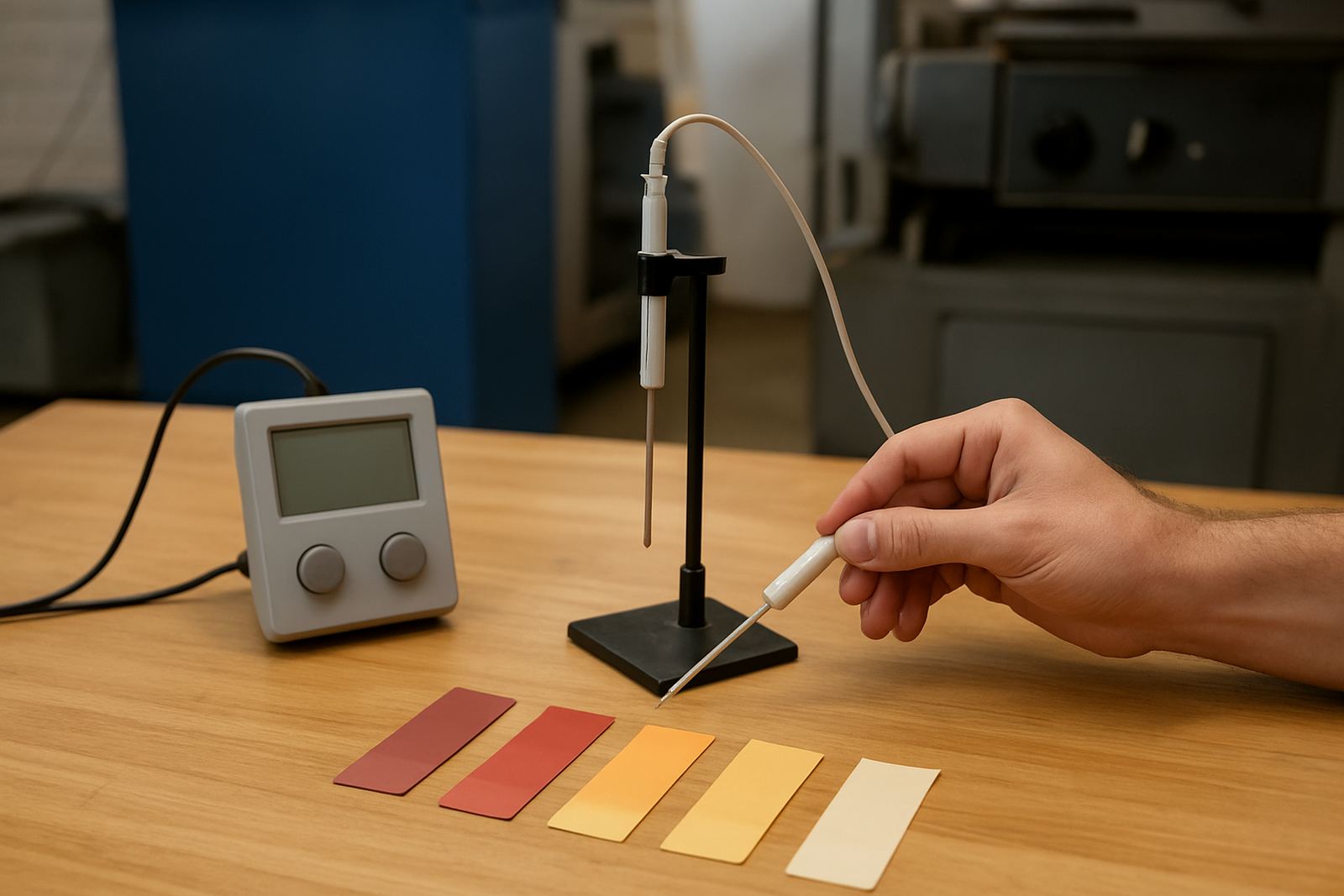
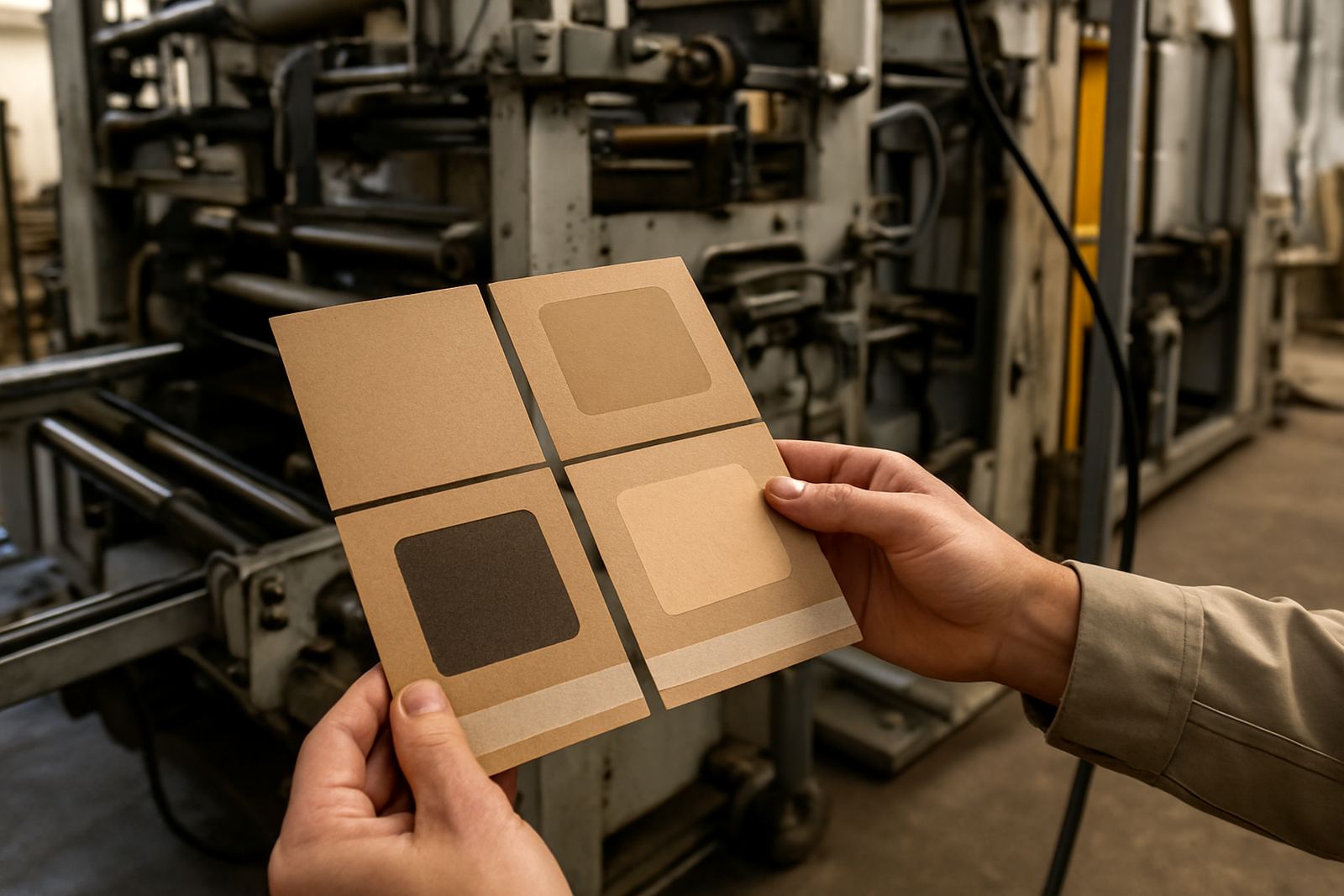
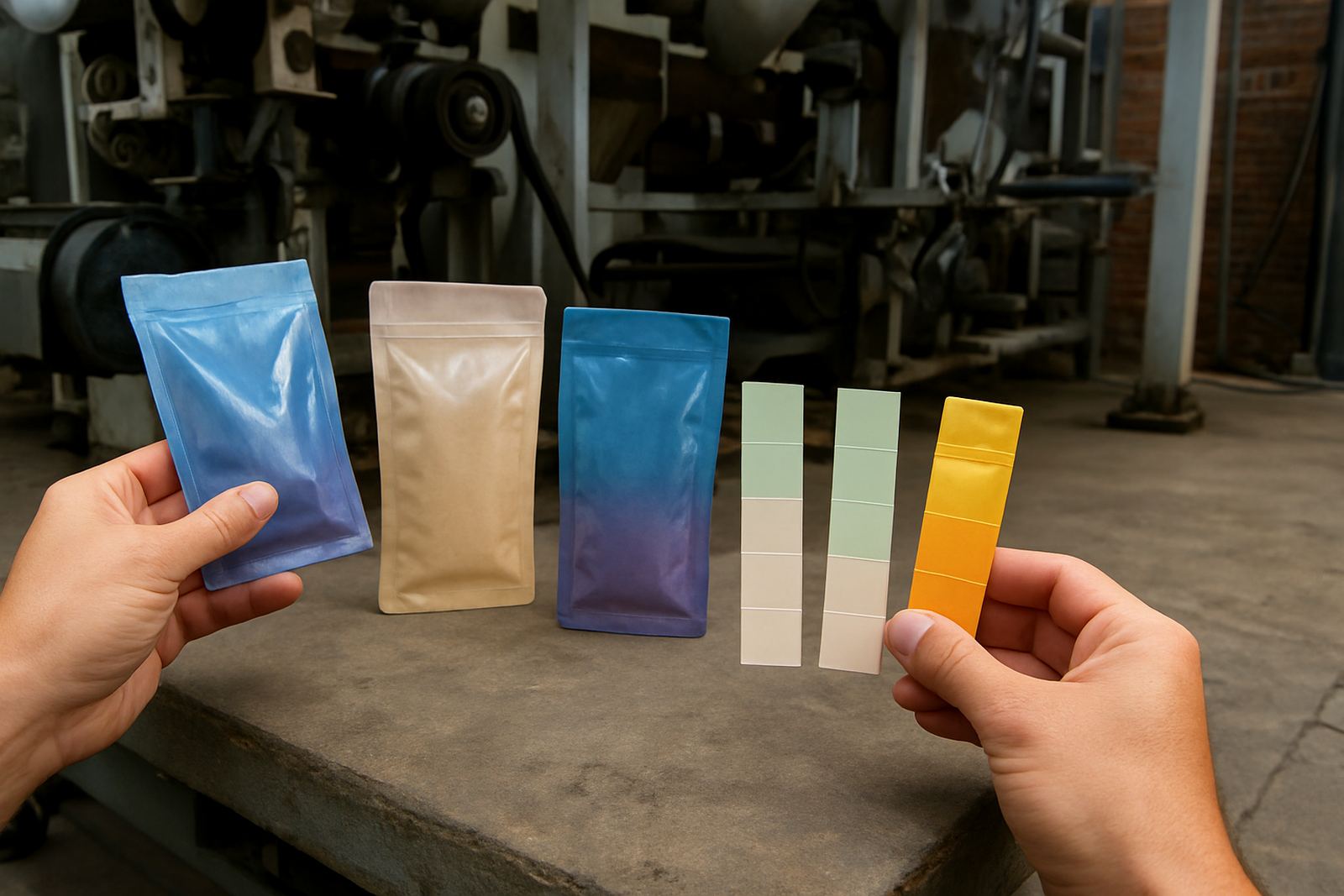
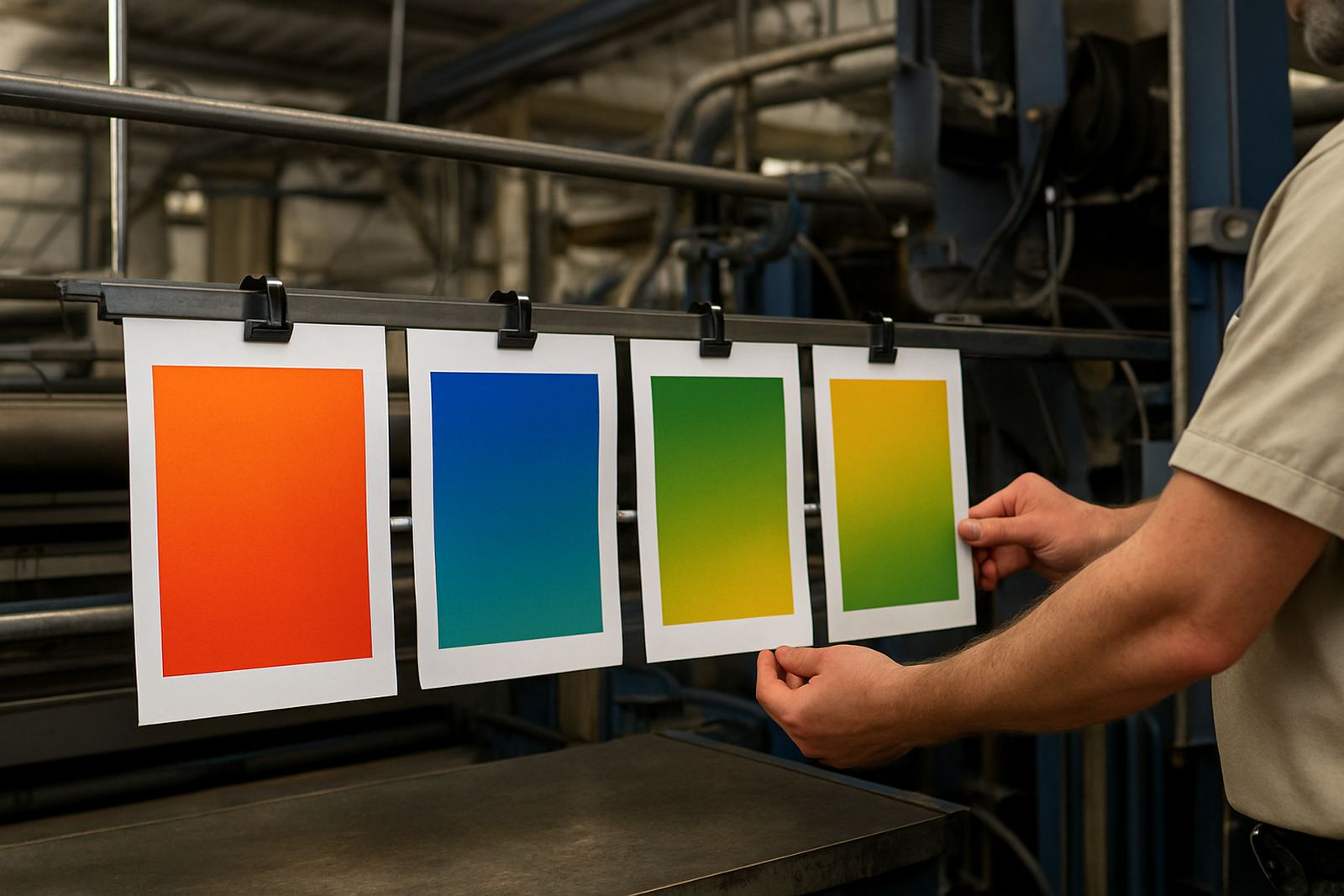
We also cover practical testing methods. A simple drawdown panel can show whether the colour shift is clean enough, while a rub test can flag problems before cartons are packed and shipped. It is better to catch a weak result in the first hour than after thousands of units have moved through the line.

  • Adhesion tests for coated and uncoated surfaces.
  • Rub resistance checks for transport and handling.
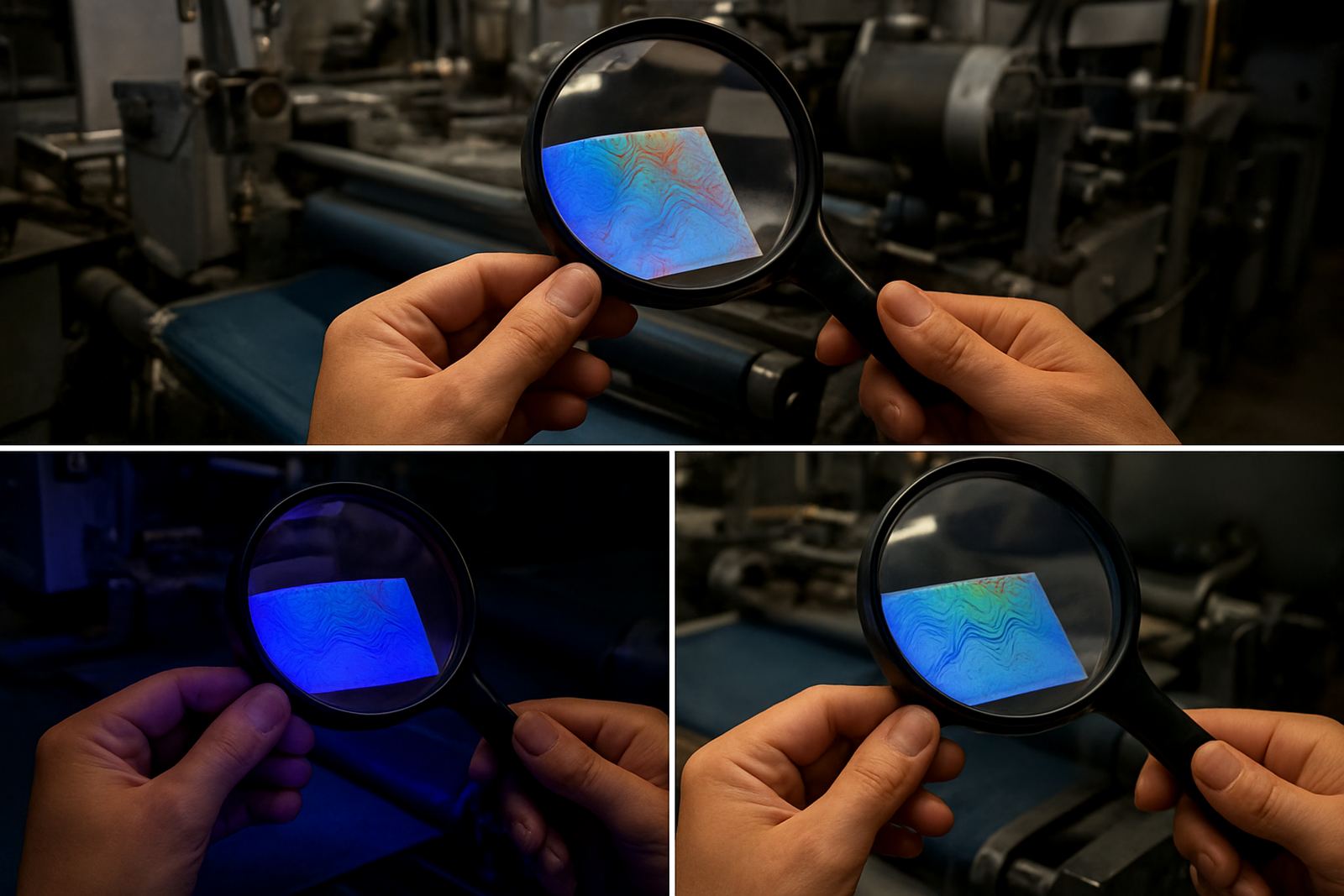
  • UV verification setups for security review.
  • Batch retain library notes for repeat orders and investigations.

Security features and brand protection

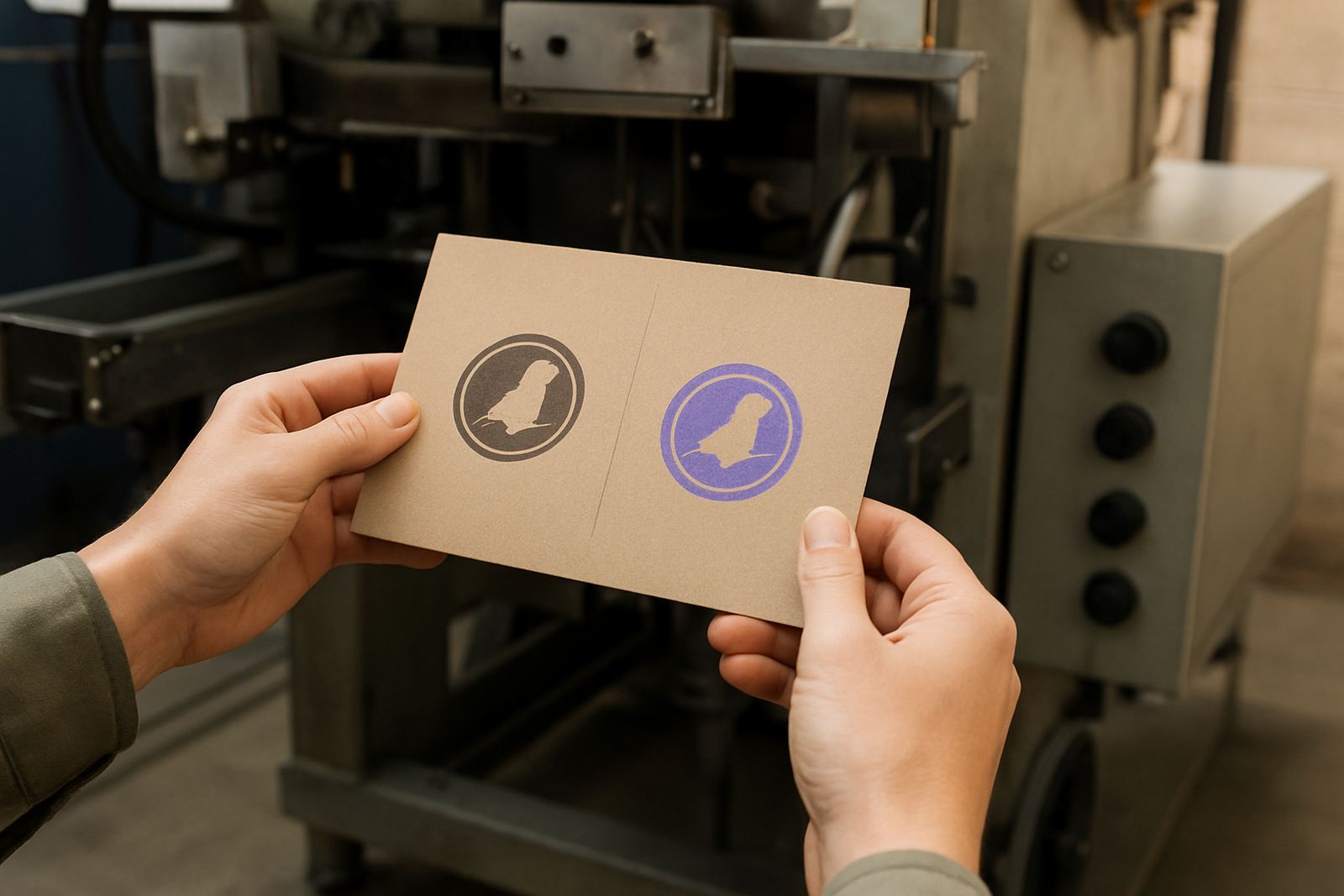
Packaging security does not need to be complicated to be effective. A well planned pattern can make copying harder, support internal checks and help teams verify genuine product in the field. Our notes explain how security ink choices fit with different print methods, inspection routines and customer requirements.

We also cover what happens when multiple features must work together. A security mark can be hidden, visible or both, and it needs to stay legible after folding, gluing and transport. If the substrate is not stable, or the coating changes the finish too much, the final result can fall short, so compatibility checks matter.

Sustainability, supply and local conditions

South African packaging teams often have to balance performance with waste reduction and reliable supply. The notes touch on production planning for shorter runs, material efficiency and storage conditions that matter in coastal towns like Durban, where heat and humidity can affect handling. On the highveld, dust and temperature swings bring different risks.

We also share points that help with procurement decisions, including how to compare trial results, what to retain from a batch and when to ask for a production review. A small issue at the start can be cheaper to fix than a repeat order that fails approval, so the job has to be checked properly.

  • Storage and handling in humid or hot conditions.
  • Repeatability across reorders and different batches.
  • Coating compatibility before committing to a full run.
  • Troubleshooting when print results shift without warning.

Use this hub with your own specifications

These notes are a starting point, not a substitute for your own spec sheet, press settings or customer requirements. If you are planning a new pack, share the substrate, print process, target run size and any security need before you choose an approach. That makes it easier to match the ink to the job.

ThermoInk supports packaging converters nationwide from Jacobs in Durban, with deliveries into Cape Town, Gqeberha, Johannesburg, Pretoria, Pinetown and Prospecton. If your team needs a clearer view on print performance, threshold behaviour or security checks, use the enquiry form on our contact page and we will point you to the right note or test path.

Questions we get asked

Who should read the Ink Notes hub?

Converters, packaging specifiers, procurement teams and production staff who need practical guidance before or during a print job.

Do the articles cover both thermochromic and security inks?

Yes. The hub includes material on colour change behaviour, security patterns, verification methods and print performance checks.

Can these notes help with trial runs and production checks?

Yes. Many of the notes focus on drawdown panels, adhesion, rub resistance, coating compatibility and press startup planning.

Planning something? Send the team a message.

Contact form