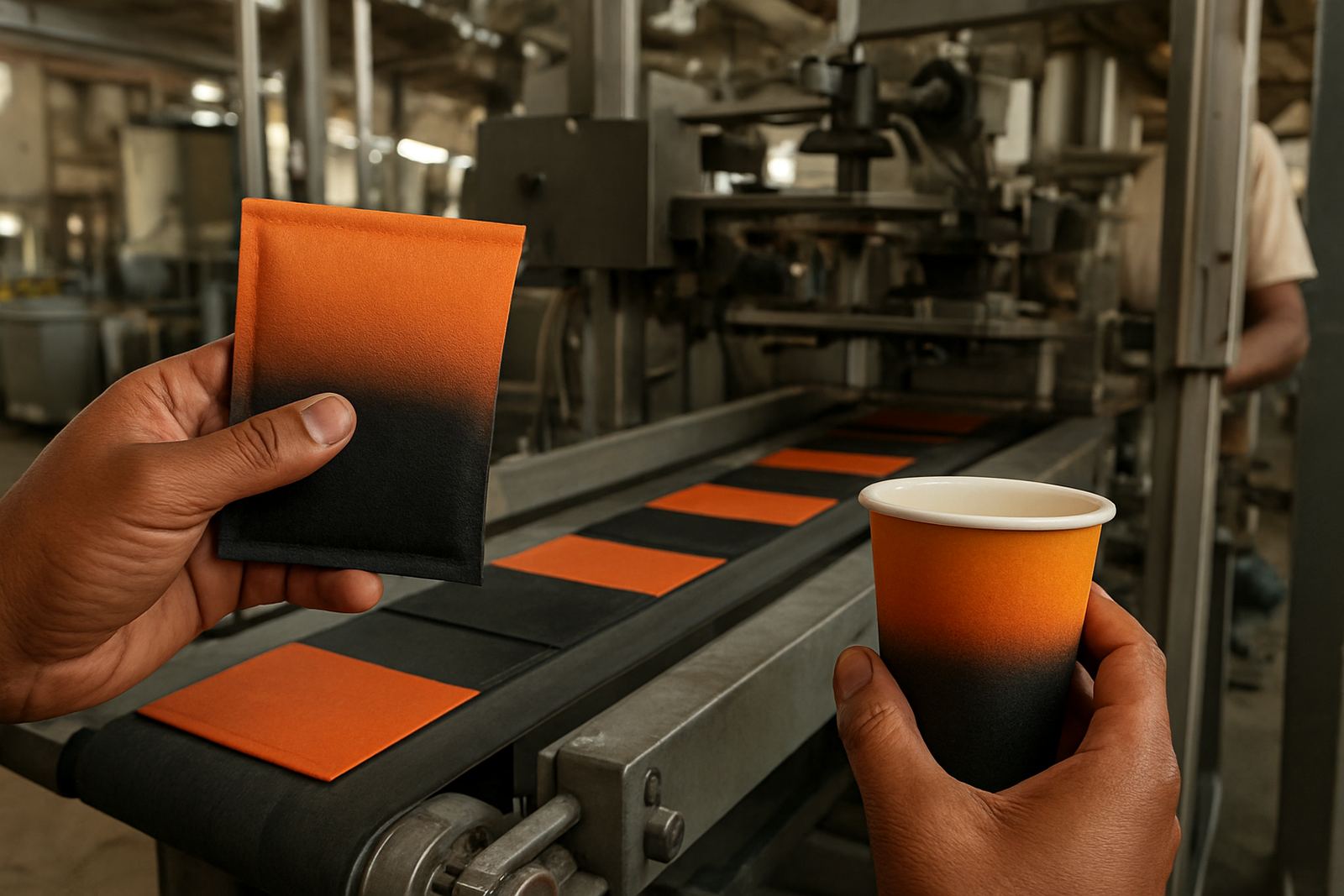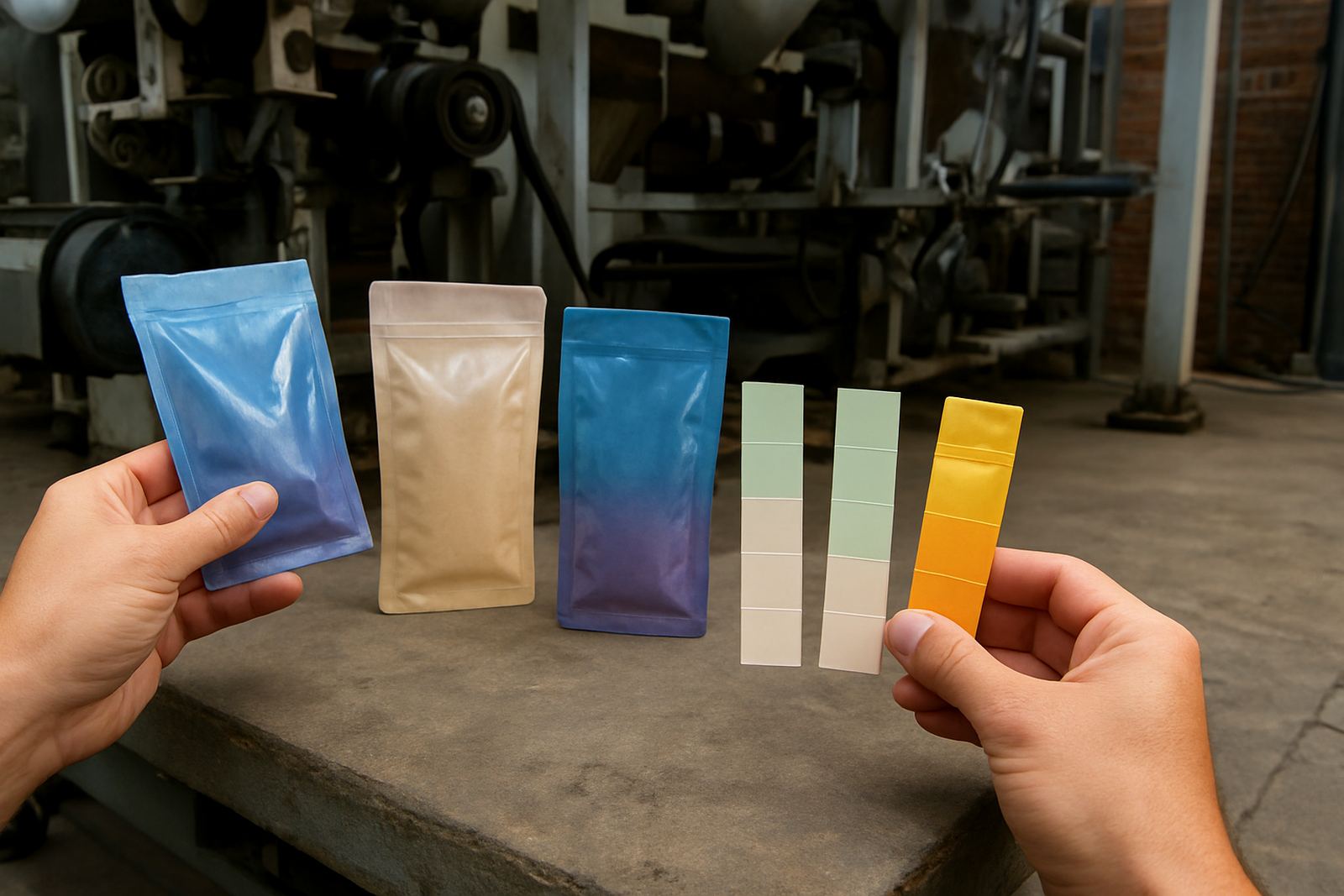
Thermochromic ink explained in simple terms
Thermochromic ink is a printing ink that changes appearance when the temperature moves above or below a set point. In packaging, that change is usually used as a visual signal. A mark may fade, appear, or shift from one colour to another once the product reaches a certain temperature. When it cools again, the image can return, depending on the ink system used.
The main reason businesses use it is straightforward: it gives the customer or pack handler an immediate clue. That clue can show whether a chilled item has warmed too much, whether a pack has been stored correctly, or whether a product should be handled with care. It is not only for fancy labels. It has real use on cartons, sleeves, pouches, seals and cartons that move through distribution in Gauteng, KZN and the Western Cape.
For packaging converters, the key point is that thermochromic ink is not a decorative effect only. It needs to suit the substrate, the print method, the drying process and the final use of the pack. A good result depends on the ink matching the board or film, as well as the line speed and the handling conditions after printing.
How the colour change works on a pack
Most thermochromic systems use temperature-sensitive components that respond at a chosen threshold. That threshold can be selected for a specific use, for example a chill indicator for food packaging or a warmer trigger for industrial labels. The change can be reversible or irreversible depending on what the pack needs to tell the user.
In practical terms, the print may sit as one colour at room temperature and then shift once the surface reaches the set point. For a cold-chain pack, that might show when a product has warmed during transport or while waiting at a loading bay. On a hot day in Durban, where a closed vehicle or yard can heat up quickly, that signal can help spot a problem before the product reaches the shelf.
Thermochromic ink also works alongside other print elements. It can sit with standard graphics, batch codes, tamper evidence or security marks. That makes it useful where packaging must do more than look neat. It has to carry information, support traceability and stand up to handling through distribution.
- Common uses include temperature cues for chilled goods
- It can be set to change at a specific threshold
- It may be reversible or one-time response, depending on the system
- It can be printed alongside standard branding and security features
Where South African packaging teams use it most
Thermochromic ink is useful across several packaging categories. We see strong interest from food, beverage, pharmaceutical, personal care and speciality product lines. In South Africa, the pressure points are often the same: hot transport routes, coastal humidity, fast loading windows and variable storage conditions between factory and customer. That makes a visible temperature cue practical, not just interesting.
For example, a packaging converter in Jacobs may be supplying packs for a chilled product moving through Durban South, then on to inland distribution. If the pack must show when it has warmed above a set point, the ink can be tuned to that need. A printed indicator gives the brand a clear signal at the end of the chain, and it can reduce arguments about whether the pack stayed within range.
It also helps with customer experience. If the pack shows a clear colour shift, the end user does not need to guess. That can reduce returns and complaints, especially where products are sensitive to temperature abuse. In a market where load-shedding and long transport times can affect handling, this kind of cue is practical.
- Chilled food packs and sleeves
- Temperature-sensitive care products
- Pharma and sample packaging
- Specialty labels and cartons for controlled distribution
What converters should check before a trial run
Before any press run, the ink needs to be checked against the actual production conditions. A trial on paper is one thing. A full run on board or film, with the real coating, drying, and folding process, is another. The surface energy of the substrate, the lamination, and any overprint varnish can all affect how the thermochromic area behaves.
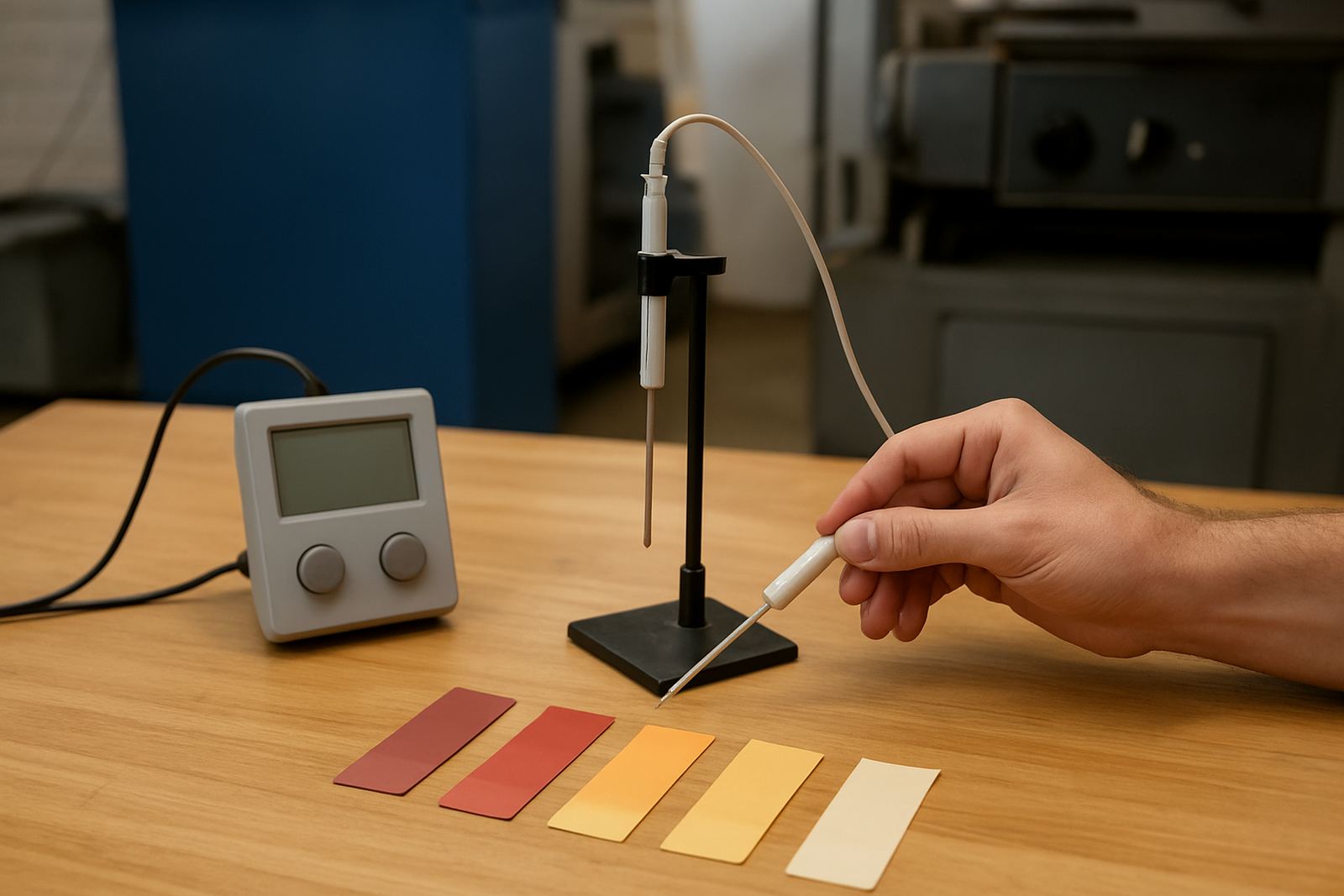
Good trials usually start with drawdown panels and threshold tuning, then move to adhesion tests, rub resistance checks and coating compatibility testing. If the pack will pass through a humid coastal store room or a warm distribution point, those conditions should be part of the test. Durban humidity can change drying time and final appearance, so it is worth checking the result under local conditions rather than assuming a standard setting will hold.
It is also wise to test how the colour changes under real light. Some inks look fine under artificial light but are harder to read on a bright loading dock or in a retail fridge. For that reason, UV verification setups and batch retain records matter. They help teams compare the approved sample with later production and keep a clear reference if a dispute comes up.
How thermochromic ink supports quality and authenticity
Thermochromic ink can do more than signal heat. When it is used carefully, it can also support authenticity and make packaging harder to copy. A visible colour-changing feature is difficult to imitate without the right ink system and process control. That can be useful on higher risk packs where product substitution or tampering is a concern.
Security features may include hidden pattern design, controlled colour shifts and verification marks that can be checked by the converter or brand owner. Some packs use a combination of overt and covert elements so the consumer sees one cue, while the manufacturer has another layer for internal checks. That approach is common when packs are moving through multiple handling points nationwide.
For brands, the benefit is clarity. The pack can show a temperature-related cue and also carry a security signal that supports authenticity. For converters, it means the ink is part of the full packaging spec, not a separate add-on. That is why the print team, production manager and security ink specialist should be involved early, before the artwork is locked.
- Visible cues can support anti-tamper and authenticity checks
- Covert details help with internal verification
- Batch records make future comparisons easier
- Early technical input reduces waste and rework
What makes a good thermochromic result on the line
A good result depends on control. The ink must be mixed to the right strength, printed at the right film thickness and dried correctly. If the coat is too light, the colour change may be weak. If it is too heavy, drying can suffer and rub resistance can drop. The press team needs to keep an eye on viscosity, temperature, and line speed throughout the run.
In a busy production environment, small changes matter. A slight shift in ambient temperature, a slower drying stage or a change in stock can alter the final look. That is why press startup support and production troubleshooting are useful during the first run and any later repeat job. If the pack must be retained for future comparison, a batch retain library is also worth keeping.
For many converters, the goal is consistency from the first carton to the last. The ink should change at the same point every time, and the printed area should still look clean after folding, sealing and transport. When the process is right, the pack does its job quietly. It tells the customer what they need to know without complicating the line or the artwork.
A practical Durban example
Picture a chilled product packed in Jacobs and shipped through Durban South before heading inland. The brand wants a clear indicator on the sleeve so the customer can see if the pack has warmed too much. A thermochromic mark is set to change at the chosen temperature, and the converter checks adhesion, rub resistance and the exact threshold before the first full run.
After that, the pack is tested in conditions that reflect the real route. If the warehouse gets warm in the afternoon, or the truck sits longer than planned, the indicator gives a visible warning. That makes the pack more useful to the brand and easier to assess for the end user. It is a small print feature, but it can carry a lot of practical value across the supply chain.
For South African packaging businesses, that is the real point. Thermochromic ink is not just a colour effect. It is a working part of the pack, and when it is matched correctly to the product and process, it can support quality, handling and trust from factory floor to final delivery.