

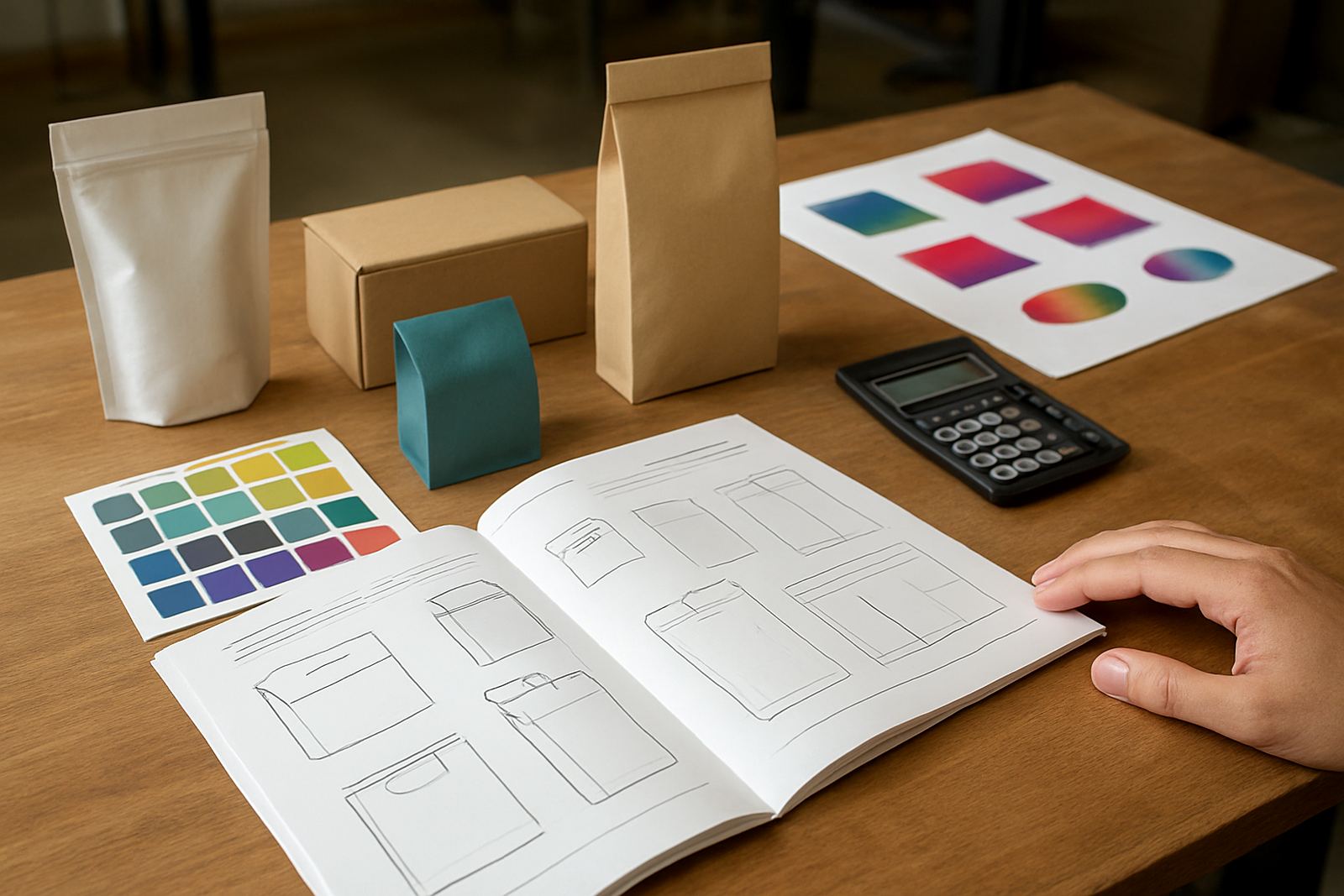





Start Here: Match the Guide to Your Packaging Need
If you are choosing between a temperature cue, an authenticity feature or a process check, start with the end use. A chilled food pack, a cosmetics carton and a logistics seal each need different ink behaviour, so the first step is to define what the print must do on press and in the market.
These guides are written for packaging converters, brand teams and specifiers who need practical answers. They cover selection, application and testing so you can narrow down the right route before you commit to a trial batch.
- Use thermochromic guides when the pack must change colour at a set temperature.
- Use security guides when you need a visual cue that supports authenticity checks.
- Use process guides when you need help with adhesion, rub resistance or coating compatibility.
Thermochromic Colour Change for Temperature-Sensitive Packs
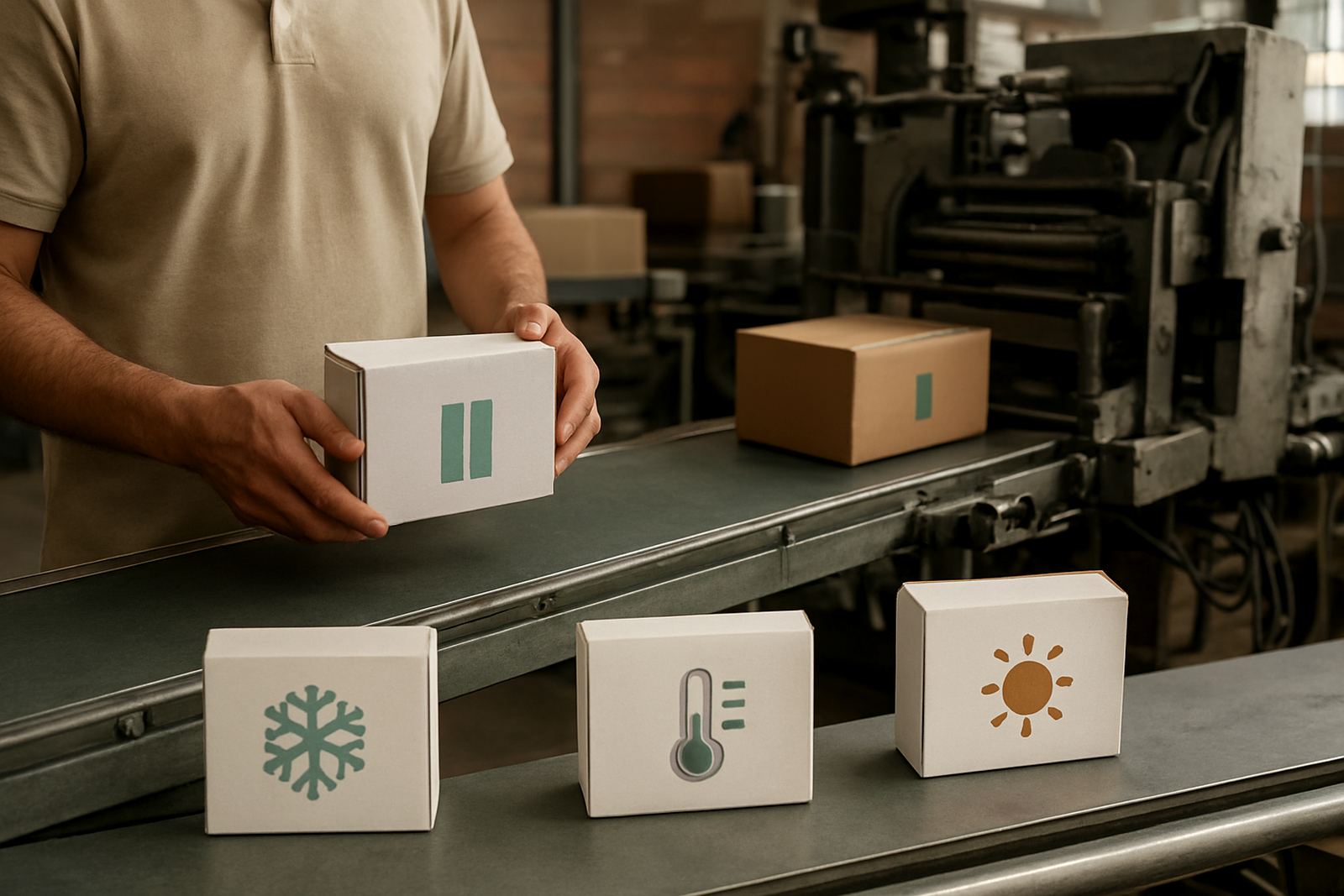
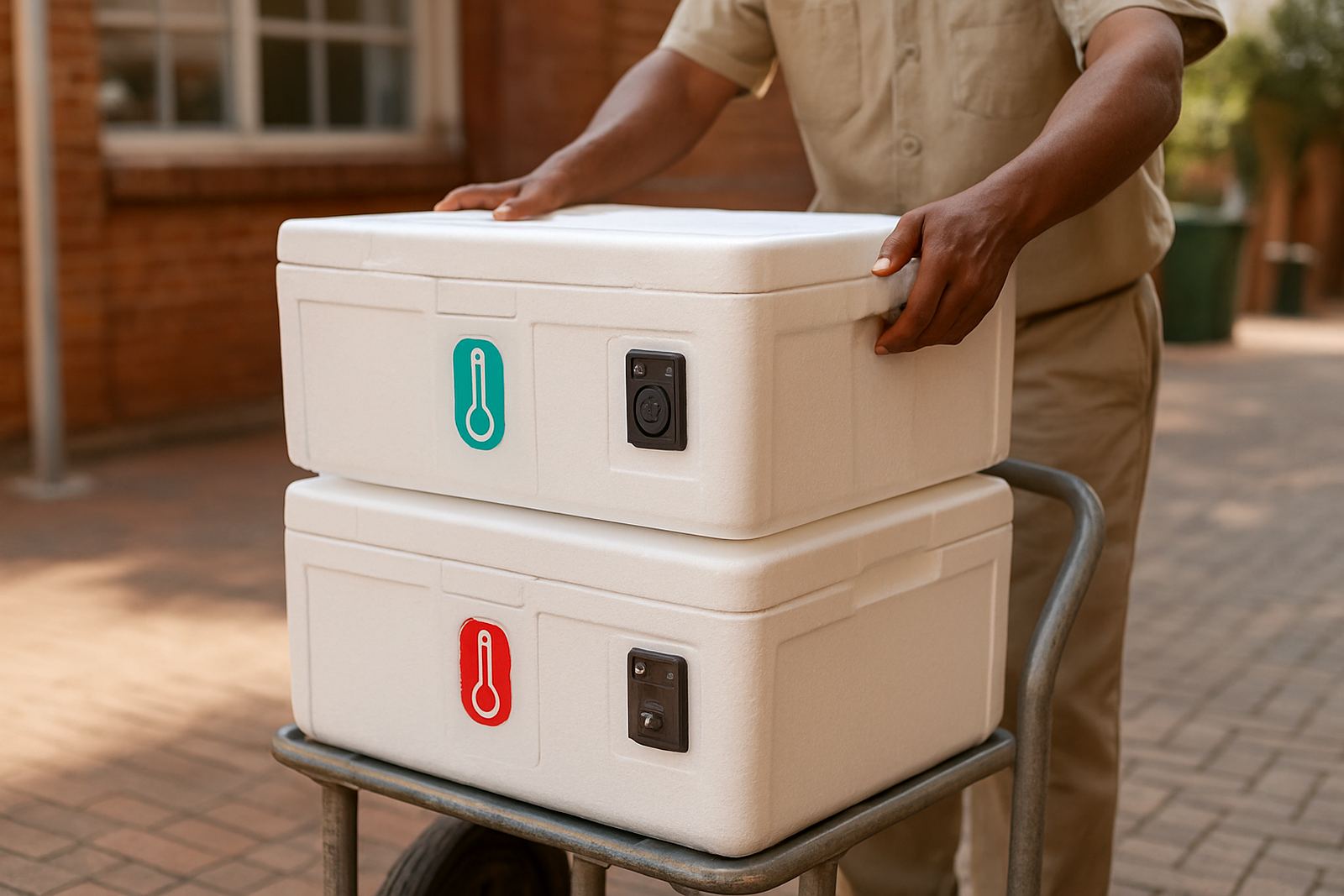
Thermochromic inks are useful where a pack must show a clear visual change as product temperature moves through a set range. That can help with chilled items, cold-chain handling and consumer handling at shelf level. The right threshold depends on the product and the point at which the cue should appear, so a trial on the actual substrate matters.
Our guides explain how to plan the change point, how much colour contrast is practical, and what to check before full production. In Durban humidity and coastal storage conditions can affect drying and handling, so we always look at the full print system, not just the ink on its own.
- Set the threshold to suit the product, not only the packaging artwork.
- Check the change under the expected room and storage temperatures.
- Confirm print performance on the exact board, film or label stock you will use.
Security Ink Guidance for Authentication and Brand Protection
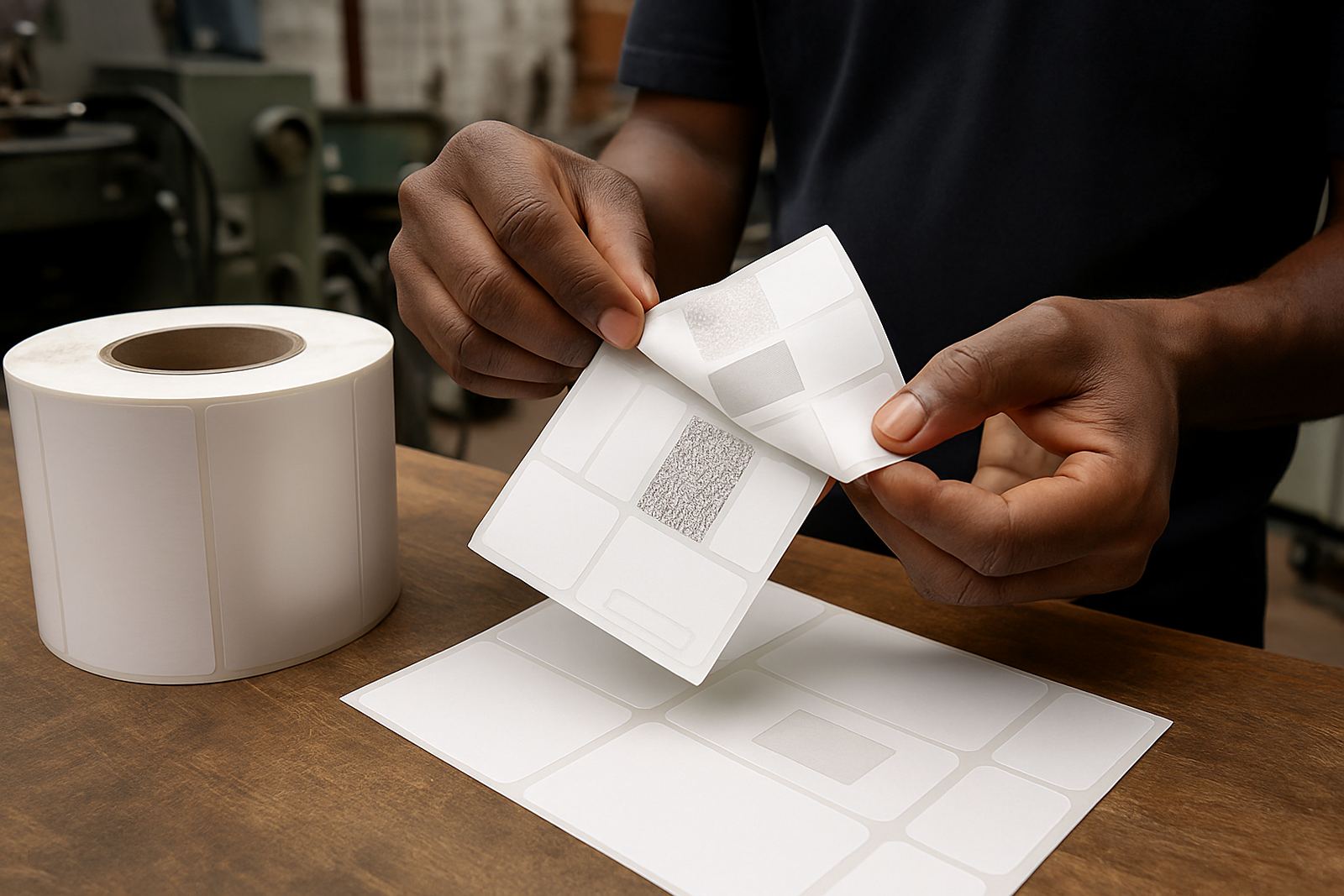
Security inks are used where packaging must do more than look good. They can add a visible or verification feature that helps spot tampering, counterfeits or unauthorised rework. For some applications the aim is quick visual checking, while for others it is a controlled pattern or code that supports internal inspection.
The right choice depends on how the pack is handled, who checks it and whether the feature must be seen in daylight, under UV or during a production audit. We also look at how the feature fits into the artwork so it supports the pack without upsetting the rest of the print run.
- Consider who will verify the pack, and at what point in the supply chain.
- Decide whether the feature must be visible to consumers or only to inspectors.
- Match the security layer to the line speed and substrate finish.
Testing Before Full Run: What to Check on Press
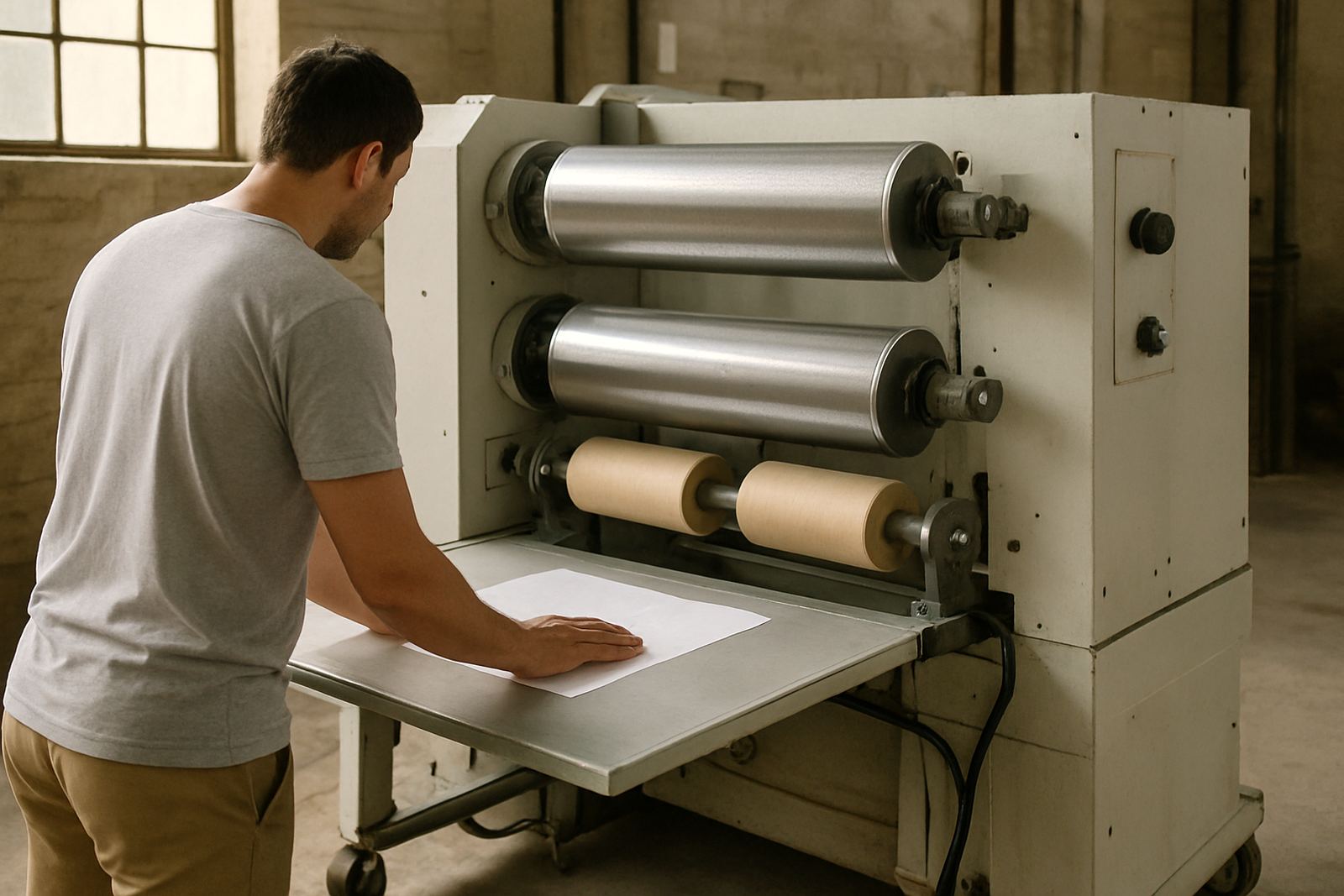
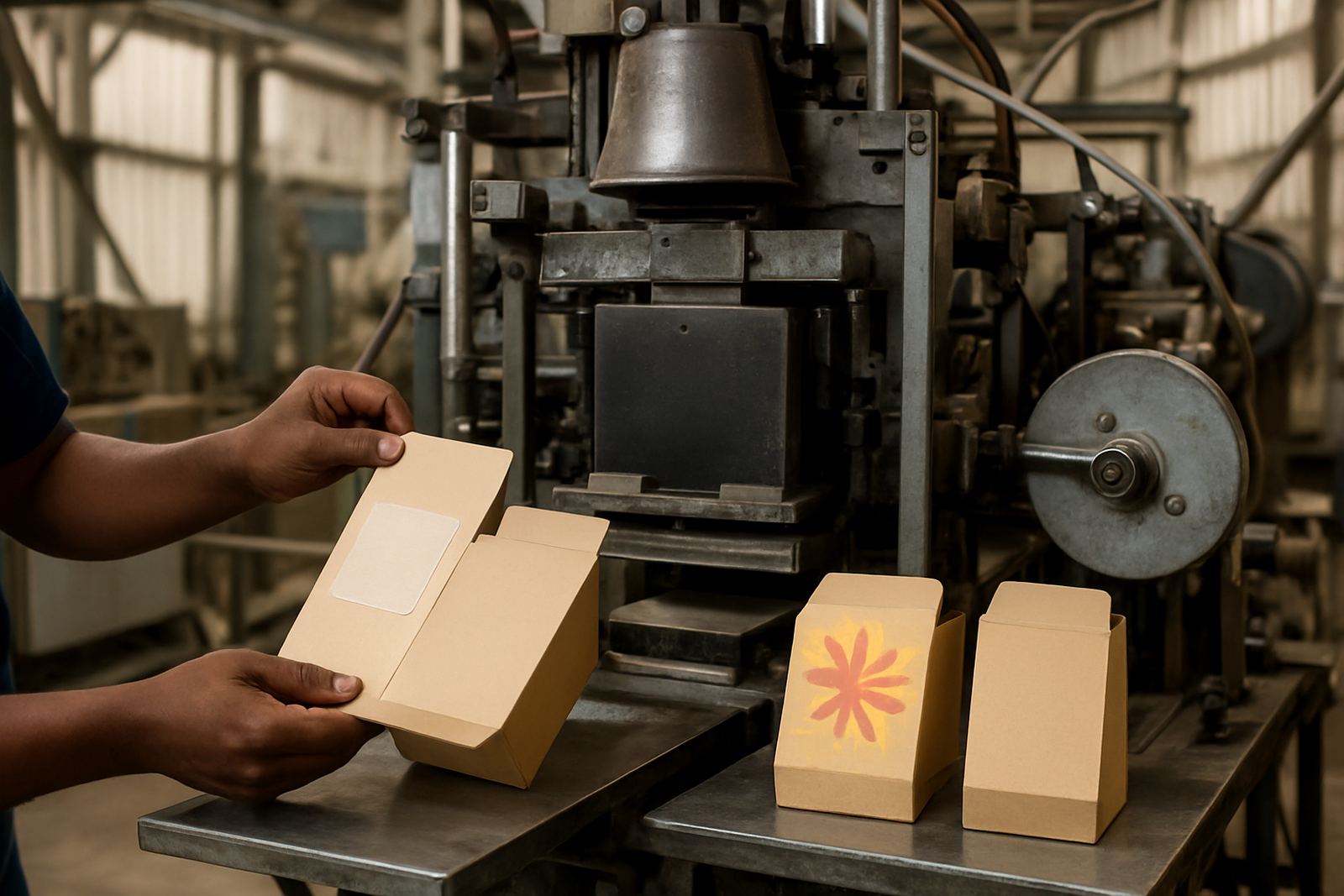
A good guide should help you avoid costly surprises on press. Before a full run, test the ink on the chosen substrate and under the same drying, curing and handling conditions you will use in production. This is especially important for converters running mixed jobs, short lead times or high volumes.
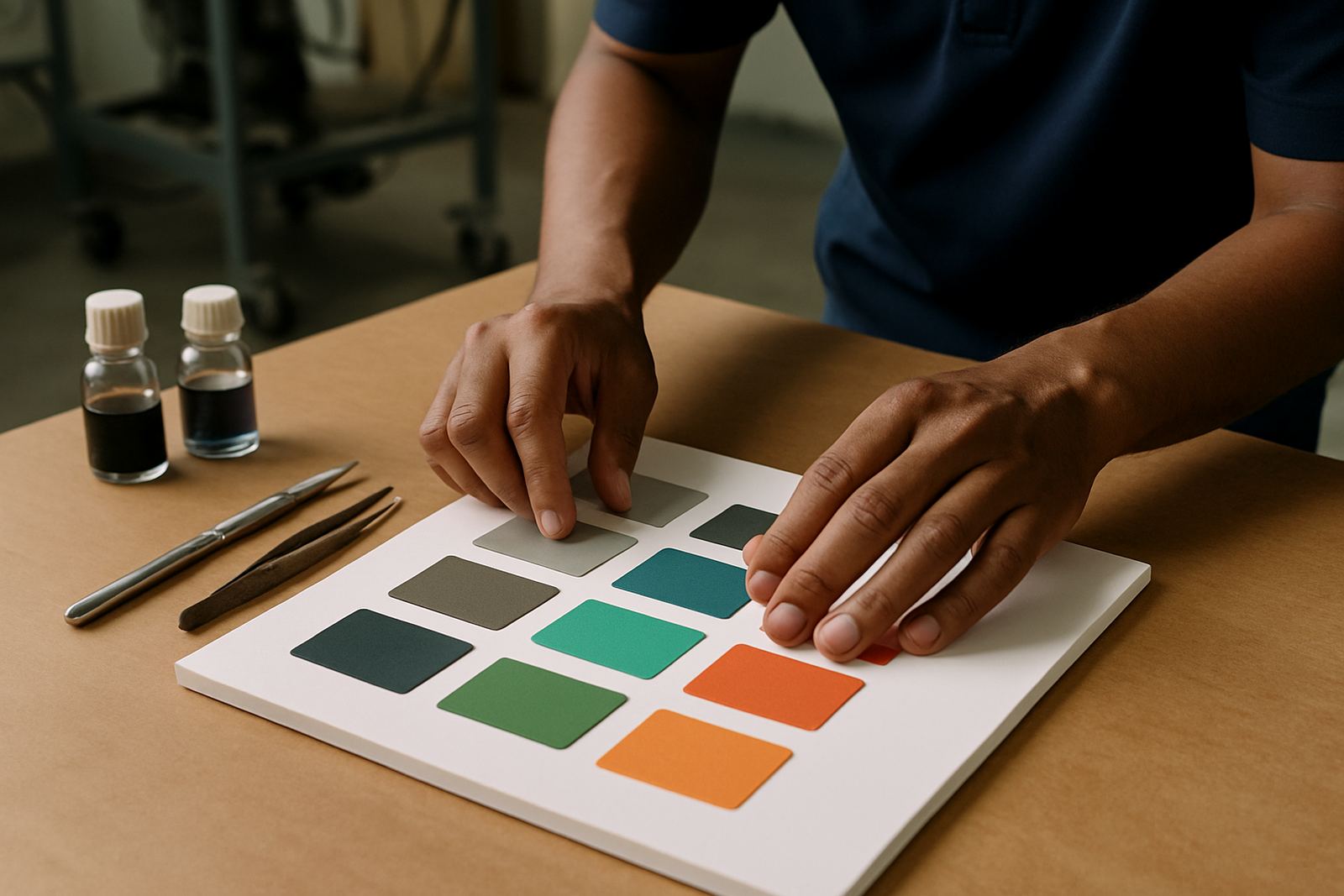
Our testing support includes drawdown panels, trial batch making, threshold tuning and press startup support. We also keep batch retain records so repeat orders can be compared against the approved sample. That gives your team a clear reference if the job comes back months later.
- Check adhesion before you move into long runs.
- Confirm rub resistance after the ink has fully dried or cured.
- Set up UV verification where the security feature must be inspected on line.
Substrate and Coating Compatibility for Real Production Conditions
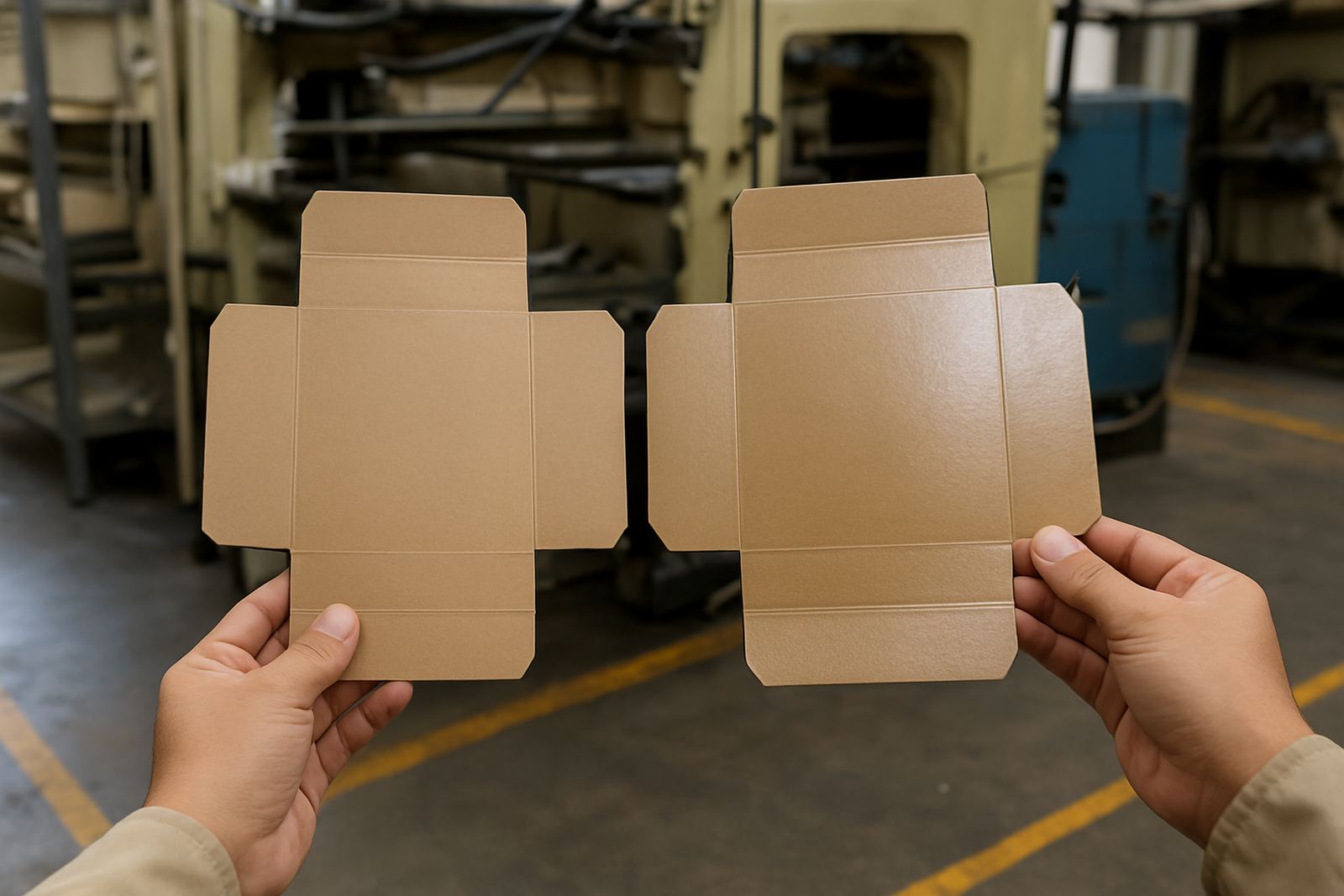
Packaging in South Africa can face heat, humidity, stacking pressure and courier handling, so substrate choice matters. Paperboard, coated board, shrink film and laminated surfaces can all behave differently. A guide should help you decide whether the ink will sit well on the surface or need extra preparation.
We work through coating compatibility, surface energy and the practical fit with your print method. If a pack is going into coastal retail, inland warehousing or export carton handling, the finish may need different treatment than a short local run.
- Test on the final coating, not only on a sample board.
- Allow for moisture, storage and transport conditions after print.
- Review drying time and stacking limits before dispatch.
Supply and Support from Jacobs to Converters Nationwide
ThermoInk is based in Jacobs, Durban and supplies packaging converters across South Africa, including Durban South, Pinetown, Prospecton, Cape Town, Gqeberha, Johannesburg and Pretoria. Our team handles colour matching, rub resistance checks, production troubleshooting and security pattern design, so the guide you choose links directly to the support you need.
If you are quoting a new pack, changing substrate or solving a recurring press issue, use the guide index to find the right starting point. Then send an enquiry through the contact page and we can help you narrow the spec, plan the trial and move toward production with less back and forth.
- Use the guide index to compare options before your next sample request.
- Ask for support on press setup, compatibility or repeat batch control.
- Choose the route that fits your product, your line and your supply chain.