Start With the temperature range, not the artwork
Before any ink is mixed, define the temperature point that matters to the product. Chilled dairy, seafood, pharmaceuticals and some adhesives all behave differently, so the trigger is not the same for every pack. For a cold chain pack, you may want a clear change just above 4 °C, while a heat warning on a fill line may only need to signal when cartons, pouches or labels have been exposed to higher ambient conditions during transit in Durban or inland summer runs to Gauteng.
Work from the product spec first, then decide what the pack must show at a glance. If the cue is too early, you get false alarms. If it is too late, the indicator loses value. A good starting point is to agree the actual use case, the storage window, the expected shelf life and where the pack will be handled most often, whether that is a cold room in Jacobs, a loading bay in Pinetown, or a distributor warehouse in Pretoria.
- Confirm the target temperature and tolerance band
- Note whether the cue must show cold exposure, heat exposure or both
- Check where the pack will be stored, stacked and transported
- Allow for coastal humidity and inland heat during delivery
Choose the cue style that suits the pack line
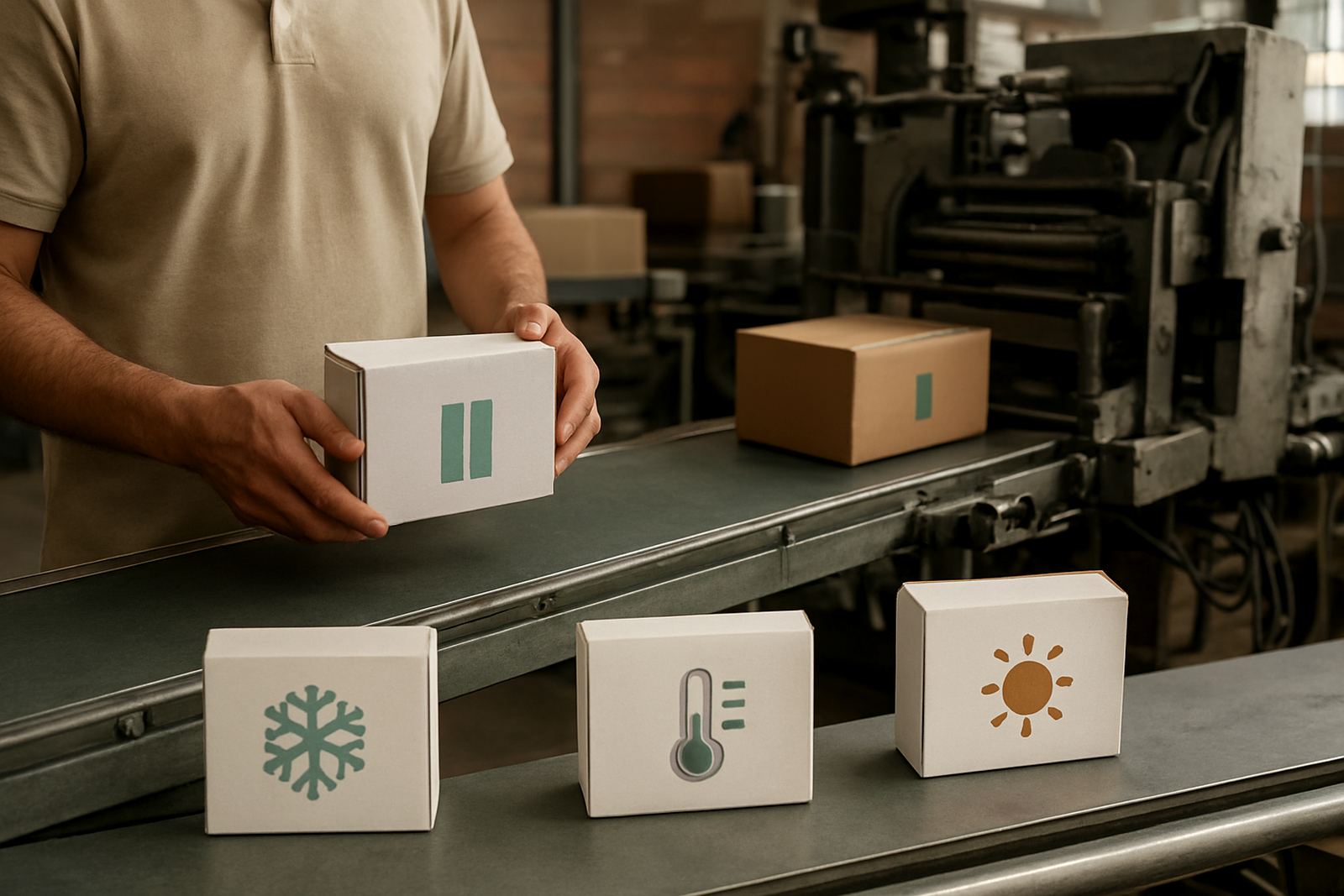
Thermochromic packaging cues can be set up as a simple reveal, a gradual fade or a more precise change in shade. The right choice depends on how fast you need the signal and how much print space you have. Small carton faces, sachets and shrink sleeves often need compact indicators, while larger labels can carry a clearer warning area and supporting text.
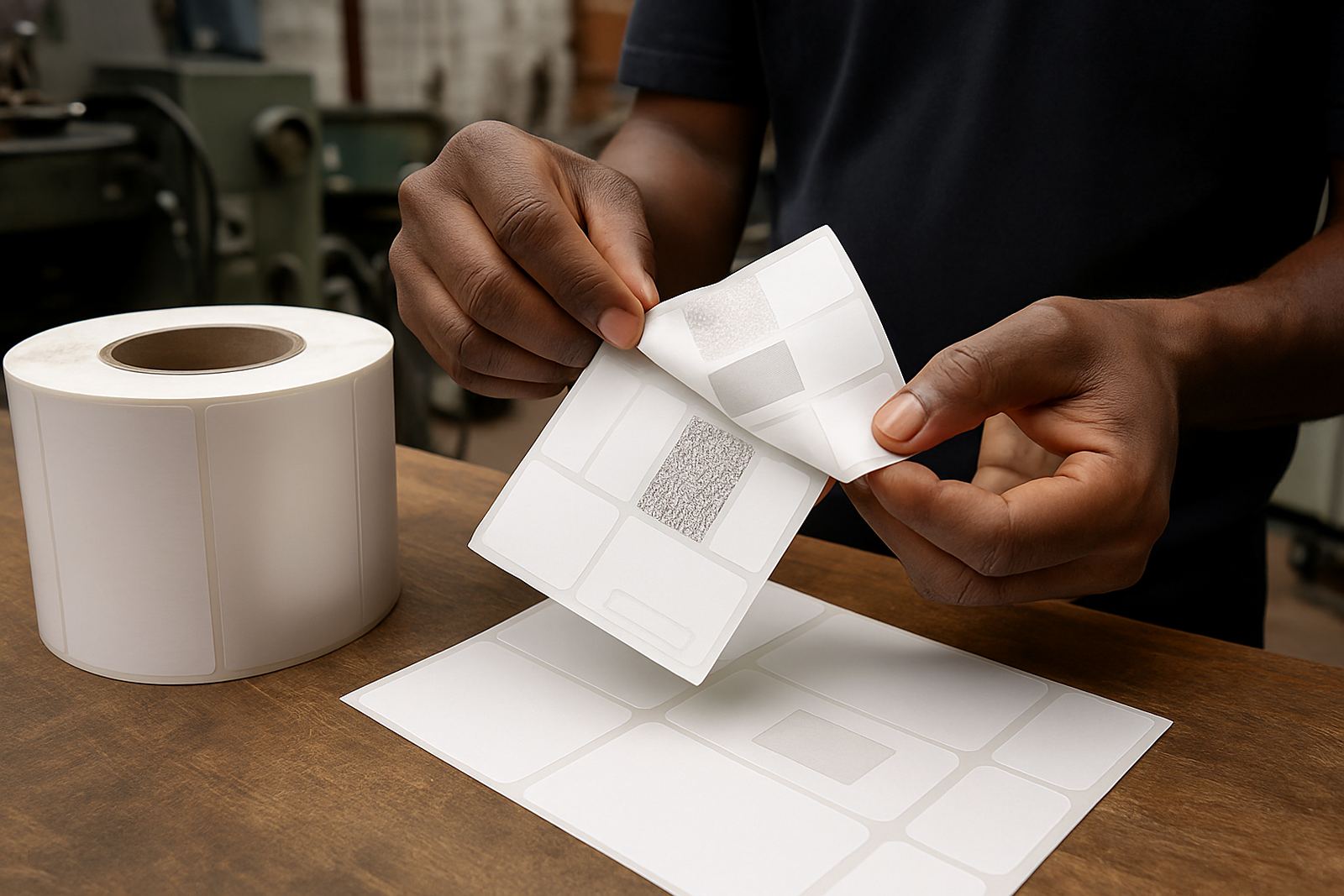
For converters, the key point is how the cue behaves on the actual substrate. Paperboard, film and coated materials will not all hold the same film build or colour strength. Adhesion, surface energy and drying all matter. A cue that looks sharp on a smooth test sheet may behave differently on a textured carton or a flexible pouch that gets folded, rubbed and packed in tight sleeves.
- Match the cue to the pack size and viewing distance
- Check if the indicator must be obvious or discreet
- Consider the amount of handling the pack will get
- Plan for overprinting, varnish or lamination where needed
In many cases, a simple change in colour is easier for warehouse staff to read than a printed instruction. For end users, the visual cue should be quick to understand even under harsh light in a delivery van or during an early morning receiving shift.
Set up the press and substrate tests before production
Temperature cue inks need proper setup before a full run. Start with drawdowns to confirm the colour shift, then move to trial batches and press startup support so the final print behaves the same way line after line. A clean test on a sample sheet is not enough if the real job will run on a different board, a different coating, or in a plant with higher humidity.
Our practical checks include adhesion tests, rub resistance checks and coating compatibility checks. Those tests tell you whether the cue will hold through transport, stacking and the usual handling around folding, sealing and dispatch. If the pack is going to face coastal damp in Durban or long-distance freight from the coast to inland depots, that needs to be part of the test plan. One missed issue at this stage can lead to wasted stock and unnecessary returns.
- Do a drawdown panel and confirm the visible change point
- Run an adhesion test on the actual substrate
- Check rub resistance after drying and after curing
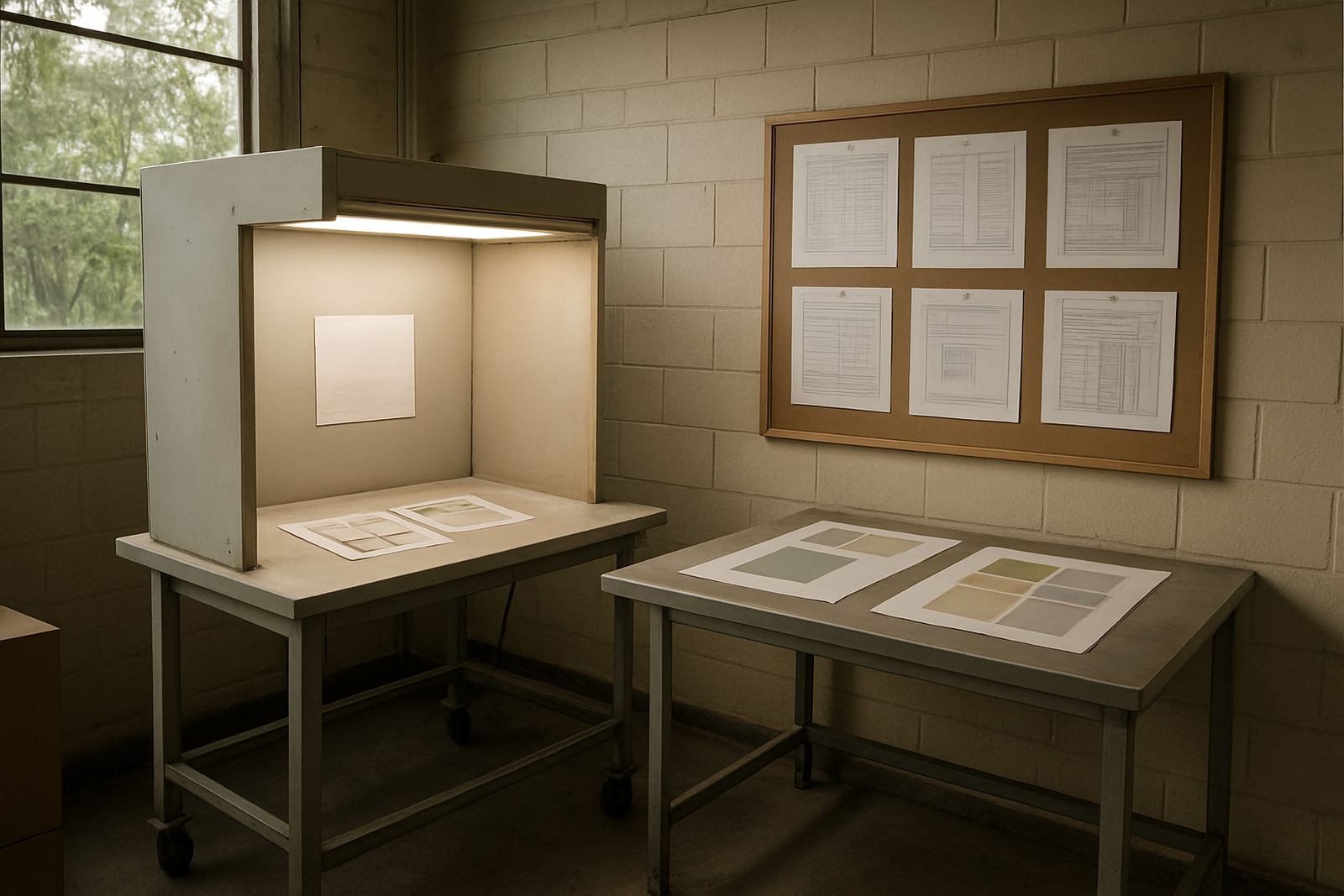
- Verify the cue under the lighting used on the factory floor
- Keep a retain sample from each approved batch
For multi-site converters, it helps to document the approved settings clearly. That way the same cue can be repeated at Jacobs, Prospecton, Pinetown or any other production site without guesswork.
Use the cue as a handling instruction, not just a warning
A temperature change indicator works best when it supports a clear action. The pack should tell the handler what to do next. That might mean moving stock back to chilled storage, isolating a suspect batch, or sending a carton for inspection before it reaches retail shelves. Without that follow-up step, the visual cue can be ignored after the first glance.
Keep the message short and practical. The colour cue should sit with plain wording, batch codes and any required compliance text. On a busy loading dock, people do not have time to interpret a long note. If the pack is used in regulated supply chains, make sure the cue does not conflict with the customer’s own storage rules or municipal by-laws for waste, labelling and product handling.
- State the action needed when the cue changes
- Place the indicator where it can be seen during receiving
- Keep supporting text short and direct
- Make sure the cue does not hide batch information or barcodes
It also helps to train warehouse teams and line staff. A cue is only useful if the same meaning is understood in Jacobs, in the Cape Town supply route and at the final delivery point in Johannesburg or Gqeberha.
Build a verification routine for every batch
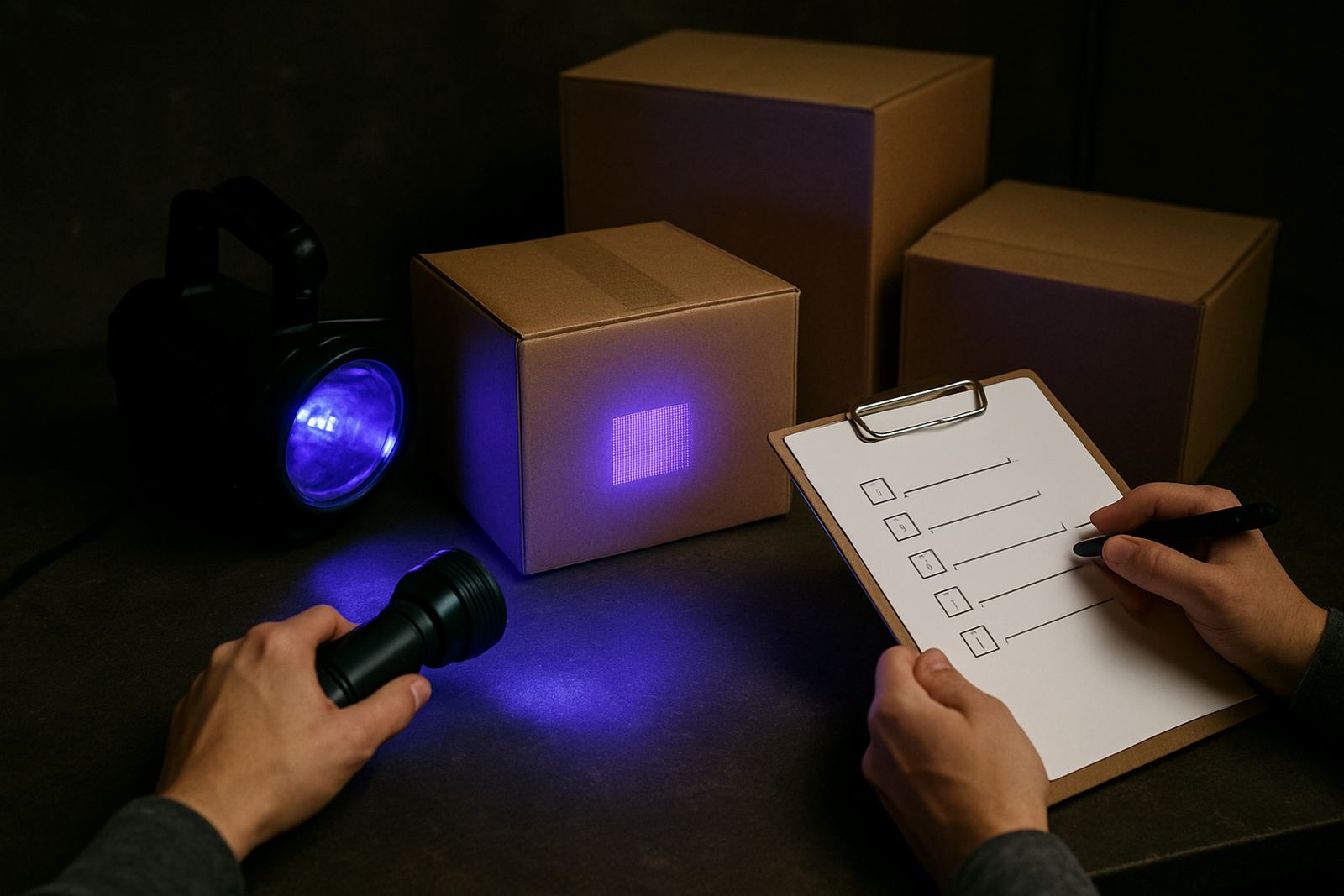
Once the job is approved, keep a repeatable verification routine. Temperature cue inks should be checked against retained standards so each new batch stays within the agreed threshold. This is where batch retain libraries, UV verification setups and production troubleshooting all matter. If the cue shifts too early or too late, the pack can fail its purpose even when the print looks neat.
A simple routine works well. Record the mix, the substrate, the drying condition and the observed change point. If anything changes in the supply chain, such as a new board supplier or a revised coating, test again before full release. South African production often runs with power interruptions and short turnaround times, so having a reliable record is useful when you need to restart after load-shedding or reschedule a run.
- Keep the approved colour standard on file
- Retain one sample from each run for comparison
- Log any change in substrate, coating or press condition
- Repeat verification after maintenance or stoppages
For security-sensitive packs, the same workflow can also include security pattern design, so the temperature cue and authentication layer work together rather than competing for space.
Plan distribution for coast, heat and cold storage changes
Packaging with temperature cues should be planned for the route, not only the factory floor. A cold product may pass through chillers, staging bays and hot delivery trucks in the same day. A heat-sensitive item may sit near dock doors or in a courier cage where conditions change quickly. That means the cue must remain stable until the right threshold is reached, then change in a way that is easy to spot.
For nationwide delivery from Durban, think through the route to each province. Coastal humidity can affect drying and adhesion, while inland heat can put pressure on storage consistency. If a pack is moved through different warehouses or cross-dock points, the cue should still read clearly after each transfer. This is especially important for converters supplying customer sites with tight dispatch windows and municipal waste handling requirements.
Before release, ask three questions: will the cue still be visible after transport, will it still trigger at the agreed temperature, and will the receiving team know what action to take. If the answer is yes, the pack is ready for practical use.
Quick checklist before sign-off
Use this list before you approve a job for production. It keeps the setup practical and avoids rework later.
- Temperature trigger confirmed and written down
- Substrate and coating tested together
- Colour shift visible under working light
- Rub and adhesion results accepted
- Retain sample stored safely
- Receiving instructions printed clearly
- Batch codes and barcodes still readable
If any item fails, stop and correct it before the next run. A small adjustment in threshold, drying or coating can make the difference between a useful cue and a costly complaint.