Start with the risk your label must stop
Before you choose any security feature, decide what problem you are trying to solve. A carton seal for a food pack in Durban needs different protection from a premium cosmetics label sent through Johannesburg and Cape Town distributors. Start by mapping the risk: product switching, copy labels, opened packs, diverted stock, or temperature abuse during transport.
For most packaging lines, the label should carry at least one visible feature and one hidden feature. That gives retail staff a quick check at receiving and gives quality teams a stronger verification method when stock is questioned. If the product is sensitive to heat or cold, a thermochromic cue can also act as a handling indicator, showing whether the pack has been exposed beyond a set threshold.
At this stage, keep the design practical. A feature that is too fine to print cleanly, or too hard to check under normal store conditions, usually becomes a cost without much value. The aim is to make the label easy to inspect but difficult to copy, not to complicate the pack for the sake of it.
Choose visible cues that staff can check in seconds
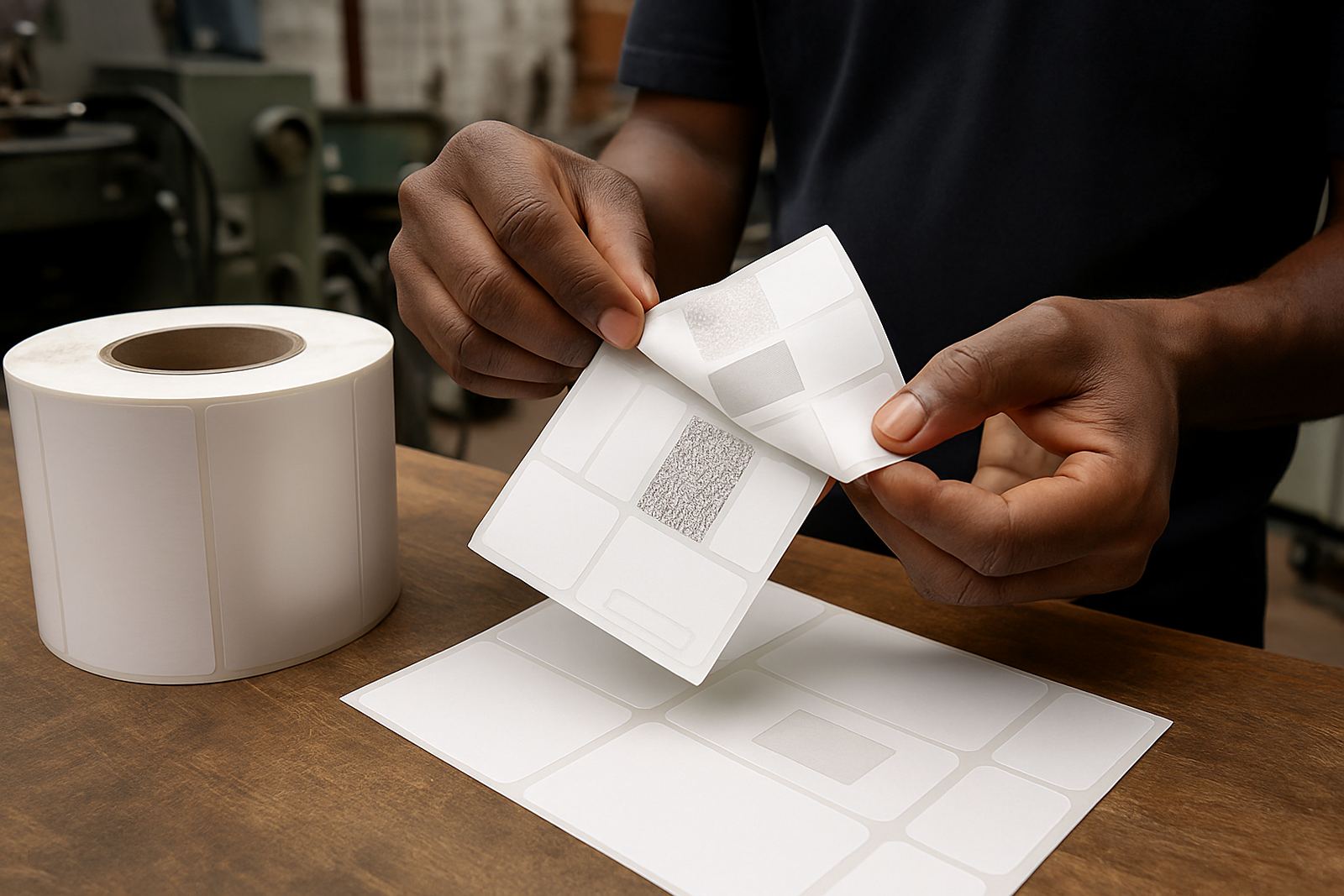
Visible security features work best when a cashier, store room supervisor or receiving clerk can confirm them quickly. Colour shift areas, hidden text revealed by angle, and thermochromic patches are useful because they create a simple yes or no check. If the pack changes colour at a chosen temperature, staff can see at once whether the item has been through the right handling range.
For distribution checks, keep the cue position consistent. Put it on a known corner of the label, or close to the seal line, so teams know exactly where to look. In a busy receiving bay, nobody has time to search across a full pack for a tiny mark. Small, repeatable placement helps reduce mistakes.
- Use a clear colour change point that matches your product handling range
- Place the cue where staff can see it without opening the pack
- Test the mark under store lighting, not only in the lab
- Check that the feature still reads after flexing, rubbing and pallet movement
If you are using a temperature cue, make sure the threshold is set around the real supply chain, not a theoretical one. A chilled item moving through KwaZulu-Natal in summer may need a different point than a dry product stored in a cool warehouse.
Add hidden checks for retail and distribution control
Hidden features are there for verification when a pack needs deeper checking. These can include UV active marks, coded patterns, fine line structures or security inks that are difficult to copy with standard print methods. They are useful for audits, complaints, and returned stock where the team needs stronger proof than a visible colour cue alone.
For South African packaging lines, hidden marks should still be easy to use. If a warehouse in Pinetown or a distribution centre in Gauteng cannot confirm a feature with simple inspection tools, the system will not get used often enough. Keep the verification steps short and teachable, with a clear reference sample held in the batch retain library.
- Use one hidden feature for routine checks and one for escalation
- Store an approved reference sample from each production run
- Record the inspection method used for every batch
- Keep the verification tool simple enough for the receiving team
Where possible, link the hidden feature to a printed code or batch mark so your team can trace the pack back to production records. That makes follow up much easier when an issue is picked up in a store or during transport. A good control system saves time later and reduces arguments about whether a pack is genuine or not.
Build security into the print and coating process
Security features only work if they bond properly to the label structure and survive the run. Adhesion on paper, film and coated stocks can vary a lot, especially in coastal humidity. Before full production, run coating compatibility checks and rub resistance checks so the mark does not smear, flake or fade during packing and transport.
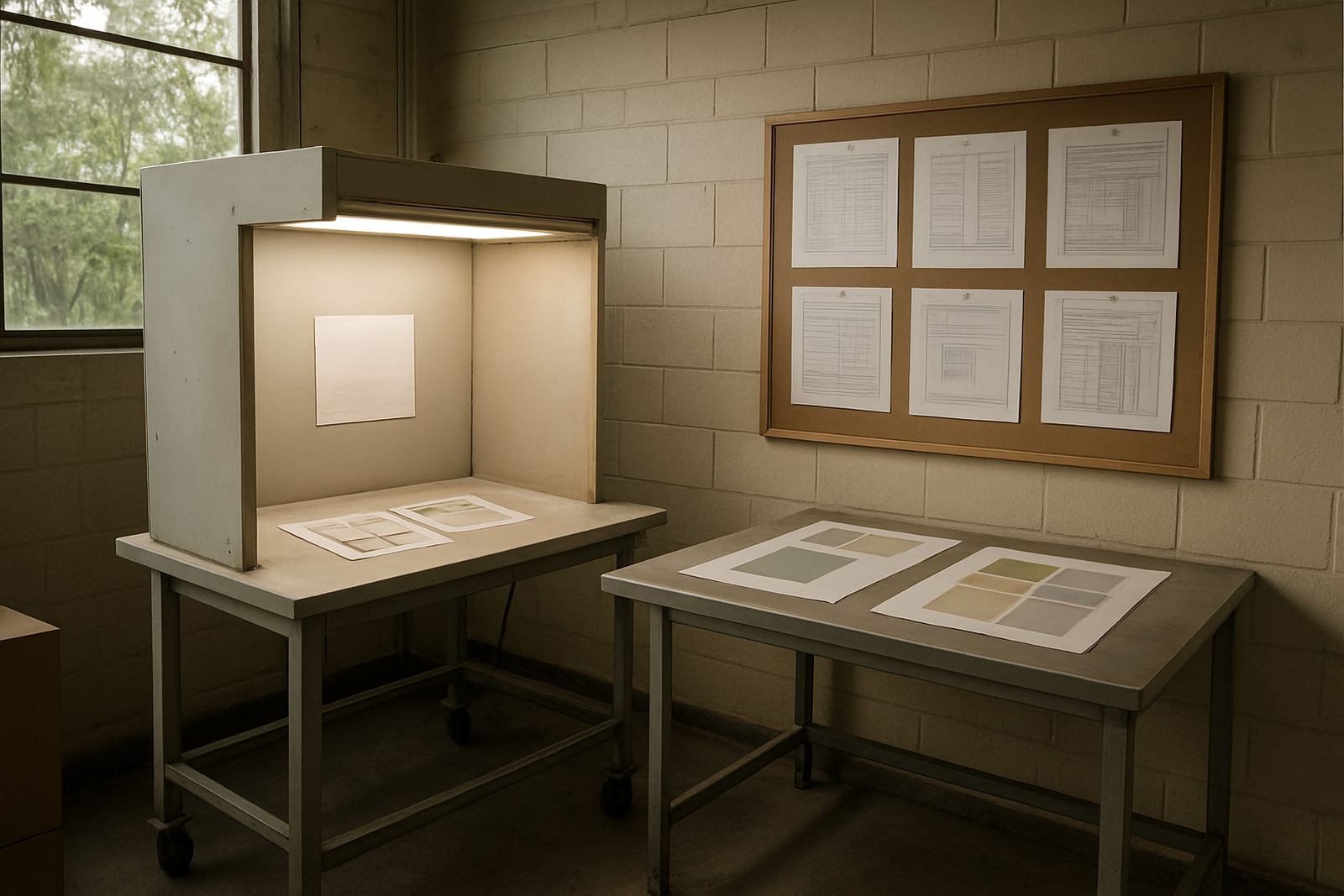
Production teams should also check press startup samples before the job runs long. That is where threshold tuning, drawdown panels and trial batch making help. If the colour shift is too strong, too weak, or changes at the wrong point, fix it before the line fills with off-spec work. It saves waste and avoids the headache of sorting through cartons later.
On warmer sites, especially near Durban and the coast, labels can pick up moisture and lose consistency if the coating system is not matched to the substrate. The same applies when packs move between cold rooms and ambient storage. A label that looks fine in the morning can behave very differently by the afternoon if the ink system has not been set up correctly.
Set a simple check routine for receiving and returns
A label security system should come with a practical inspection routine. If you make the steps too long, people will skip them. A basic receiving check should take less than a minute per case and should tell the team whether the pack is acceptable, suspect, or needs escalation.
Keep the routine printed on one page and train staff on the same sequence every time. First check the visible cue, then confirm the batch or code, then inspect the hidden mark if there is any doubt. For returned stock, add a compare step against the retained reference sample. That gives the team a clean process instead of guessing.
- Check the visible feature first
- Confirm the printed batch or trace code
- Inspect the hidden mark only when needed
- Compare doubtful stock against a retained sample
- Log any failures with date, site and carton count
If a pack fails the check, hold it aside immediately and do not rework it back into general stock until the cause is understood. That simple rule prevents mix-ups and keeps the audit trail clean. It also helps if municipal or customer inspections ask for proof of control later on.
Use test panels before you launch a full run
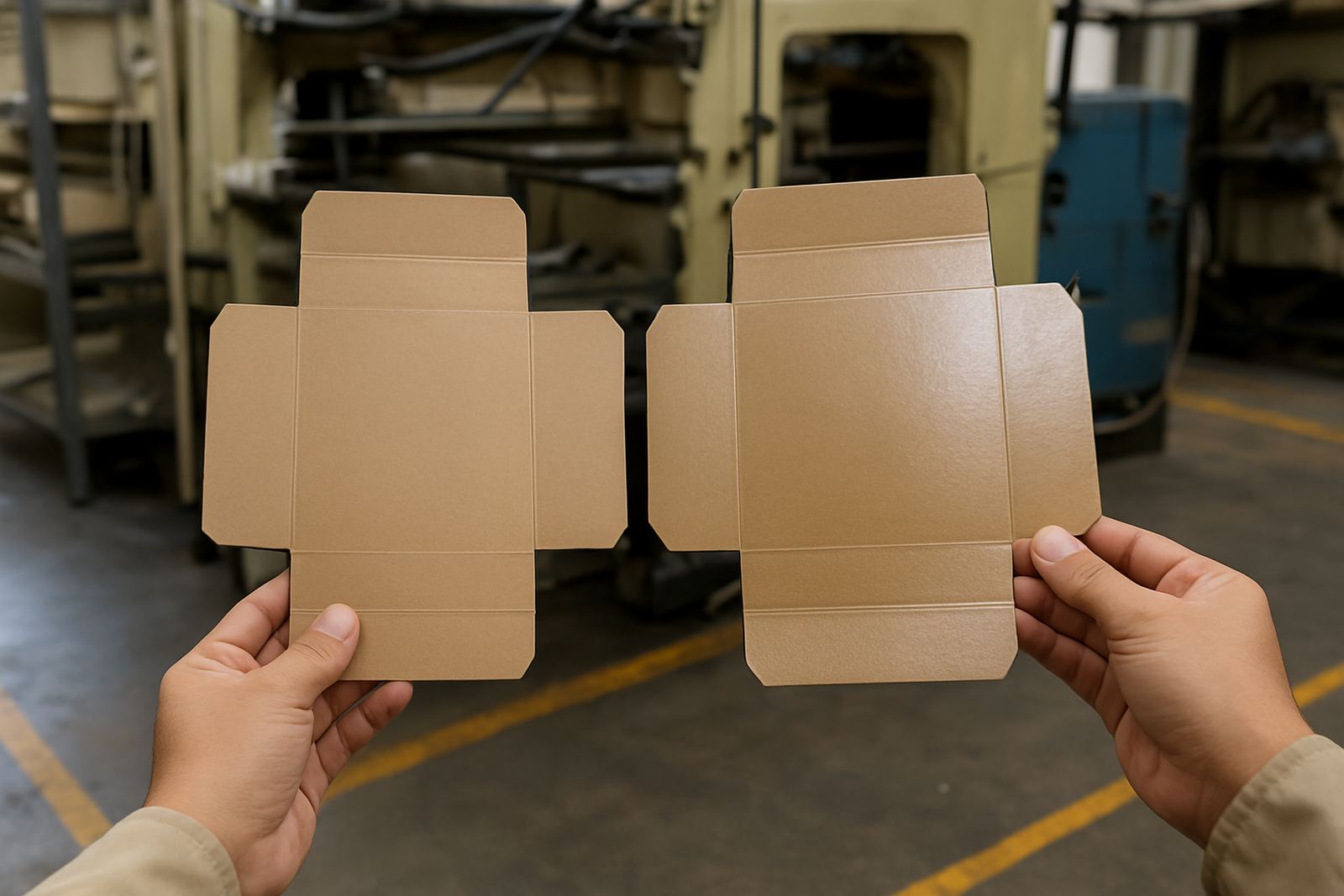
Never launch a security label into full production without testing it on real packs. Trial batch making and press startup support should cover the actual material, glue, coating and handling method used on the line. A feature that works on a sample sheet may fail once it is folded, applied or stacked in pallets.
Test panels are useful because they show how the feature behaves after rubbing, light exposure and temperature change. They also help your team agree on what a pass looks like before the first cartons leave the factory. If the pack travels nationwide, from Jacobs to Cape Town or Pretoria, the label needs to hold up for the whole route, not just the first stage.
When in doubt, keep the design slightly simpler and make the inspection method stronger. A security system is only useful if the people using it can trust it every day. That means fewer false alarms, clearer reference samples and good production records from the start.
Keep records, samples and support in one place
Good label security depends on records as much as print. Keep a batch retain library with approved samples, test results, threshold settings and any notes from production troubleshooting. That way, if a distributor questions a pack months later, your team can compare it with the original standard without wasting time.
It also helps to keep the security pattern design, colour matching notes and coating compatibility results together. When a product changes substrate or moves to a new pack format, the old settings may no longer be right. A controlled file makes it easier to update the system without losing the original reference. In practice, that saves both time and money, especially when production is running tight.
For teams supplying packaging converters nationwide, a proper record set also helps support different sites with the same standard. The more consistent your records, the easier it is to reproduce the label on the next run and keep the security checks meaningful across all branches and areas.