Start With the Pack and the Press Date
Work back from your planned print date, not from the day the order gets signed off. For converters in Durban, Johannesburg, Cape Town, Gqeberha and Pretoria, the safest approach is to confirm the pack size, substrate, print method and any special handling before you place the order. Thermochromic and security inks are not one-size-fits-all products, so the more detail we get, the fewer delays later.
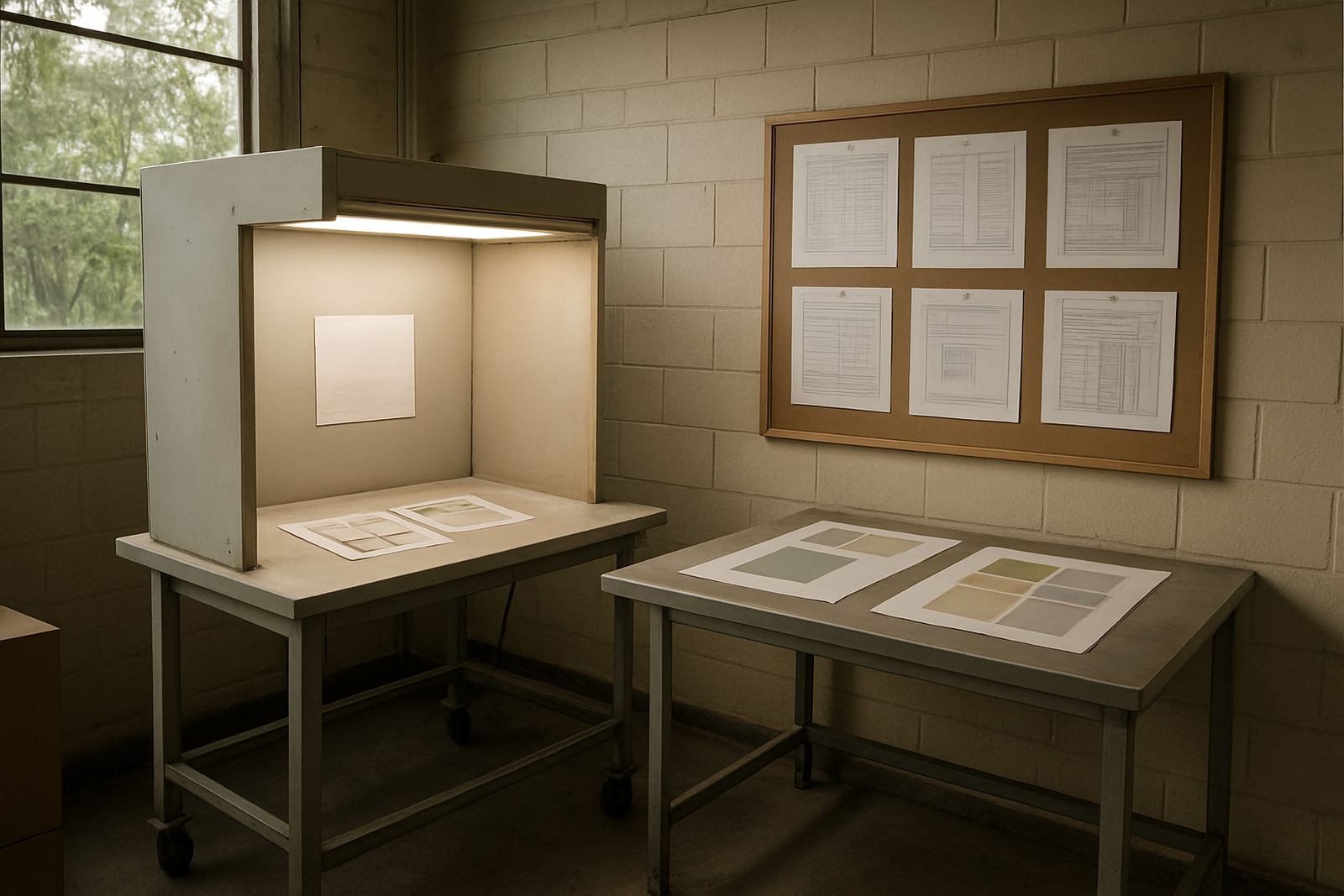
For a standard repeat job, allow time for colour matching, drawdown panels and adhesion checks. For a new pack, add time for threshold tuning, rub resistance checks and press startup support. If your line runs multiple SKUs, factor in the extra time needed for batch retain records and security pattern approval. A small change in carton coating or film grade can shift performance more than many teams expect.
- Confirm substrate type and coating before ordering
- Share target print date and dispatch date separately
- Send artwork, pack size and expected run speed
- Flag any food contact, cold chain or outdoor storage needs
Stock Levels That Match Real Factory Conditions
Stock planning should reflect your actual consumption, not just your average monthly order. In Jacobs and Prospecton, many converters carry a working buffer because weather, power interruptions and municipal delays can interrupt production at short notice. In winter, coastal humidity can also affect drying times and inkwell stability, so a little extra planning saves a lot of rework.
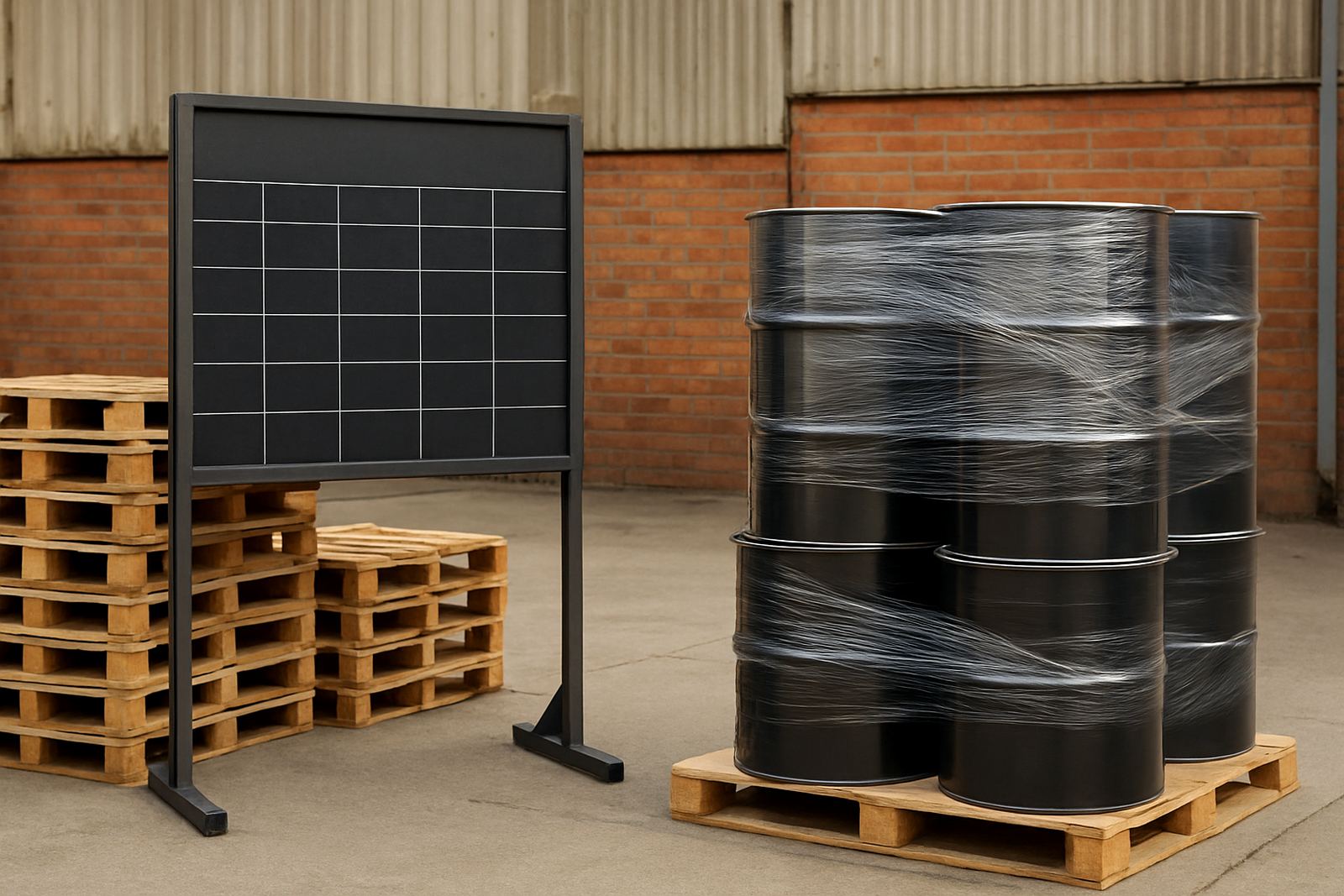
ThermoInk supports batch retain libraries, which helps your team compare live production against a previous approved sample. That is useful when a pack returns after several months or when a customer asks for a near-identical repeat. If you store ink on site, keep it in a clean, dry area away from direct sun and floor moisture. Use first-in first-out stock rotation and label every drum clearly with batch details and opening date.
- Keep one approved production batch and one safety buffer if volumes justify it
- Separate fast-moving items from trial materials
- Store containers sealed when not in use
- Record opening date, batch number and line used
- Check stock condition after any long load-shedding cycle
Lead Times for Trials, Approvals and Repeat Orders
Lead times change depending on whether you need a repeat supply or a fresh development. Repeat orders are quicker when the substrate, print method and cure conditions are unchanged. New work needs more room for testing because the ink has to suit the coating, press speed and the final pack use. If the pack carries a temperature cue or a security element, the approval cycle should include both visual and technical checks.
As a practical rule, build in extra time when your job crosses provincial lines or when the order must reach converters through more than one site. A run headed to Cape Town or Gqeberha may need a different dispatch window than one going to Pinetown or Johannesburg, especially if the client needs split deliveries. During peak season, it helps to book the trial batch before the final artwork sign-off so no time is lost waiting for materials.
- Repeat jobs: allow time for stock release and dispatch confirmation
- New development: allow time for drawdowns, trials and approval
- Complex security work: add time for pattern design and verification setup
- Split-site supply: confirm quantities per delivery point before production
What to Prepare Before You Send an Enquiry
The quickest way to avoid back-and-forth is to send complete job details from the start. Our technical team can move faster when the enquiry includes the pack type, intended use and the line conditions. Shaun October handles technical sales, while Nomfundo Khumalo leads colour work and Pieter van Wyk handles security ink requirements, so the right information reaches the right person sooner.
Include the basics below before you submit the form on the contact page. It helps with colour matching, coating compatibility and any production troubleshooting if the job hits a snag. If your plant in Durban South or Pinetown is dealing with unstable power, note whether you need startup support after a shutdown. That one detail can change the advice quite a bit.
- Pack format, substrate and coating type
- Target effect, colour cue or security function
- Expected line speed and cure method
- Annual or monthly usage estimate
- Preferred delivery town and branch area
- Any prior issues with adhesion, rub or UV performance
Dispatch Planning for Jacobs and Nationwide Deliveries
Dispatch works best when production, packing and transport are linked in one plan. For Jacobs supply runs, collections can move quickly when release notes and batch details are ready. For national deliveries, Jason Pillay coordinates logistics so converters in Pretoria, Johannesburg, Cape Town, Gqeberha and other centres get the correct load the first time. Accurate labels and sealed containers matter, especially when the destination has strict receiving procedures.
If your site is in an industrial area with municipal access rules, gate times or truck restrictions, tell us early. Some parks in Durban and surrounding areas have limited receiving windows, and a missed slot can push the whole schedule back. For coastal routes, allow extra protection against moisture in transit. For inland routes, heat and dust can affect handling, so packaging needs to stay secure from dispatch to offload.
- Confirm receiving hours and gate access at the destination
- Share the name of the person who will sign off goods
- Check pallet condition before loading
- Keep drums upright and sealed for transport
- Plan for split loads if different branches need separate quantities
Quality Checks That Protect the Whole Run
Before a full release, quality checks should confirm that the ink behaves as expected on the actual line. A drawdown panel is useful, but it does not replace a press trial. That is why we use adhesion tests, rub resistance checks and UV verification setups where needed. If the product has a thermochromic function, threshold tuning helps match the visual response to the right temperature range for the pack.
Do not skip the final check just because the first sample looked fine. Packaging converters know that a good result on one substrate can turn average on another. When a customer changes film supplier, board grade or coating chemistry, the outcome can shift without warning. A short test now is cheaper than rejecting a full run later and that is where our production troubleshooting support earns its place.
- Check first-off samples against the approved retain
- Inspect rub, wipe and handling performance
- Confirm the colour change point if the pack is temperature sensitive
- Verify security visibility under the agreed light conditions
A Simple Supply Checklist for Every Order
Use the same checklist every time and your supply process gets easier to manage. It helps procurement, production and stores stay aligned, even when the week is busy. Keep the list with your job card and update it after each repeat run, especially if there was a supply issue, a change in substrate or a shift in dispatch timing.
ThermoInk was founded in 2008 and works from Jacobs in Durban with supply support for converters across South Africa. Whether your operation is a single line or several plants, the goal is the same: the right product, at the right time, in the right condition. A clear supply plan keeps your packaging work moving without avoidable holds.
- Job card complete
- Artwork and approval signed off
- Substrate confirmed
- Stock quantity checked
- Batch retain reference noted
- Dispatch address and contact confirmed
- Receiving window checked
- Storage area ready on arrival