1. Start with the exact job reference and pack details
The quickest way to keep a repeat order on track is to match the new request to the last approved job. Send the job reference, product name, pack size, substrate type and the print method used on the previous run. If the job changed since last time, note what changed and when. That includes a new film supplier, a different carton board, a revised varnish, or a change in pasteurisation or cold-chain handling if the packaging carries temperature-sensitive product.
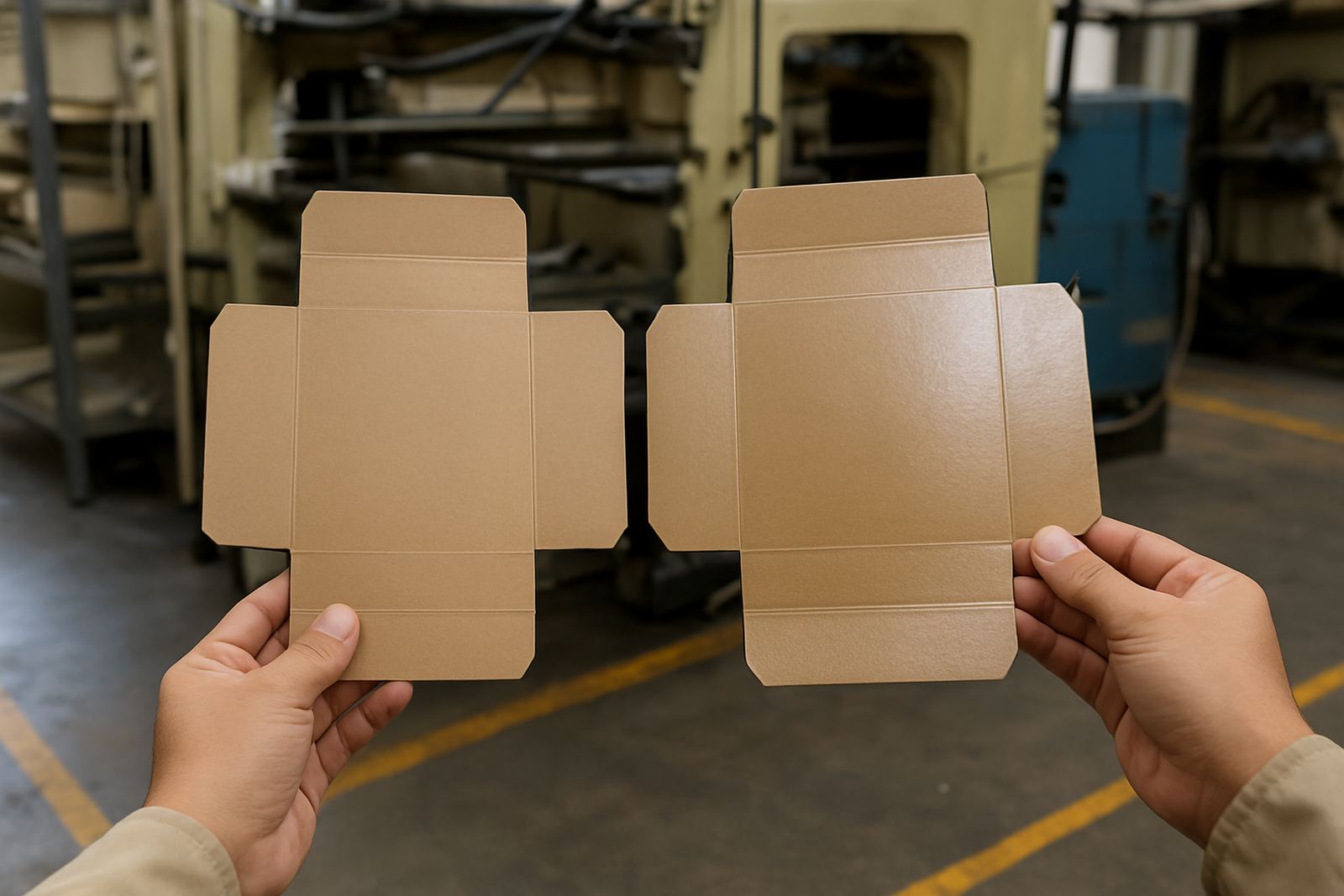
For repeat work we also need the basics that are easy to miss. Confirm roll width or sheet size, print direction, panel layout, and whether the artwork is for one SKU or a family of packs. If your site runs in hot inland conditions or near Durban’s coastal humidity, say so because it can affect drying, handling and storage before the job reaches the press.
- Previous job number and approval date
- Substrate specification and supplier if known
- Pack size, format and print method
- Any changes since the last run
- Storage and handling conditions at your plant
2. Confirm the colour target before we mix anything
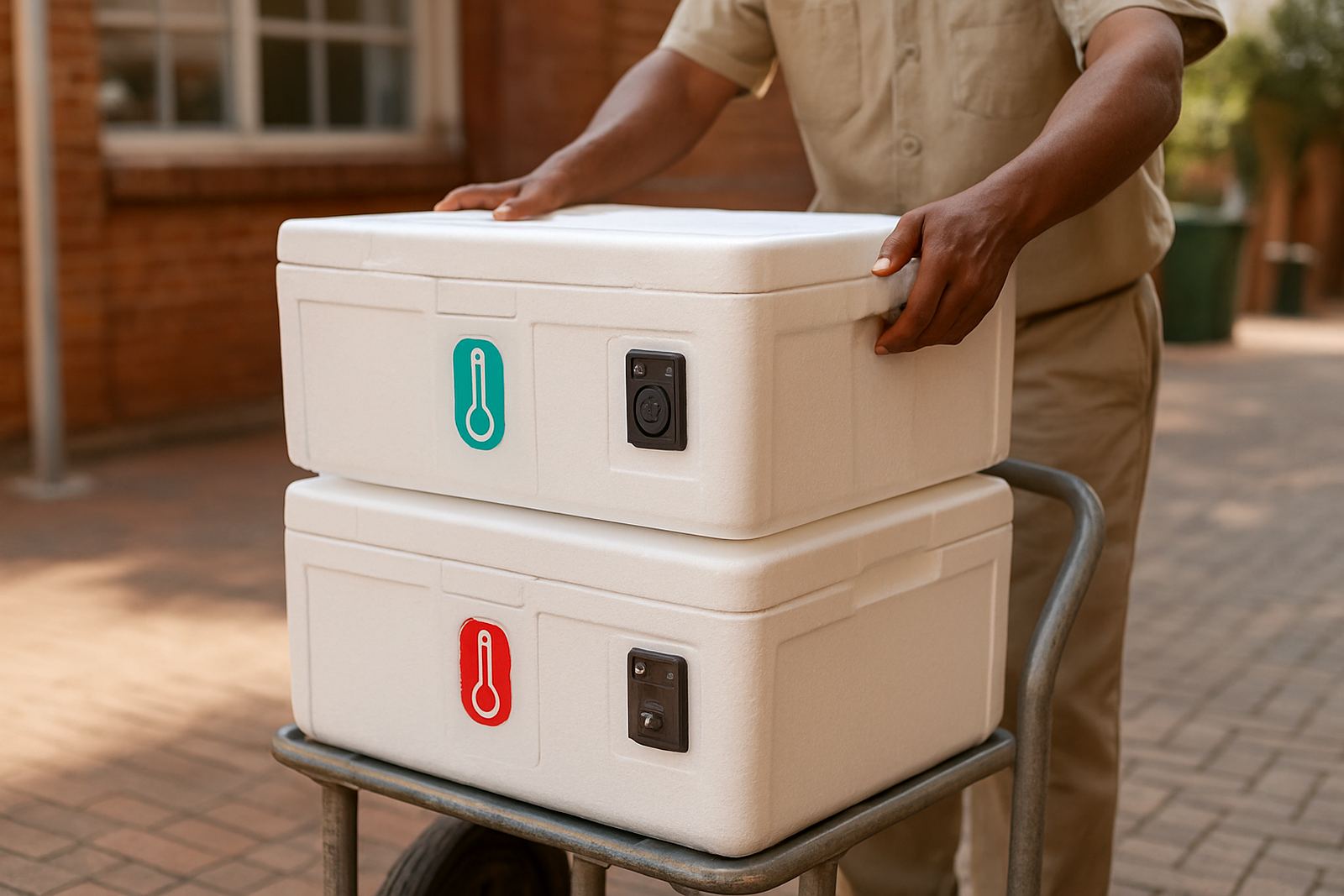
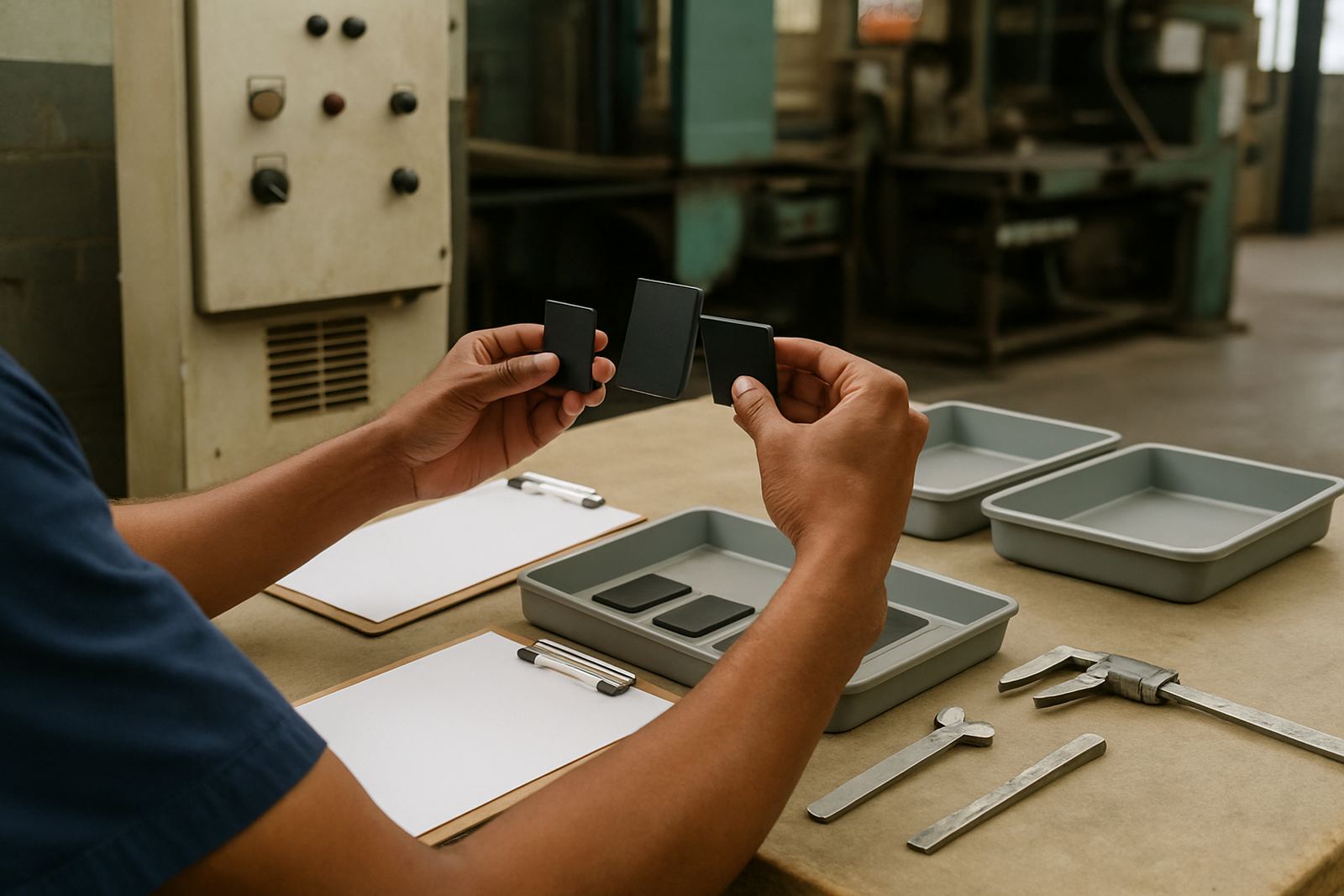
Repeat orders often drift because people rely on memory instead of a sample. Send the approved drawdown, retained sample, or the last production proof with the request. If you have a customer standard, include that as well. Where colour needs to trigger a visual temperature cue, note the activation point and what the customer expects to see at room temperature, chilled conditions or after warming.
Our colour lab can check the target against the last retained sample, run colour matching, and confirm whether the old setting still makes sense for the current substrate. If the pack was printed months ago, do not assume the same pigment loading will behave the same on a new film or board. A small change in coating or absorbency can shift the result, sometimes more than people expect.
- Approved drawdown panel or retained sample
- Target shade name or reference number
- Activation temperature or threshold range
- Gloss, transparency or opacity notes
- Acceptable variation limits if you use them
3. Share security and compliance details every time
If the repeat job includes security inks, anti-copy features or authentication marks, send the full specification each time. Security work should not rely on old memory because even a small change in placement or pattern can affect verification. Tell us whether the mark is for consumer checking, distributor inspection or internal QA. If the pack needs UV verification, state the lamp type and the viewing conditions used on your line.
For labels, sleeves and cartons moving through different provinces, it helps to note any municipal or retailer requirements that affect legibility, barcoding or traceability. Some jobs also need batch retain records for audit purposes, especially where product quality claims or serial control are involved. We can support security pattern design, UV verification setups and batch retain library control so repeat orders stay traceable.
- Security feature type and placement
- Verification method used on your line
- Any serial, batch or audit requirement
- Preferred viewing conditions for checks
- Notes on regulatory or customer-specific rules
4. Tell us how the ink behaved on the last run
Press performance matters just as much as the colour. If the last run had rubbing, poor wetting, slow set-off, misting or adhesion issues, say so clearly. Production teams can then check whether the problem came from the substrate, the coating, line speed, dryer settings or storage. A repeat order is the right time to solve the issue, not after the truck has already left Jacobs.
Useful feedback includes press speed, ambient conditions, drying time, curing method and whether the job needed any press startup support. If the previous batch behaved well, say that too. Good notes save time on setup and reduce waste on trial sheets. They also help us decide whether drawdown panels or a small trial batch are enough before full production.
- Press type and line speed from the last run
- Drying, curing or cooling conditions
- Any rub resistance or adhesion concerns
- Waste seen during startup or running
- Photos of defects if available
5. Use the repeat order checklist before release
A simple checklist keeps repeat work organised and avoids back-and-forth while the line is waiting. One person should confirm the order, another should check the technical details, and a third should sign off the final instructions. When the team is split across Johannesburg, Pretoria, Cape Town or Gqeberha, clear notes matter even more because a missed detail can hold up delivery.
Before you release the order, make sure the following is ready. If anything is missing, ask for it up front rather than after the job is in motion. That small pause usually saves a full day later.
- Job reference and current revision
- Approved colour sample or retained panel
- Security and verification notes
- Substrate, coating and compatibility details
- Delivery point and contact person for receiving
- Required quantity, split loads or partial deliveries
6. Plan the timing, delivery and storage around local conditions
Repeat orders run better when the lead time matches your own production rhythm. Share your required delivery date, any shut-down periods, and whether the material must arrive in one lot or staggered loads. In South Africa, load-shedding can affect press scheduling, so tell us if the job needs to land before a planned outage or after a night shift. If the order is going to a coastal plant, mention storage conditions because humidity can affect both ink handling and pack performance.
For converters serving multiple sites, nominate one person to receive updates and one place for approval sign-off. If the repeat job is going to Pinetown, Prospecton or further afield, keep the delivery instructions precise: gate access, receiving hours, pallet limits and any site safety rules. That way the goods arrive where they are needed, with less waiting at the gate and fewer calls to sort it out.
Good repeat orders are not about sending more paperwork. They are about sending the right details once, then keeping them steady from one run to the next.