Start with the product risk, not the ink type
Every pack does not need the same level of protection. A dry food carton moving through a short local supply chain may need a clear visual check and simple anti-tamper cue, while a chilled or high-value item may need stronger authentication and tighter traceability. Start by listing what can go wrong: counterfeiting, tampering, temperature abuse, relabelling or grey-market diversion.
For packaging converters in South Africa, the right choice also depends on where the pack is handled. If the product moves from Jacobs to Durban harbour, then on to Gauteng or Cape Town, the ink has to survive handling, stacking and humidity changes. High coastal moisture in Durban can affect drying, adhesion and scan consistency if the system is not matched properly. That is why risk review should come before colour choice, not after.
- What is the item value per pack?
- Will the pack be opened and resealed?
- Does it need a simple visual cue or a verified authentication step?
- Will it face sun, cold-chain storage or condensation?
- Who will check it, the consumer, the warehouse or the retailer?
Match the verification method to the user on the ground
Security ink only works when the person checking it knows what to look for. Some packs need a quick colour change that staff can see with the eye. Others need a UV response, a pattern check, or a combination of both. The more complex the verification, the more control you need across the full chain from production to receiving.
For a pack that will be checked by store staff or a route driver, keep the cue simple and repeatable. For a product that may be inspected by brand protection teams or auditors, build in a stronger authentication layer. In many projects, we recommend a two-step system: one visual cue for fast checks and one hidden or coded feature for higher-risk checks.
- Visual cue: Best for quick handling checks and consumer-facing confirmation.
- UV verification: Useful where packs are checked in a backroom, depot or quality gate.
- Pattern or code feature: Better for audit trails, batch control and anti-copy measures.
- Combination system: Suitable for higher-risk products and multi-site distribution.
Choose the right security level for the pack format
Pack format changes the ink choice. A flexible pouch, foldable carton, shrink sleeve or label all take ink differently. Substrates vary in porosity, surface energy and coating chemistry. If the surface is too smooth, some systems can sit on top and scuff. If it is too absorbent, the effect can fade or spread.
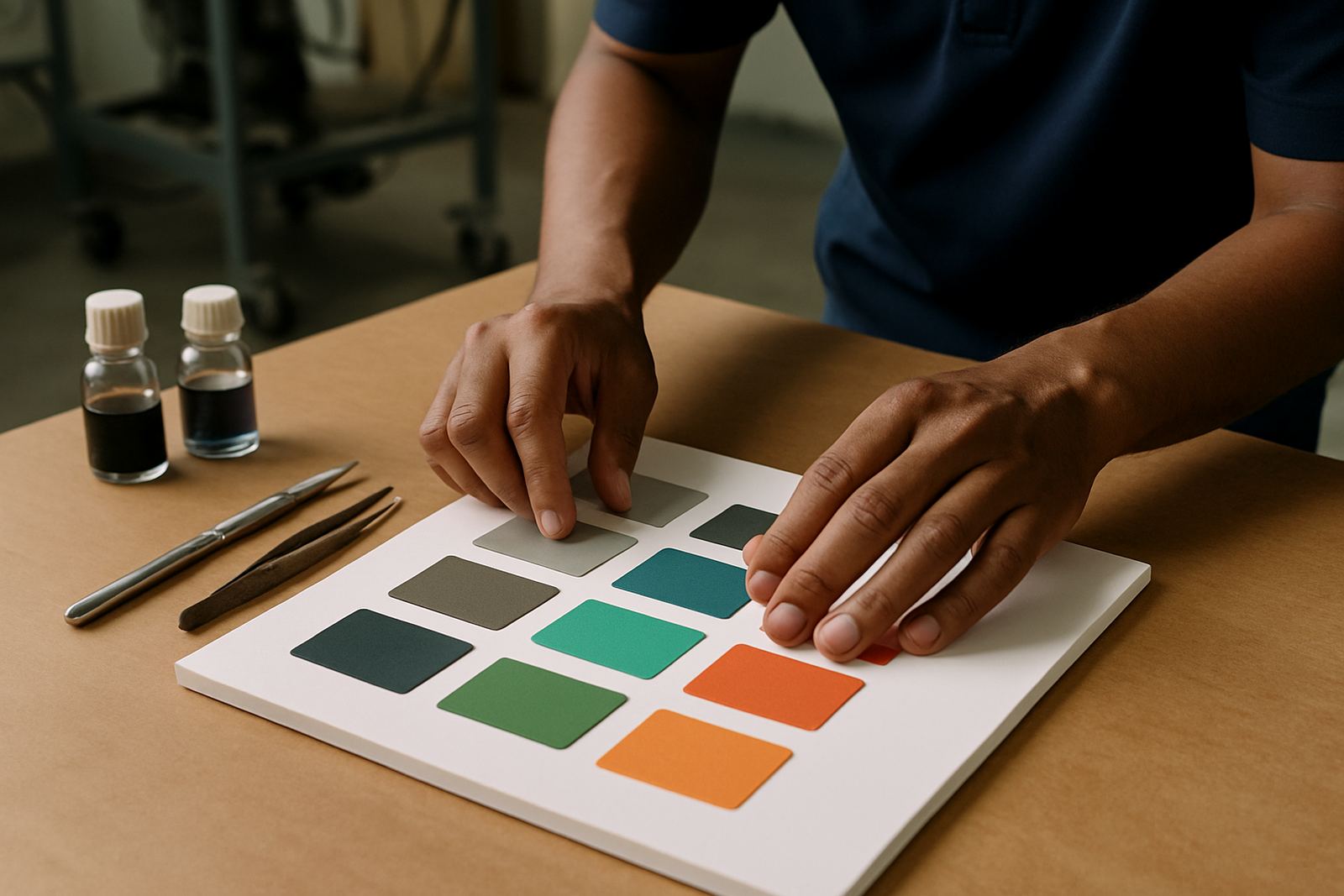
For cartons and paperboard, adhesion and rub resistance are usually the first checks. For films and laminated packs, compatibility with the coating becomes more important. For narrow labels, the printed area is small, so the cue must stay readable even after cutting, folding and packing. Our team in Jacobs supports drawdown panels, coating compatibility checks and trial batch making so the chosen system fits the real pack, not just the sample card.
- Cartons: check fold lines, scuffing and print contrast.
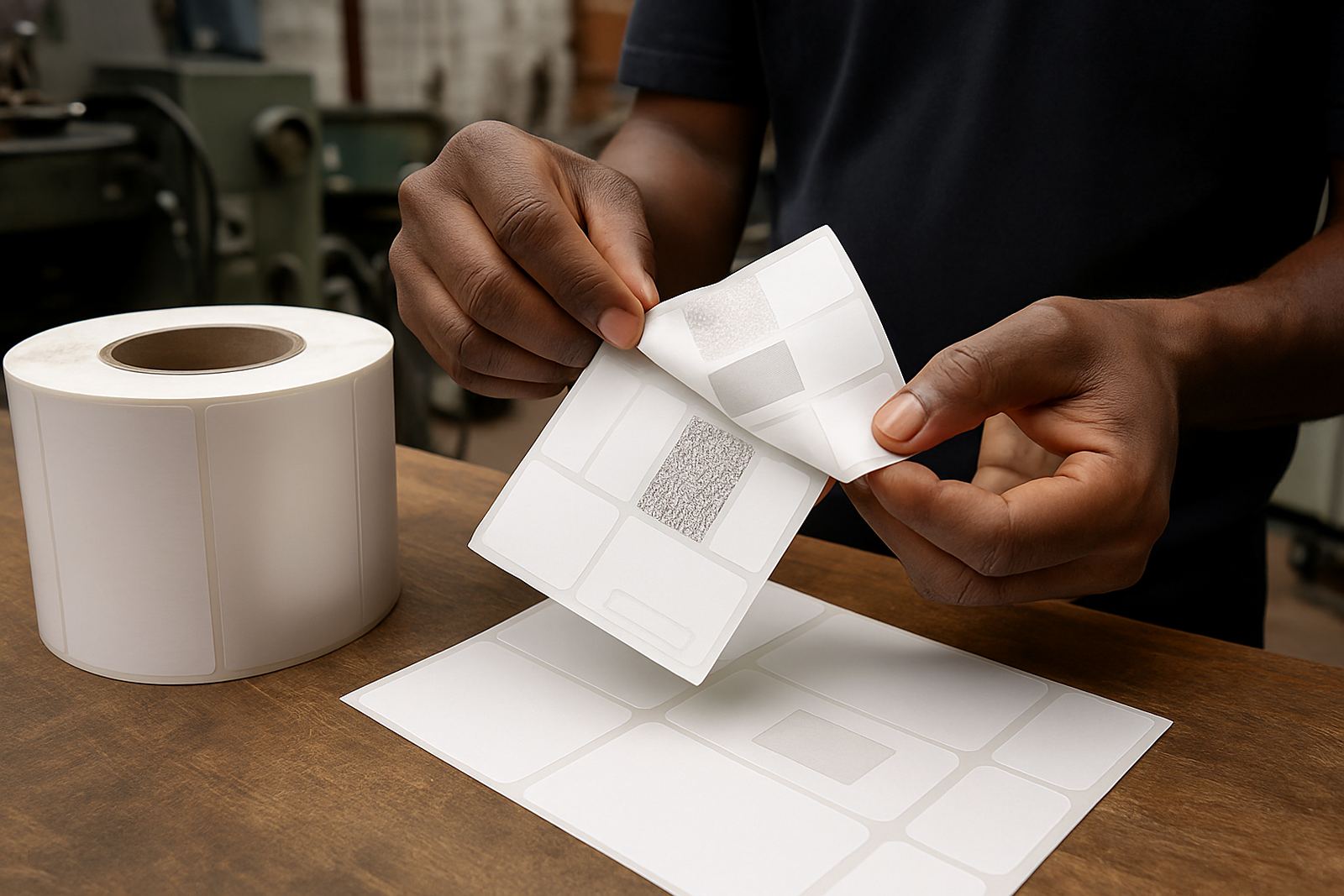
- Labels: check edge wear, adhesive interaction and small-area readability.
- Pouches and films: check coating compatibility and drying behaviour.
- Cold-chain packs: check condensation resistance and threshold tuning.
Set the trigger point and the visibility window
With thermochromic security inks, the trigger point matters as much as the colour itself. You need to decide at what temperature the change must start, and how obvious it should be when it happens. A pack for chilled goods may need a low threshold with a clear shift. A pack for warm storage may need a different response so it does not trigger too early in a Durban yard or during inland transit.
Threshold tuning is not guesswork. We test the point where the change begins, the speed of the change and how the ink recovers if conditions shift back. This helps avoid false alarms on hot days or weak signals in cold rooms. For temperature-sensitive items, the best result is a mark that is easy to read but hard to fake, and still behaves the same after repeated handling.
- Choose the trigger temperature based on storage and distribution conditions.
- Set how fast the colour should change.
- Confirm how long the changed state remains visible.
- Test the mark under heat, cold and moisture exposure.
Test before full production, then keep proof on file
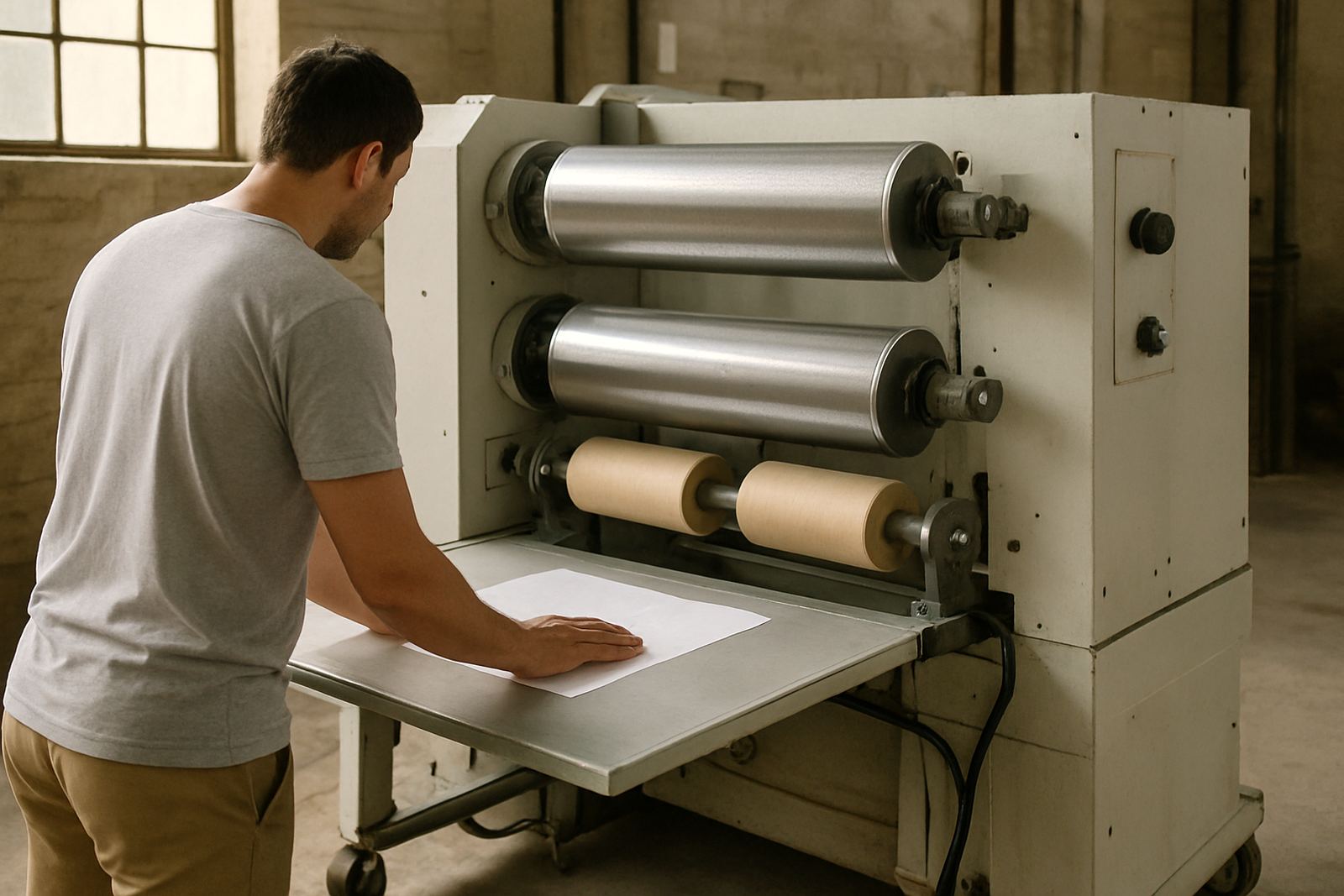
No security ink should go straight to full run without trials. A proper approval process should include drawdown panels, press startup support and a trial batch. This lets you check the look, the adhesion, the rub resistance and the verification response before the full order is released. It also gives your team a reference point for future reprints.
Keep a retain sample from each approved batch. A batch retain library makes it easier to compare later production runs, especially when there is a change in substrate, season or printing line. In practice, this protects both the converter and the brand owner because there is a clear reference if a dispute comes up. It also helps when a customer says the mark is looking off, but the cause is not imediately obvious.
- Approve drawdowns before plate or screen setup.
- Run rub resistance checks after curing or drying.
- Use UV verification setups where needed.
- Store retain samples by batch, date and substrate.
Use the right support team for production and rollout
Security ink selection works best when production, sales, logistics and quality control are aligned. Our team in Durban supports converters nationwide with practical setup advice, security pattern design, colour matching and production troubleshooting. That matters when a line is under pressure, a pack is moving between sites or a customer needs a change before the next run.
Jason Pillay handles national logistics coordination, so supply planning can be matched to rollout dates in Pinetown, Prospecton, Cape Town, Gqeberha, Johannesburg or Pretoria. Shaun October supports technical sales, Lindokuhle Dlamini manages production, Pieter van Wyk handles security ink specification, and Nomfundo Khumalo leads the colour lab. When a pack needs a specific balance of visual effect and protection, the full team can work through it with you.
- Define the risk level and verification method.
- Confirm pack format and coating conditions.
- Run trials and approval checks.
- Set batch records and retain samples.
- Plan delivery to your production site and backup site if needed.