Why heat-reactive cues matter on ready meals and hot cups
For ready meals, soups, sauces and hot beverage packs, the challenge is simple: people want to know when the product is warm enough to serve without guessing. A heat-reactive indicator gives that cue on pack, which helps retail staff, caterers and consumers make a quicker decision. In busy stores around Durban, where chilled and ambient stock can be moved between stores and depots fast, that extra visual check can reduce handling mistakes.
Used well, a warm serve indicator does more than change colour. It can support portion control, reduce complaints about underheated meals and give a consistent signal across cartons, sleeves, lidding films or labels. The mark needs to be easy to read under harsh shop lighting and still perform when packs are stored in humid coastal conditions, where adhesive and coating choices matter a lot.
How thermochromic inks behave on food packaging lines
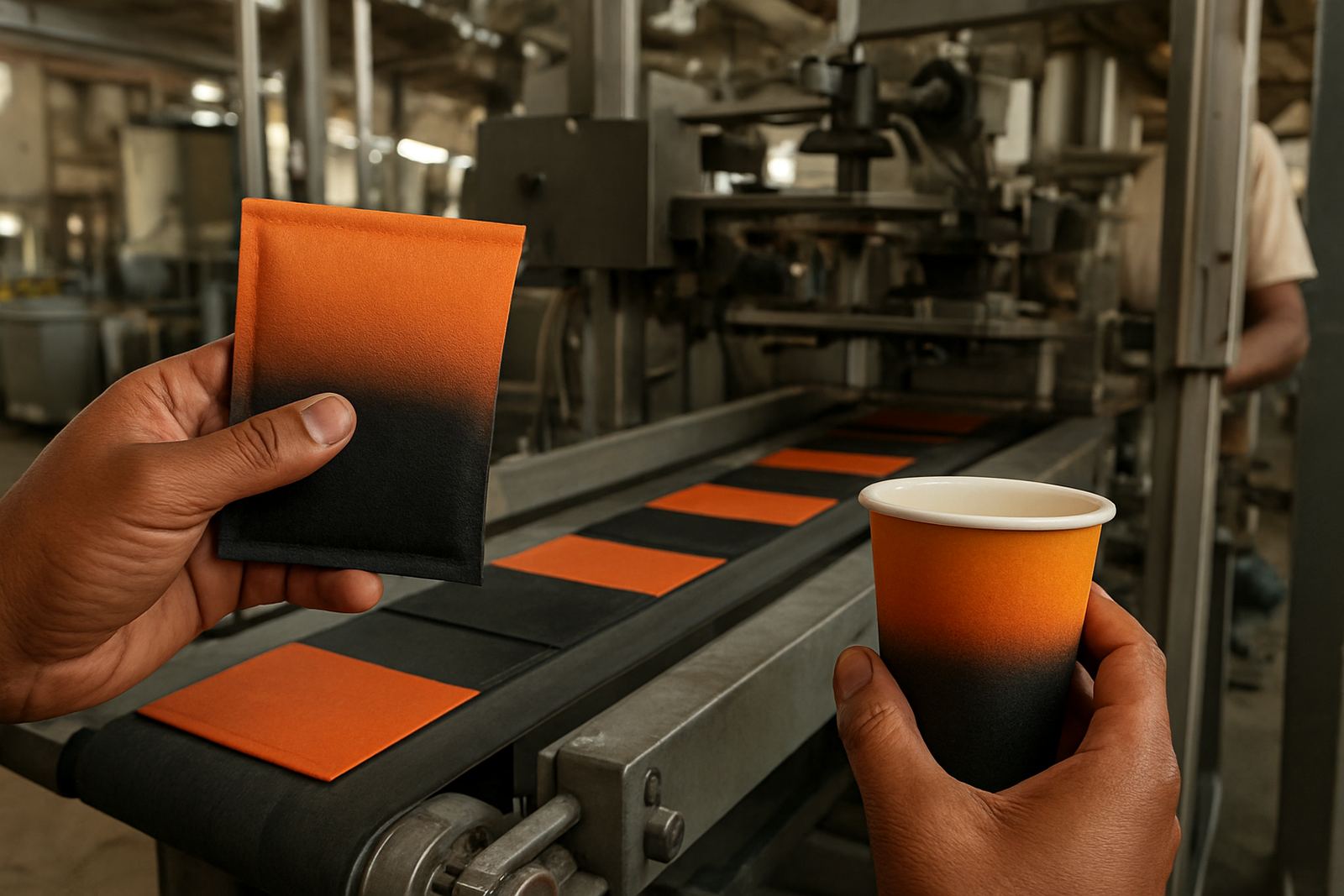
Thermochromic inks are formulated to shift at a set temperature window. That threshold can be tuned so the indicator changes when the pack reaches a useful serving point, not too early and not after the food is already too hot to handle. On a packaging line, the print must survive folding, heat sealing, carton erection and courier movement without cracking or bleeding.
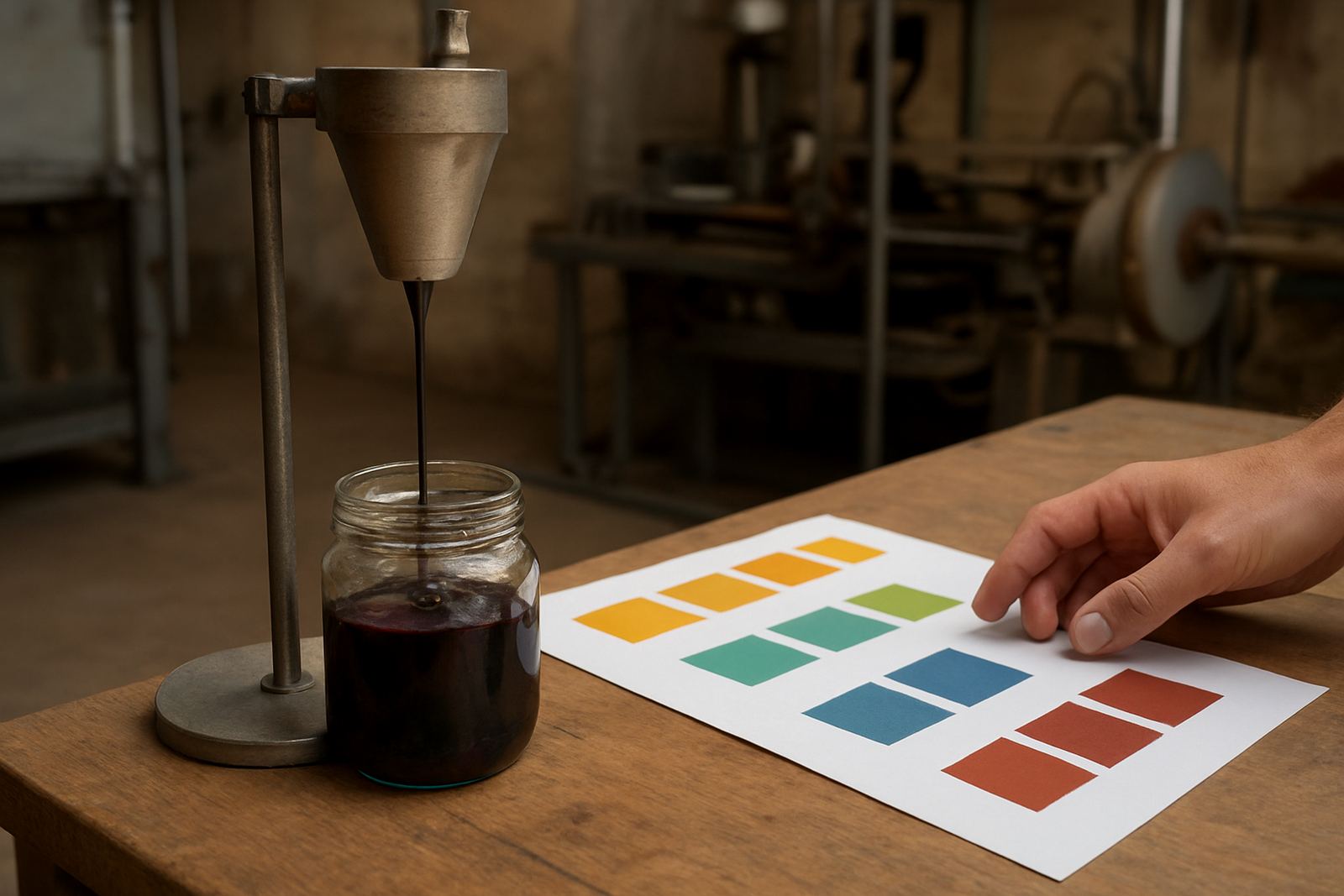
For South African converters, the practical test is always the same: will the ink still read properly after the real production run? Ink that performs well on a sample panel can behave differently once it goes through a faster press, a different coating, or a board grade that came from another supplier. That is why drawdowns, adhesion testing and rub resistance checks are part of the process, not an afterthought.
- Set the trigger point to match the real product temperature, not an ideal lab condition.
- Check the indicator after sealing, sleeving and stack pressure.
- Test on the final substrate, glue, varnish or film structure.
- Allow for storage in warm warehouses and delivery vans during summer.
Designing an indicator that fits the pack, not just the artwork
A warm serve mark works best when it is small, clear and tied to the pack graphics. It can sit near a serving panel, a cup band, a microwave instruction block or a ready-meal window. The aim is to make the cue obvious without cluttering the label. Too much decoration around the indicator can confuse customers, especially on smaller packs where space is tight.
In practice, the best designs keep the message direct. A colour shift from dark to light, or from a neutral tone to a brighter one, is often enough. The exact layout depends on the carton style, the viewing distance and the printing process. For short-run trials, a production team may need several drawdown panels before settling on the final version. One small detail that gets missed alot is how the indicator reads under fluorescent retail lighting and not only in the lab.
- Use clear wording near the mark so the customer knows what the colour change means.
- Avoid overprinting the active area with dense text or heavy varnish.
- Keep the indicator where hands do not cover it during serving.
- Confirm that the final colour still shows through after lamination or coating.
What Durban humidity, heat and transport do to print performance
Jacobs and the wider Durban south area bring a real-world test for packaging: humidity, heat and long transport routes. A pack can leave a plant dry and clean, then spend hours in a warm truck or a damp storage area before it reaches a customer. That is where threshold tuning becomes important. The ink has to react at the right point and still hold its integrity when moisture levels climb.
For converters supplying restaurants, forecourt outlets and convenience chains, the same product may move from Durban to Pietermaritzburg, Richards Bay, Cape Town or Johannesburg. Each route changes the handling conditions. A warm serve indicator should not fade, ghost or mark off onto adjacent cartons during transit. If the product includes security elements as well, the print system must balance both functions without forcing the converter to compromise on either one.
Adding security without crowding the food message
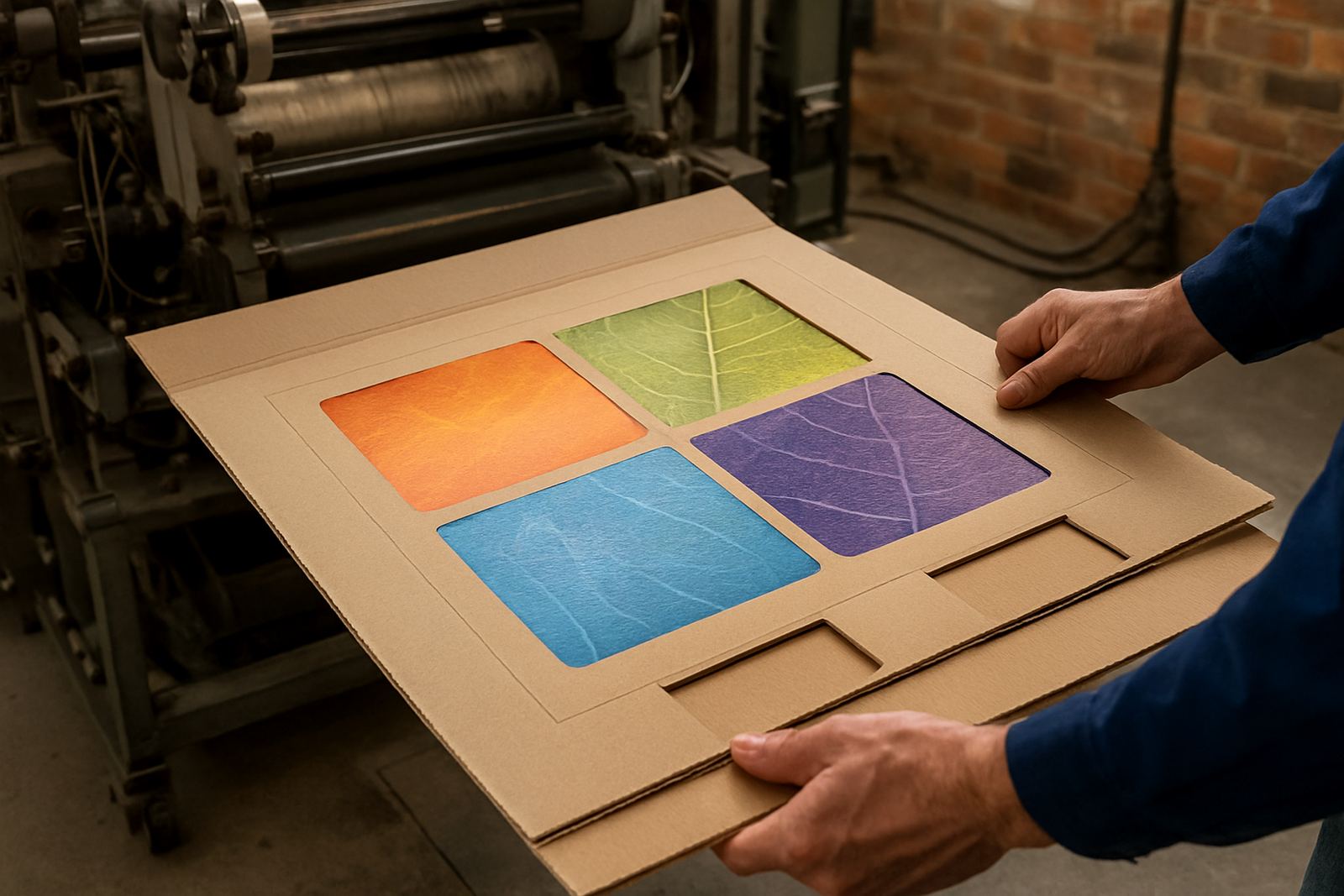
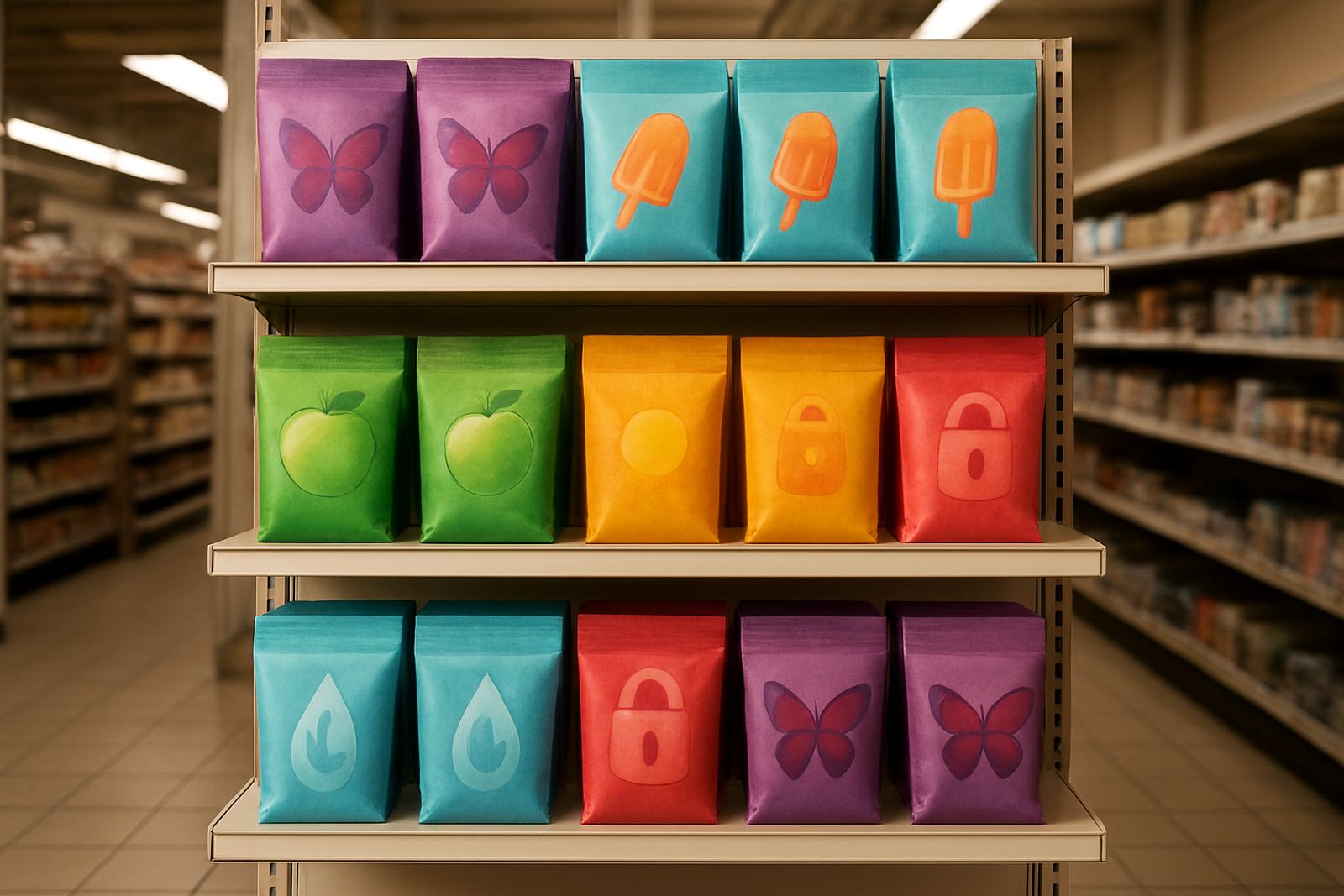
Some packs need more than a temperature cue. Meal kits, premium hot drinks and export-facing food packaging can benefit from security features that help confirm authenticity and reduce tampering risk. These may be visible or hidden print elements, but the best result is when security and serving function work together on the same structure without making the pack look busy.
A good security approach for food packaging should not distract from the serving instruction. It should support the pack's trust value quietly and reliably. Where a client needs batch control, a retain library and UV verification setup can help keep records straight across production runs. That matters when the same pack is printed for multiple sites or when a filling plant in one province uses cartons supplied from another.
- Use security print only where it adds real value to the pack.
- Keep verification simple for line staff and QA teams.
- Record approved colour targets so repeat runs stay consistent.
- Check compatibility with coatings, seal areas and handling marks.
A practical trial plan for packaging converters
The quickest way to get a warm serve indicator right is to treat it like a production requirement, not a sample novelty. Start with the substrate, then define the trigger temperature, the print method and the expected shelf life. From there, test adhesion, rub resistance and the visual shift under normal shop and kitchen light. If the pack will carry hot liquid, check the area around seams and folds for any sign of stress or transfer.
For a Durban converter supplying nationwide, trial batch making and press startup support can save a lot of frustration. It also helps to keep a clean batch retain library so future orders can be matched against the approved standard. Once the indicator is proven, the production team can move with more confidence and fewer stoppages. The goal is straightforward: a pack that tells the truth about temperature, prints cleanly and survives the trip from plant to shelf.
That is especially useful for hot drinks, microwave meals and premium takeaway packs where the customer expects both convenience and consistency. When the colour change is clear and the print holds up, the pack does its job before the first bite or sip.