Start with the reveal, not the artwork
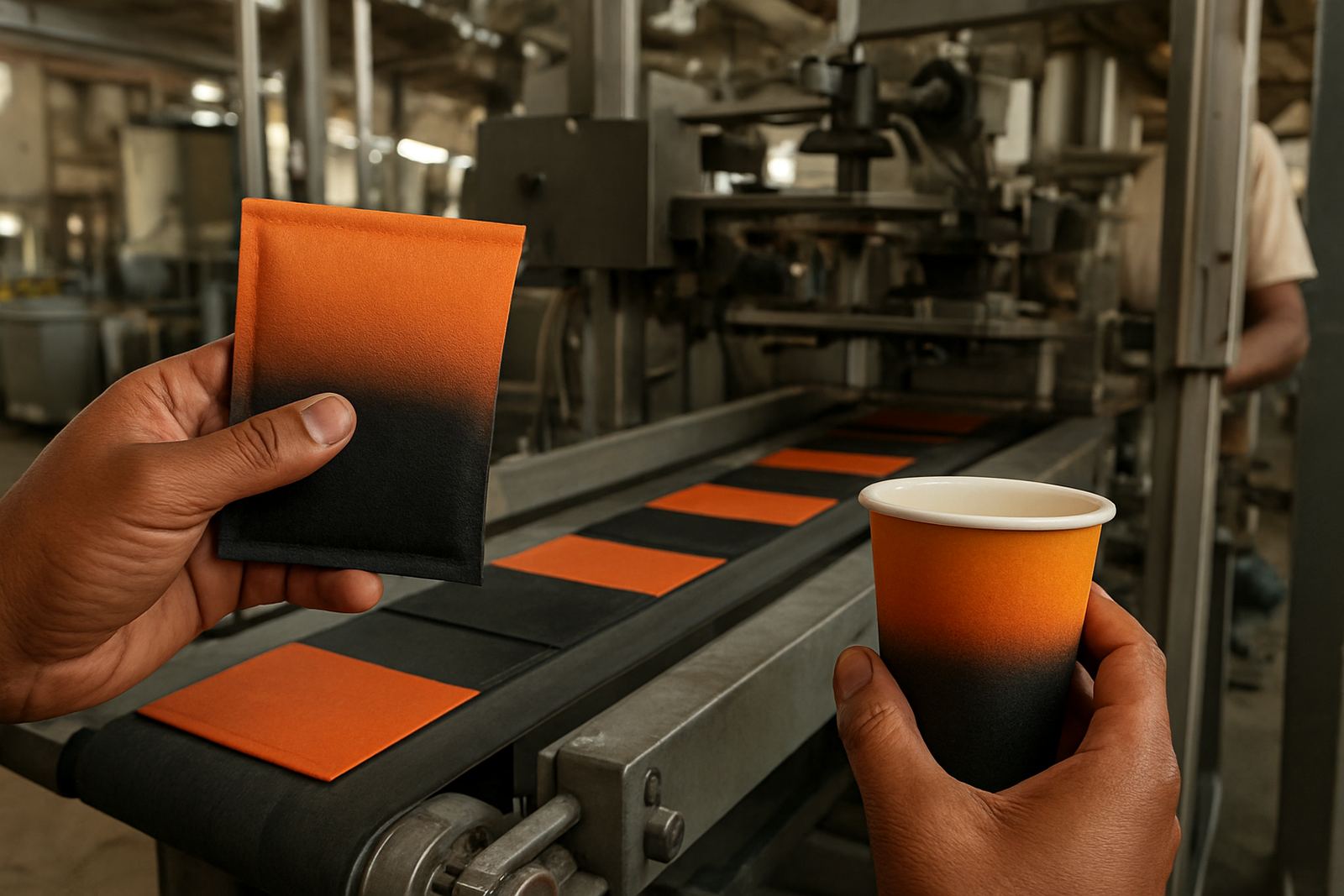
The biggest mistake with hidden reveal packaging is treating the effect like a finish. It is not. Whether the pack changes colour when chilled or is uncovered by rubbing, the hidden layer should shape the artwork layout, not sit on top of it. Begin by deciding what the consumer must see first, what should stay hidden, and what message must appear after the reveal.
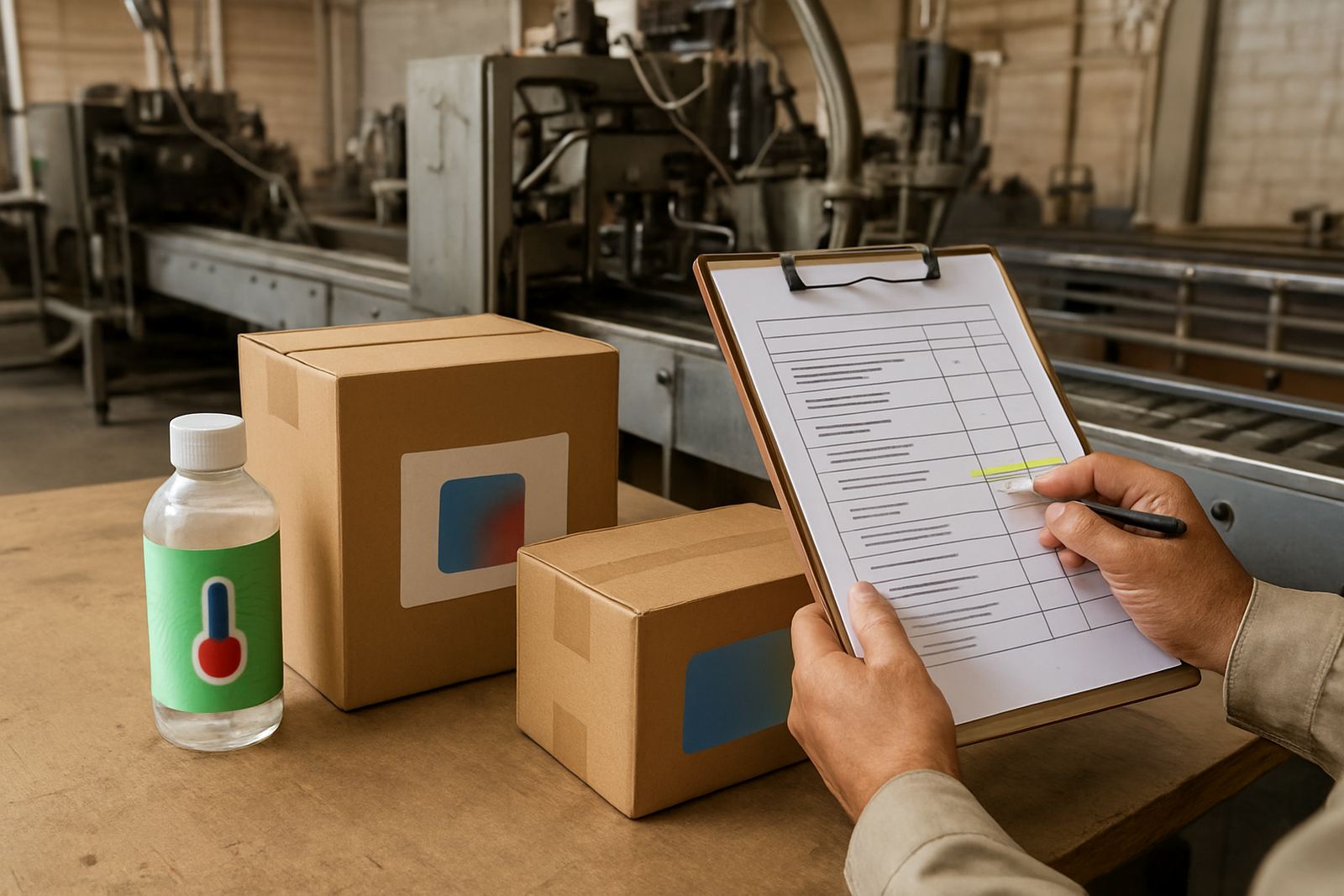
For temperature-sensitive food, frozen goods or chilled drinks, a cold-reveal panel can confirm when the pack has reached a usable temperature or an exact chilled range. For promotions, competitions and authentication, a scratch-off area can protect a code, image or claim until the customer opens the pack. In both cases, the reveal needs clear hierarchy, so the important information is visible at the right moment and not buried in decoration.
At our Jacobs base in Durban, we often see artwork that looks good on screen but fails on a press trial because the hidden area was too small, the message was crowded, or the overprint did not leave enough contrast once the effect activated. Planning early saves time, scrap and rework.
Build the artwork around the viewing sequence
Think of the pack in stages. First view, handling view, reveal view, and final read. Each stage needs its own job. A customer picking up a carton in a Pinetown depot should understand what the pack is, even before the hidden feature is triggered. After the reveal, the message must still be easy to read under supermarket lighting, warehouse fluorescents or daylight on delivery routes.
Keep the hidden area large enough for the consumer to notice the change. Small panels can look neat in artwork but feel weak on shelf. For scratch-off panels, leave enough surrounding space so the rub area does not damage other printed details. For cold reveals, avoid placing the activation zone over folds, seams or glue lines because those areas can interrupt colour development and make the effect patchy.
- Use clear borders or frames so the consumer knows where the reveal begins and ends.
- Keep essential compliance text outside the active zone unless the message itself changes colour.
- Allow for pack movement, scuffing and stacking during transport from Durban to inland depots.
- Test the design at actual viewing distance, not only on a screen at close range.
Choose inks and substrates that behave in the real world
South African packaging lives through heat, coastal humidity, cold rooms, dusty loading bays and long road freight. The substrate must hold the ink system without distortion. Paperboard, coated cartons, labels and film all behave differently, especially when a reveal layer is added. A good artwork plan allows for the coating, ink coverage and drying method that will be used in production.
Adhesion is one of the first checks we recommend. If the hidden layer lifts, smears or cracks, the reveal will fail before the pack reaches the customer. Rub resistance matters too, especially on cartons handled by distribution teams or displayed in busy retail stores. For security-style scratch-offs, the top layer must cover the hidden content well but still release cleanly when rubbed, without leaving residue that obscures the message.
- Confirm the coating compatibility before finalising artwork colours.
- Check whether the substrate needs a primer or adjusted drying time.
- Test the effect after heat, cold and humidity exposure, not only straight off press.
- Keep a retained sample from each approved batch for future reference.
Make the hidden message easy to read after activation
A reveal is only useful if the consumer can read it quickly. Once the colour changes or the scratch-off layer is removed, there should be no confusion about what the pack is telling them. Use strong contrast, simple wording and well-spaced type. If the hidden message includes numbers, dates or authenticity codes, choose a font that stays legible at small sizes.
For cold-reveal packaging, consider how the revealed colour will sit next to the base artwork. A pale hidden tone on a light carton can disappear in bright shop lighting. A dark hidden tone may be clearer, but it can also look heavy if the panel is too large. Balance is important. The artwork should feel intentional, not like a patch added later by production.
Scratch-off areas need even more discipline. The hidden copy should not be crammed under a panel that is too small for the hand movement needed to uncover it. In practice, a consumer in Johannesburg or Gqeberha should be able to reveal the area with a coin or fingertip without damaging the pack structure. If the message is a promo code, make sure the code remains readable after the rub-off material is removed.
Use trials to catch mistakes before full production
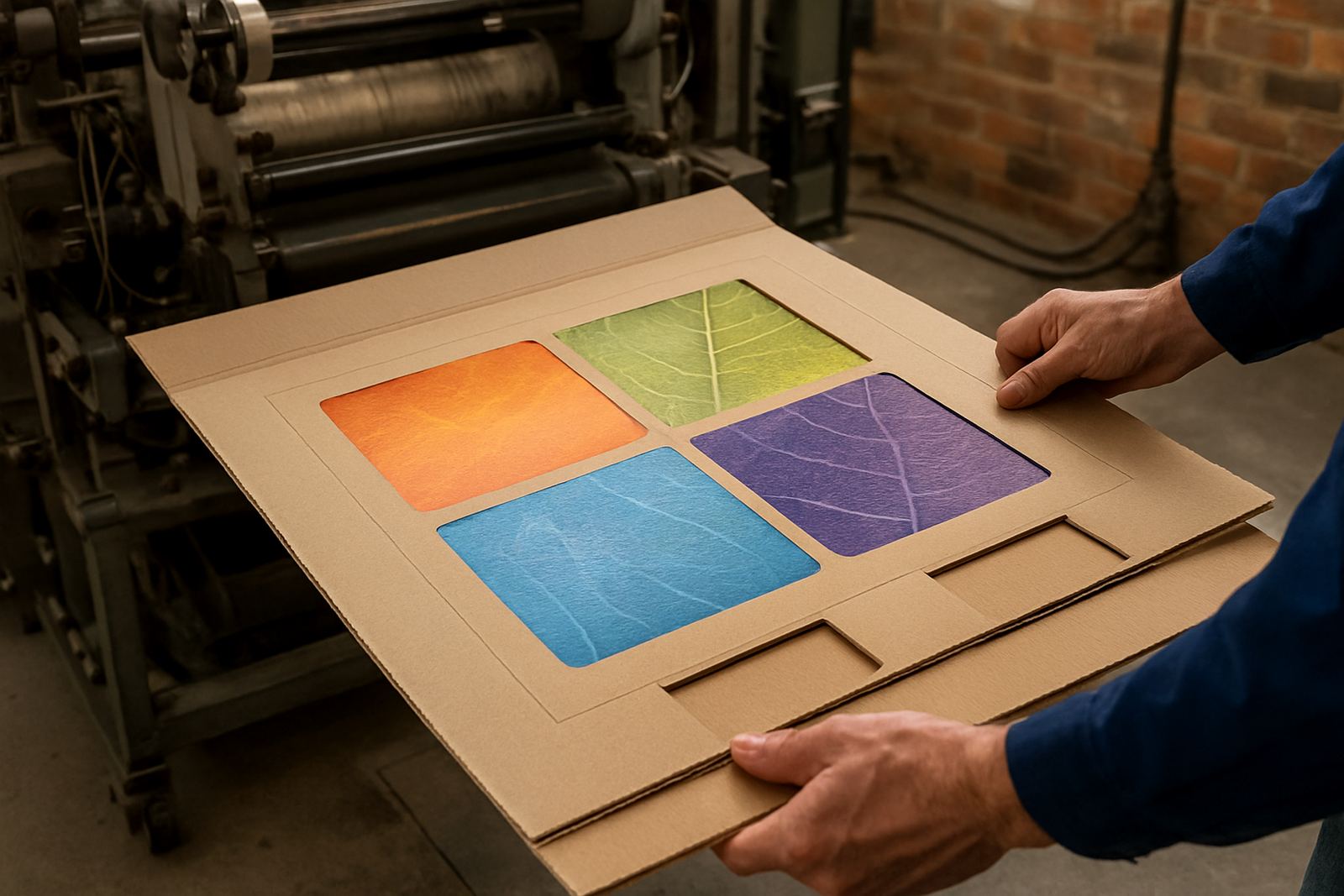
Press trials are where hidden reveal projects are won or lost. Drawdown panels, trial batches and startup support help you see whether the effect works on the actual substrate and at production speed. This is the stage to check colour shift, scratch-off coverage, dry time and print consistency. If the artwork needs adjustment, it is much cheaper to change it here than after thousands of units are packed.
We recommend checking the same sample under different conditions. View it at room temperature, after chilling, and after a short handling test. For packaging headed to coastal areas like Durban or Cape Town, humidity can change the way the print behaves. For inland delivery, heat and dry air can also shift the final appearance. A good trial should reflect those conditions as closely as possible.
- Review the reveal under store lighting and natural daylight.
- Check whether the hidden area survives folding, sealing and stacking.
- Confirm the final message still matches the compliance text on the outer pack.
- Record the approved settings for future reorders so the effect stays consistent.
Plan security and shelf appeal together
Hidden reveals often carry two jobs at once: they draw the eye and protect the pack. A promotional scratch-off can also help prove authenticity. A thermal panel can also warn that the product has warmed beyond its ideal range. When those functions are built into the same artwork, the design needs careful balance so one message does not weaken the other.
Security pattern design should be subtle enough to protect the code, but clear enough that staff can verify it quickly during packing or dispatch. Where the pack is for regulated goods or export, the hidden feature should not interfere with required marks, batch information or barcode placement. A clean layout helps converters, brand owners and logistics teams work faster without second-guessing the pack.
For businesses supplying nationwide from Durban, the safest approach is to lock the artwork early, test it properly and keep notes on the approved settings. That way, whether the order is going to a converter in Prospecton or a line running near Pretoria, the hidden reveal behaves the same way every time.