Why stock planning matters more than distance
For packaging converters in South Africa, the real challenge is rarely just getting product from Jacobs to the plant. It is matching the right ink to the right production window, then keeping enough stock on hand for a run that may change at short notice. A missed delivery in Cape Town or Pretoria can hold up cartons, labels, sleeves, or wraps across an entire schedule.
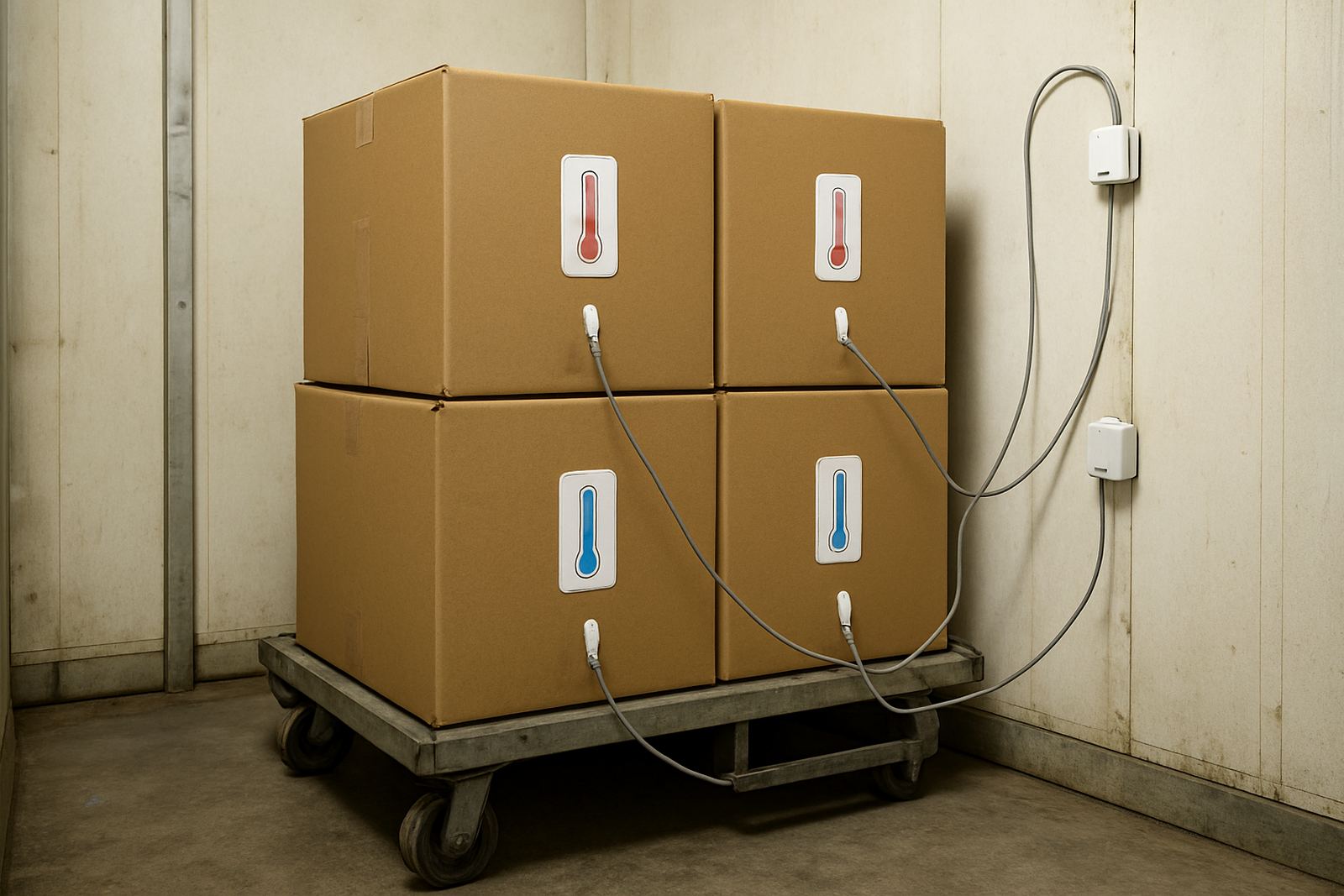
Thermochromic and security inks are not products you want to treat as ordinary consumables. They need the right storage conditions, the right handling, and the right approval before a full production run. If a converter only orders once stock is nearly finished, any delay from traffic, weather, border checks on long-haul routes, or municipal delivery restrictions can become a real cost on press.
Our work from Durban is built around that reality. We plan with converters in mind, not only trucks. That means looking at monthly volumes, trial quantities, retaining samples for repeat jobs, and keeping lead times honest from the start.
How we plan dispatch from Jacobs to other provinces
Every delivery starts with the same practical questions: what is the application, what press will run it, what is the target finish, and when does the converter actually need it on site? Once those details are clear, the dispatch plan can be set around production slots, QC checks, and route timing.
Jacobs gives us a useful base for Durban South and KZN, but nationwide planning needs more than a loading bay. We group orders by destination where it makes sense, we check the condition of each batch before release, and we align collections with the lead times that local plants can realistically handle. That is especially important for converters working on short notice jobs for food packs, promotional labels, or temperature warning features.
- Confirm the application before dispatch so the correct ink system is supplied.
- Allow time for drawdown panels, adhesion checks, and rub resistance checks before sign off.
- Build in a buffer for long routes to Gauteng, the Western Cape, or the Eastern Cape.
- Keep retain samples on file for repeat jobs and reorders.
- Schedule around plant shutdowns, public holidays, and load-shedding windows.
What converters should check before placing a national order
Good planning on the converter side makes a big difference. If the press team knows the substrate, curing method, and expected run length, the stock can be packed and released with less back-and-forth. This saves time and helps avoid waste from a trial that was not set up properly.
For clients outside Durban, we usually suggest that the technical team confirm a few points before the order is placed. These details help us recommend the right colour match, the correct threshold point for a thermochromic effect, and the most suitable security pattern or verification setup for the job.
- Substrate type and coating condition, including any varnish or lamination.
- Expected press speed and drying or curing method.
- Storage conditions at the plant, especially in humid coastal areas.
- Whether the job is for one SKU or multiple pack sizes.
- Any customer standard that must be met for colour appearance or authenticity checks.
When those details are clear, the risk of rework drops. It also makes it easier to plan transport so the ink arrives in usable condition, especially where heat in transit or warehouse swings could affect performance.
Local example: a Cape Town converter preparing for a food pack run
A Cape Town converter recently needed a thermochromic feature for a chilled product range with a tight launch date. The job required a clear colour change at a defined temperature, plus a security element to support authenticity checks on the outer pack. The converter also had limited room for storage and a press schedule already under pressure.
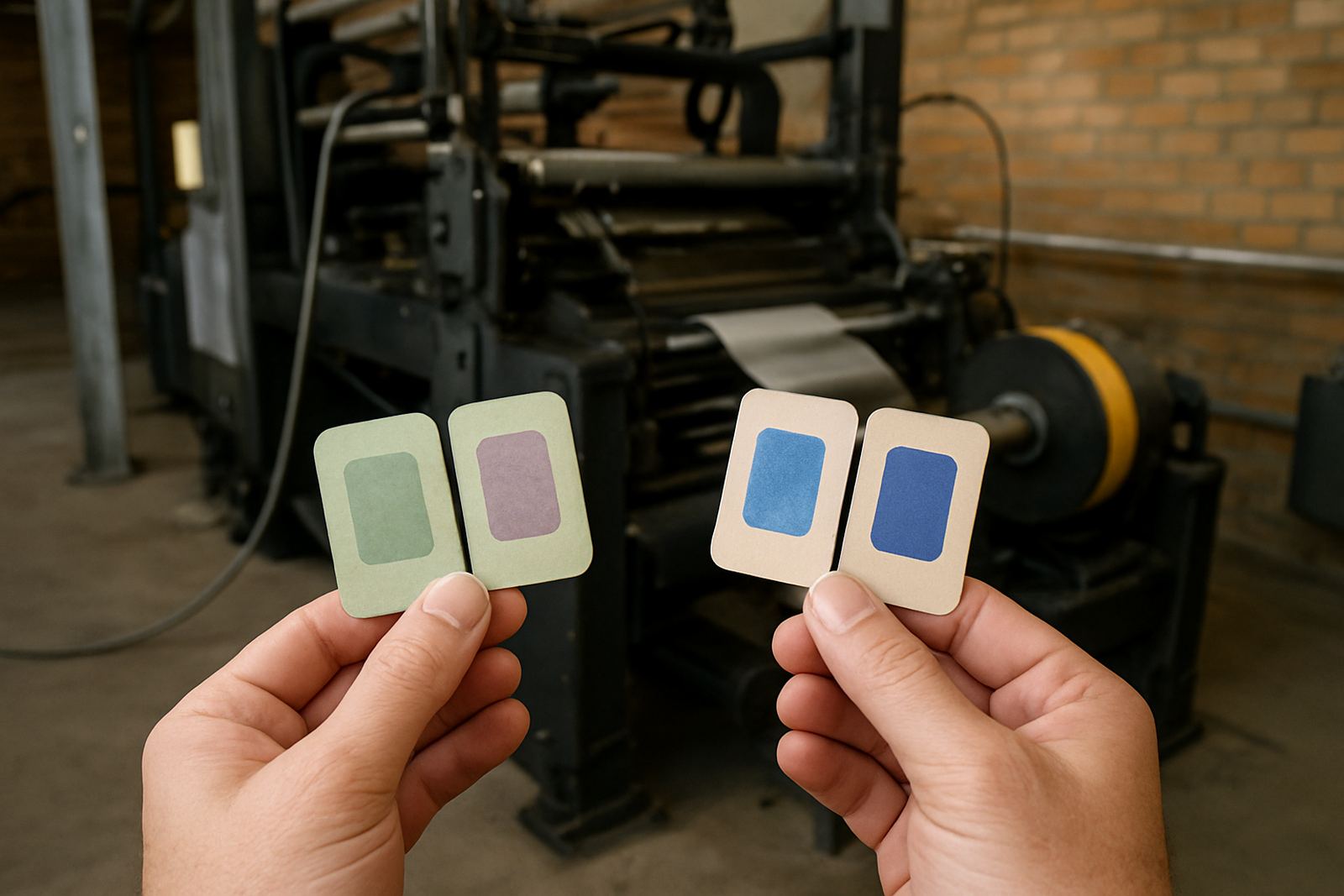
Because the production window was short, the order was split into a trial batch and a follow-up release. First, a drawdown panel and threshold tuning were completed so the team could check the visual effect under their own conditions. After that, the converter confirmed adhesion and rub resistance on the chosen substrate before the balance of stock was released. That small planning step saved a lot of time later on press.
The same approach works for Johannesburg, Gqeberha, and smaller plants in Pinetown or Prospecton. The location changes, but the principle stays the same: test before volume, release stock in the right sequence, and keep the production team informed about what is coming next.
Keeping delivery reliable during load-shedding and coastal humidity
South African production conditions are not always gentle on inks. Load-shedding can interrupt press schedules, while coastal humidity in Durban or Gqeberha can affect storage and setup if stock is left exposed for too long. Inland plants may face dry conditions that change drying behaviour, so the same product can need a slightly different handling approach from one site to the next.
That is why we build delivery plans with practical conditions in mind. We do not only ask where the stock is going, we ask how it will be stored once it arrives. A converter with a cool sealed store room and a stable schedule has different needs from a site with frequent power cuts and overnight temperature swings.
For many clients, the simplest fix is a tighter ordering cycle and smaller, more frequent deliveries. That reduces the chance of stock sitting too long and helps production teams match supply to the week ahead, not just the month ahead.
What our support team does before stock leaves Durban
Our team works across technical, production, logistics, and security ink support so the order is ready before it is loaded. Sibusiso Mthembu oversees the operation, Shaun October handles technical sales, Lindokuhle Dlamini manages production, Pieter van Wyk supports security ink design, Nomfundo Khumalo leads the colour lab, and Jason Pillay coordinates national logistics. That structure matters when a converter needs a fast answer on a trial, a repeat batch, or a change in press conditions.
Before dispatch, we can handle a full practical check list depending on the job:
- Colour matching against agreed samples.
- Threshold tuning for thermochromic behaviour.
- Adhesion tests on the intended substrate.
- Rub resistance checks for handling and packing.
- UV verification setups for security features.
- Batch retain library reference for future repeats.
We also support trial batch making, press startup support, coating compatibility checks, and production troubleshooting. That means a converter in Pretoria or Johannesburg does not just receive a carton of ink and a note. They get support that helps the team use the product correctly from the first run.
A better way to plan repeat supply
Nationwide delivery is easiest when it is treated as part of production planning, not as a separate task. If a converter knows the next run is due in six weeks, the stock can be scheduled before the last litre is opened. If a product is part of a seasonal launch, the order can be staged in advance so there is no rush on the week of print.
That is the value of working with a supplier based in Durban but set up for national supply. The goal is not only to move product from one place to another. The goal is to keep converters supplied, consistent, and ready for the next order, even when roads are busy or plant time is tight.
For packaging teams across South Africa, better delivery planning often starts with one simple habit: order early enough to test properly, then release stock in line with the actual press schedule.