Start with the job the ink must do
On packaging, not every colour change should behave the same way. Some products need a marker that changes colour when a pack reaches a certain temperature, then returns to its original state once the temperature moves back. Others need a permanent signal that says a limit was passed, tamper happened, or a process step was completed. That is the first difference between reversible and irreversible systems.
Reversible inks are used where you want a live indication. Think chilled products moving through a cold room, a carton leaving a controlled store, or a pack being handled in distribution where temperature must stay within range. Irreversible inks are used where the event itself matters more than the recovery. Once triggered, they stay changed. That gives a clear record for quality control, security and compliance checks.
How reversible inks behave in real packaging use
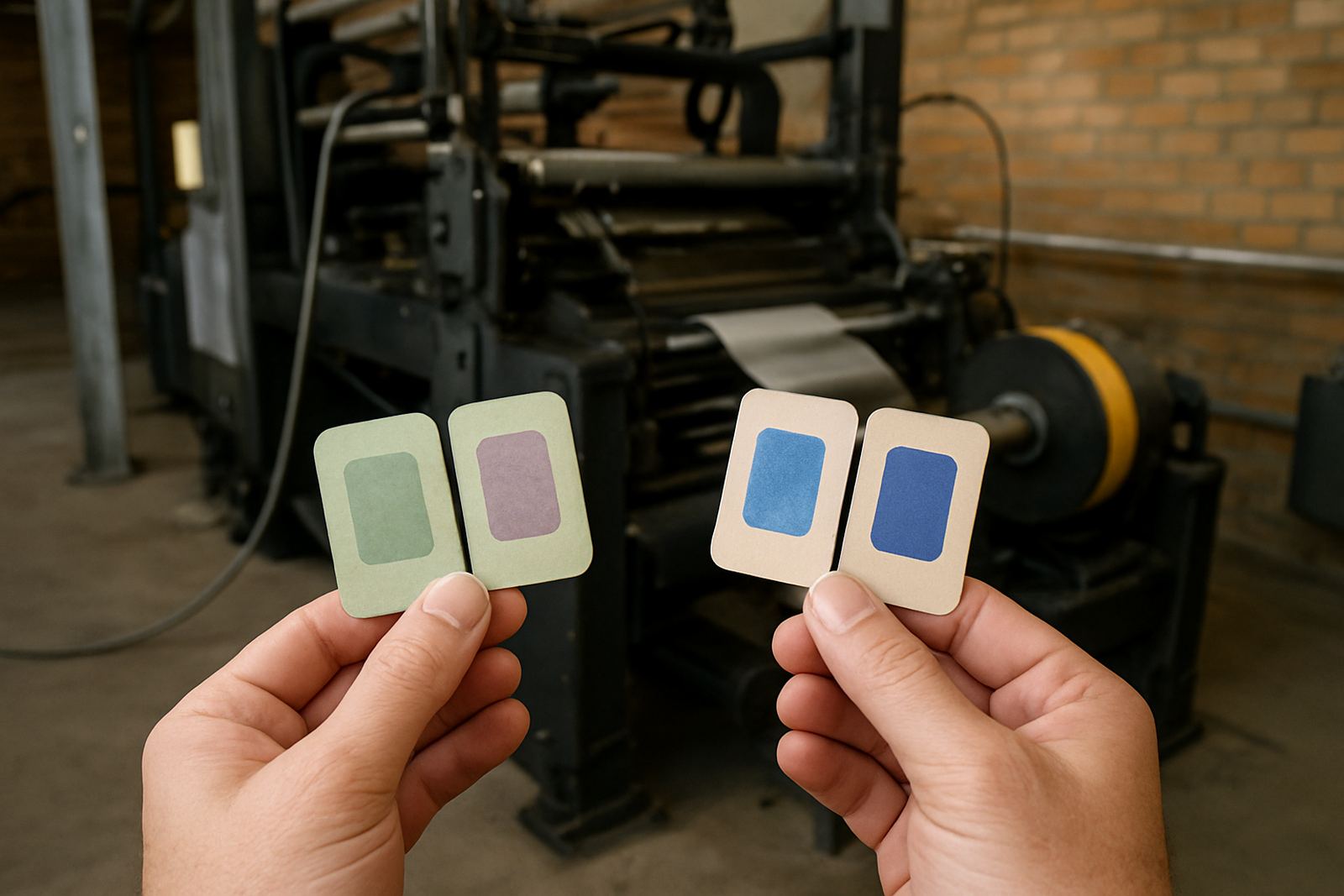
Reversible thermochromic inks move back and forth between states. When the trigger temperature is reached, the colour shift appears. When the pack cools down again, the original appearance returns. That makes them useful for consumer-facing labels, chilled packs and process checks where staff need a quick visual cue, not a permanent mark.
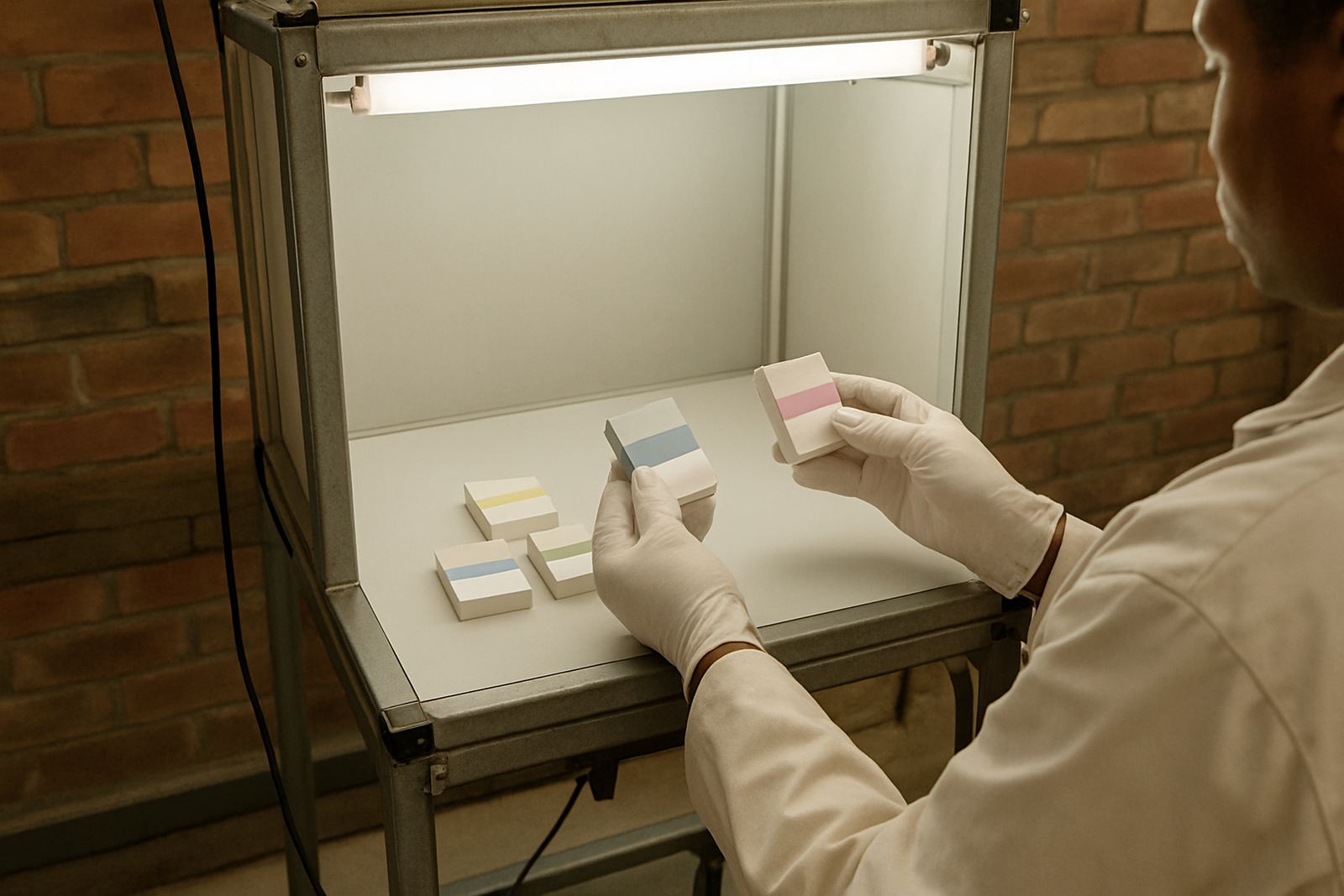
In practice, the key is setting the threshold properly. Too low and the change happens all the time in Durban summer heat. Too high and the signal never appears. We work with clients on threshold tuning, drawdown panels and trial batches so the change point matches the pack, the substrate and the real handling conditions.
- Best for temperature cue labels and short-term handling checks
- Useful where the pack must recover after cooling
- Needs good adhesion and rub resistance on the chosen film or carton
Where irreversible indicators earn their place
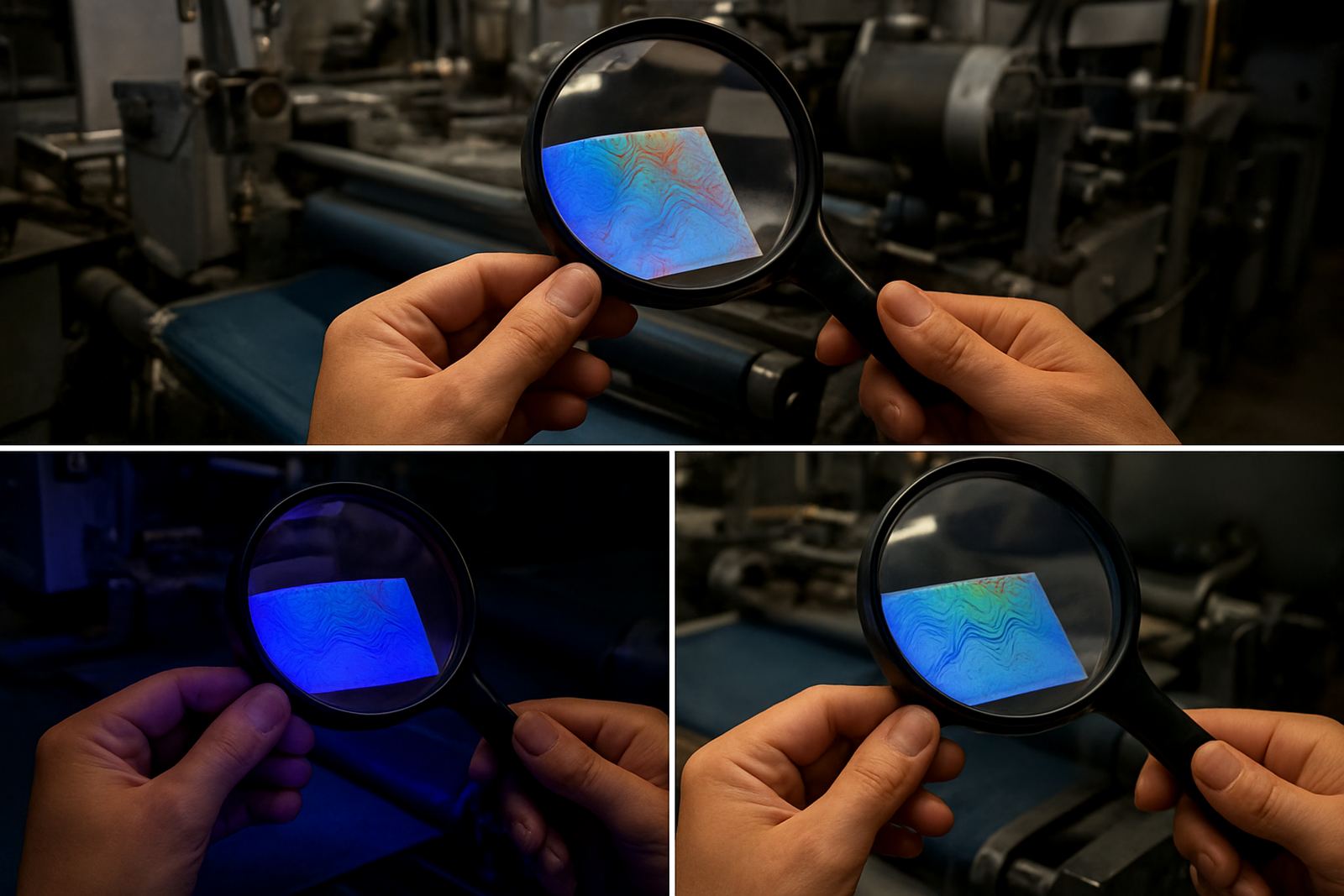
Irreversible systems are used when you need proof, not a temporary warning. Once activated, they do not return to their original state. That makes them suitable for anti-tamper features, one-time process indicators and security marking on packaging that must show evidence of exposure or interference.
For converters, the benefit is clarity. A pack that has changed permanently is easy to audit in the factory, at dispatch or at receiving. It helps teams see if a heat limit was exceeded, if a seal area was exposed, or if a security feature has been disturbed. In short, the message is simple and difficult to argue with.
- Best for tamper evidence and one-time process verification
- Works well where records must show that a limit was passed
- Often paired with security pattern design or UV verification setups
Matching the ink to the substrate and the line
A useful indicator on paperboard can behave very differently on laminated film or coated sachet stock. That is why coating compatibility matters. A reversible ink may look good in a lab sample but fail under press pressure, folding, or a varnish layer on the finished pack. An irreversible system may hold the colour shift, yet still rub off if the print stack or conveyor conditions are wrong.
We recommend checking the full line, not only the artwork. Start with small drawdowns, then move to a trial batch and press startup support if needed. The best results usually come from testing adhesion, rub resistance and the drying conditions together, especially in coastal areas where humidity can slow curing and affect finish.
- Test on the actual substrate, not only a sample sheet
- Check rub resistance after printing and after packing
- Allow for humidity, drying time and line speed on site
Security value depends on how obvious the change must be
Security inks and thermochromic features are often discussed together, but they do different work. A reversible cue helps with handling and consumer reassurance. An irreversible feature helps with authenticity and traceability. The right packaging often uses both, but not always in the same place.
If a pack needs to show that it has been opened, heated or exposed once only, an irreversible solution is usually stronger. If the goal is to show that a product is still within a safe temperature range, a reversible option gives more practical value. The choice comes down to who needs to read the signal, when they need it, and whether the change must remain visible after the event.
In our production work, security pattern design and batch retain library records help keep repeat runs consistent. That matters when a converter in Jacobs needs the same result for a national roll-out to Cape Town, Johannesburg and Gqeberha, with no drift between batches.
A Durban example that shows the difference
Consider a chilled food pack moving out of Jacobs on a warm afternoon. If the converter wants staff at despatch to know whether the pack briefly warmed up and then cooled again, a reversible ink can give that live cue. Once the pack returns to cold storage, the indicator resets. That is useful for handling discipline and quick checks.
Now compare that with a security seal on a higher-risk carton. If the pack is opened or exposed in a way that should never be hidden, a reversible effect would be the wrong choice. A one-time change is better because it stays visible all the way to the end user. For that reason, many projects need a clear decision before the first trial batch, not after production starts.
Local conditions matter too. Load-shedding, coastal humidity and stop-start dispatch schedules can all affect print timing, cure time and inspection points. Planning for these realities saves rework, and it avoids the sort of last-minute trouble that slows down a line.
What to ask before you place an order
Before you choose reversible or irreversible, ask a few direct questions about the pack, the product and the line. The answers will usually point to one solution very quickly. If the team is unsure, a short technical review can save a costly mistake.
- Should the change return to normal, or stay changed permanently?
- Who must read the signal, warehouse staff, retailers or consumers?
- What temperature, handling event or security risk are you trying to control?
- Will the ink sit on board, film, laminate or coated stock?
- Do you need rub checks, UV verification or press startup support?
For converters across South Africa, the practical route is to test early and keep the brief clear. If you need help selecting a reversible or irreversible system for packaging, use the enquiry form on our contact page and we will help match the ink to the job.