Why security ink levels matter on South African packaging
Not every pack needs the same degree of protection. A retail carton for a low-risk dry good can carry a simple visual check, while a temperature-sensitive product moving through multiple depots may need several layers of verification. The right security level helps staff spot tampering, helps distributors verify stock, and gives end users a clear signal that the pack is genuine.
In practice, the choice is shaped by the route the product takes. A pallet leaving Jacobs, passing through Pinetown, then heading to Johannesburg will face different handling than cartons delivered straight to a nearby packer in Prospecton. Add coastal humidity, hot warehouse floors and intermittent power interruptions, and the ink must do more than look good on day one. It must hold up under real conditions.
Security printing also needs to fit the rest of the pack. If the coating is too soft, the feature can smear. If the substrate is too absorbent, the mark can spread and lose clarity. That is why the first step is not colour, it is a proper match between ink, board, film or label stock and the level of protection needed.
Level 1: overt security for quick visual checks
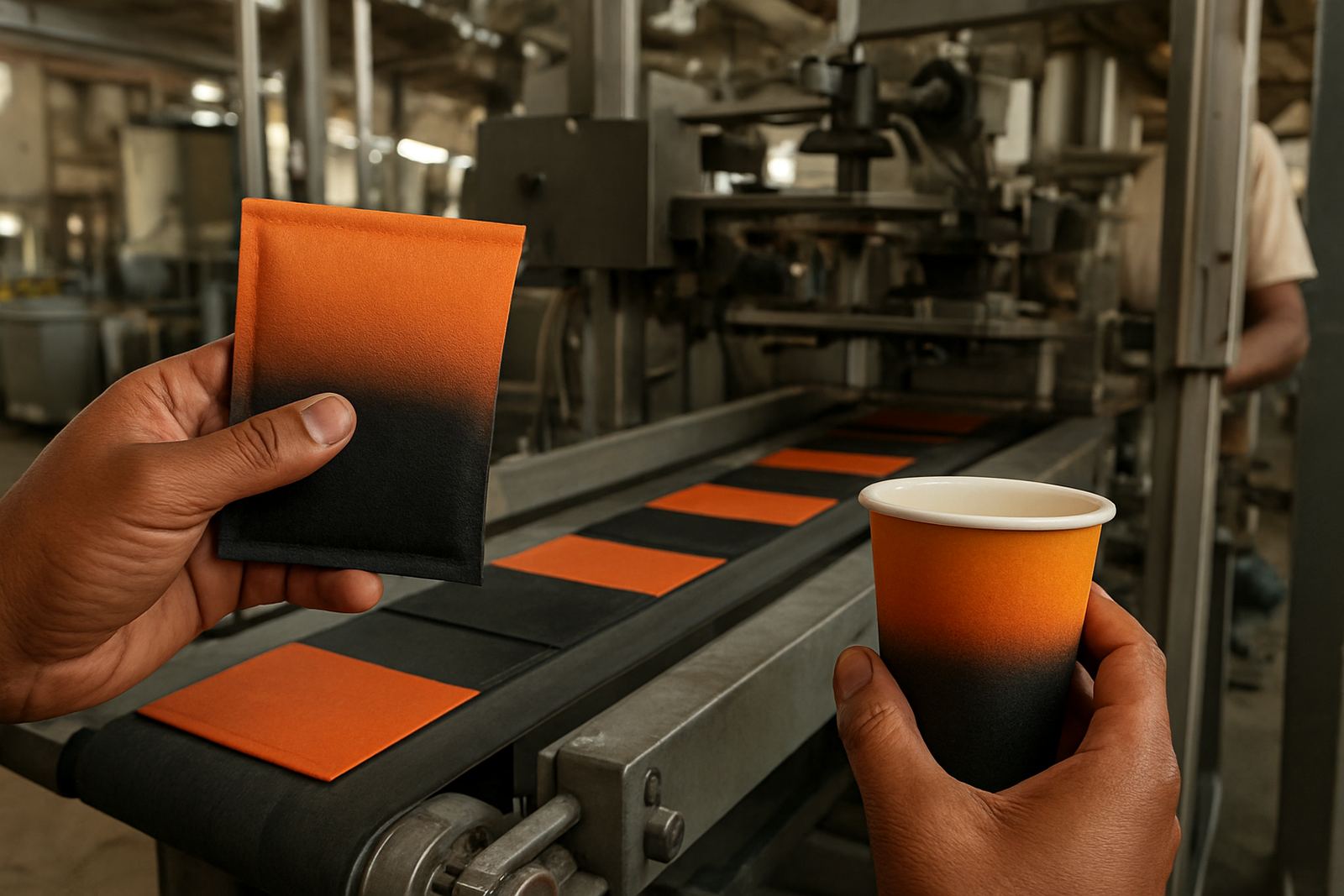
Overt security is the most visible level. It is designed so that a pack can be checked fast by a packer, warehouse team or retailer without special equipment. This level suits situations where speed matters and where the aim is to show that tampering or substitution is obvious.
Typical overt features include colour shifts, temperature-triggered indicators and printed marks that change appearance when handled or exposed. These are useful on chilled foods, pharma secondary packaging, premium beverages and high-value consumer goods. A supervisor can inspect a line in seconds, which helps where shifts are short and staff rotate often.
- Best for quick in-line checks
- Useful where staff need simple pass or fail cues
- Works well on cartons, labels and overwraps
- Can support temperature-sensitive items during distribution
Overt features should not be treated as the only defence if the goods are easy to copy. If the pack itself is valuable or the contents are often diverted, overt marking should be paired with a second layer.
Level 2: covert security for controlled verification
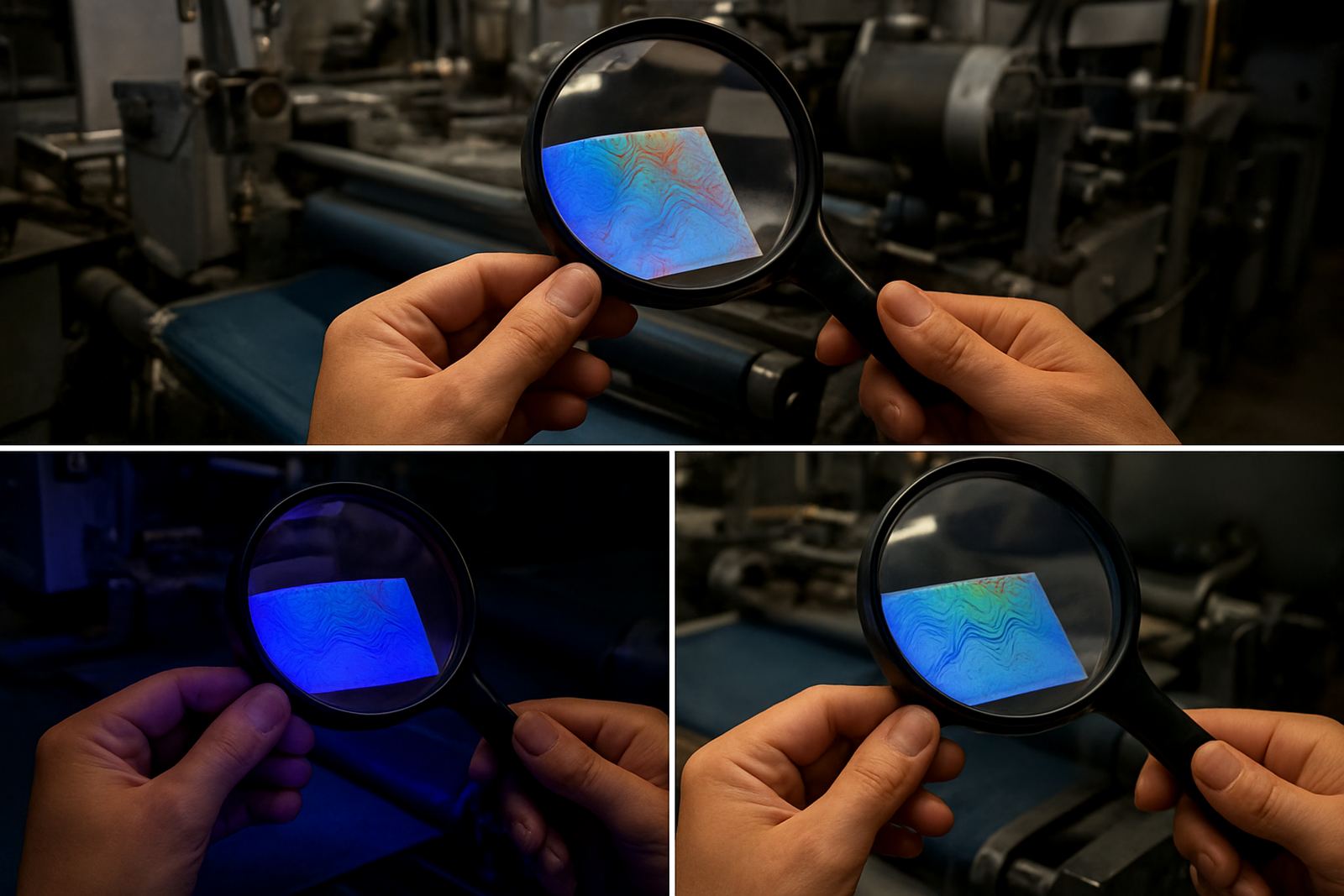
Covert security sits below the obvious layer. It is not meant for casual viewing, but for trained staff who know what to look for. This is often the right choice when the pack needs stronger protection without advertising the method to everyone on the floor.
These features can include hidden marks, specialised colour responses or details that only show under specific checking conditions. For converters, the benefit is control. The mark can be designed into the print run without changing the outward look of the pack too much. That makes it useful for regulated goods, export cartons and products where imitation is a real risk.
For a Durban-based packer handling stock during load-shedding, covert systems also need practical handling. If verification depends on stable lighting, the check area should still work during backup power. If the pack is stored in humid conditions, the finish must stay readable after a long day in a warm warehouse. Small details matter here, and a failed check on the line can cost time and money.
- Suitable when only authorised teams should verify the feature
- Helps protect higher-risk products without obvious marks
- Can be combined with batch records and retain samples
- Works well for controlled distribution channels
Level 3: machine-readable systems for traceable supply chains
Machine-readable security is the most structured level. It is designed for scanning, checking or validation by equipment or trained systems. This is the right route when a business needs a stronger audit trail, especially where goods move across provinces or through multiple contractors.
These systems can support item tracking, batch authentication and line-side verification. They are especially useful for packaging converters supplying food, health and personal care products where traceability is becoming part of day-to-day compliance. If a batch lands in Cape Town, then a later complaint comes from a customer in Gqeberha, the right coding and verification setup can narrow the issue quickly.
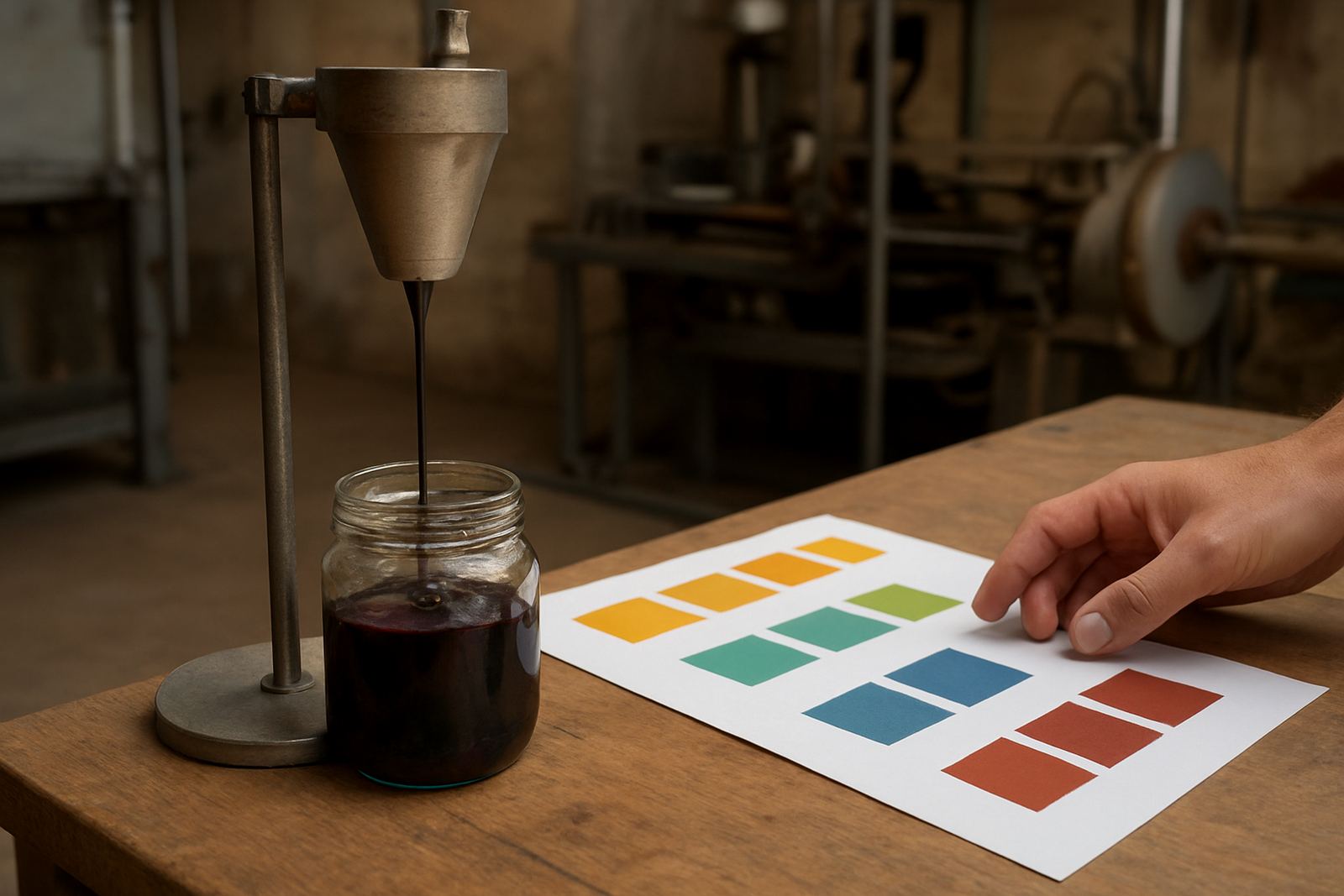
Machine-readable security should be planned early. Ink response, print resolution and substrate choice all affect how well the feature scans. A nice looking panel that cannot be read reliably is not a real control. The press team needs a simple trial, a clear pass standard and a retain library so future batches can be compared against the approved drawdown.
- Supports scanning and traceability across supply chains
- Useful for audits, recalls and batch verification
- Needs controlled print quality and repeatable substrate behaviour
- Best planned with the production team before full run approval
How to choose the right mix for your pack
The strongest packaging often uses more than one level. A visible feature can tell staff where to look, while a hidden or machine-readable mark confirms the pack is legitimate. That layered approach is usually smarter than loading one feature with too much responsibility.
A practical selection process starts with three questions. First, how likely is copying or tampering? Second, who must verify the pack, and how quickly? Third, what conditions will the pack face, from humidity and rubbing to chilling, stacking and transport. Once those answers are clear, the security level becomes easier to define.
- Low risk: one overt feature may be enough
- Medium risk: overt plus covert is often better
- High risk or regulated: add machine-readable control
- Always test the full pack structure, not just the ink
It also helps to keep production practical. If the feature slows the line too much, or needs special handling that the plant cannot maintain, the risk of error rises. The best system is the one your team can run consistently, shift after shift.
A Durban example: chilled cartons moving through a humid chain
Take a chilled food carton leaving Jacobs for national distribution. The pack may spend time in a warm production area, then a cold room, then a delivery vehicle, and later a retail back room. That movement creates a lot of stress on inks and coatings. If the pack includes a temperature cue at the overt level, a covert check for supervisors and a machine-readable batch mark, the business gets both speed and control.
Now add local realities. Coastal humidity can affect drying and surface holdout. Municipal delivery timing can push trucks into hot afternoon loading periods. Load-shedding can interrupt line flow and change the time between print and packing. In that setting, the test phase is not optional. It is where you check adhesion, rub resistance, threshold tuning and coating compatibility before the batch goes live.
For converters in Durban South, Pinetown or Prospecton, this is where good production support pays off. A trial batch, a proper drawdown panel and a confirmed press startup give the line a far better chance of holding up in real conditions, not just in the lab.
What to check before signing off a security ink run
Before a security ink job is released, the team should confirm that the print is readable, the response is repeatable and the pack still looks clean on shelf. A good sign-off is part technical, part operational. It should protect the customer, but it should also protect your production schedule.
Make sure the following items are covered:
- Adhesion on the final substrate or coating
- Rub resistance after drying and after packing
- UV verification setup where relevant
- Retain samples stored by batch and date
- Security pattern design approved before the run
- Clear instructions for operators and quality checks
When these basics are in place, security ink stops being an extra and becomes part of the pack’s normal control system. That is what most businesses need: practical protection that holds up from the first carton to the last pallet.