Why the finish matters before the carton is even packed
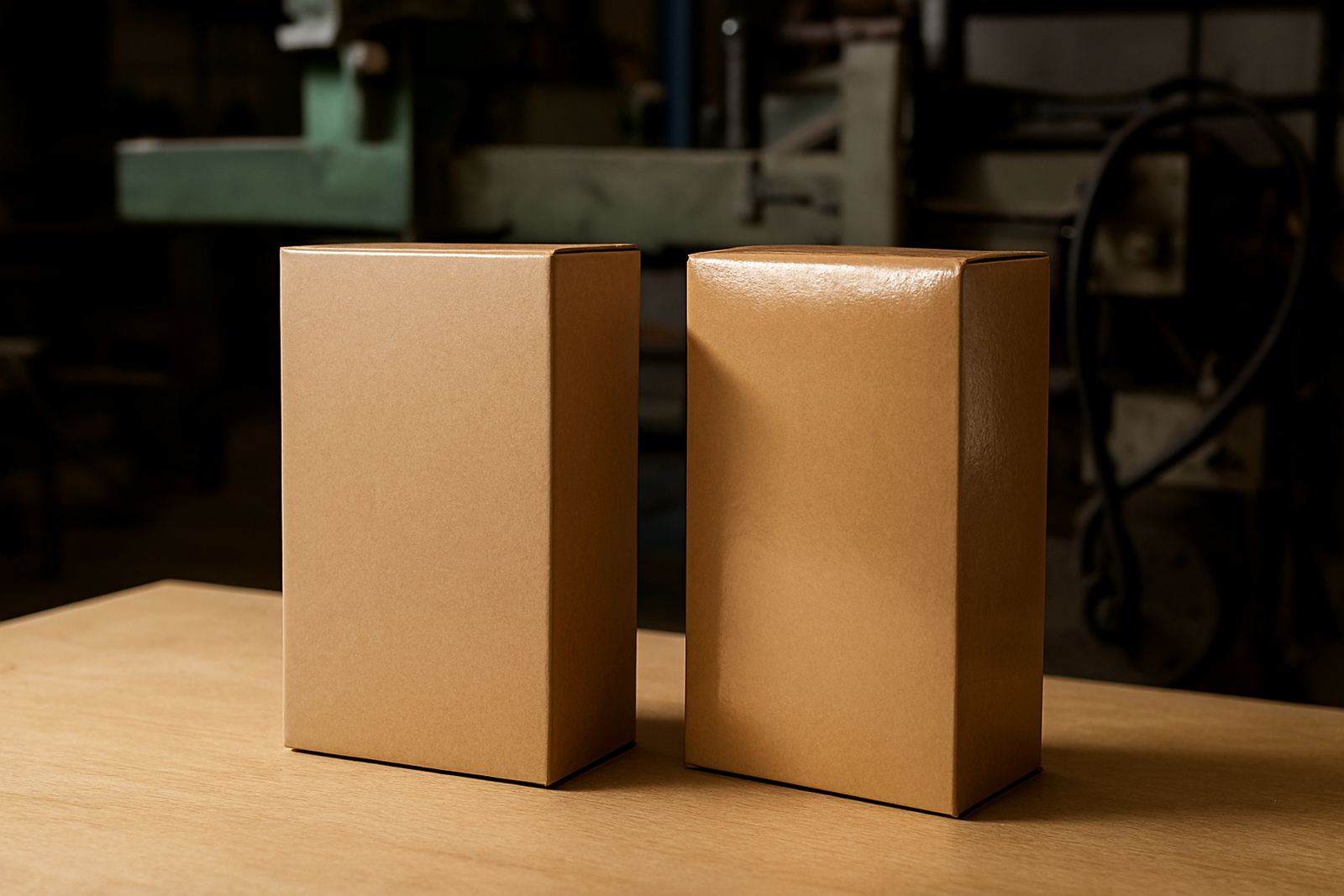
When a pack leaves the press, the coating choice starts doing quiet work. A gloss finish reflects more light and usually gives colour a wetter, sharper look. Matte cuts the shine, softens contrast and can make a pack feel more restrained or premium depending on the artwork.
For packaging converters in Jacobs, Pinetown and Prospecton, the choice often comes down to where the product will sit, how it will be handled, and whether the print needs to be read quickly on a busy line. If a product is chilled, moved through cold stores, or stored near open loading bays, the finish can influence how the pack copes with fingerprints, moisture and repeated handling.
There is no single best option. There is only the finish that suits the product, the substrate and the way the pack will be used in real conditions.
What gloss coating does well on shelves and in transit
Gloss coatings bring out strong colour, especially on bold graphics and dark backgrounds. They can help packaging stand out under retail lighting, which is useful when a buyer is scanning a shelf quickly. On folding cartons and printed labels, gloss also tends to make images look more defined and gives a cleaner wet-look appearance.
From a practical point of view, gloss is often chosen where abrasion matters. It can help reduce visible marking from light rubbing during packing and transport, though the actual performance still depends on the coating chemistry, the print laydown and the carton surface. In humid coastal areas like Durban, a well-matched gloss system can also be easier to wipe clean if the outer pack picks up handling marks.
- Best for strong colour and high shine presentation
- Often preferred for promotional packs and fast-moving retail lines
- Can make artwork appear more saturated under bright store lighting
- Useful where a cleaner, more reflective finish supports brand visibility
Where matte works better for handling and legibility
Matte coatings reduce reflection, which helps text, barcodes and small details stay easier to read under mixed lighting. That matters in warehouses, on shop floors and in distribution centres where packs are viewed at different angles. For premium food, personal care and speciality packaging, matte can give a softer appearance that feels considered without looking loud.
Matte can also hide minor surface marks better than gloss. Light scuffing, finger marks and slight print variation may be less noticeable, which is useful when cartons are handled repeatedly during dispatch or repacking. On the other hand, matte is not automatically tougher. Some matte systems mark more easily if the coating is not suited to the board or the finish is too soft for the line speed.
In South African packaging plants, this is where testing matters. A finish that looks good on one substrate may behave differently on another, especially when the board absorbs coating unevenly or the stack sits overnight in warm, damp air.
How to choose between matte and gloss for your product line
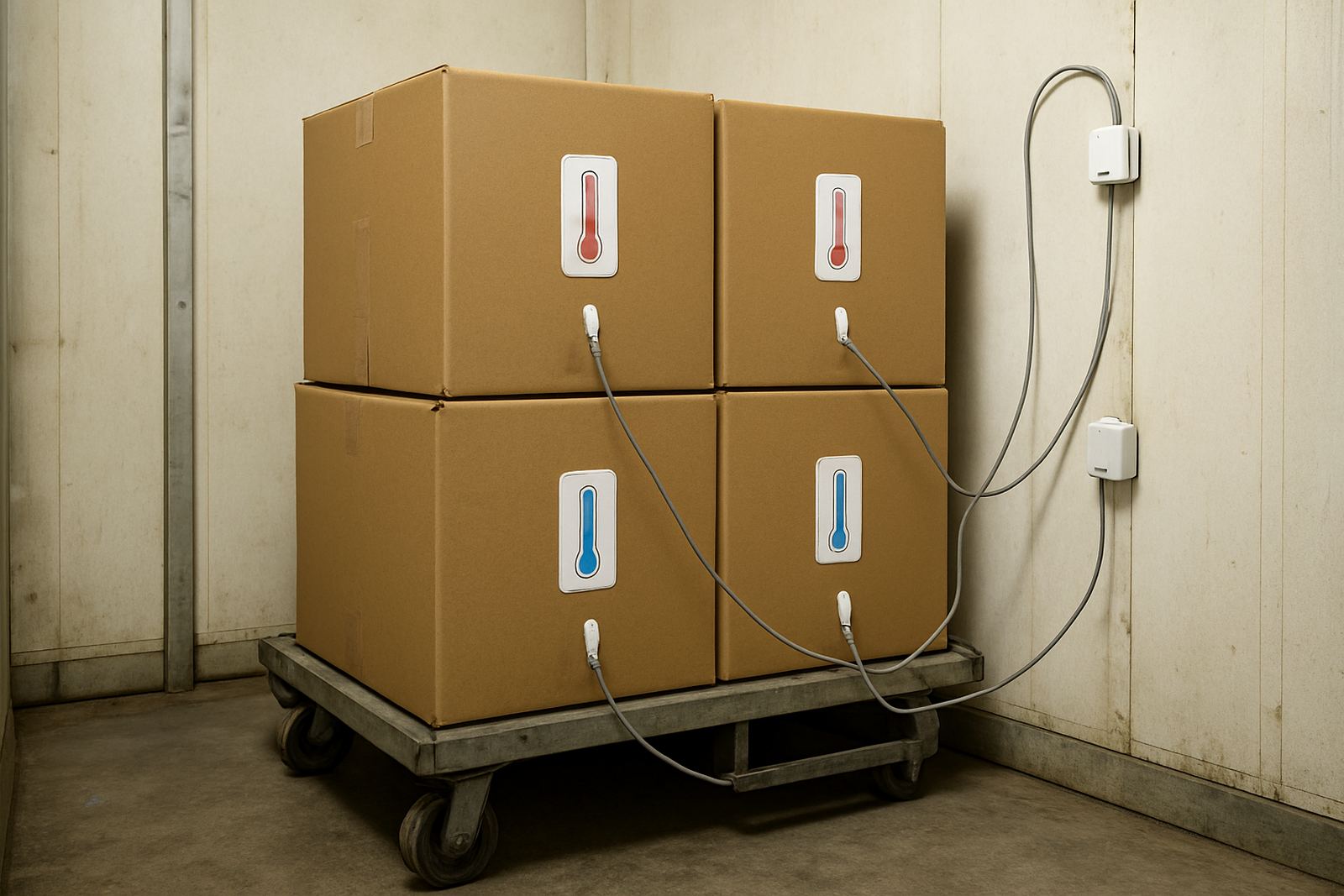
The right choice starts with the product, not the trend. A pack for temperature-sensitive goods may need a finish that supports clear warning graphics or colour-change elements. A security-focused pack may need a finish that does not interfere with fine line artwork, hidden features or verification marks. If the design includes both plain areas and detailed text, the finish should support both without forcing one to suffer.
At ThermoInk, finish selection is usually checked alongside coating compatibility, adhesion, rub resistance and the practical print setup. That matters when a converter is running short batches, changing substrates, or trying to keep production stable across multiple lines.
- Choose gloss when shelf impact and colour punch are the priority
- Choose matte when readability, low reflection and a softer feel matter more
- Test both finishes on the actual board, film or laminate to be used
- Check how each finish behaves after drying, stacking and packing
If the pack will carry security features, the finish should be checked with UV verification setups and sample retention so the final appearance does not compromise the control points used by the production team.
Local conditions in Durban can change the result
Coastal humidity, warm storage areas and load-shedding all affect how coatings behave in production. In Jacobs, a coating that dries well at midday may show different results when the line restarts after power interruption or when stacks sit in a warm store room with limited airflow. Gloss can sometimes show uneven sheen if drying is inconsistent. Matte can show patchiness if the coating is not laid down evenly or if the substrate takes up too much moisture.
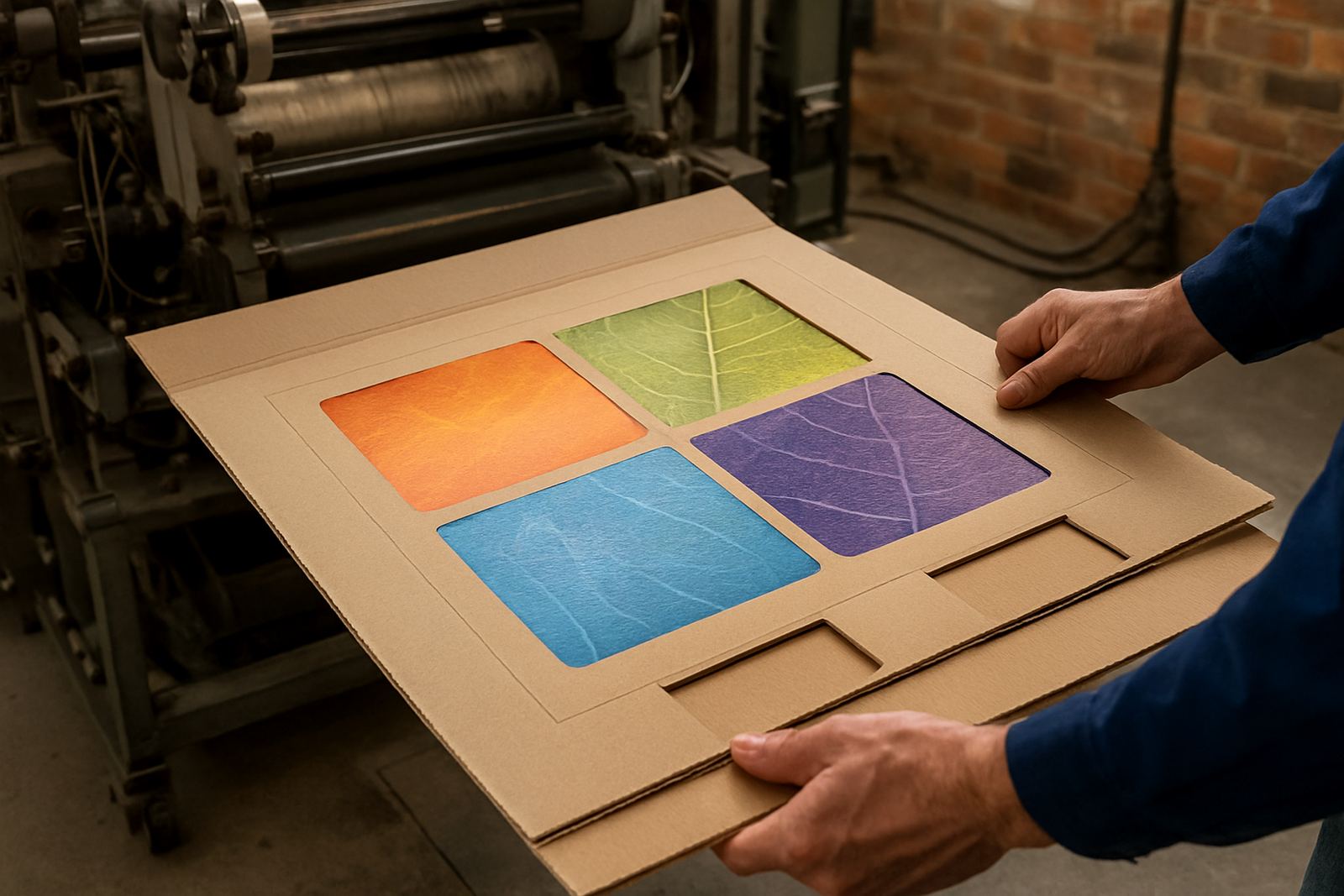
A simple local example: a converter supplying cartons for chilled products into Gauteng may run a matte finish for the main brand panel, then find the barcode area needs a slightly different coating balance to stay legible after transport and handling. That is why drawdown panels and trial batch making are worth the effort before a full run.
Finish choice should also fit municipal storage and waste handling rules, especially where coating wash-up, retained samples and production rejects need to be managed properly. A clean line and a controlled batch library save time later when the same job comes back for repeat supply.
Testing before full production saves rework and complaints
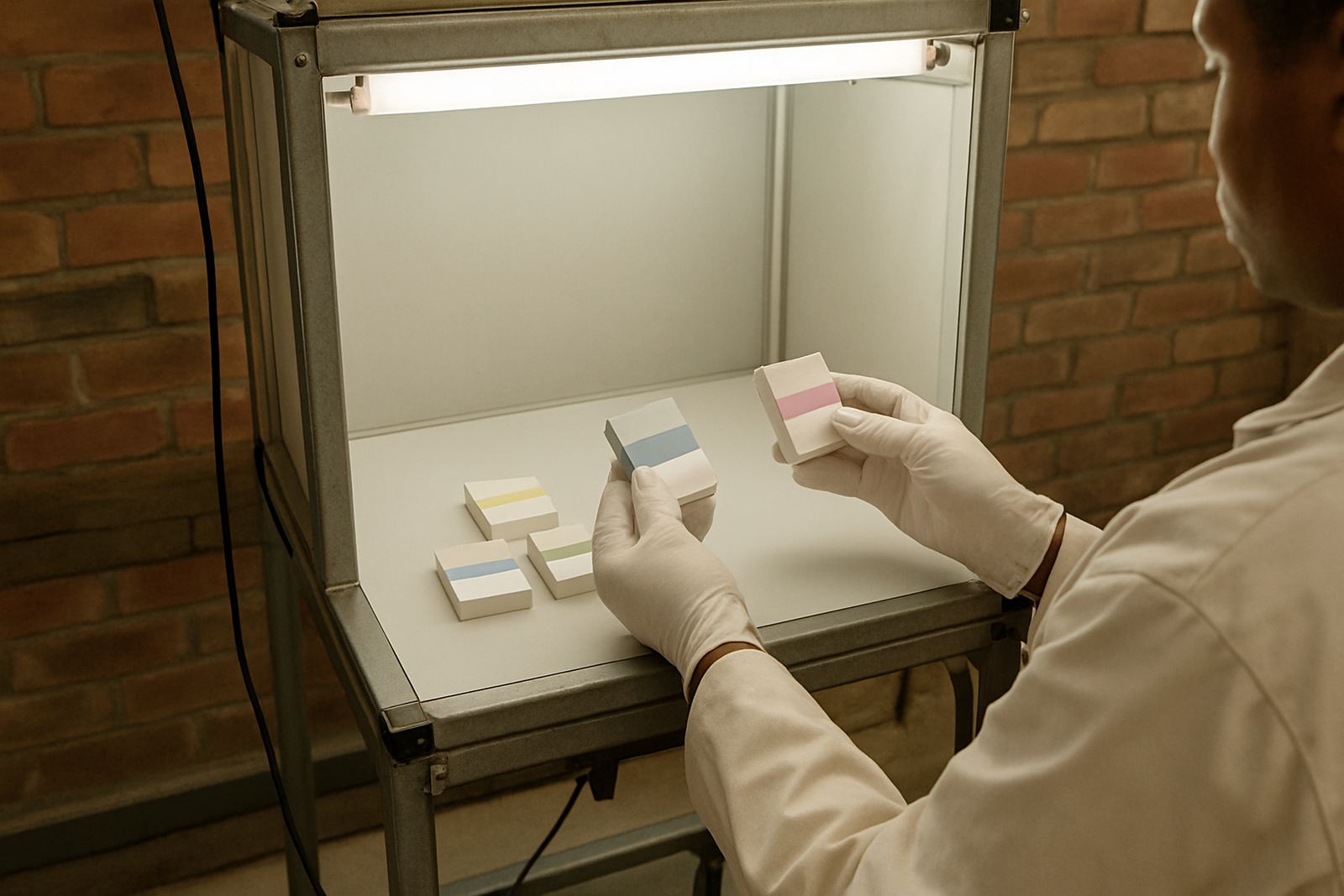
Once a finish is approved by eye, it still needs to prove itself on press and in the pack house. Visual approval alone is not enough. A coating can look right under office light and then scuff badly during cartoning, or a matte finish can look elegant but reduce contrast on critical instructions. Testing is the practical step that prevents this.
Our team works through press startup support, batch retain library checks and production troubleshooting to confirm the finish is doing what it should. For converters in Johannesburg, Pretoria, Cape Town and Gqeberha, that can mean comparing finishes on the same artwork, then checking the chosen one for print consistency across the run.
- Run drawdown panels before committing to the full batch
- Check rub resistance after curing and after stacking
- Test adhesion on the exact substrate and coating stack
- Verify any security or temperature response features after finishing
That process gives the production team something practical to sign off, not just a visual opinion.
The finish should support the pack, not fight it
Matte and gloss are not just style choices. They affect how customers see the product, how staff handle the pack, and how reliably the print survives the trip from converter to shelf. In many cases, the best result is a controlled balance, where the finish supports the brand message and still stands up to the real conditions of South African distribution.
For packaging converters and brand owners, the safest approach is to test early, compare honestly and keep the production realities in view. The right coating should suit the artwork, the substrate, the climate and the line speed. If that sounds exacting, it is. Packaging has to look right and work right.
When the finish is chosen well, the pack does more than catch the eye. It holds up, stays readable and gets the product where it needs to go with less waste and less rework.