Why lab room results are not enough for cold-chain packaging
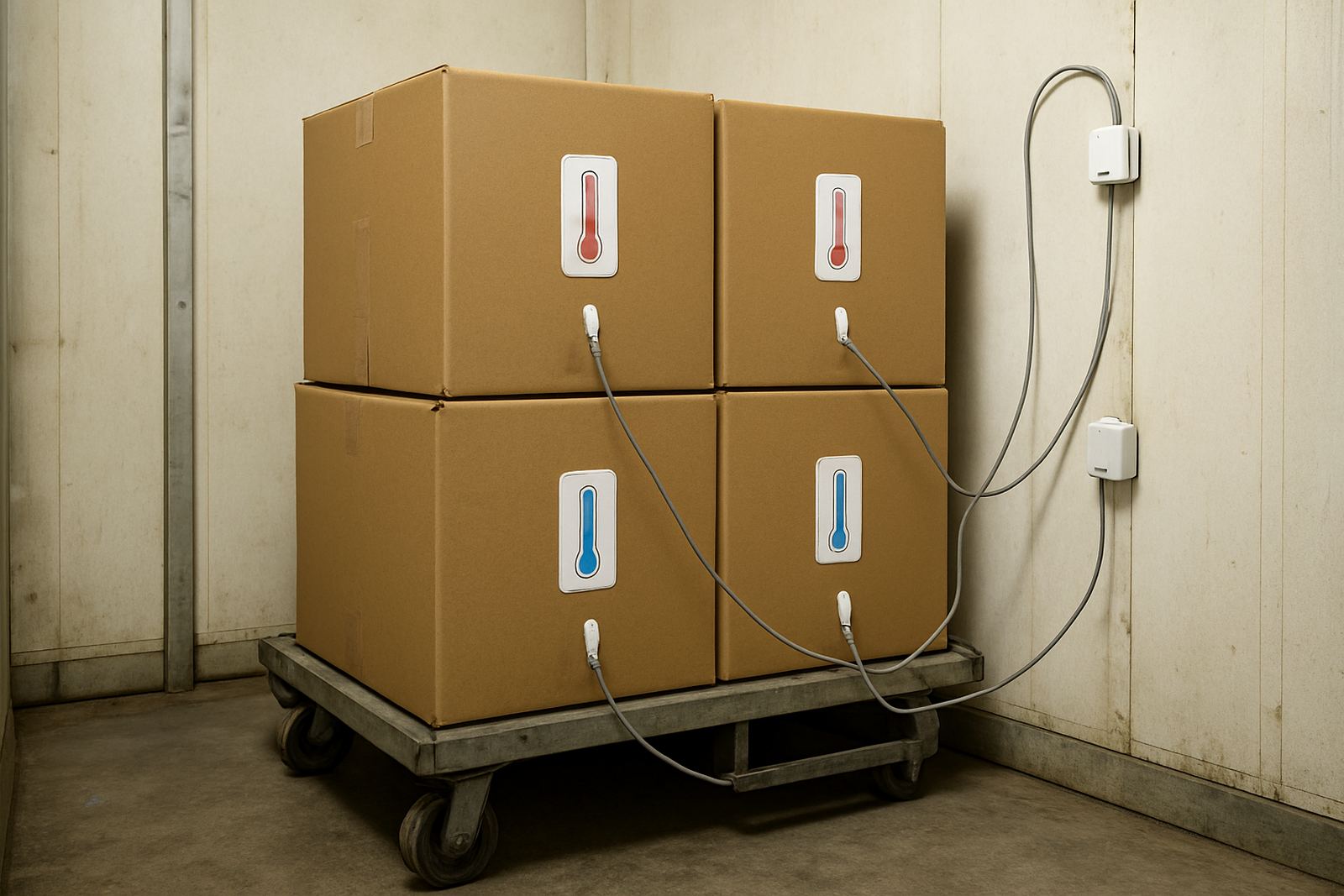
Packaging for chilled dairy, meat, seafood, pharmaceuticals and ready meals has to work in more than one climate. A print that looks fine at 23 degrees in the print room can behave very differently once it spends time at 2 degrees, then moves through a loading bay in Durban humidity, and then sits in a freezer at minus 18 degrees. That is why refrigerated and freezer trials need to follow the real route the pack will take.
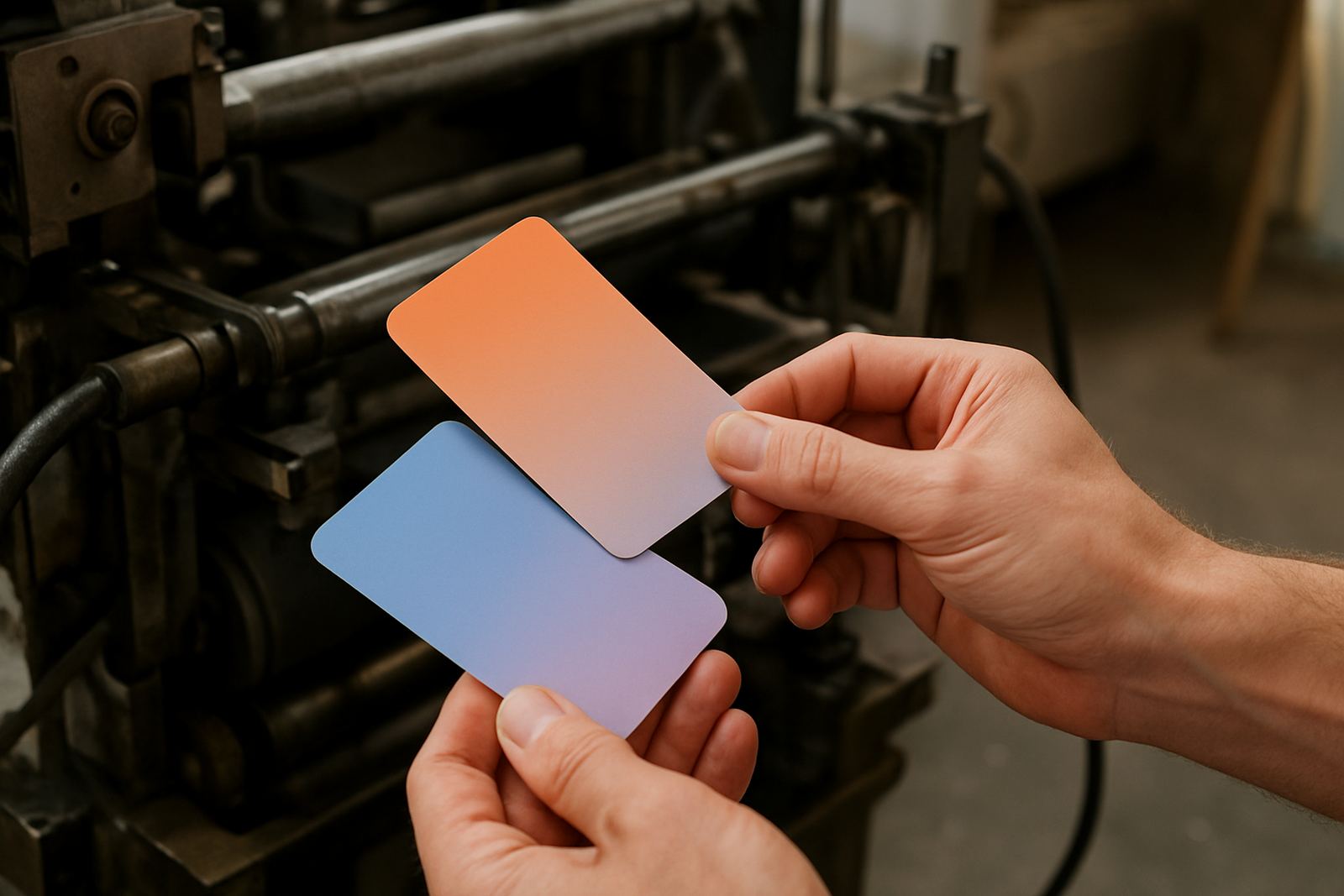
Thermochromic systems are especially sensitive to temperature history. The colour change may trigger too early, recover too slowly, or show uneven response if the substrate, coating or overprint is not matched properly. Security inks can also suffer if the film, board or label stock becomes brittle or picks up moisture. If the test does not mirror actual distribution conditions, the approval is not telling you much.
- Test at the storage temperature your product will actually see.
- Include the movement between cold room, dock and vehicle.
- Check the print after the pack has warmed and cooled more than once.
Build the trial around the real route, not an ideal one
A proper trial starts with the route map. A pack leaving Jacobs for a retailer in Pietermaritzburg will not face the same stress as one going from Durban to Johannesburg by refrigerated truck. The first may see short handling windows and coastal humidity. The second may face longer vibration, stacked pallets and bigger temperature swings during cross-docking. If the trial only covers one short exposure, the pack may pass in the lab and fail in the market.
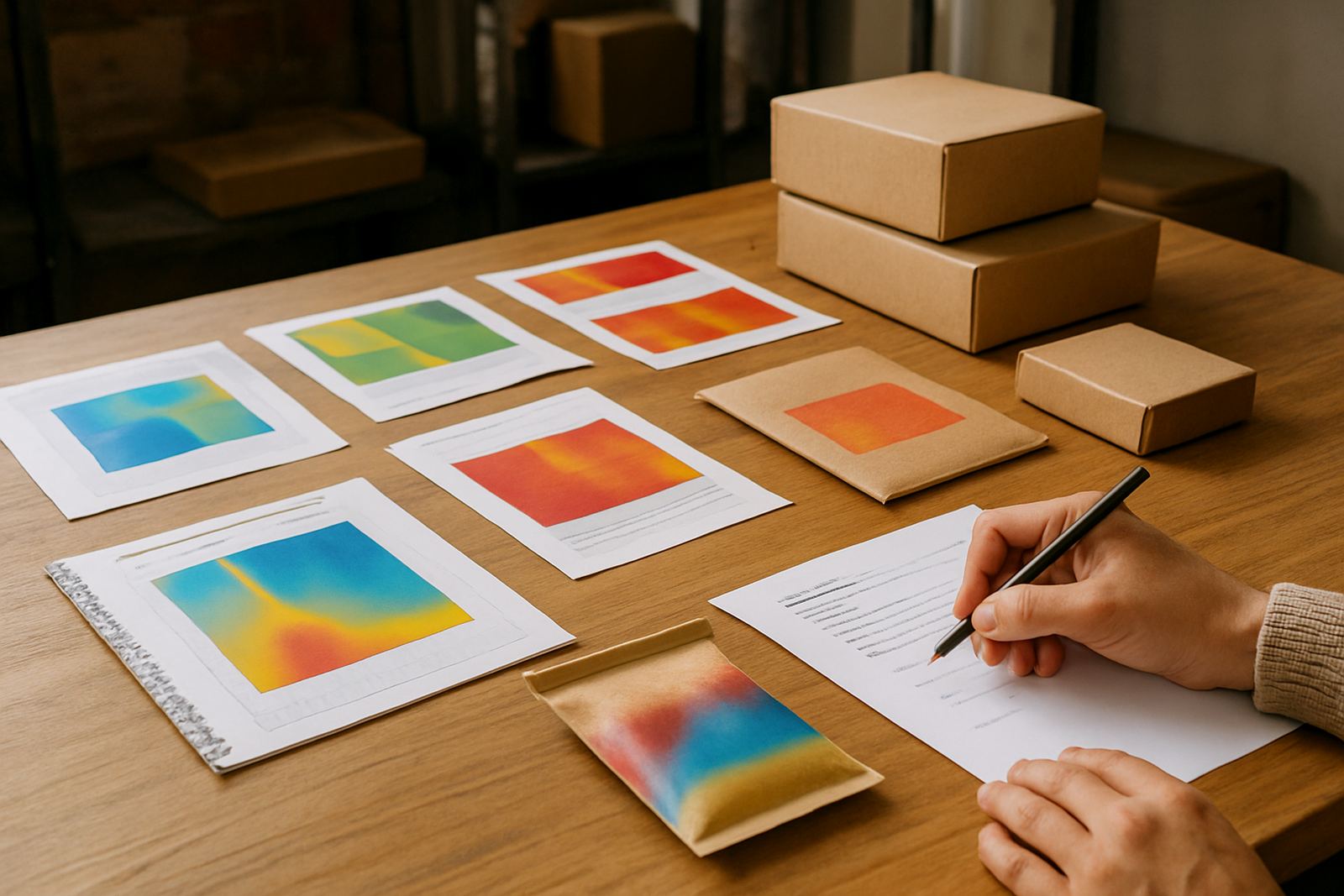
It helps to document each stage: print, cure, pack-out, chilled storage, vehicle loading, delivery, unpacking and shelf display. The same pack should be checked after each stage so you can see where performance drops off. That tells you whether the problem sits in the ink, the substrate, the coating, or the line settings.
- Record the time spent at each temperature band.
- Note any condensation, scuffing or colour shift.
- Compare samples from the start, middle and end of the route.
What to measure during a cold trial
Cold testing is only useful if the measurements are clear. Subjective comments like looks okay are not enough. You need to know if the thermochromic response is hitting the intended threshold, whether the security pattern still reads cleanly, and whether the print survives handling once gloves, frost and damp cartons are involved.
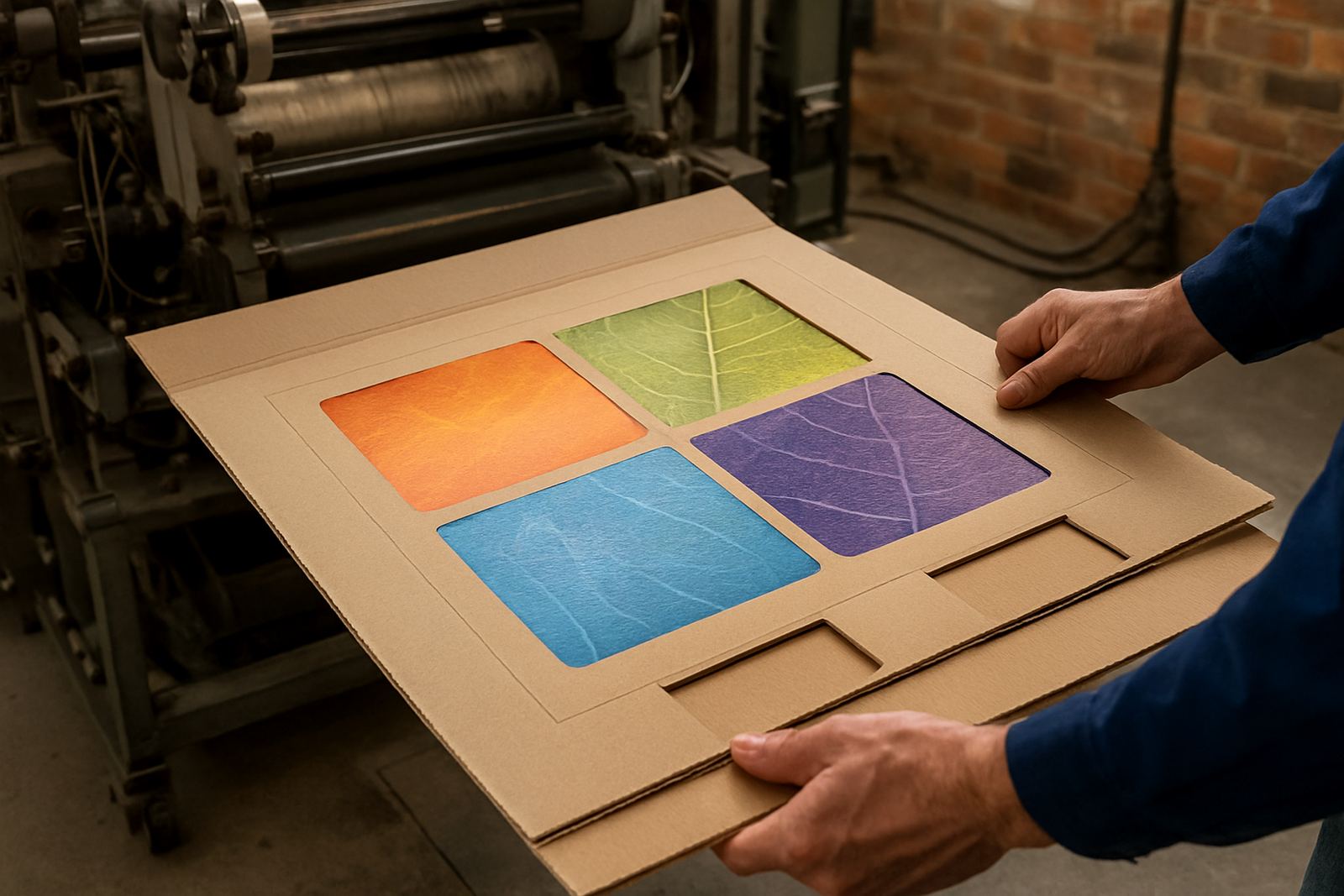
At ThermoInk, the practical checks usually include drawdown panels, adhesion tests, rub resistance checks and UV verification setups. That gives a base reading before the pack enters the cold chain, and a second reading after exposure. If there is a difference, you can see it rather than guessing.
- Threshold tuning to confirm the colour change point.
- Adhesion tests on the actual film, board or label stock.
- Rub resistance checks after cold storage and handling.
- UV verification setups for security features that must remain readable.
Moisture, frost and the Durban factor
Coastal humidity is one of the biggest reasons cold trials need to be done properly. In Durban, a pack can move from a warm, damp loading area into a very cold room and then back out again. That shift creates condensation, and condensation is where many inks start to misbehave. Edges lift, fine lines blur, and some security features become harder to inspect under warehouse lights.
This is particularly relevant for converters working from Jacobs, Prospecton or Pinetown, where production conditions can change quickly through the day. In summer, a press that is stable in the morning may be under different moisture conditions by afternoon. If your cold trial ignores that reality, you may approve a finish that will not survive a real distribution cycle.
It is worth checking drying, cure and coating compatibility before the trial is signed off. A system that is acceptable on paper may still fail once frost or condensation is added to the mix.
How security inks support chilled goods verification
Security printing is not only for high-value cartons. It is also useful where product authenticity and traceability matter, especially for goods that are temperature-sensitive and costly to replace. A clean security pattern can help staff spot tampering, mix-ups or counterfeit packaging quickly in the supply chain.
The challenge is that some security features behave differently in the cold. If a mark depends on fine contrast or specific light response, it must be tested under the same lighting and temperature conditions used in the warehouse. A mark that is easy to verify at room temperature may be harder to confirm on a cold, slightly misted carton.
- Test security features after chilling, not only before.
- Check under the lighting used at receiving bays and dispatch points.
- Confirm that operators can verify the mark without special handling delays.
From trial batch to press startup, then to a retained sample
The safest way to approve a cold-chain ink system is to move in stages. Start with a trial batch, then verify the result on press, then keep retained samples for comparison later. That way, if a customer reports a change in the field, there is a reference pack from the same batch to compare against.
This matters because cold-chain problems often show up weeks after delivery. A carton may leave the plant looking perfect, but the defect only appears after repeated freeze-thaw cycles or rough handling in the distribution centre. Retained samples and production notes make troubleshooting far easier. They also help with batch consistency when different sites or shifts are involved.
For converters supplying nationwide, from Durban to Cape Town, Gqeberha, Johannesburg or Pretoria, the real test is consistency across transport routes and warehouse conditions. That is where press startup support and production troubleshooting earn their keep.