Why primer matters on difficult packaging substrates
Primer creates a better surface for the ink to grip. On smooth films, coated boards, treated plastics and recycled board with mixed fibre content, the print layer can sit too high on the surface and mark easily. A primer helps the ink anchor, so the result holds up better through packing, transport and shelf handling.
In Jacobs and across Durban, humidity can change how a substrate behaves during the shift. On a warm morning a sheet may print fine, then after a coastal change in moisture the same stock starts showing slower drying or patchy hold. Primer gives some tolerance when the material itself is not consistent. It is especially useful where the final pack must withstand rubbing in distribution, stacking in humid stores, or repeated handling at filling and packing lines.
When the substrate tells you not to skip it
The clearest signs come from test prints. If you see scuffing after light rubs, weak transfer, uneven coverage, or the print lifts during folding and creasing, you are likely dealing with a surface that needs priming. Some substrates look printable but behave badly under press speed, heat or pressure. That is where a proper primer trial saves time and wasted stock.
- Glossy films that resist wetting
- Low surface energy plastics
- Highly coated cartons and laminated packs
- Recycled boards with uneven absorbency
- Packaging that will be handled many times before use
- Items that must keep a clear code or security feature after transit
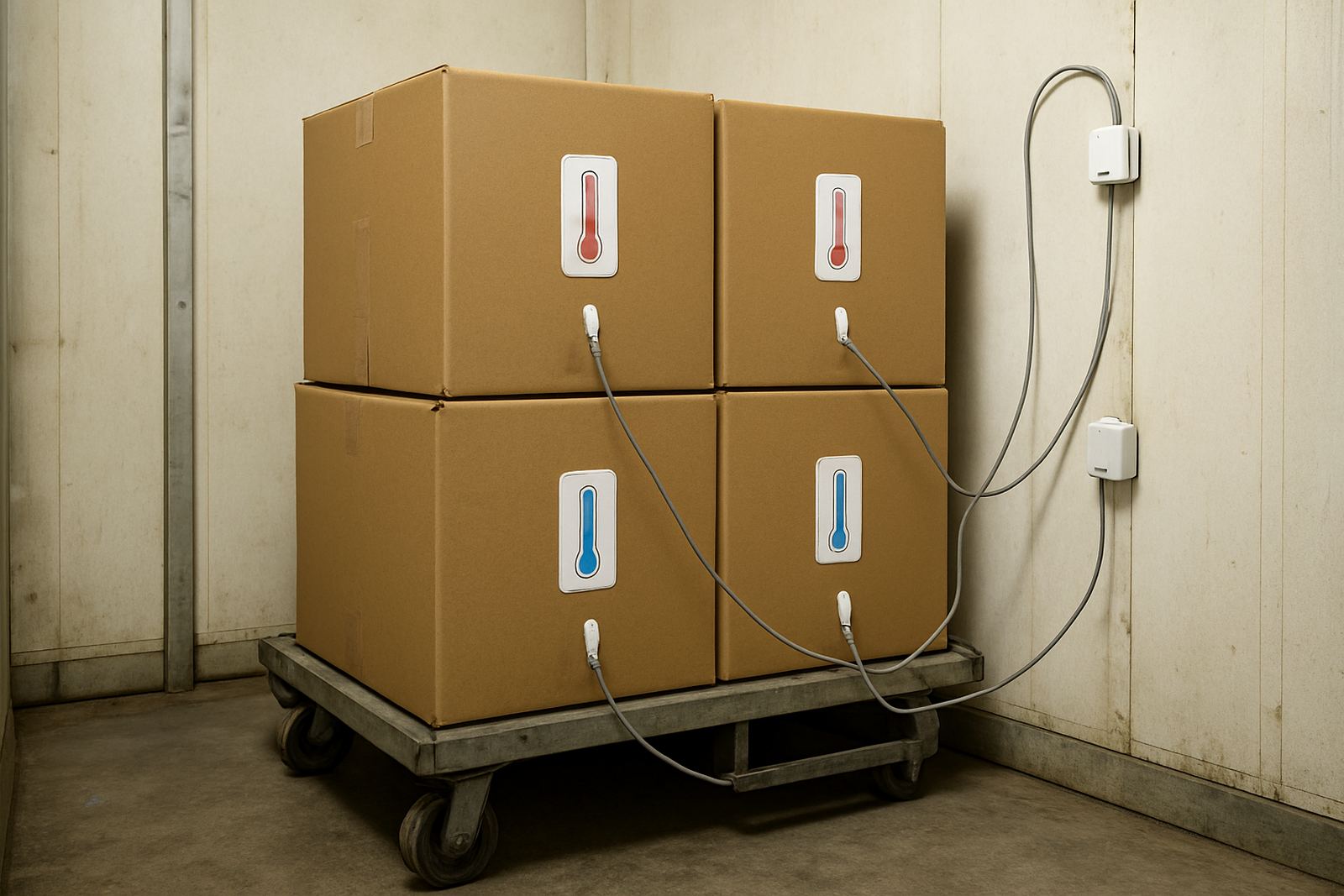
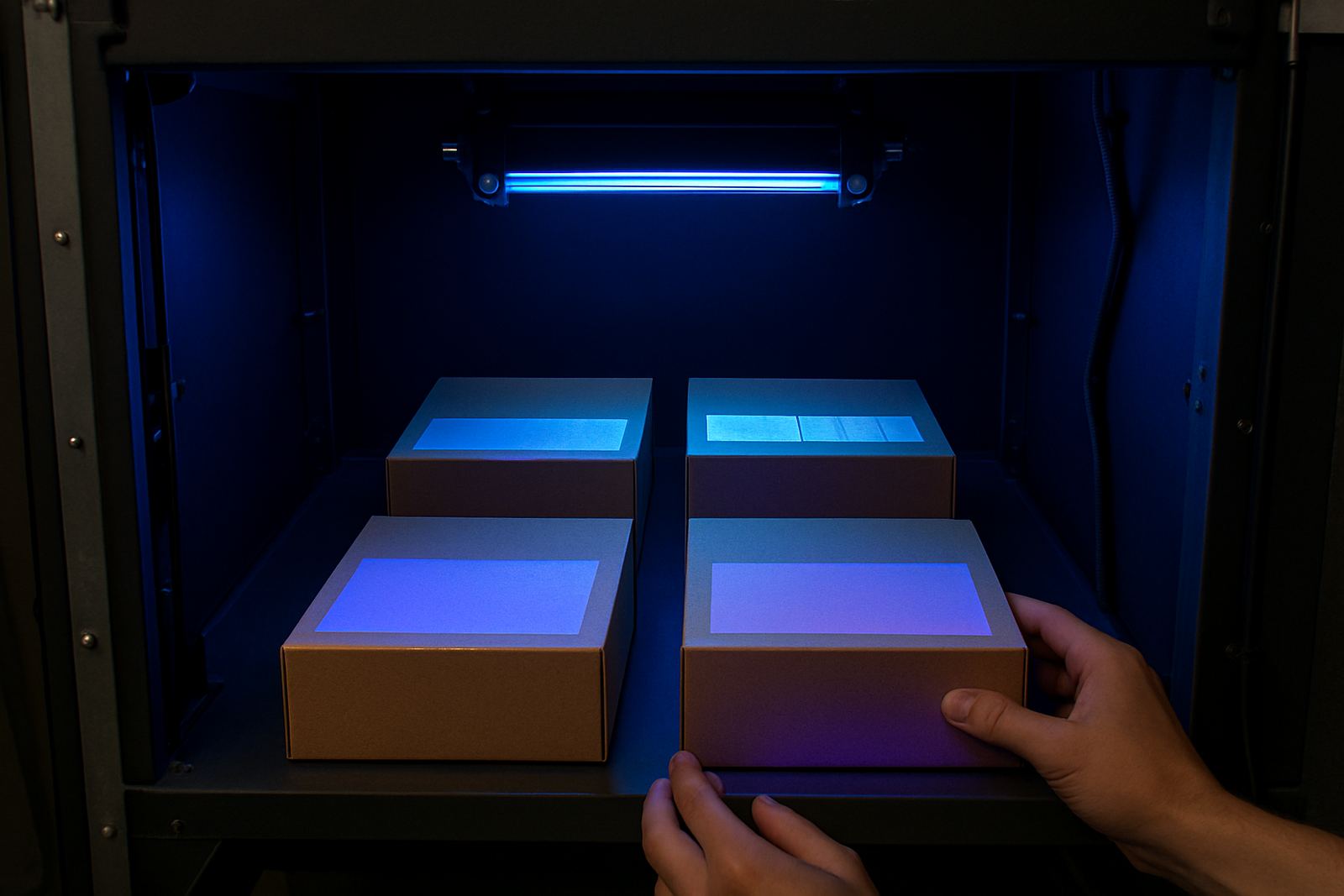
If the pack carries a temperature cue or a security pattern, primer can also support more reliable visual performance. Without it, the effect may look fine at first but lose clarity when the pack is folded, rubbed or exposed to warm store rooms.
Jobs where primer pays for itself quickly
Primer is worth considering when the cost of a failed run is higher than the added process step. That includes short promotional runs on premium packs, food and personal care packaging with strict appearance standards, and security printing where the mark must stay readable. If you are matching brand colour on a substrate that shifts from batch to batch, primer can reduce variation before the ink even reaches the sheet.
For converters in Gauteng or the Western Cape sending work through busy production schedules, primer also helps reduce press stoppages. A smoother first pass means fewer adjustments at startup and less time spent chasing adhesion faults later in the day.
- Premium cartons where shelf appearance matters
- Health, hygiene and food packs with strict handling demands
- Security ink work that must survive abrasion
- Temperature-sensitive packs needing steady visual response
- Repeat jobs where batch consistency is important
What to test before you commit a full batch
Never rely on a visual check alone. A print that looks good coming off the line can still fail after curing, folding or transport. Start with drawdown panels and a small trial batch on the exact substrate you plan to use. Then check adhesion, rub resistance and any colour change or security feature under the same conditions the finished pack will face.
At ThermoInk, the useful questions are practical ones: does the primer improve hold, does it change the colour response, and does it affect how the ink behaves on press. Some primers add a cleaner anchor point, while others can create compatibility issues if they are too closed or too heavy. That is why threshold tuning and coating compatibility testing matter before full production.
- Run adhesion tests on the actual substrate lot
- Check rub resistance after full cure time
- Confirm the primer does not dull the desired effect
- Review drying or curing under the real press speed
- Keep retain samples for later comparison
A Durban example from a humid supply chain
A converter in Durban South was packing temperature-sensitive cartons for chilled goods moving inland. The first run looked acceptable, but once the packs sat in a humid store room overnight the print started marking at the corners. The issue was not the ink alone. The substrate had a light coating and the adhesive hold was too weak for the route to Johannesburg.
After a primer trial, the pack held better through folding, stacking and rub testing. The change was not dramatic on the press sheet, but it made a clear difference in dispatch and in the warehouse. That is often how primer works. It does not always make the job look flashier, it just makes the result behave properly when the pack has to travel, wait and be handled by several people before it reaches the customer.
How we help decide if priming is worth the step
There is no blanket answer, because the right choice depends on the substrate, the press and the final pack use. Our team works with packaging converters nationwide, from Pinetown and Prospecton through to Cape Town, Gqeberha, Johannesburg and Pretoria. We handle colour matching, drawdown panels, trial batch making, press startup support, batch retain library work and production troubleshooting so you can see what the primer is doing before you commit.
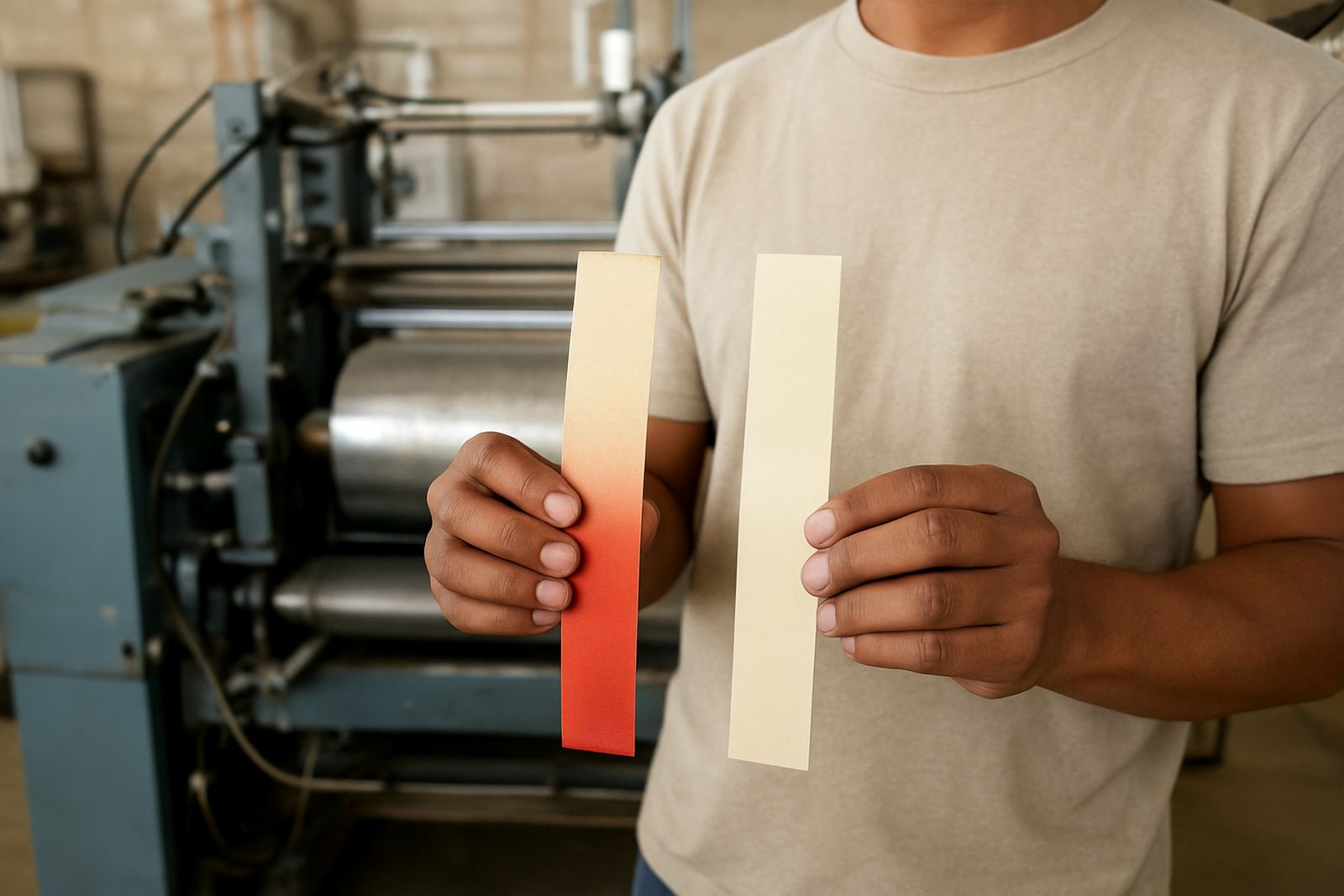
If a job is borderline, we will usually start with a small comparison. One side gets the primer, the other does not. Then the results are checked for hold, rub resistance and compatibility with the finish you need. That practical test answers the real question quickly: will primer save you from rejects, or is the substrate already good enough on its own.
For packaging work in South Africa, primer is worth using when the surface is difficult, the handling is heavy, or the print must stay readable and neat through the full supply chain. If any of those apply, it is worth testing before you go live.