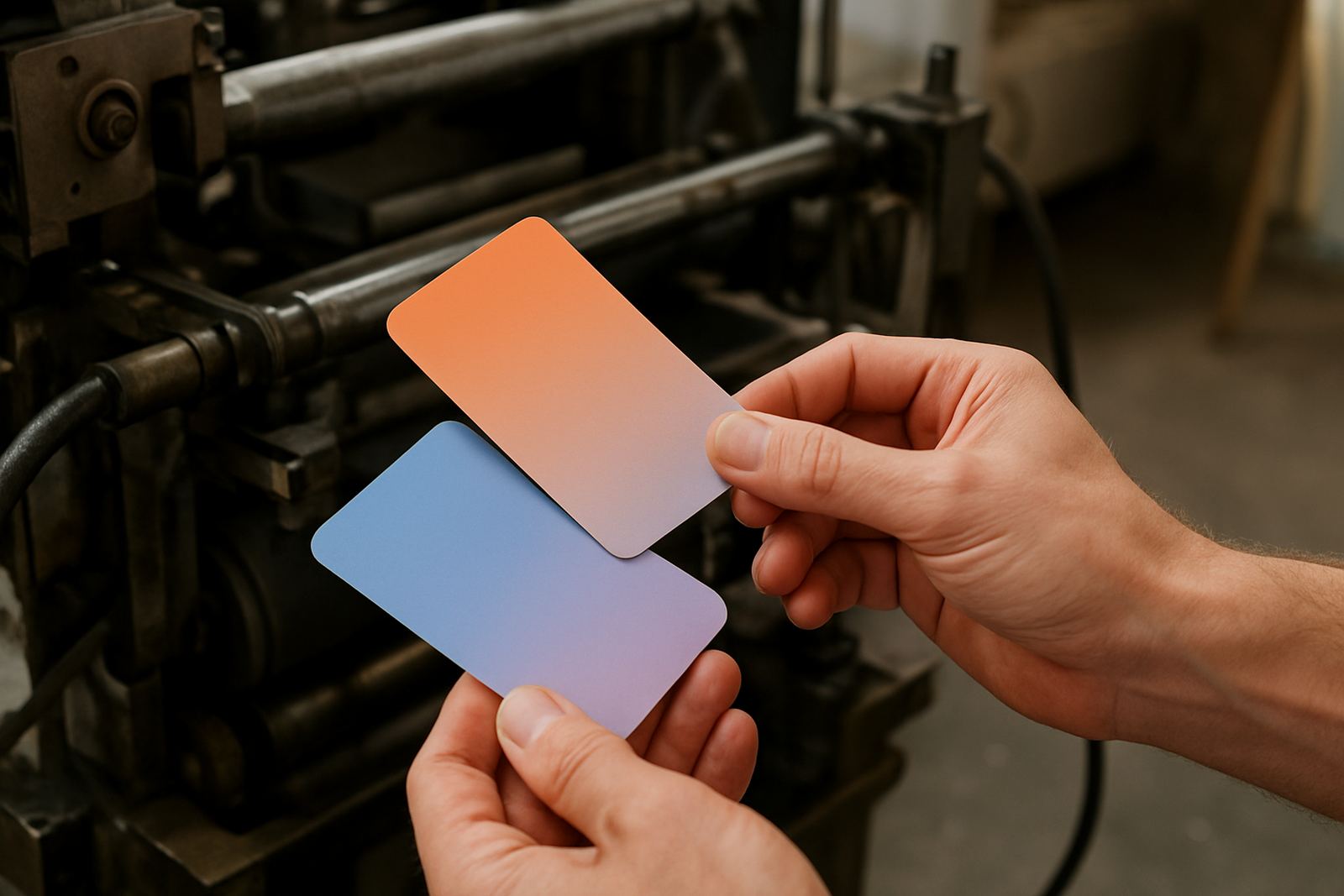
What UV authentication marks do on a pack
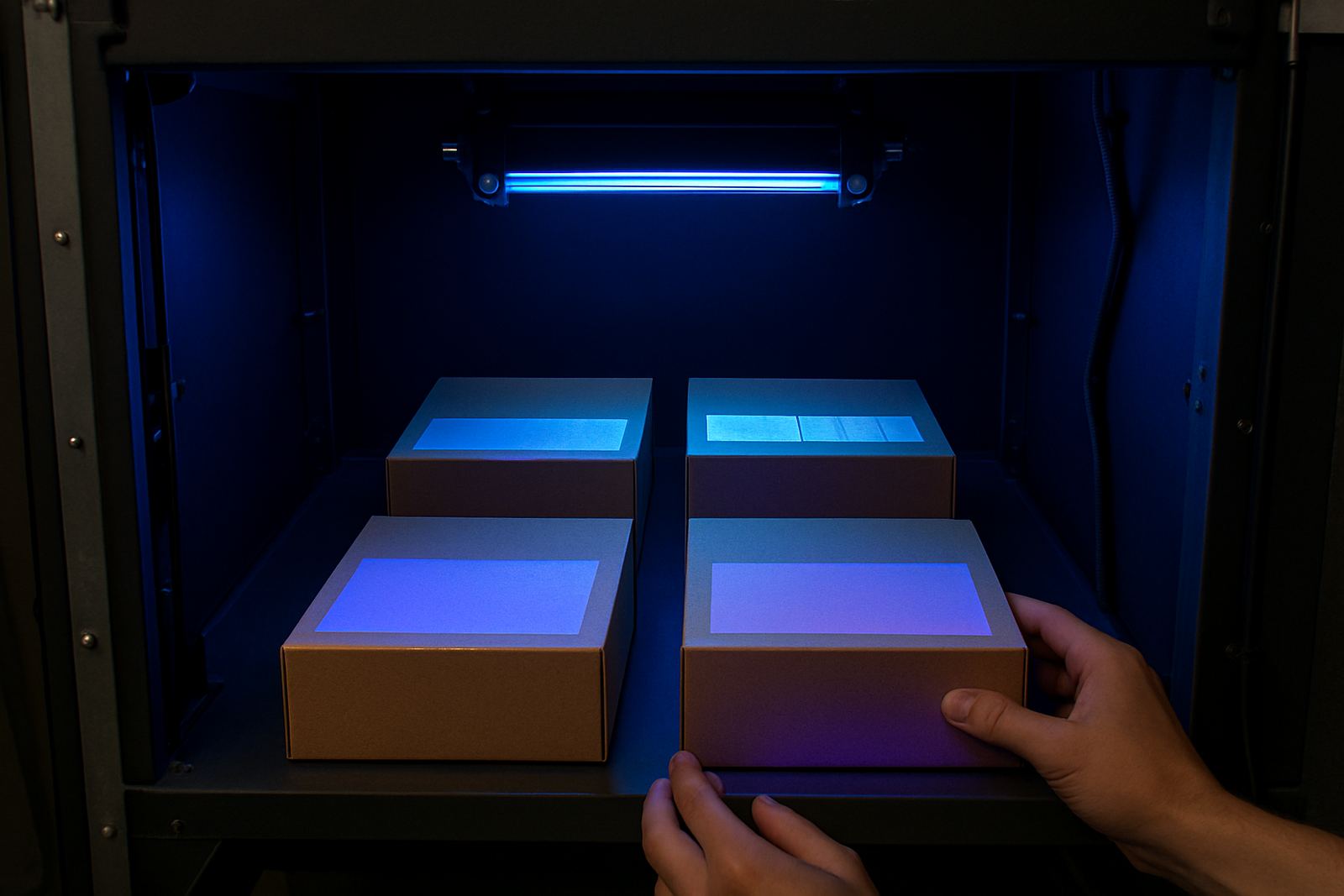
UV authentication uses a mark, pattern or coating that stays hidden in normal light and shows up only under the right UV lamp. On the line it looks ordinary, but in a receiving bay, storeroom or retail back room it can confirm that the pack is the one that left the approved production run.
For food, personal care, supplements and higher risk goods, this gives teams a fast visual check before stock is moved, shelved or released. It is not a replacement for batch records or barcodes, but it adds another layer that is hard to copy without the correct ink system and verification method.
Why distributors in South Africa use covert marks
Local supply chains have a few practical pressures. Trucks can sit longer in traffic, cartons may travel through humid coastal conditions, and stock often changes hands more than once before it reaches the shop floor. That makes a simple verification step very useful.
UV marks help teams answer three questions quickly: is this pack genuine, is it the right batch, and has it been opened or altered. In Durban, for example, a distributor receiving chilled goods from Jacobs can scan samples at intake before the load is split for inland routes to Pietermaritzburg, Johannesburg or Pretoria. A quick check like that can stop a problem from spreading through the next delivery cycle.
- Useful for pallet checks at the warehouse gate
- Helpful for spot checks by field reps and auditors
- Works on cartons, labels, cartons sleeves and some flexible packs
How the mark is built so it stays discreet
Good UV authentication is planned from the start. The mark may be a repeating symbol, a coded pattern, a tiny logo element or a custom image placed in a chosen area of the artwork. It can be designed to appear in one colour under shortwave or longwave UV, depending on the verification setup.
Matching the ink to the substrate matters. A mark that looks perfect on board may fail on a coated sleeve, while a strong security ink can behave differently on a PE film or varnished carton. This is why drawdown panels, adhesion tests and rub resistance checks are part of the process before full production. If the mark scuffs off in handling, it is not doing the job.
- Choose the right activation type for your inspection lamp
- Test on the final packaging material, not just on sample board
- Check that print and overprint varnishes do not mask the mark
- Keep the design simple enough for fast verification
What retailers and warehouse teams need to verify it
Most verification setups are straightforward. Staff need the agreed UV light source, a sample reference and a clear rule for what should appear. If the mark is too faint, too bright or appears in the wrong place, the lot should be held for review.
That process works best when the supplier and the receiver agree on the viewing conditions. Ambient light, lamp distance and angle can all affect the result. A mark that passes in a dark packing room may look weak under bright warehouse lighting, so the inspection point should be fixed and documented.
It also helps to train teams on what not to do. Do not rely on one sample from the top carton only. Check a few units from different parts of the pallet, especially on long-distance loads that have been repacked or re-labelled en route.
Common mistakes that weaken UV authentication
Many failures happen because the ink system was treated as a simple add-on. Security marks need the same care as any other production step. If the coating changes, the substrate changes or the press conditions shift, the UV response can drift.
Production teams should watch for poor cure, over-thinned ink, dirty anilox or roller systems and incompatible overprint coats. Coastal humidity can also affect drying on certain lines, especially where windows are open or air control is limited. In those cases threshold tuning and press startup support make a real difference, because a small change in output can be enough to spoil the effect.
- Keep a retained batch library for reference comparisons
- Record the approved lamp type and viewing distance
- Recheck the mark after any artwork, coating or substrate change
- Retest after production stoppages or long load-shedding breaks
A practical Durban example for packers and distributors
Think of a Jacobs-based packing line sending sealed cartons to a national distributor. Each carton carries a hidden UV pattern that confirms the batch and the approved run. At intake in Cape Town or Johannesburg, the warehouse team checks a sample from the pallet against the retained reference. If the pattern appears correctly, the load continues. If it does not, the batch can be isolated before it reaches stores.
That kind of control is especially useful where goods move through several depots and contractors. It gives the brand owner, the converter and the retailer one shared check point. For businesses that already manage colour matching, security pattern design and coating compatibility, UV authentication becomes part of a practical packaging system rather than an extra complication.
Done properly, the mark stays hidden from the consumer but visible to the people who need to verify it. That is the point: quick checks, clear results and less room for fake or tampered stock to slip through.
When to involve the ink specialist early
The best time to plan UV authentication is before the first print run, not after a problem in the market. If you are changing substrates, adding a gloss coat or moving production between sites, the verification setup should be reviewed at the same time.
ThermoInk works with packaging converters nationwide from Jacobs in Durban, with local supply routes into Durban South, Pinetown, Prospecton, Cape Town, Gqeberha, Johannesburg and Pretoria. That national reach matters when one format is printed in Durban and verified elsewhere. A clear specification upfront saves rework, protects the batch and keeps the mark readable where it counts.
If your team needs a practical starting point, ask for a trial batch, UV verification setup and press startup support. Those steps show whether the mark will hold up on your actual line and in your actual distribution chain.