What scanner-based packaging verification actually checks
Machine readable security is not only about a logo that changes colour. It is about inks and printed features that can be read by a scanner, camera, hand-held verifier, or inline inspection set-up so a pack can be checked against a known reference.
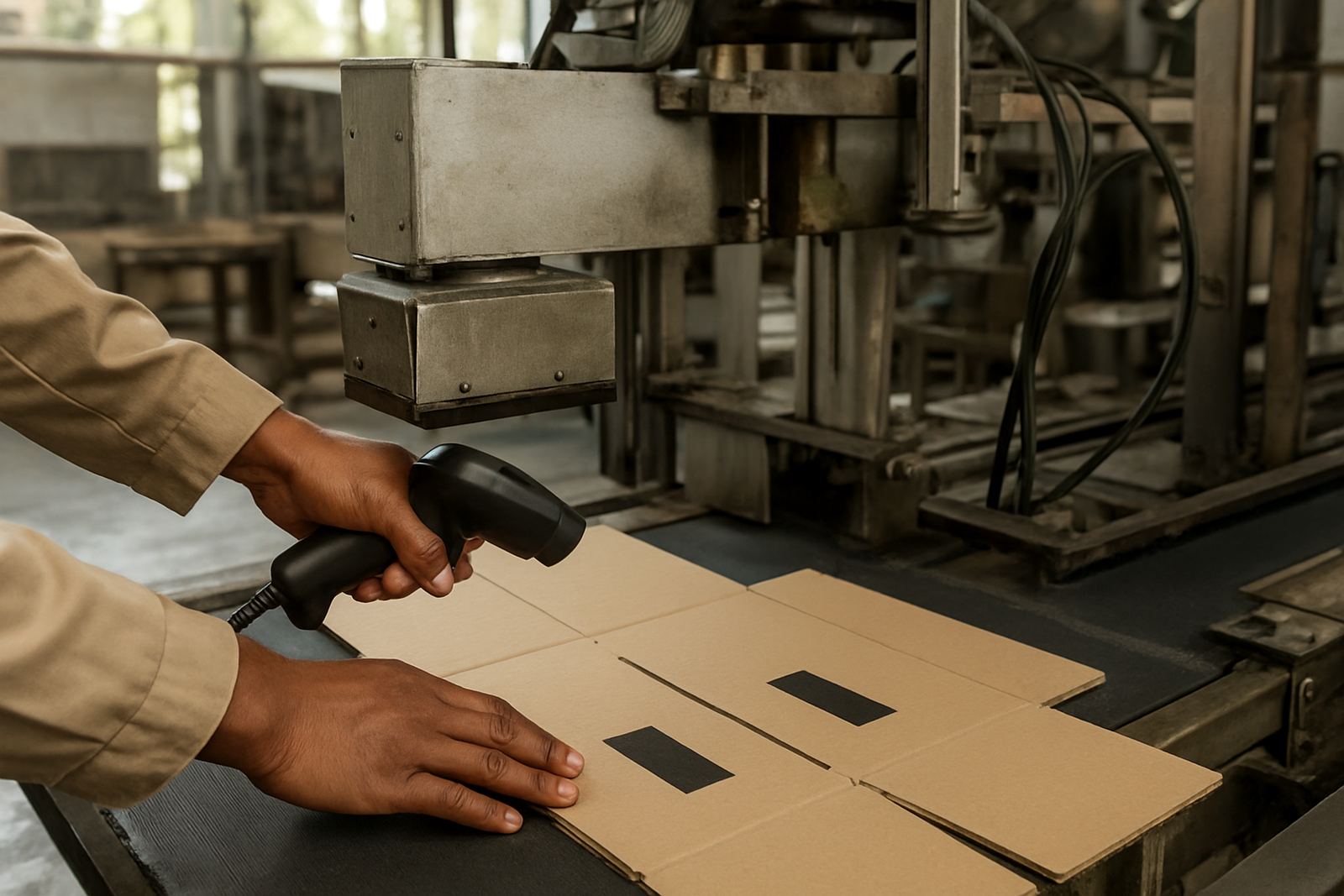
In practical terms, the scan can confirm whether a mark is present, whether the print has the right signal, and whether the right zone on the pack has been applied. That helps with cartons, sleeves, labels, inner wraps and tamper-evident features where a simple visual check is not enough. On busy packaing lines in Durban, Johannesburg or Cape Town, this gives teams a faster yes or no before product moves further down the chain.
- Presence checks for security marks and encoded print areas
- Verification of colour response under the correct light or scanner setting
- Line-side checking for print position, density and contrast
- Support for traceability where batch records must match the pack
Why South African packers use machine readable security
South African packaging has its own pressures. Load-shedding can interrupt press schedules, humidity can affect drying on the coast, and different depots need the same pack spec to behave the same way. A machine readable feature helps keep the verification step stable even when handling conditions change.
For food, personal care, agrochemical and household packs, the benefit is twofold. First, the mark helps teams spot the right item in a mixed pallet or reworked batch. Second, it helps add a layer of authenticity that is harder to copy by eye alone. Where stock moves from Jacobs to Pinetown, Prospecton, or out to inland depots, that extra check can save time at receiving and reduce claims later.
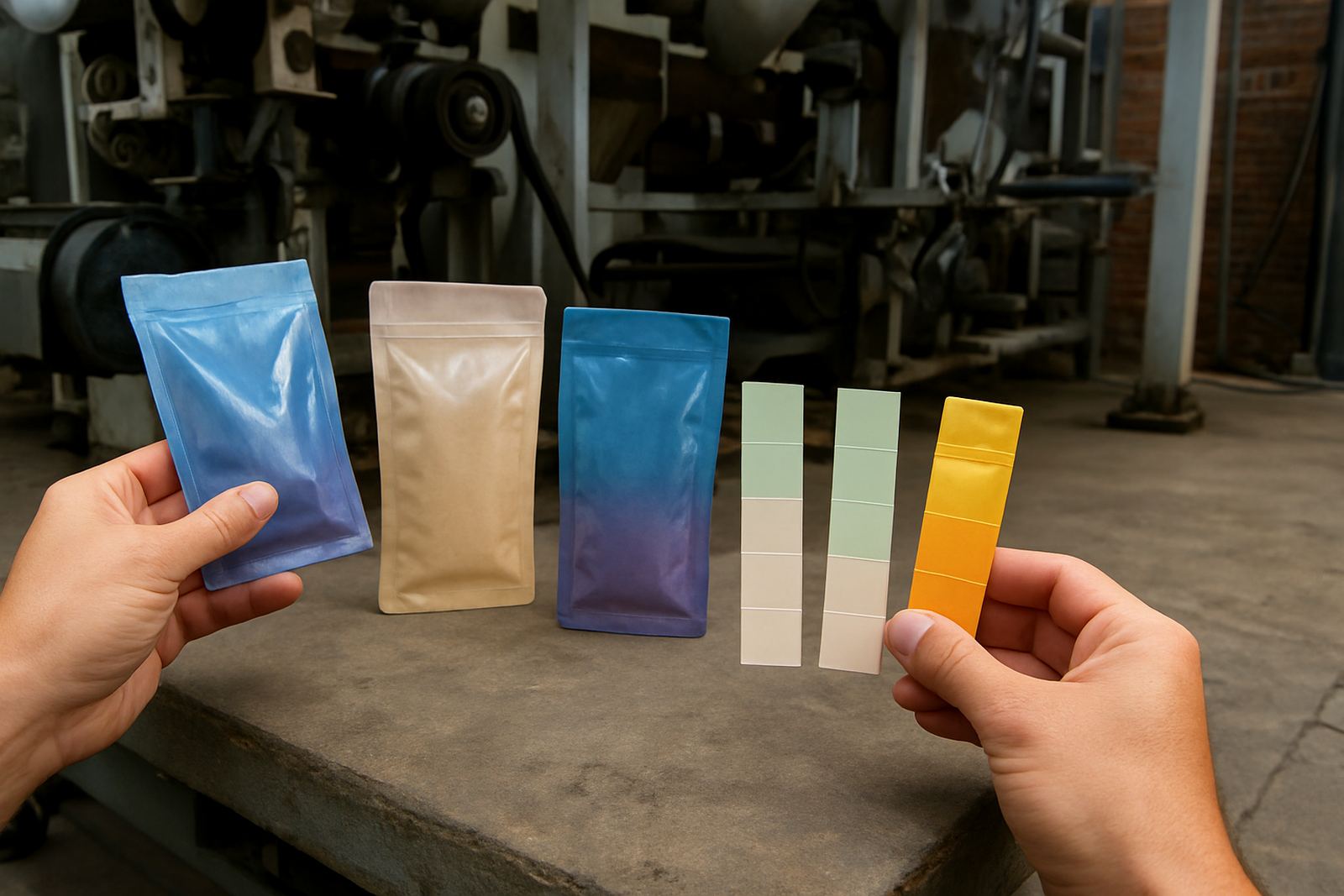
It is especially useful when a customer wants more than a standard print cue. Some operations need a mark that works with UV verification, some need a colour shift at a set temperature, and others want a coded pattern that supports internal scanning only. The right choice depends on how the pack will be checked, stored, and handled after print.
How the ink and the scanner have to match
Machine readable security only works when the printed feature and the reading method are matched properly. If the scanner expects a certain contrast level, wavelength response or pattern size, the ink must be tuned to that requirement. If the printing process changes, the signal can drift.
That is why trial work matters. We look at the substrate, coating, press speed, drying system and the final use of the pack before settling on a spec. A feature that works well on coated carton may behave differently on film, laminated board or a sleeve that sees rough handling in transit.
- Check the substrate first: carton, film, label stock or coated board
- Confirm the reader type: camera, handheld scanner or UV setup
- Test the print window: press speed, heat, drying and cure time
- Lock the signal: colour, threshold, density and repeatability
In many cases, a small shift in the ink layer or overprint varnish can change the scan result. That is why threshold tuning and adhesion tests should happen before a full production run, not after stock has already moved to the warehouse.
A practical Durban example on a cold-chain pack
Take a temperature-sensitive pack leaving Jacobs for distribution into Gauteng. The converter needs a print feature that gives a visible temperature cue and also supports scanner-based verification at packing and receiving. If the pack sits too long during loading or is exposed to high humidity, the customer still needs the code to read correctly.
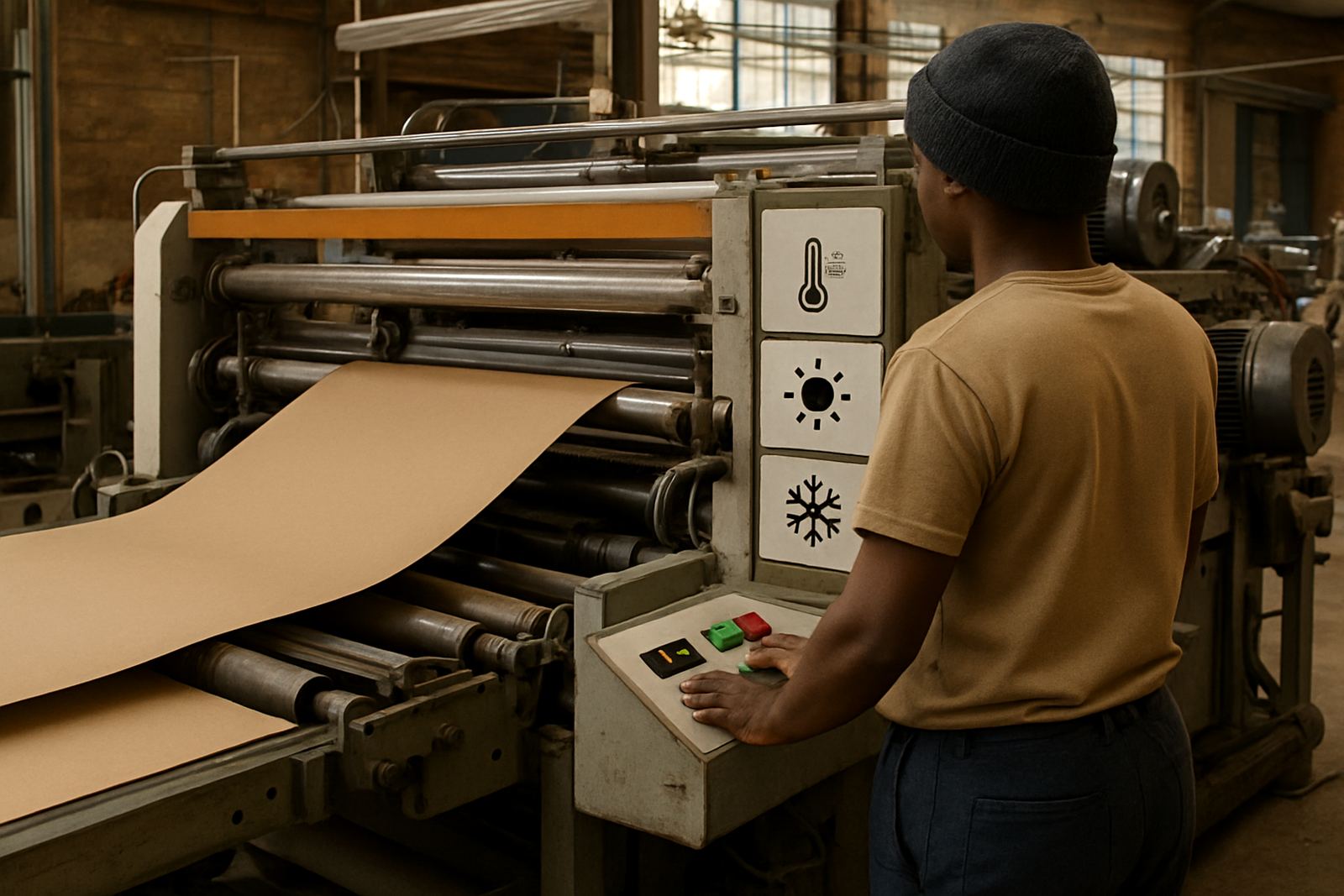
In that case, a thermochromic layer can give the visual cue, while a machine readable security pattern sits in a defined zone for verification. The line team can check the batch during startup, then confirm that the mark still reads after filling, sleeving and pallet wrap. If the pack is reworked, the retained batch sample gives a reference for later comparison.
This approach is useful for products that move through Durban port-linked routes, inland depots and regional wholesalers. It reduces back-and-forth when a receiver asks whether the pack was printed correctly, and it gives the converter a cleaner record when the line was restarted after an outage or a production delay.
What converters should test before full production
Before approving a machine readable security ink, the converter should run proper checks on the actual pack format. A clean result on a drawdown panel is useful, but it does not replace press conditions, coating behaviour and handling after packing.
We usually recommend trial batch making, press startup support and a batch retain library so each job has a reference point. That helps when there is a query from the customer or when the same spec needs to be repeated months later on a second run.
- Rub resistance checks to confirm the mark survives handling
- UV verification setups where the reader depends on light response
- Coating compatibility checks for varnish, laminate or film
- Production troubleshooting when the signal shifts during a run
For some jobs, the main risk is not the ink itself but the stack of small variables around it. Ink laydown, anilox selection, web tension, temperature and drying all influence the final scan. A controlled trial saves more time than trying to fix it after dispatch.
How ThermoInk supports machine readable security jobs
ThermoInk works from Jacobs, Durban, with deliveries to packaging converters nationwide, including Cape Town, Gqeberha, Johannesburg and Pretoria. The team handles colour matching, threshold tuning, security pattern design and production troubleshooting for packing lines that need a practical result, not just a sample sheet.
Sibusiso Mthembu leads the business, with support from Shaun October on technical sales, Lindokuhle Dlamini in production, Pieter van Wyk on security ink work, Nomfundo Khumalo in the colour lab, and Jason Pillay coordinating national logistics.
For packers and converters, the best route is usually simple: define how the pack will be checked, test it under real conditions, and keep a retained reference from the approved batch. That keeps the process clear when orders move fast and the line can't stop for guesswork.