Why microtext works on folded carton packaging
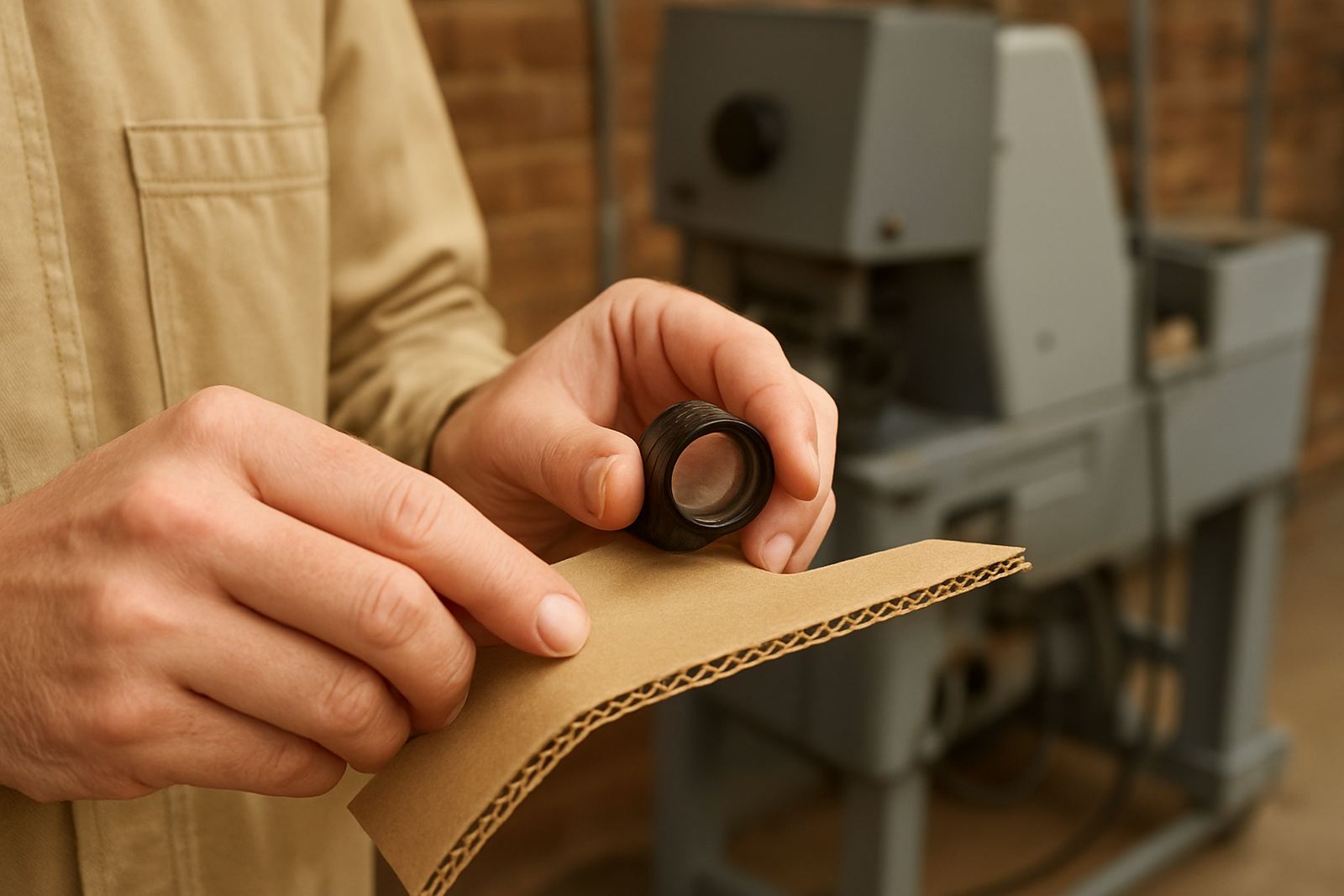
Microtext is text so small that it is difficult to read without magnification, but it can still be printed clearly enough for a trained eye or a simple loupe to verify. On folded cartons it sits neatly inside artwork, along a panel edge, or within a line frame without changing the overall look of the pack.
For South African packaging converters, this matters because cartons often have to do more than carry product information. They need to support traceability, discourage copying, and still pass through high-speed finishing, folding, and gluing. Microtext gives you a security feature that does not depend on a large label or obvious seal.
It is particularly useful where customers want discreet protection. A carton for supplements, cosmetics, premium food, or temperature-sensitive goods can look simple from a distance while still carrying a hidden check point at close range.
What makes microtext practical for local production
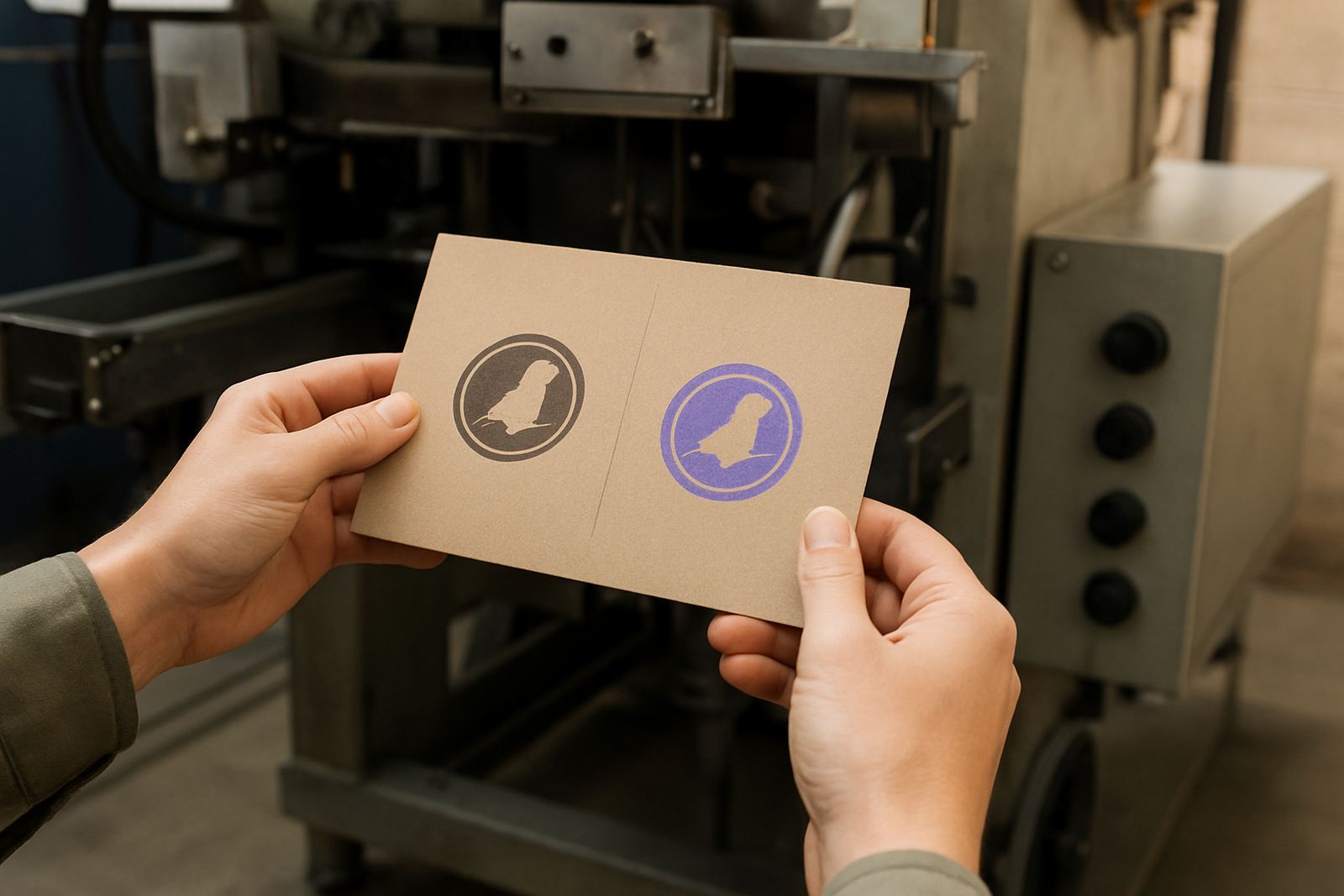
In practice, microtext only works if it is matched to the printing method, substrate, and finishing line. A line that looks acceptable on a drawdown panel may break up once it hits a coated carton board, a humid Durban morning, or a press running a little too fast. That is why test work matters before full production.
For converters in Jacobs, Pinetown, Prospecton, and further inland, the key is to build the feature into the artwork early. If the type is too fine, it can fill in. If the ink film is too heavy, the edges blur. If the board coating is not compatible, adhesion drops and the text loses sharpness after rub handling or folding.
- Use short words or repeating character strings for cleaner verification.
- Keep the microtext in a position that survives trimming and folding.
- Check contrast against the carton colour, not just the press proof.
- Run rub resistance checks before the first bulk run.
- Retain approved samples for later comparison in the batch library.
How microtext helps against copying and substitution
Most counterfeiting on cartons is not perfect. It usually shows up in small errors, such as uneven spacing, broken fine lines, or missing security detail. Microtext makes those errors easier to spot because a copied pack often loses the clarity of the original when it is scanned, reprinted, or redrawn.
That gives you a useful line of defence for products that move through multiple hands, from the converter to the brand owner, then into wholesale and retail. A distributor in Johannesburg, for example, may receive cartons that look correct at a glance but fail under magnification. That is where a hidden line of text can help the receiving team confirm authenticity without slowing the whole workflow.
Microtext also works well alongside other security features. It is not meant to carry the whole load on its own. It becomes stronger when paired with UV verification marks, colour shifting elements, or a security pattern that is hard to reproduce cleanly. Used together, these features give you a better securlty story across the pack.
Where to place microtext on a carton so it still prints cleanly
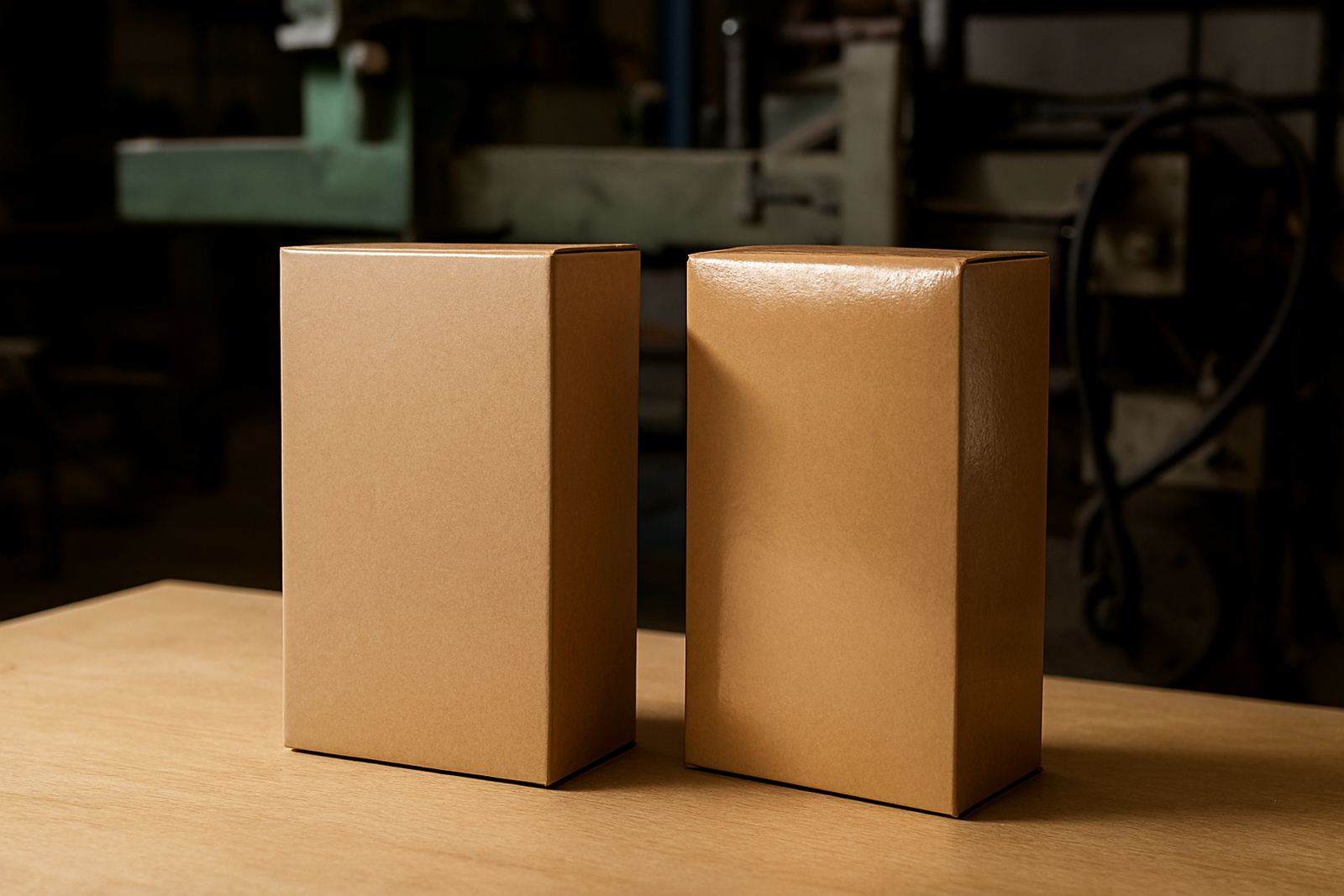
Placement is often the difference between a useful feature and a costly rework. The best locations are where the carton board stays flat, the print impression stays even, and the text remains visible after folding. Corners, heavy creases, and glue areas are not ideal unless the pack has been tested for that exact layout.
A practical layout usually puts microtext in one of three places: inside a border rule, along a secondary panel, or repeated as a fine line around the artwork. On cartons with a lot of nutrition, ingredients, or compliance copy, the microtext can be hidden in a quiet area that does not interfere with mandatory text.
- Keep the text away from major fold lines and glue flaps.
- Allow enough quiet space around the feature so it can be checked.
- Test the feature on the actual carton board, not only on paper.
- Confirm legibility after varnish, lamination, or other finishing.
- Match the artwork position to the trimming tolerance of the folding line.
Why carton board, ink choice, and coating compatibility matter
Microtext depends on clean print edges. That means the choice of ink, coating, and board surface all matter. A porous board can swallow detail. A very slick coating can affect wetting and adhesion. If the carton is going to sit in a humid warehouse near Durban harbour, the printed feature must still hold up after storage and transport.
At ThermoInk, the usual approach is to start with colour matching, then check threshold tuning, then run drawdown panels and trial batches before press startup support. That way the feature is not judged only by how it looks under ideal light. It is checked for the real conditions that South African packaging faces, from dusty inland depots to coastal humidity and handling at pack-out.
For microtext work, coating compatibility is just as important as ink colour. If the finish changes the line edges or creates scuffing during stacking, the security feature becomes harder to verify. The best result is a crisp mark that stays readable after production and distribution, with no need for extra handling.
A Durban example: secure cartons for temperature-sensitive goods
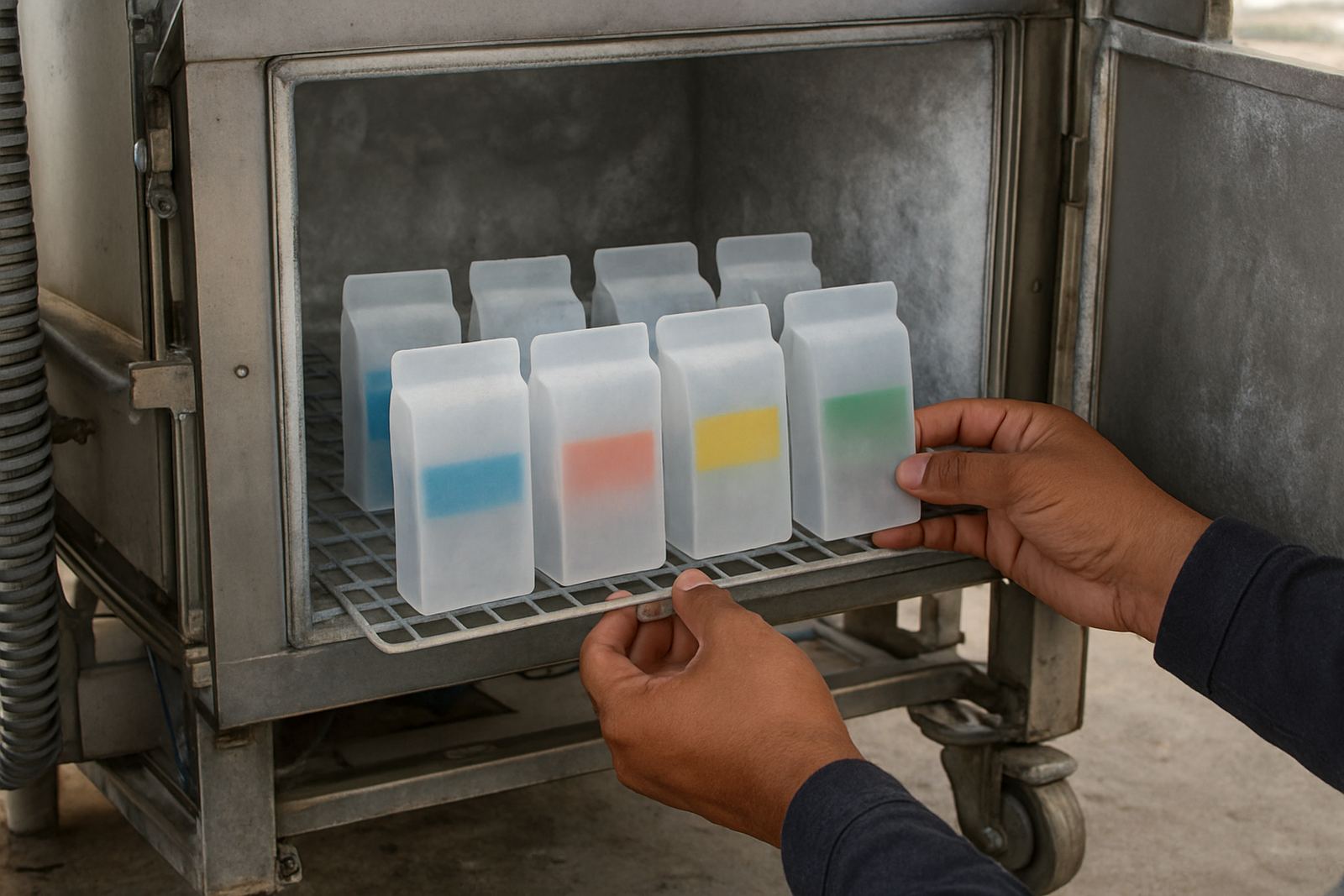
Think of a folded carton used for a temperature-sensitive product moving out of Jacobs to pharmacies and wholesalers in KwaZulu-Natal. The brand wants a clean premium look, but also needs a simple way to check that the carton is genuine before it reaches the shelf. Microtext can be built into a narrow border and repeated on a side panel, where it is visible only with magnification.
On that kind of job, the production team would normally check the artwork, run a trial batch, and review the print under normal shop lighting as well as UV verification. If the cartons pass the rub test and the fold lines stay sharp, the feature can go into production with retain samples stored for future comparison.
This is where a local supply base helps. When a converter in Durban needs adjustments, the team can work with production troubleshooting, security pattern design, and press startup support without delaying the whole run. That saves time, reduces waste, and helps keep the carton spec consistent from one batch to the next.
What brands should ask before approving microtext
Before signing off on microtext for carton packaging, the brand owner should ask a few direct questions. These are simple checks, but they prevent trouble later when the job is on press or the packs are already in distribution.
- Will the microtext survive the chosen printing method at production speed?
- Can the feature still be checked after varnish or lamination?
- Has the carton board been tested for adhesion and rub resistance?
- Is there a retained sample for later comparison?
- Can the feature be verified by the packing team, not only by the printer?
If the answer to those questions is yes, microtext becomes a practical security feature rather than just a design detail. It gives folded carton packaging a quieter but useful level of protection, and it fits well with the way South African packaging lines actually run. That is usually the point, make the pack harder to copy without making it harder to produce.