Start with who must recognise the feature
The first question is simple: who must see the security feature, and when? Overt features are meant to be noticed quickly by a buyer, a merchandiser or a store checker. Covert features are meant for trained staff, inspectors or brand teams with a known method of verification. If the goal is fast public recognition, overt usually wins. If the goal is controlled authentication, covert gives you tighter protection.
In packaging, that choice matters because the print area is already carrying a lot of work. You may need a temperature cue for chilled goods, a warning for heat exposure, and a security mark that helps stop substitution. A feature that is too visible can become part of the design, which is useful. But if every person can copy it by eye, you lose the security value.
- Use overt when the pack must signal authenticity at shelf level.
- Use covert when only trained staff should verify the item.
- Use both when the product faces tampering or grey-market rework.
Overt features suit quick checks on busy supply chains
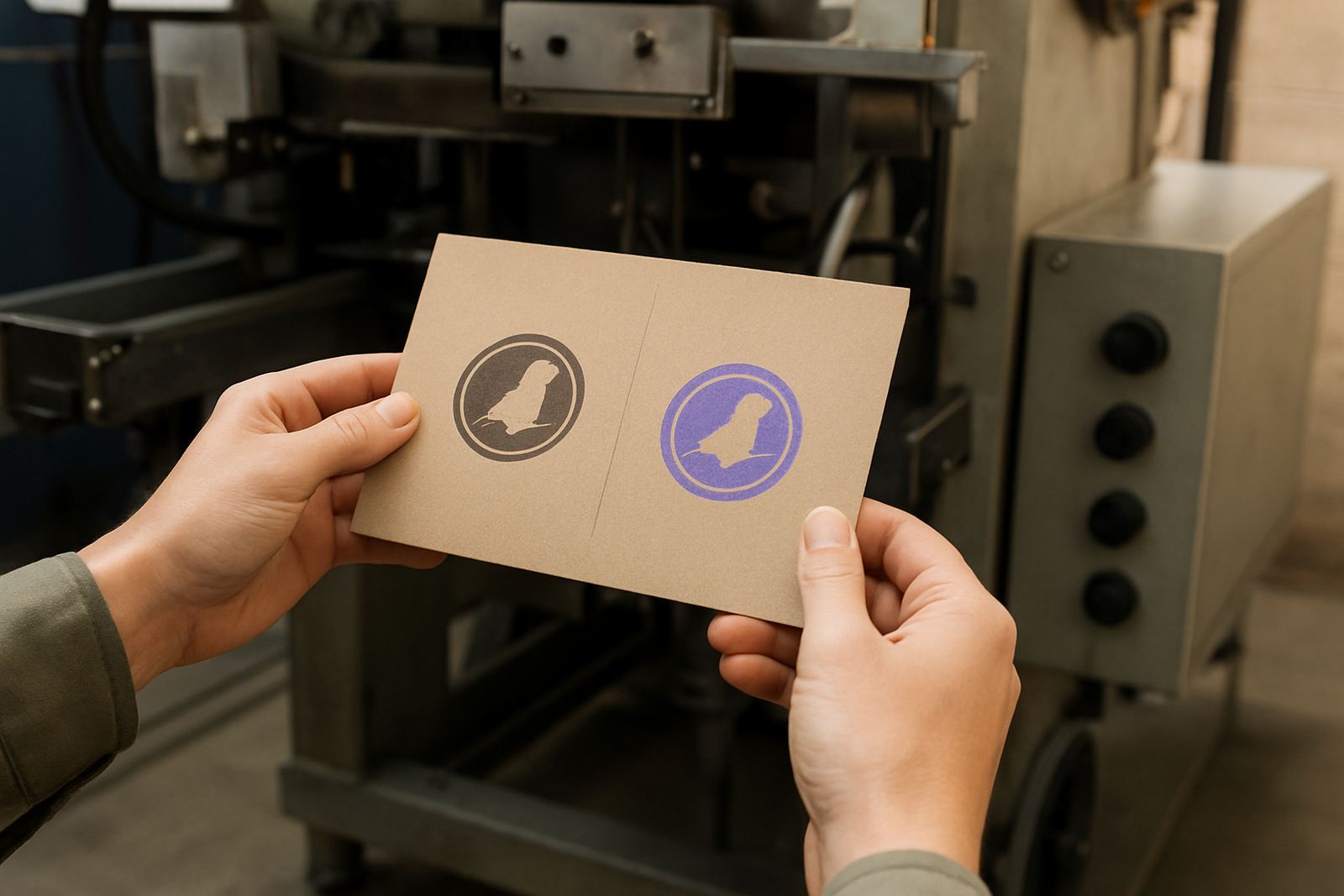
Overt security is the right call when time is tight. In the Durban port corridor, where cartons may move from a converter in Jacobs to a warehouse in Prospecton and then out to national distribution, people do not always have time for a tool-based inspection. A visible colour change, a named symbol, or a triggered response to temperature can help with fast sorting before stock gets loaded and sent out.
For packaging that leaves a plant in the morning and reaches retailers in Johannesburg or Gqeberha a few days later, overt features can also support handling discipline. Staff can see if a pack has been exposed to heat, if a seal area has changed, or if a visual indicator no longer matches the expected state. That is useful on chilled food, pharma outer packs, or higher-value consumer goods where condition and authenticity both matter.
- Best for retail staff, receiving teams and field inspectors.
- Useful where training levels vary across depots and routes.
- Helps when the brand wants the security cue to be part of the pack look.
Covert features protect against copying and casual tampering
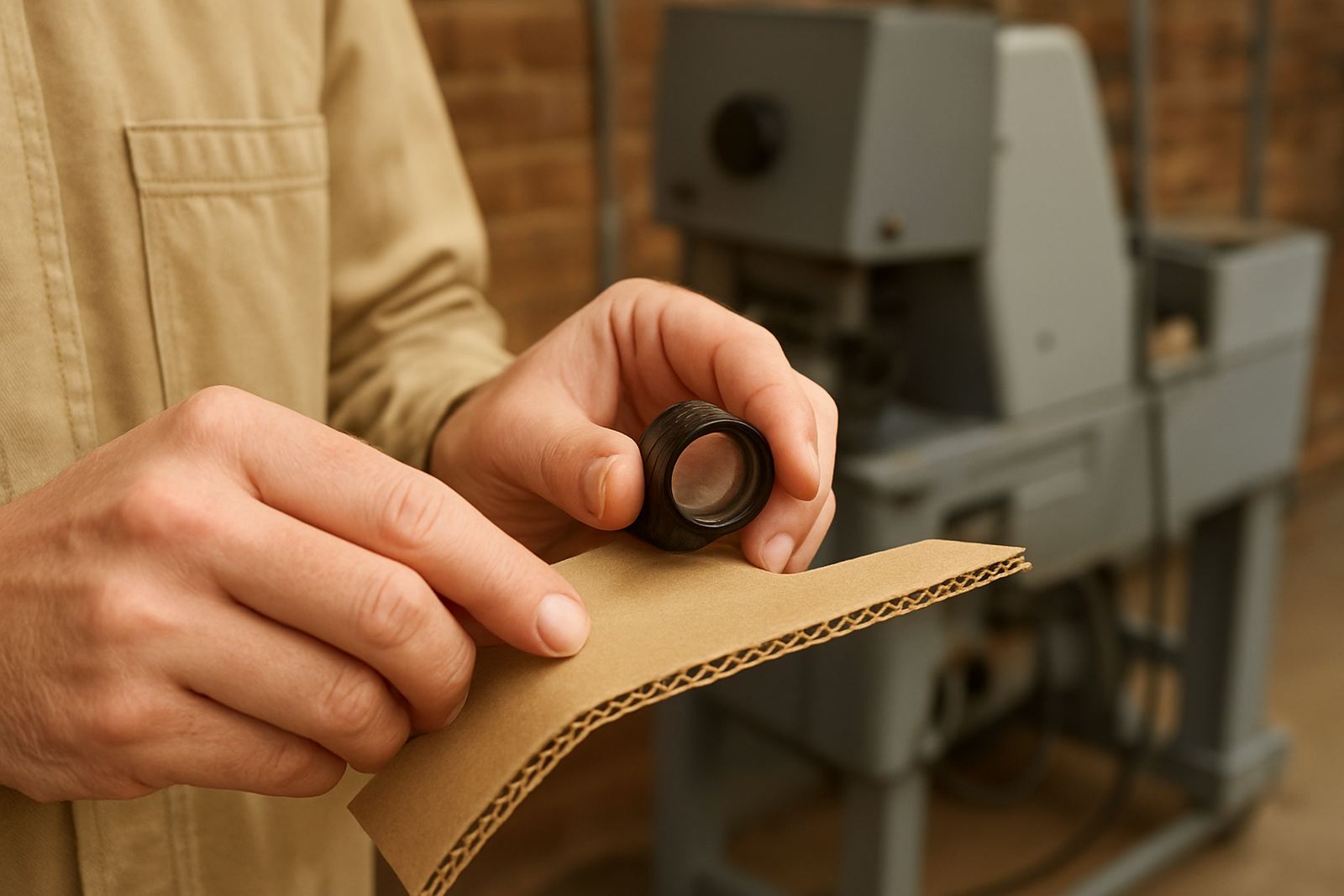
Covert features are built for verification, not display. They sit under the surface or require a specific test to read properly. That makes them useful when a product could be repacked, relabelled or diverted through informal channels. A covert mark is harder to copy because the person trying to mimic it often does not know what to look for, or how the feature should behave under the correct conditions.
For South African packaging, covert options make sense where product losses are costly and the brand wants a simple yes or no check from a trained person. This is common on regulated goods, premium items and contract packs with multiple handling points. In some cases the covert element is paired with a batch record, so the production team can keep a retain sample and confirm the ink response later if there is a dispute.
- Best for anti-counterfeit control and post-event checks.
- Works well where the verification method must stay confidential.
- Can be matched to a specific viewing light, tool or temperature threshold.
Match the feature to the line, not just the label
The printing line matters as much as the security aim. Some inks need a clean substrate, a controlled coating weight, or a specific drying window before they perform properly. If the pack is going through flexo, screen or another process, the security feature must still pass adhesion tests, rub resistance checks and coating compatibility checks. Otherwise the mark may look correct on day one and fail once the cartons have been stacked, wrapped or chilled.
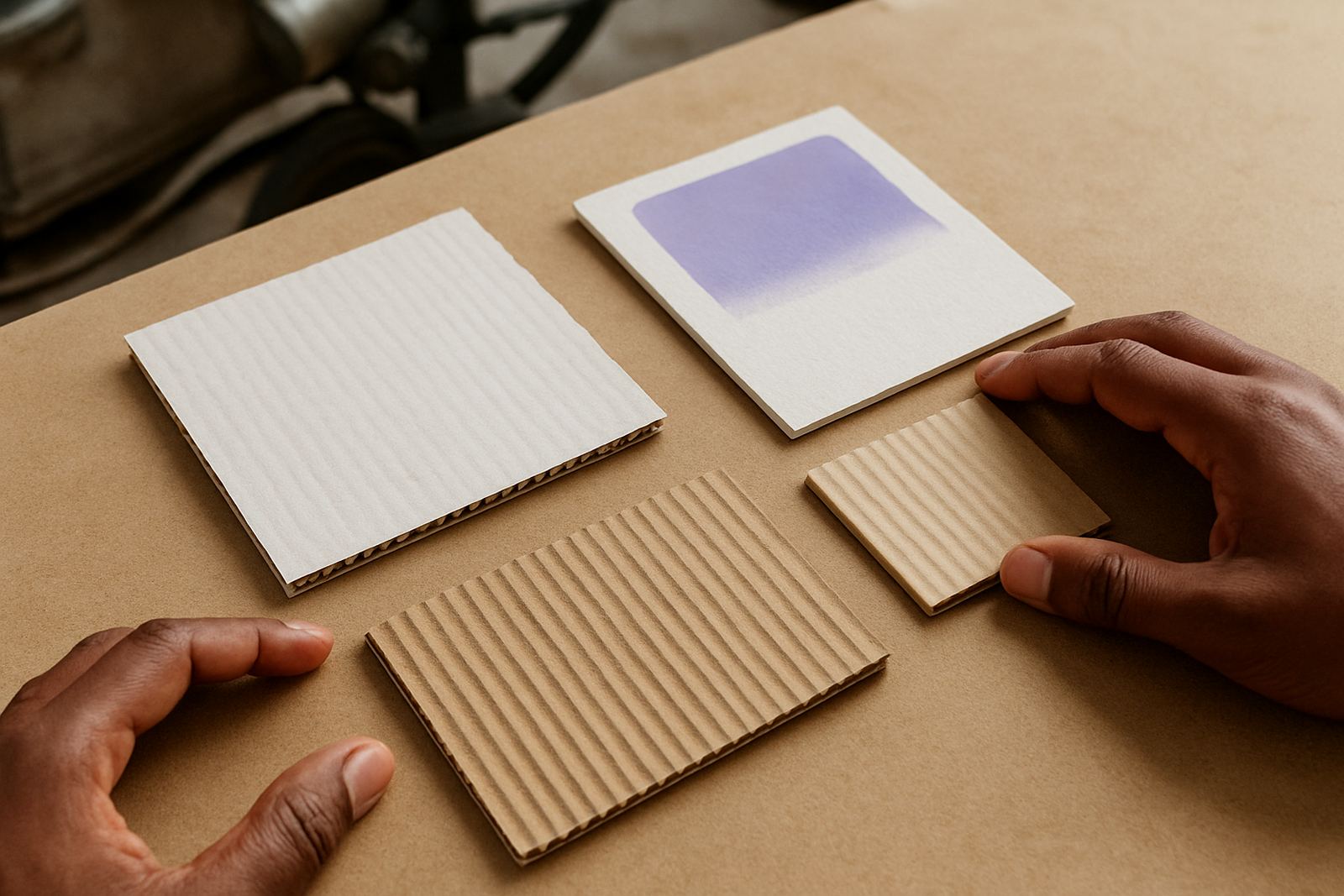
At ThermoInk in Jacobs, that usually means starting with drawdown panels, then moving to trial batch making and press startup support. For a converter supplying into coastal Durban conditions, humidity can affect cure and storage. Inland, hotter and drier conditions can shift how a feature reads after transport. The point is not to chase a fancy effect. The point is to make sure the ink behaves the same way on the machine and in the field.
- Test under the same coating, board and drying conditions you plan to use.
- Check the ink after rub, stacking and transport vibration.
- Confirm what happens in heat, cool rooms and bright store lighting.
Threshold tuning decides how much change the eye should see
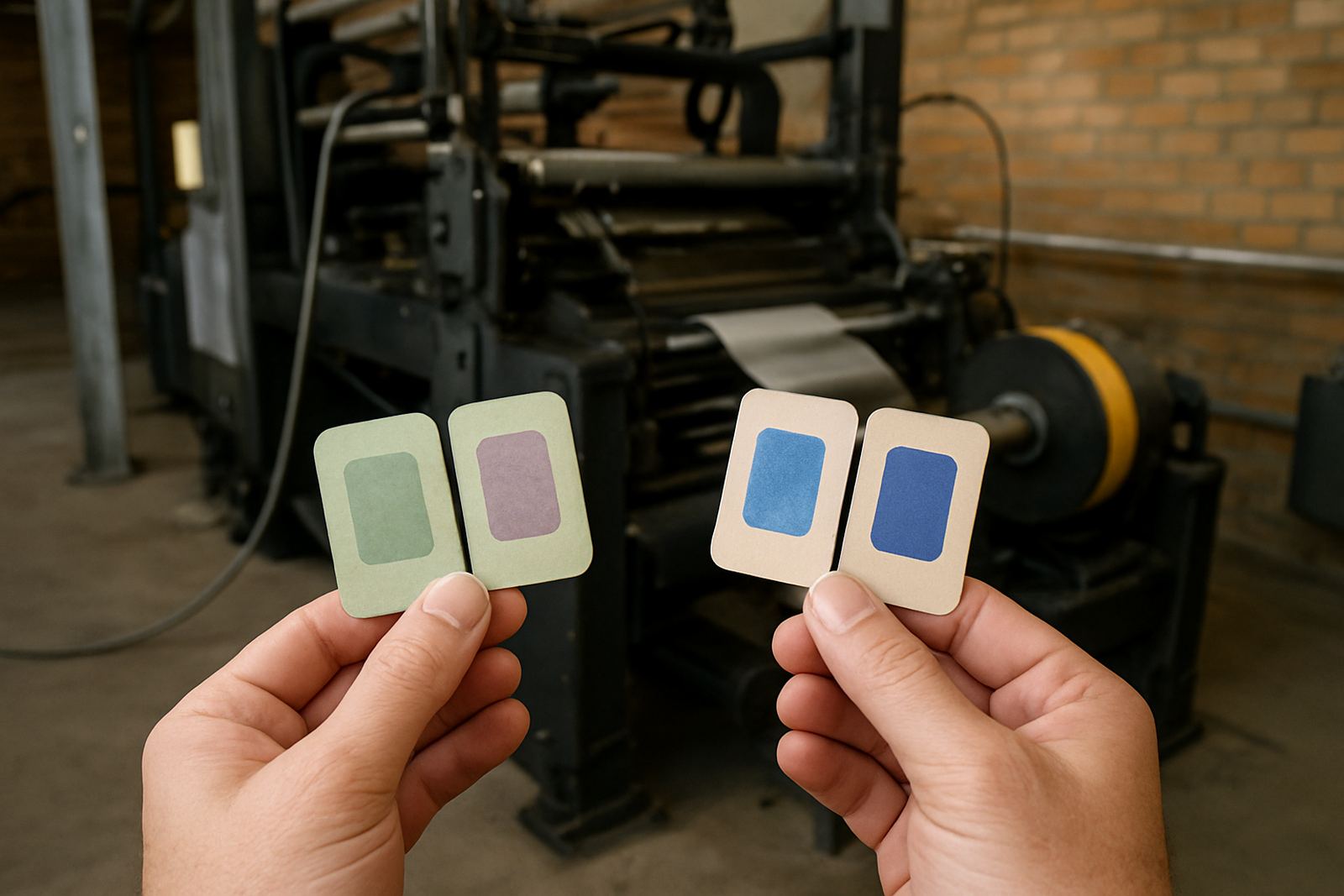
With thermochromic features, threshold tuning is the part that gets overlooked most often. If the change happens too early, the pack can look altered when it should still appear stable. If it changes too late, the cue is missed altogether. A good threshold should suit the actual product journey, not a lab-only condition. For example, a pack for cold chain distribution may need a different trigger from a pack that sits on a warm loading bay in summer.
This is where clear product use information matters. If a food pack moves from Durban to inland stores, the cold chain and ambient exposure are not the same. A neat overt feature can become misleading if it changes while the product is still safe, or stays unchanged when the item has already been compromised. That is why trial batch work, press support and production troubleshooting should happen before full volume is approved.
- Set the trigger around actual storage and delivery temperatures.
- Keep the visual shift clear enough for a quick judgement.
- Use batch retain samples so future comparisons are possible.
A Durban example: one pack, two checks
Take a temperature-sensitive carton packed in Jacobs and sent to a chain of depots through Pinetown, then up country. A visible colour-change cue can tell the receiving team whether the product has stayed within range. At the same time, a covert mark hidden in the print layer can give the brand team a second check if a carton appears suspicious or has been repacked.
That mixed approach is practical because not every person on the route needs the same information. The warehouse team needs a simple visual cue. The quality team needs a controlled method. A retailer may only need to see that the pack looks correct, while the importer or brand owner needs proof that the mark behaves as agreed. In our experience, this is often the best route for South African packaging that moves across long distances and different handling environments, with a few too many touchpoints along the way.
For converters, the value is in reducing confusion. One feature supports fast handling. The other supports investigation if a problem comes up later. It is a small design decision, but it can save a lot of back-and-forth once product is on the road.
Choose overt, covert, or both for the real risk you face
The best answer is not always either-or. If the main risk is temperature exposure, overt features may be enough. If the main risk is copying or diversion, covert features should lead. If both risks are live, combine them. The deciding factors are the product value, the number of hands the pack passes through, the training level of the receiving teams and the kind of proof you need when there is a complaint.
That is the practical rule we use with packaging converters across Durban South, Cape Town, Gqeberha, Johannesburg and Pretoria. Start with the risk. Match the feature to the job. Then test it on your actual line and in real transit conditions. Security ink only earns its keep when it still works after print, pack, load, store and delivery. Anything less is just decoration, and sometimes a costly one at that.
- Choose overt for visible checks and quick handling.
- Choose covert for controlled authentication and anti-copy protection.
- Use both when the pack needs both public signalling and private verification.