Why scratch panels work on South African promo packs
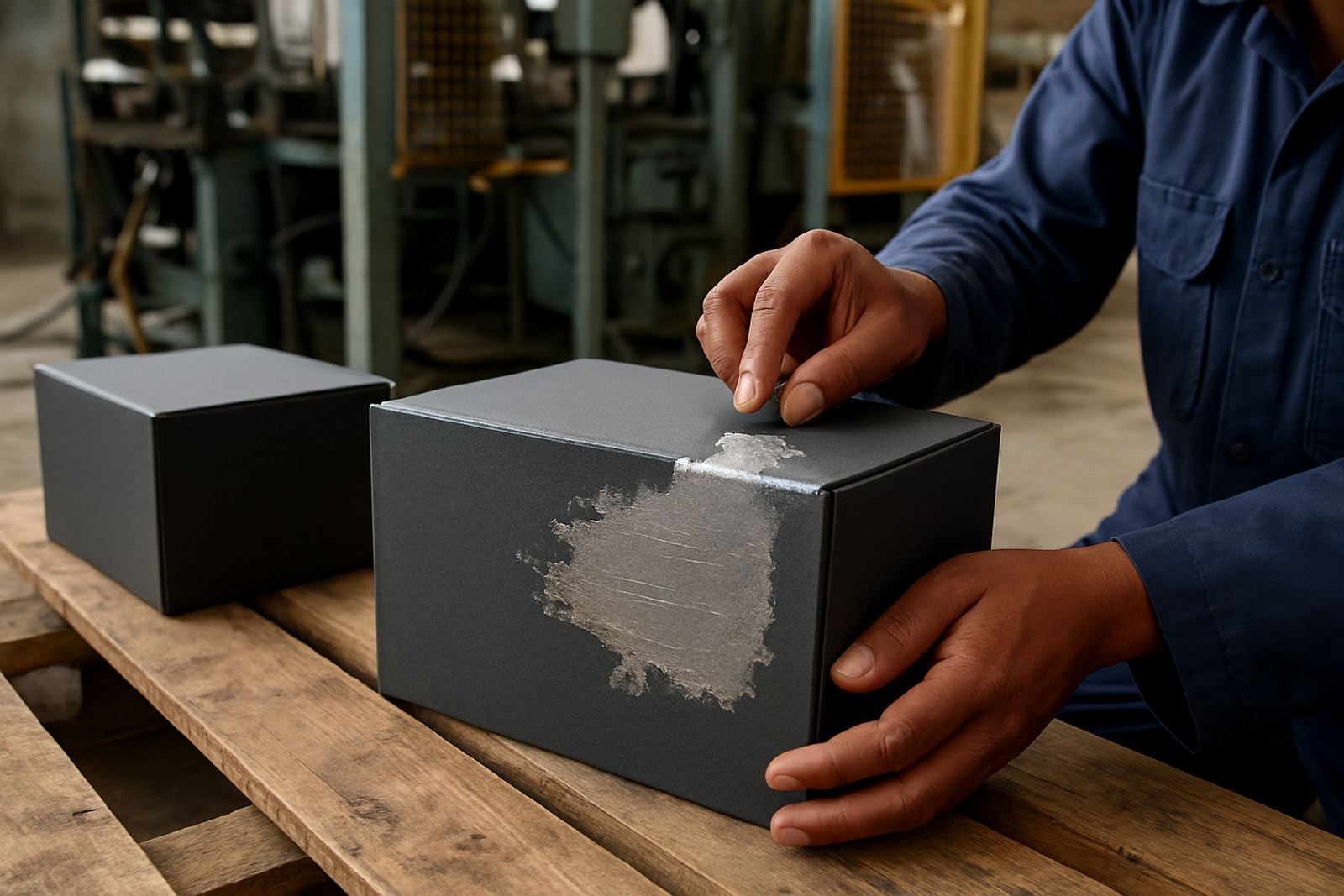
Scratch panels are used when a brand wants a reveal that happens at the right moment, not during packing, transport or shelf life. On cartons, sleeves and flexible packs, the coating sits over a printed message, code or icon until the customer rubs it off with a coin or fingernail.
That control matters in local supply chains. A juice pack moving from Jacobs to a depot in Gauteng may face heat, humidity and repeated handling before it reaches the shopper. A good scratch layer keeps the message hidden until use, while still being easy enough to remove without tearing the substrate or smearing the print underneath.
- Limited-time prize reveals on consumer packs
- Activation codes hidden on promotional cartons
- Educational messages released only after purchase
- Controlled openings for sampling and on-pack games
Getting the coating right for your pack material
Scratch coatings do not behave the same on all pack stocks. Paperboard, varnished cartons, metallised films and coated labels each need a different approach. If the surface has low surface energy or the print finish is too glossy, the scratch layer can lift unevenly or leave residue behind.
Before full production, we normally run drawdowns and compatibility checks on the actual pack material. That helps us see whether the coating bonds properly, whether the hidden print stays readable and whether the reveal area stays neat after rubbing. In Durban, where moisture can shift a stock’s behaviour from morning to afternoon, that testing is worth doing before you run thousands of packs.
- Check adhesion on the exact substrate, not just a sample sheet
- Test over the final overprint varnish or laminate
- Confirm the hidden message still reads clearly after rubbing
- Allow for drying and cure times before stacking
Designing the reveal so customers use it properly
A scratch panel should be obvious enough to find, but not so large that it dominates the pack. The size, shape and placement all affect how customers interact with it. If it is too small, people struggle to locate it. If it sits too close to a fold line or glue panel, the coating can crack or scuff during forming.
For promo work, the wording under the panel must be short and direct. Long sentences can become hard to read once the coating is removed. A prize code, a single instruction or a one-line offer works better than a block of text. We often advise clients to keep the reveal area simple and place any supporting copy nearby on the pack face.
- Use a clear visual cue such as a circle, bar or panel outline
- Keep away from creases, seams and heavy handling points
- Limit the hidden text to a short instruction or code
- Test the user experience with a small staff sample before launch
Security and promo value can work together
Scratch panels are not only for prizes. They can also support authenticity and controlled access. A hidden code can confirm a pack is genuine, link to a batch record or open up a customer action in a promotion. That makes the panel useful for brands that want both marketing value and a basic security layer on the same pack.
ThermoInk’s security ink work often sits beside promotional scratch applications, especially where a pack needs a tamper-aware message, a one-time reveal or a verification step. For some clients, the panel protects a campaign code. For others, it covers a traceability mark that should only be seen after purchase. The key is making sure the scratch field stays legible, even after the pack has travelled through Pinetown, Prospecton or further inland.
- Use for one-time campaign codes
- Hide batch-specific traceability marks
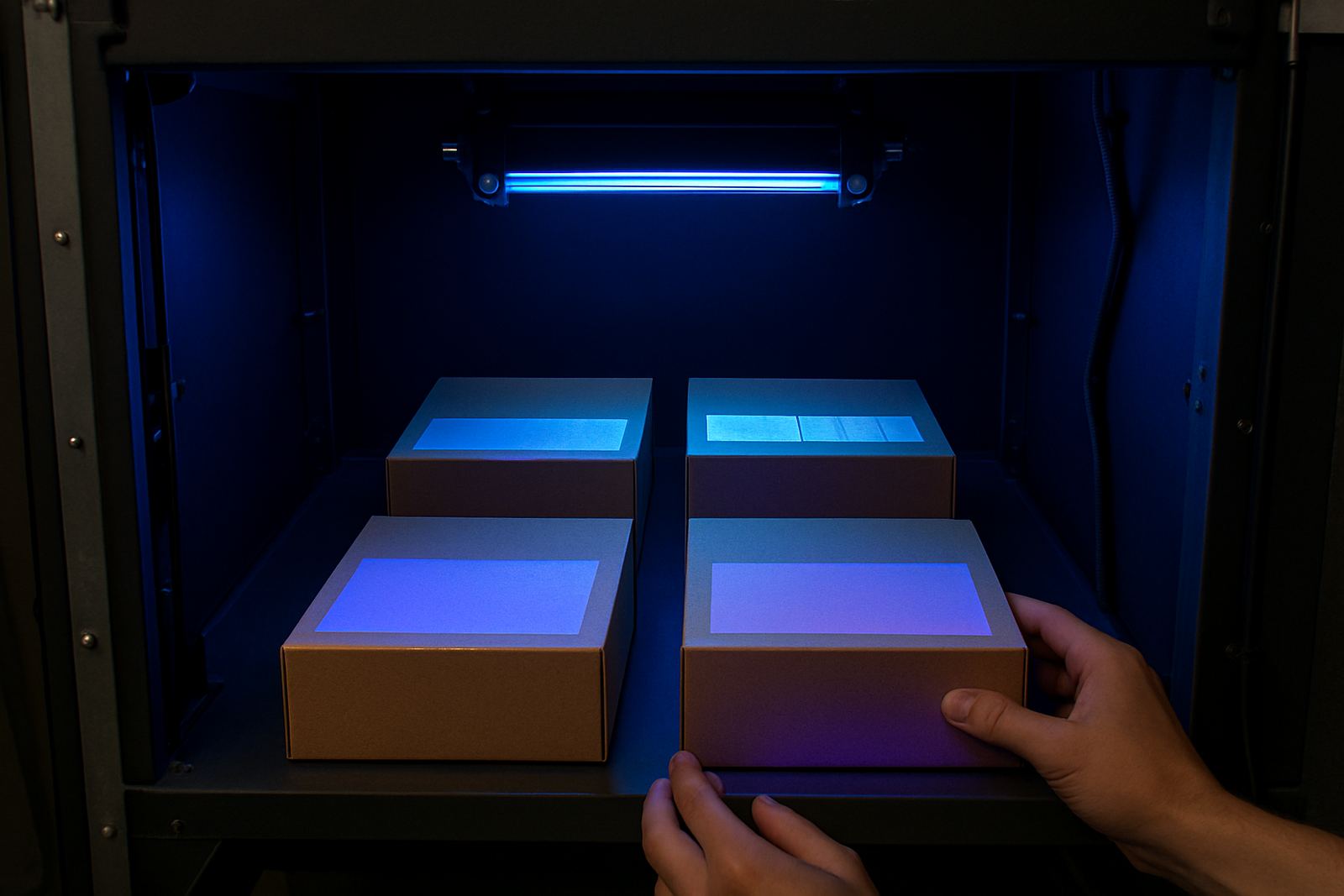
- Combine with UV verification for internal checks
- Keep the reveal consistent across all production runs
What production teams need to check before a full run
Promo packs are often time-sensitive, so press startup needs to be clean and predictable. A scratch coating that is too thick may dry slowly and block in stacks. One that is too thin may reveal the print too early or wear off in transit. The right balance comes from trial batch making, rub resistance checks and a proper press setup on the actual line speed.
When we support production, we look at coating compatibility, adhesion, drying behaviour and the way the pack is handled after printing. If cartons are being packed into trays the same day, drying and stacking need special attention. If the job is going inland during summer, the pack also needs to cope with heat during road freight. Small adjustments early can save a lot of waste later.
- Confirm line speed and dwell time before the run
- Check for blocking in stacked packs after drying
- Do rub tests before packing and again after transit simulation
- Keep a retain sample from the approved batch
A Durban example: a summer promo that had to stay intact
A local beverage packer in Durban wanted a summer promotion for a short retail campaign. The packs were being filled near the coast, then sent to Johannesburg and Cape Town through mixed distribution routes. The scratch panel needed to stay sealed in humid conditions, survive cartoning and still reveal the promotion cleanly at store level.
We worked through colour matching for the hidden panel artwork, then checked adhesion on the finished carton and the rub resistance of the coating. A small trial batch showed that the first pass was too sensitive to stacking pressure, so the formula was adjusted before the full run. The result was a cleaner reveal, fewer damaged packs and less call-back from the line. That sort of practical adjustment matters when a promotion has a fixed launch date and no room for reprint.
- Humidity in Durban can change drying behaviour
- Stacking pressure must be tested before dispatch
- Promos need consistent reveals across all retail regions