Why carton surface energy changes the result
Carton is not one material in practice. A light-gauge folding carton for frozen food, a coated carton for cosmetics, and a recycled board sleeve for takeaway packaging all behave differently once ink meets the surface. Surface energy affects how well a liquid wets the board, spreads, and locks in before drying. If the surface energy is too low, the ink can bead, pull away, or give patchy coverage.
In our Durban base, we see this often with imported board and locally sourced recycled stock. Coastal humidity adds another layer because moisture in the air can shift how a carton behaves from morning to afternoon. A job that runs well at 08:00 may start showing mottle or slow setting by lunchtime if the press room is warmer and the board has picked up moisture.
For thermochromic and security inks, adhesion matters even more because these systems often use thinner films, special binders and tighter print targets. The coating on the carton has to accept the ink, hold the feature, and still survive handling, cutting, folding and transit.
What carton coatings do to ink performance
Carton coatings are used for gloss, scuff protection, grease resistance and print appearance, but they can also reduce ink anchorage. Some varnishes and barrier coatings create a slick surface that repels certain ink systems. Others look fine at first print, then fail on the crease line or during rubbing after conversion.
That is why coating compatibility should be checked before full production. A good result on one coated board does not guarantee the same result on another, even if the boards look similar to the eye. The difference may be in the resin system, the amount of slip additive, or the way the coating was cured at the mill.
- Gloss coatings can improve appearance but reduce tooth for some specialised inks.
- Barrier coatings may protect against moisture, yet limit wetting and lock-in.
- Uncoated carton often gives better adhesion, but more fibre lift and absorbency.
- Recycled content can raise variability from sheet to sheet if the surface is not tightly controlled.
When a carton is intended for cold chain use, you also need to think beyond first print. Condensation, chilled storage and repeated handling can expose weak bonding very quickly, specially on packs that move from a cold room to a warm delivery bay.
How we check adhesion before a production run
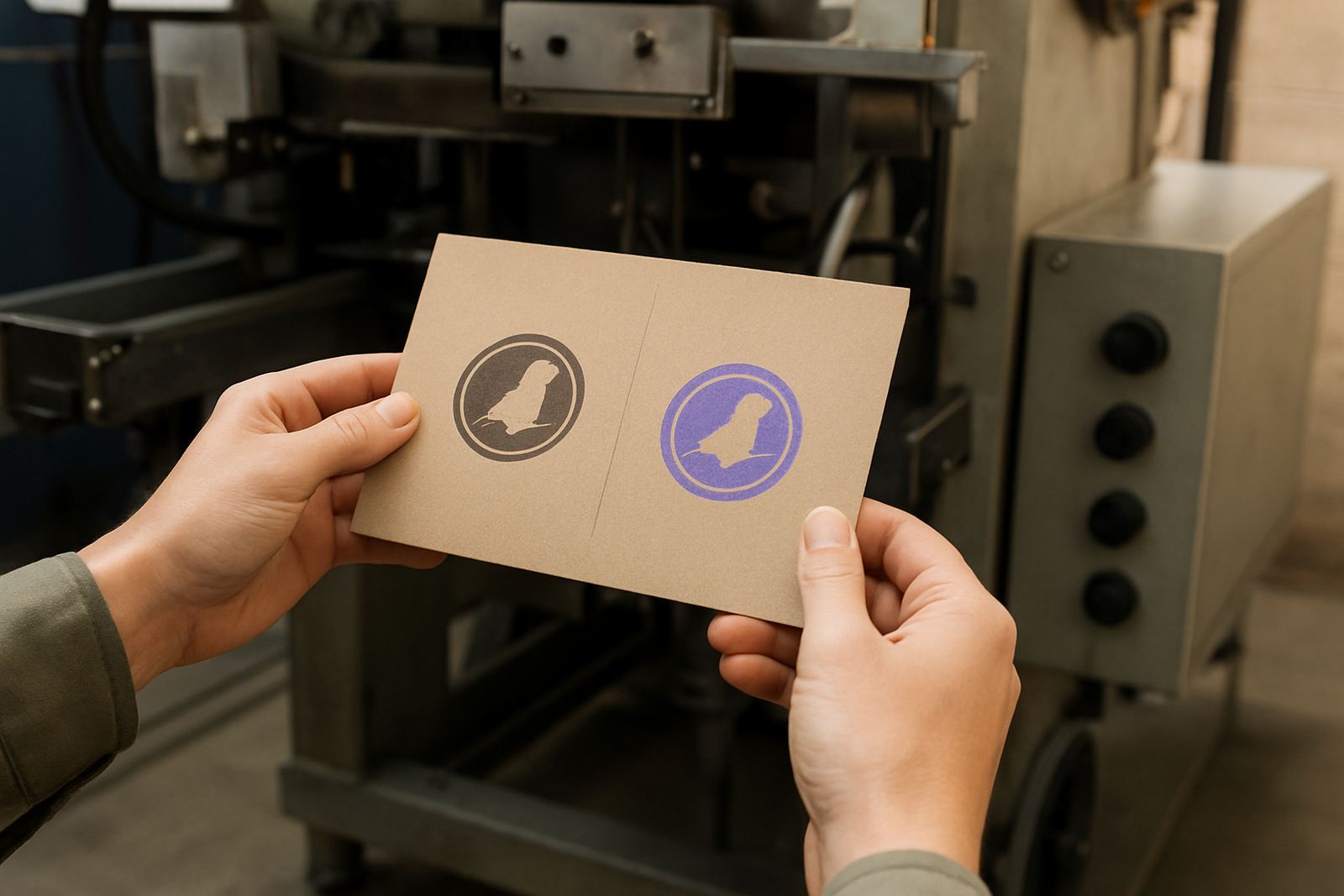
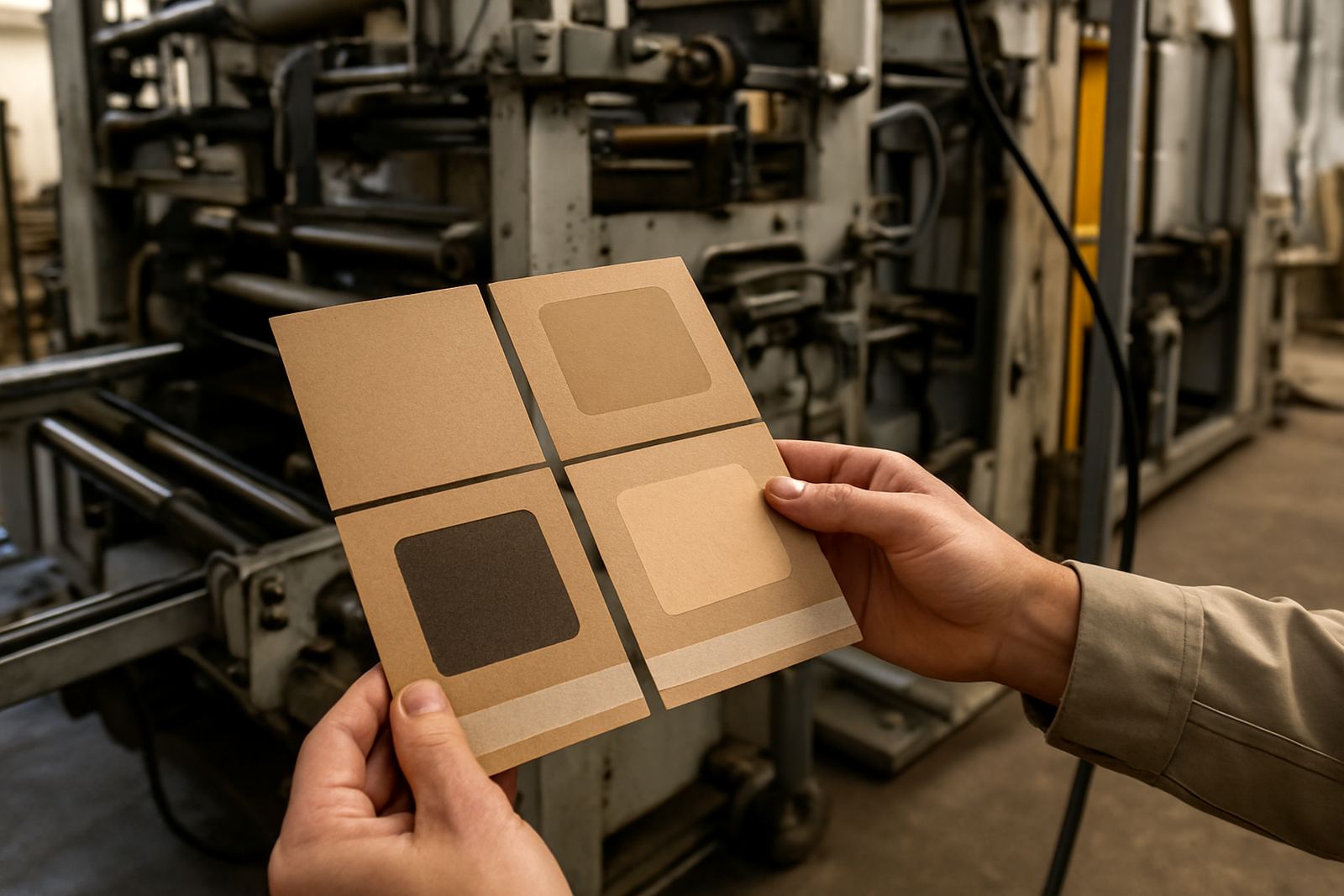
At ThermoInk, adhesion testing starts with the actual carton, not a generic sample. We prepare drawdown panels and test prints, then check whether the ink anchors properly after drying and after simulated handling. This helps separate a true ink issue from a board issue or a press setup issue.
Our team looks at the full chain: board type, coating, press speed, drying, and any overprint or finishing step that follows. On some jobs, the key is not more ink, but better threshold tuning so the colour change or security feature sits correctly on the surface without overloading it.
- Colour matching for the carton shade and brand target.
- Adhesion tests on the proposed board and coating.
- Rub resistance checks after curing and folding.
- UV verification setups for security feature inspection.
- Trial batch making before full production release.
That approach saves time on press and reduces rejects in the packhouse. A small miss on adhesion can turn into scoring, lifting, or patch loss once the cartons are stacked, transported and stored.
A Durban example from a chilled food carton
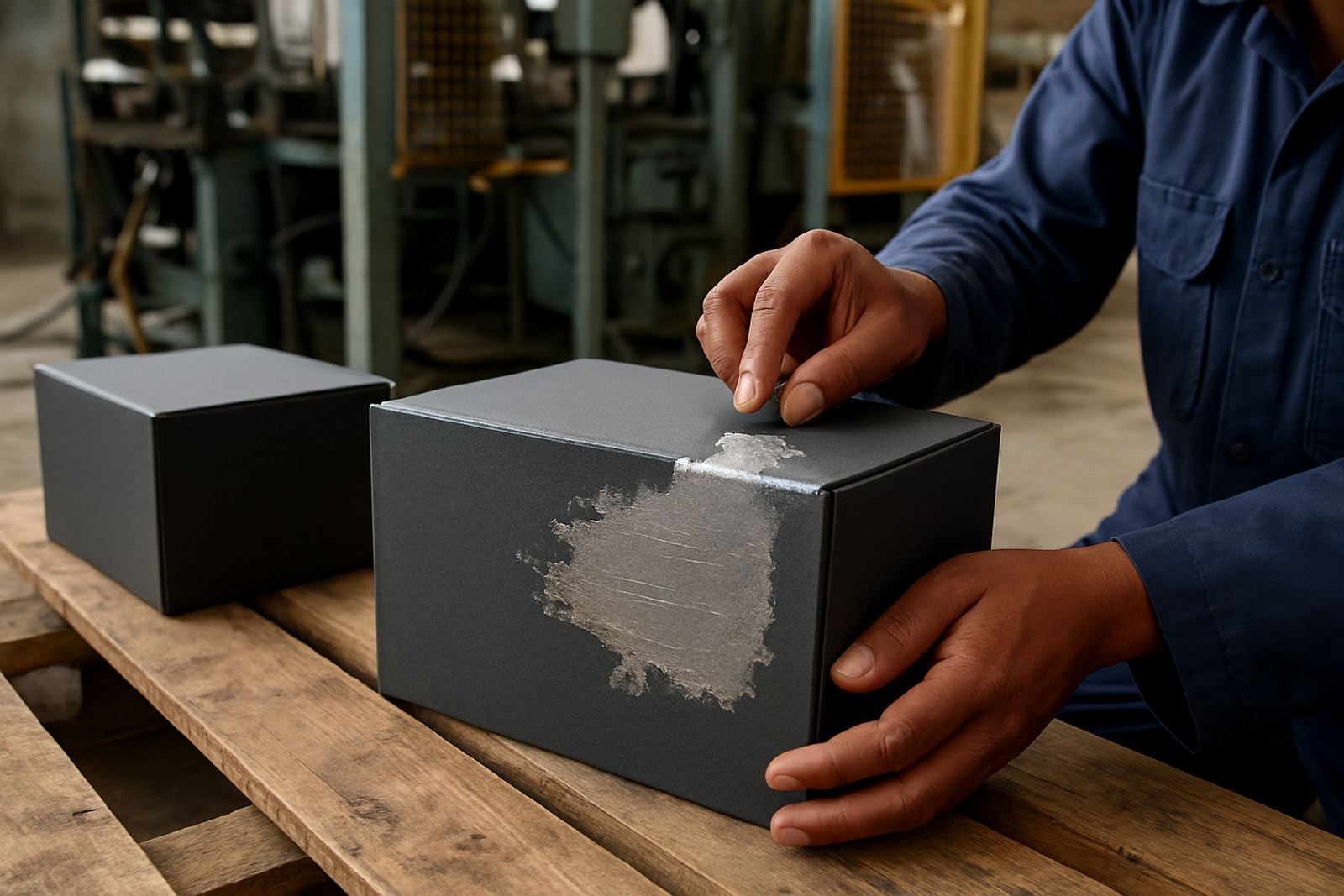
A packer in the Durban south area came to us with a carton for chilled products destined for inland distribution. The pack needed a thermochromic feature to show temperature exposure, plus a security pattern to help the client spot tampering. On press, the print looked acceptable, but after folding and short storage the ink on the score lines started to weaken.
We checked the board and found a coated carton with lower surface energy than expected. The first print condition had enough adhesion for a flat sheet, but not enough for the stresses of creasing and cold storage. After adjusting the ink balance, testing a different drawdown set, and refining the coating compatibility, the result held much better through rub and fold checks. It saved the client from a costly re-run and kept the pack in line with the customer’s handling requirements.
The important lesson was simple: if the carton behaves differently in Durban humidity than it does in a dry inland plant, the ink must be tuned to that reality. A lab result means little if the finished carton fails in the truck or in the cold room.
Questions that should be asked before print starts
Before a converter commits to a run, there are a few practical checks that make a big difference. These questions help identify whether the carton, the coating or the ink needs adjustment first.
- Is the carton coated, uncoated, or barrier treated?
- Will the pack be folded, creased or heat sealed after printing?
- Will it face moisture, refrigeration or direct sunlight in storage?
- Does the security feature need UV inspection or a visible colour shift?
- Has a retain sample been kept for later comparison?
For converters working under tight municipal waste and recycling rules, there is also value in keeping print systems stable and repeatable. Fewer rejects mean less waste, less rework and fewer complaints from downstream packers. In a city like Durban, where logistics and weather can change quickly, repeatable adhesion is worth more than a quick first pass that fails later.
How local converters can reduce failure on carton
The best results come from matching the ink to the board, not forcing the board to accept the ink. That means checking the coating, testing the surface energy where possible, and running a small trial before a full shift. It also means looking at drying conditions, especially during humid periods or load-shedding interruptions that can slow the line and change cure times.
Our production and technical teams support converters across Jacobs, Pinetown, Prospecton and nationwide with trial batch making, press startup support and batch retain library control. When a carton job is sensitive, the right test plan is often the cheapest insurance against spoilage, failed rub tests and security marks that do not hold through handling.
Good adhesion on carton is not about one perfect setting. It is about setting the ink, the board and the press up to work together on the day, in the actual plant conditions, with the actual carton moving through the line.
Practical takeaway for specialised packaging jobs
If the carton carries a temperature cue or a security feature, adhesion is part of the product spec, not an afterthought. Start with the board finish, test on the real substrate and confirm performance after folding, rubbing and storage. That small amount of preparation can prevent a failed batch, a call-back from the converter, or a pack that looks fine on the pallet but fails at the end customer.
For specialised carton work, the safest route is always the same: test early, confirm compatibility, and keep a record of what held and what did not. That is how teams keep production steady and avoid surprises when the cartons leave the plant.