Start with the real pack job, not the effect
Before a design team falls in love with a colour shift or a security reveal, it helps to ask what the pack must actually do. Is it warning of heat exposure, confirming authenticity, or creating shelf impact for a chilled product? In Durban and across South Africa, that first question can save a lot of trial work and wasted substrate.
Thermochromic and security inks are not all the same, and not every finish suits every board, film or print line. A coating that performs well on one carton can behave very differently on a laminated pouch or a high-gloss sleeve. The most sustainable choice is the one that works first time, with fewer reprints and less scrap.
- Match the ink function to the product risk, not just the marketing brief.
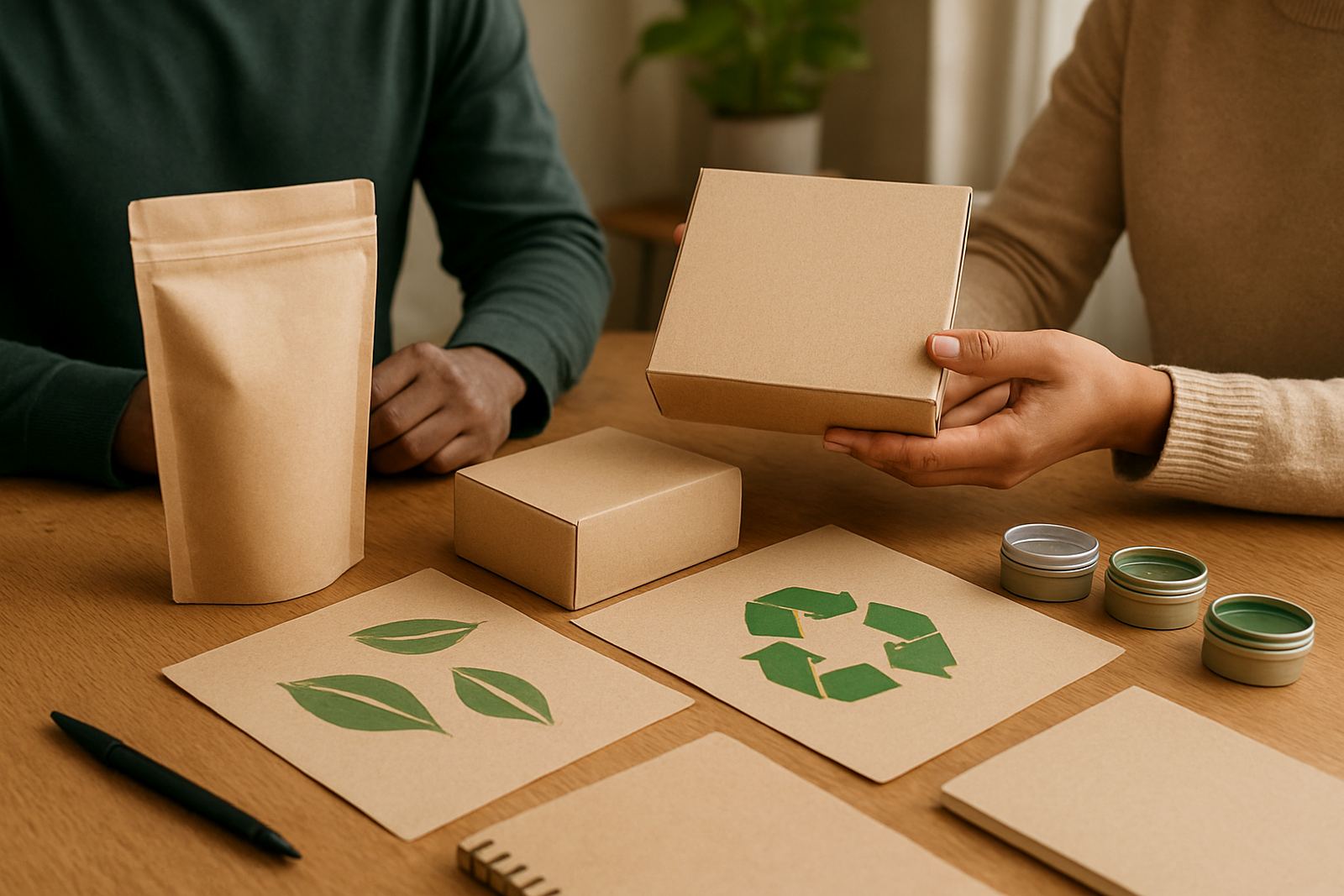
- Check whether the substrate will be recycled, composted or disposed of in another route.
- Confirm the print process early so the ink system fits the line speed and drying setup.
Choose an effect that earns its place on pack
Effect inks should do more than look interesting. If a colour change helps show that a chilled product has warmed past a safe point, it adds real value. If a security pattern helps stop tampering or copying, it protects the brand and reduces losses. That is a better sustainability argument than adding decoration for its own sake.
For converters working in Jacobs, Pinetown or Prospecton, the practical test is simple: will this layer justify the extra application step, energy use and material cost? If the answer is no, the pack team should trim it back. A tighter spec can still look strong on shelf, and it usually prints cleaner too.
- Use the smallest effective ink coverage that still gives a clear cue.
- Limit extra passes where one well-tuned layer can do the same job.
- Keep security design and effect design aligned so they share the same print architecture.
Test on the actual board, film or label stock
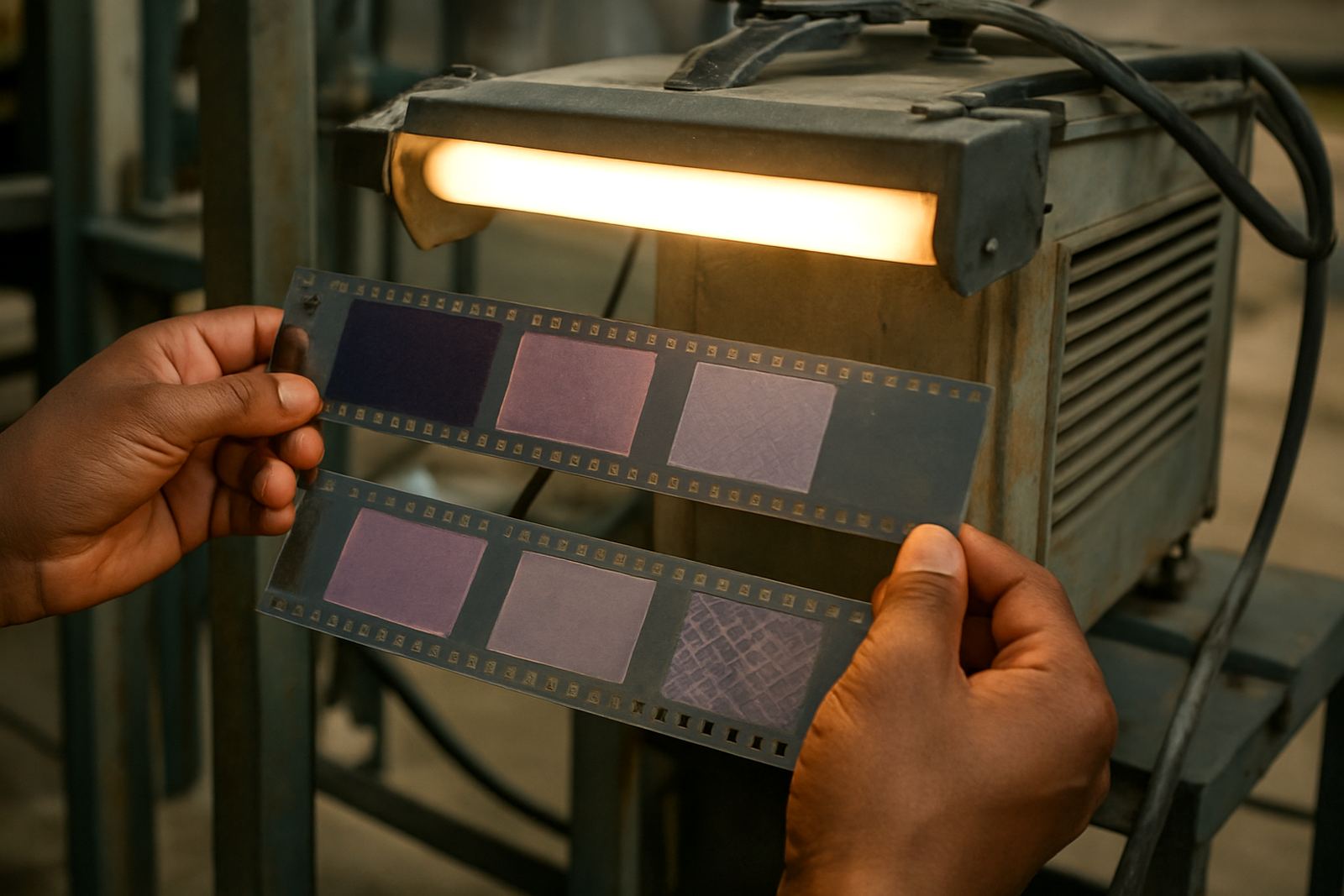
Small differences in coating, absorbency and surface energy can change how an ink behaves. That is why drawdown panels, adhesion tests and rub resistance checks matter before full production. A test on the wrong material can look fine in the lab and fail on press, especially where humidity is high or the production floor is running warm.
In coastal areas like Durban, moisture can alter drying and handling. In Gauteng, dust and static can create different problems. Good sustainability work means reducing rework in each of those conditions, not just proving a formula on one perfect sample. It also means keeping retain samples so future batches can be matched without starting from zero.
- Run compatibility checks with the full coating, varnish or lamination system.
- Set the threshold carefully so the colour change is visible but not too sensitive.
- Record the drying window, rub score and press speed for repeat runs.
Tune security features so they support, not complicate, production
Security ink is often treated as an added cost, but it can actually reduce waste linked to rejects, returns and counterfeit claims. The key is to choose features that are useful for the pack line and practical for the customer. If a hidden pattern or verification mark needs special handling, make sure the process fits the production environment from the start.
Sibusiso Mthembu and the ThermoInk team often see projects where the first version is too complex for the converter’s setup. A simpler security pattern can be easier to control, easier to verify and cheaper to repeat. That matters when batches are being run for national distribution and the same pack may move from Durban to Cape Town or Johannesburg in the same week.
- Keep the security method visible enough for checking, but not so obvious that it is easy to copy.
- Plan the inspection step alongside production so there is no delay at dispatch.
- Use a batch retain library to support traceability when questions come up later.
Reduce waste by planning the press run properly
Most ink waste happens before the press even starts. A solid job brief, correct colour target and accurate trial batch can cut down on make-ready losses. That is particularly important when materials are being moved between sites, or when packaging is destined for chilled storage and needs tighter performance control.
At the Jacobs base, production and technical support often work together to sort out coating compatibility, pressure issues and drying behaviour before a full run is scheduled. That support can save metres of board and a lot of operator time. It also helps where municipal waste rules or customer audits require better record keeping around production losses.
- Confirm the artwork and colour target before the first mixed batch is made.
- Use trial batch making to check performance with the actual press setup.
- Give operators clear startup notes so the first sheets are closer to spec.
A Durban example: chilled packaging with heat cue and traceability
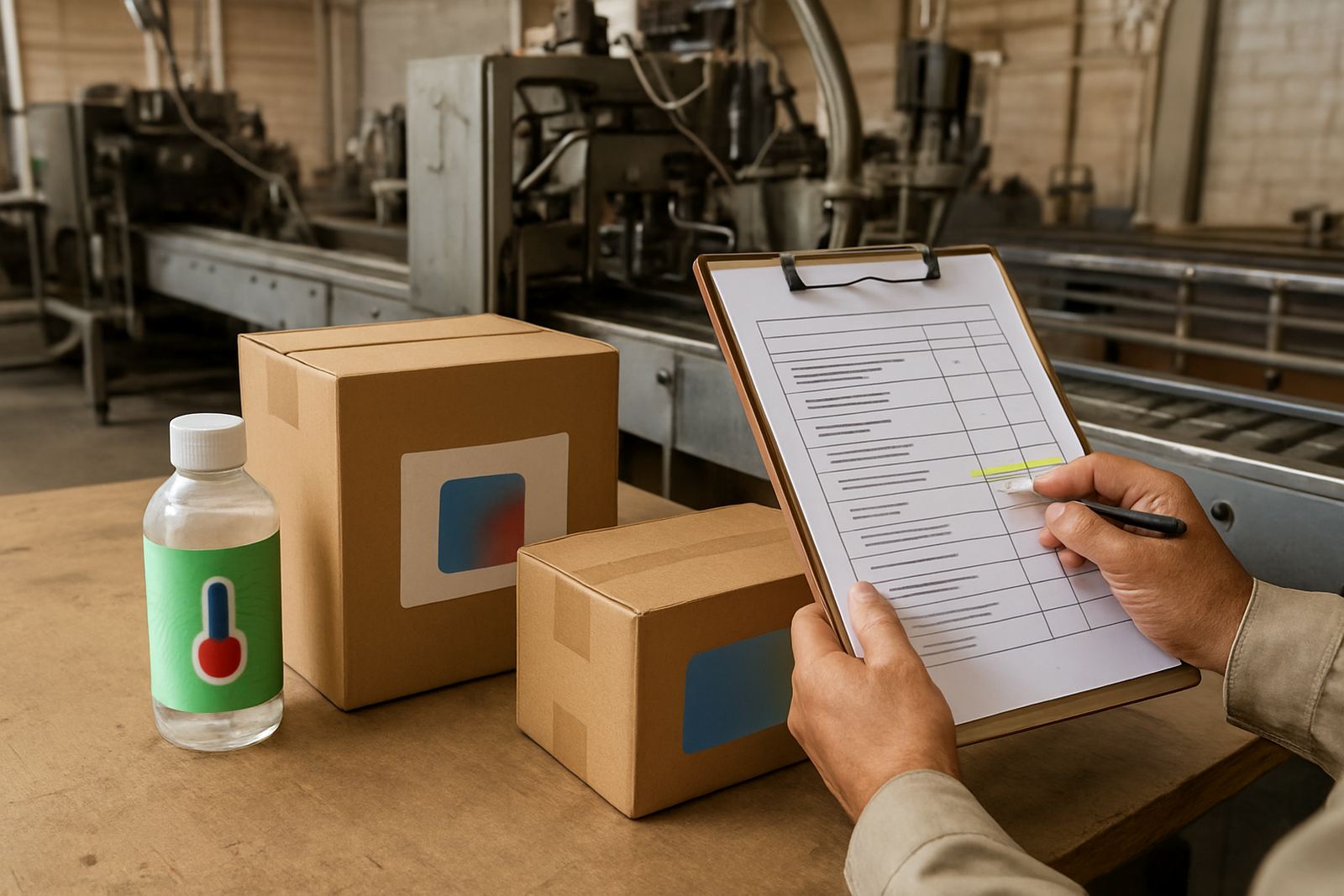
A food packer in Durban South needed a carton for chilled products that would show if the pack had been exposed to warmth during transport. The brief also called for a simple authenticity feature because the line was being copied in informal markets. The team wanted a solution that would not overcomplicate recycling or create extra print steps.
Using a tested thermochromic layer with a discreet security pattern, the converter was able to keep the design clean and the print process manageable. After adhesion tests, rub resistance checks and a press startup support session, the job ran with less spoilage than the first spec had predicted. The result was a pack that gave a useful consumer cue and a better control point for the supply chain, all without piling on unnecessary material.
That kind of project shows the real point of sustainable ink thinking: choose a function that matters, test it properly and keep the production method as lean as possible. Not every effect needs to be loud. The right one just needs to do its job well.