What makes thermochromic ink worth using on packaging?
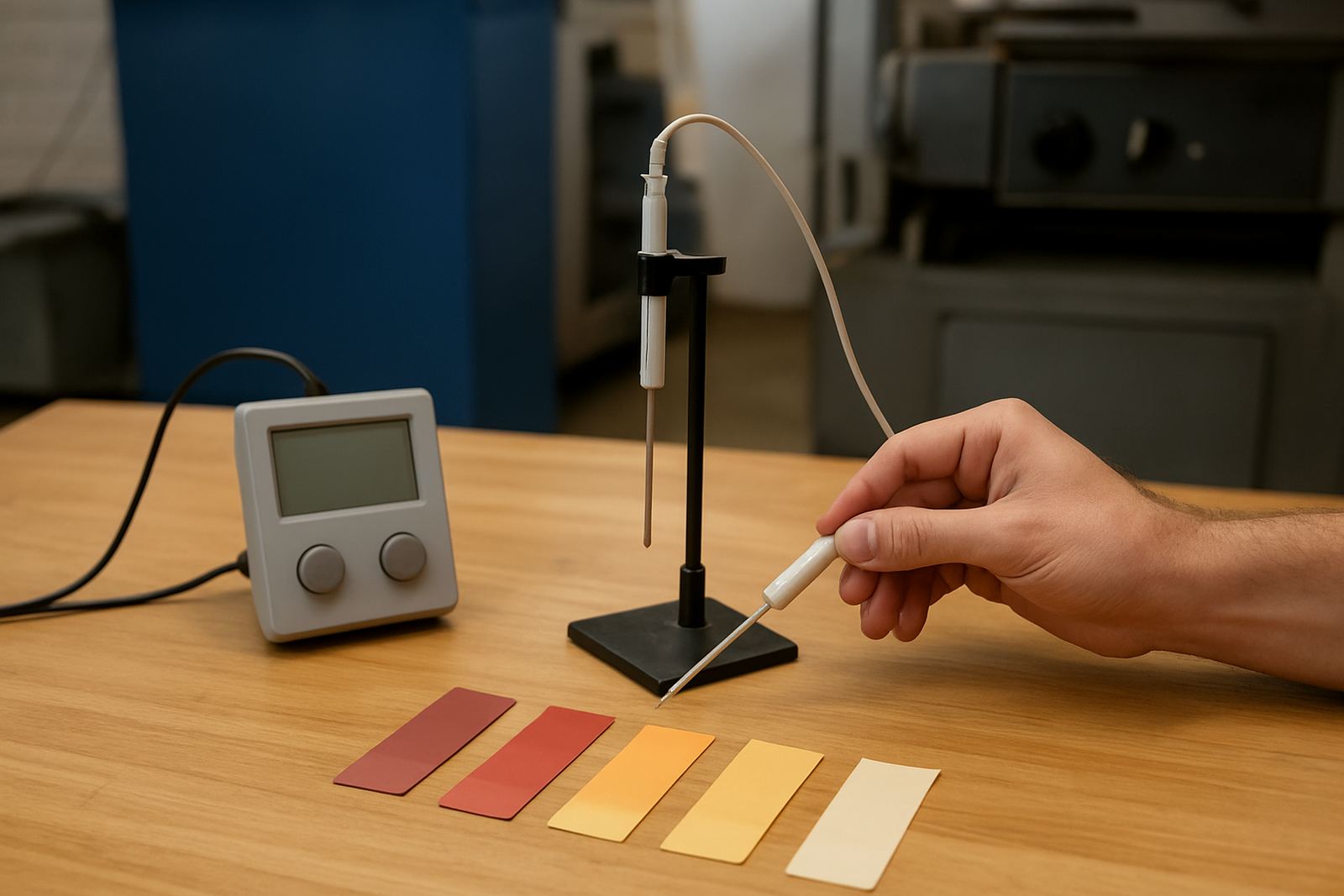
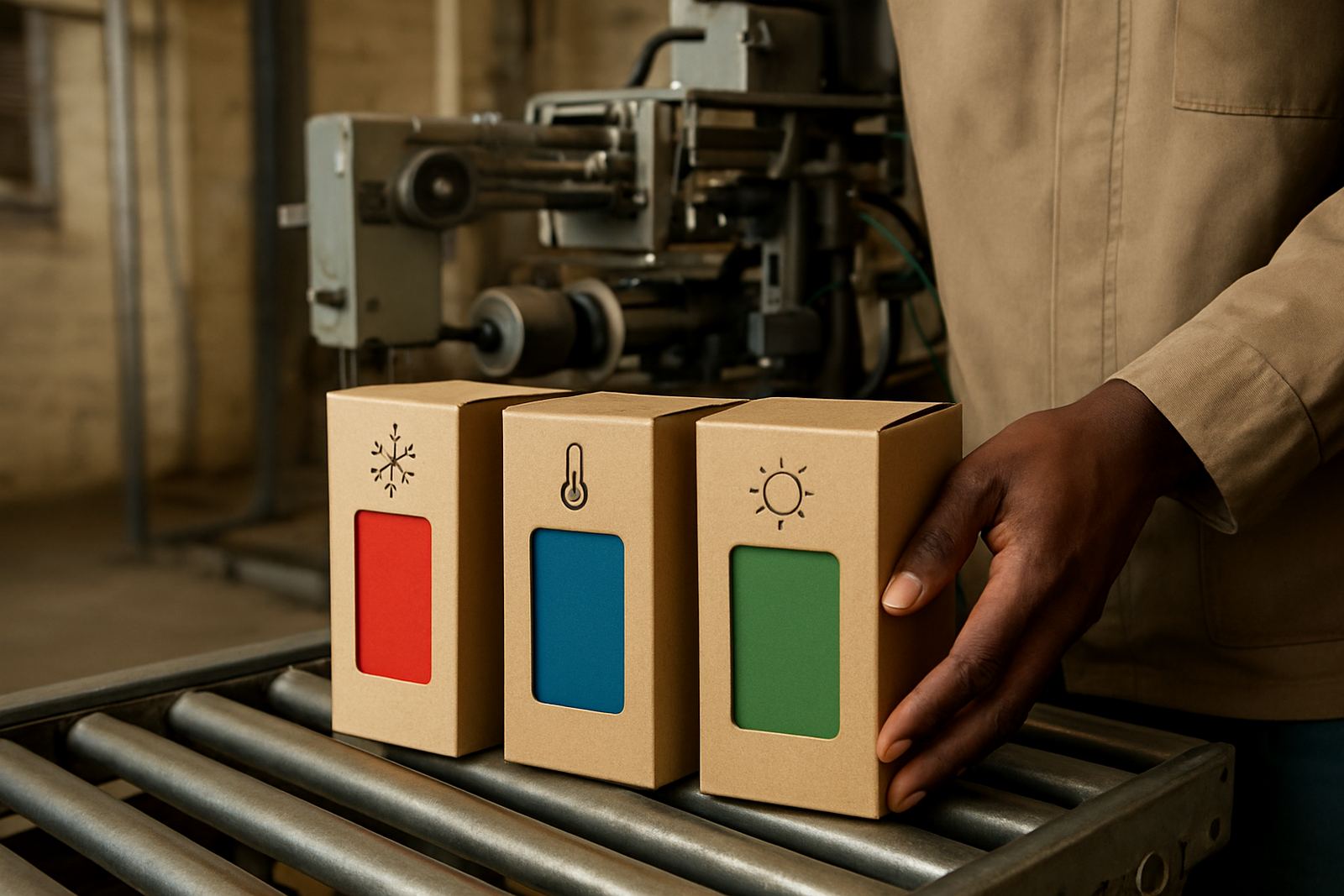
Thermochromic ink changes appearance when it reaches a set temperature, so it gives a clear visual cue on pack. For chilled foods, ready meals, heat-sensitive pharmaceuticals or promotional packs, that cue helps staff and consumers see whether the product has been exposed to the wrong temperature range. In a Durban summer, where warehouse heat and loading bays can climb quickly, that can be useful before the pack ever reaches a shop shelf.
The point is not decoration alone. The ink needs to suit the pack format, the substrate and the print process. A converter working on folding cartons will often need a different system from one running flexible film or coated labels. We usually start by checking the substrate, the drying method and whether the pack will face moisture, cold chain movement or long storage. That is where the technical value sits.
- Temperature response range set for the product use case
- Compatible with the substrate and coating system
- Suitable for the intended print line speed
- Checked for shelf-life stability and handling conditions
How do converters know if the ink will stick properly?
Adhesion depends on the surface energy of the substrate, the ink chemistry and any varnish or lamination used over it. A good print on paperboard can fail on a coated film if the surface has slip additives, moisture or residual treatment issues. That is why we do drawdown panels and coating compatibility checks before full production.
In practice, we ask for the exact material build-up, not just the pack name. A carton for personal care goods, for example, may have a different coating from a food carton that must tolerate fridge conditions. Once the substrate is confirmed, we can run adhesion tests and rub resistance checks to see whether the print will survive packing lines, transit and retail handling. If a converter in Jacobs is running jobs overnight, this step can save a costly reprint the next morning.
- Confirm substrate type, coating and finishing method
- Test adhesion before the main run
- Check rub resistance after drying or curing
- Review whether overprint varnish or laminate affects the result
What is the difference between a trial batch and a full production run?
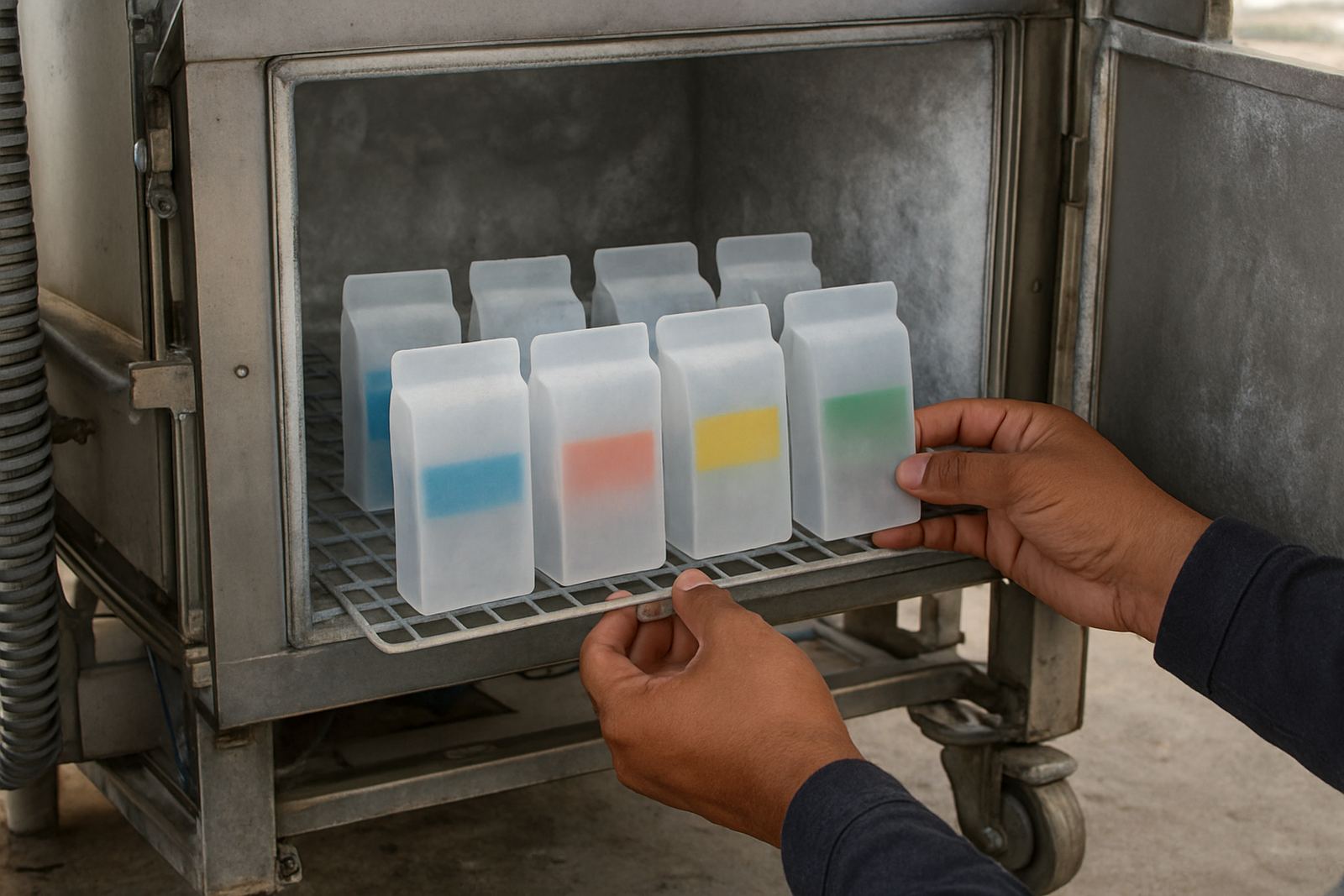
A trial batch is a controlled quantity used to prove the ink on your own equipment and your own materials. It shows whether the colour shift is clear enough, whether the security feature reads correctly, and whether the print holds up at your normal press speed. A full run assumes those basics have already been confirmed.
We use trial batch making to narrow down the settings before production. That may include threshold tuning, drying changes, screen or anilox adjustments, and minor changes to print speed. On some jobs, the first trial tells us the ink is fine but the coating is too closed up, or the press pressure is slightly high. Those are practical fixes, not big problems, and they are best found before thousands of packs are on the line.
For converters in KwaZulu-Natal, humidity can also change the behaviour of the board or film during a run. A material that prints well in a cool morning may behave differently after lunch, especially when the press room is warm. That is why we stay involved at startup when needed.
- Trial batch proves the print before scale-up
- Threshold tuning sets the response point correctly
- Press startup support helps with live adjustments
- Trial results can be kept in the batch retain library
How do security inks help prevent tampering or copying?
Security inks are used to make unauthorised copying harder and to help verify that a pack is genuine. Depending on the brief, the solution may include visible features, hidden markers or pattern work that is difficult to reproduce without the correct process. For packaging converters, the main question is usually whether the security feature can be printed cleanly within the normal production flow.
We approach this as a production problem first. If the design is too fine for the press, the feature can break up. If the coating interferes with the finish, the mark can look inconsistent. That is why security pattern design is done together with production checks, not after the artwork is already fixed. Pieter van Wyk works on the security side, while the press team checks whether the layout will hold on the chosen stock.
For cartons going into national distribution, especially where packs pass through several depots and re-handling points, the feature should be easy to verify but hard to imitate. That balance matters more than making the artwork busy.
Which print and finishing problems come up most often?
The most common issues are poor wetting, weak rub resistance, a colour shift that is too subtle, and security marks that disappear under overprinting or varnish. Some converters also find that one side of the pack behaves differently from the other because the board coating is uneven. In short, the ink may be correct but the system around it is not.
We normally work through a simple sequence: test the coating, check the drawdown, confirm the drying conditions, then compare the result under normal handling. If the pack needs UV verification setups, that is added before release. If the issue is mechanical, production troubleshooting can often isolate it quickly. On a live line, small changes matter. A slower conveyor, a warmer dryer zone, or a tighter impression setting can change the outcome.
- Weak adhesion on coated or treated surfaces
- Colour change that is too faint or too sudden
- Rub marks after stacking or transit
- Security feature lost under varnish or laminate
How do converters manage supply, records and repeat jobs?
Repeatability matters as much as the first successful print. If a job returns six months later and the response has shifted, the pack line can be disrupted and the client may reject the batch. That is why batch retain libraries are useful. They let the converter compare the current sample against the earlier approved one, instead of relying on memory or a faded production note.
For national supply, lead times and freight planning matter too. A converter in Pretoria may need a different dispatch window from a customer in Cape Town or Gqeberha, especially when road freight is affected by loadshedding, weather or port delays. Jason Pillay coordinates national logistics so trial batches, retain samples and production supply are matched to the schedule. Local supply from Jacobs helps us move faster when a press starts early or a client needs a replacement batch at short notice.
Good records also help when the same pack goes through a second print house. Clear notes on coating compatibility, rub resistance and threshold settings reduce back-and-forth and keep the next run closer to the approved result.