Start With the Job Ticket, Not the First Sheet
Press consistency begins before the machine starts. For thermochromic and security inks, the job ticket should carry the exact substrate, coating, print sequence, target drying conditions and the approved drawdown or trial batch. If the team is working from memory, small changes creep in and the result can drift after only a few thousand metres.
In Jacobs, where humidity can rise fast and coastal air can slow drying, converters often find that a job printed cleanly at 8 am behaves differently by mid-afternoon. That is why the make-ready process should confirm the same stock, the same anilox or coating method, and the same curing settings before the run begins.
- Check the approved sample against the current carton, film or label stock.
- Confirm the ink batch number and retain reference.
- Record press speed, temperature and drying or curing settings.
- Agree the acceptable shade and colour-change point before start up.
Match Ink Behaviour to the Substrate Early
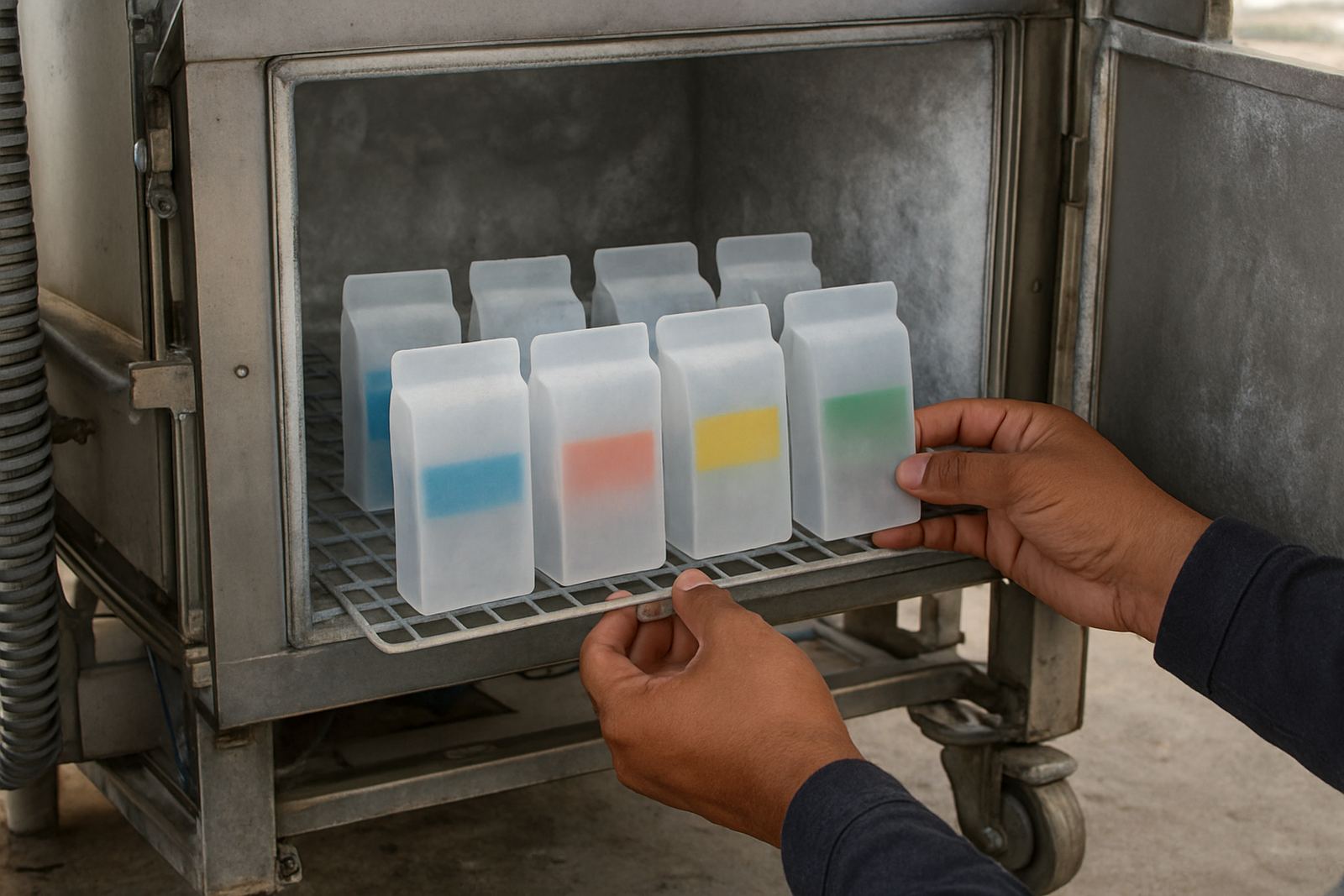
Specialised inks can be sensitive to surface energy, coating levels and porosity. A substrate that looks identical on paper may still take the ink differently from one supplier lot to the next. That is why coating compatibility and adhesion tests matter before a full run, especially on converted packaging that must survive handling, stacking and cold-room storage.
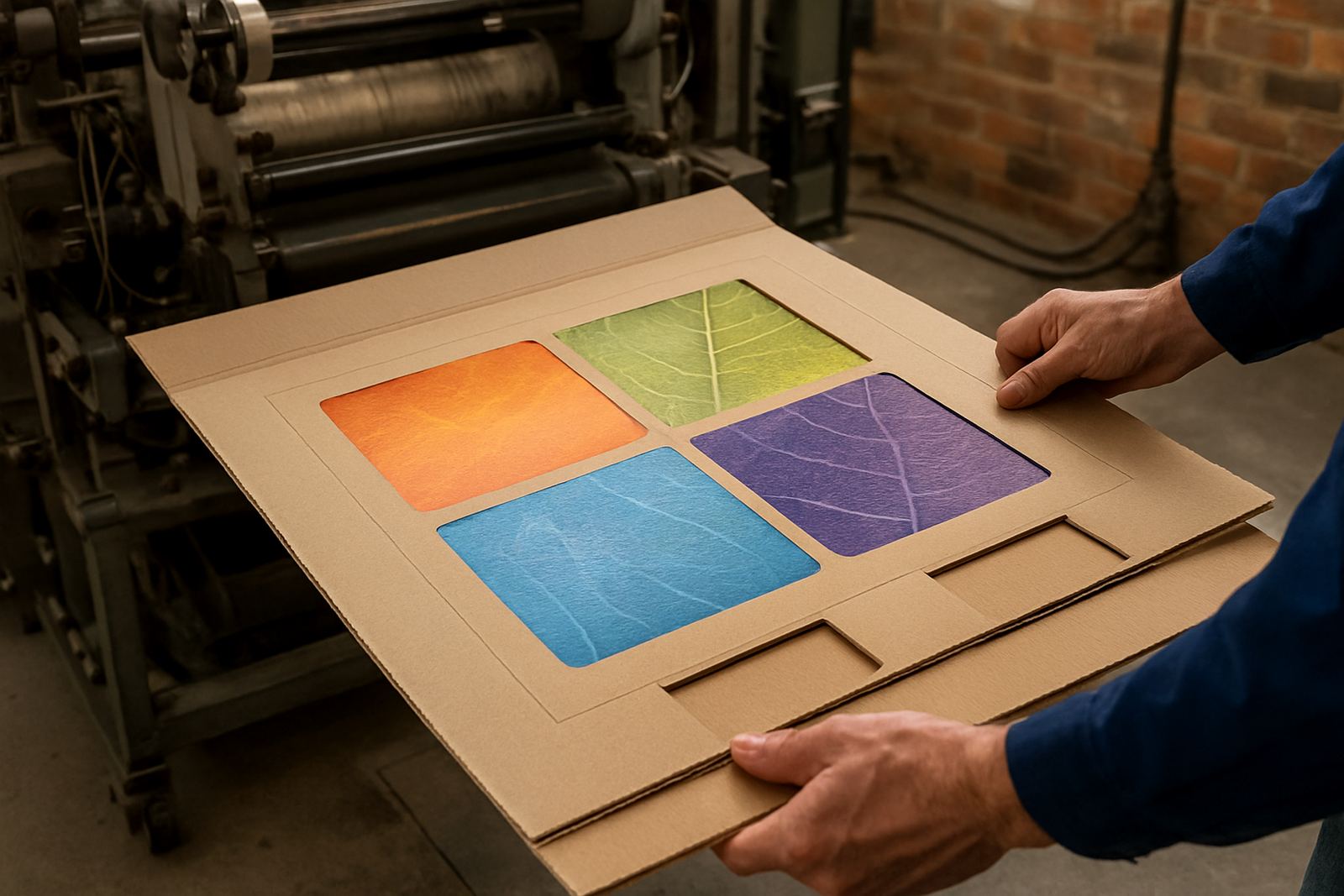
ThermoInk supports trial batch making, drawdown panels and coating compatibility checks so converters can see how the ink behaves before the press is committed. A small test area can show whether the print will hold its finish, whether the trigger point is right, and whether any primer or surface treatment is needed.
- Run adhesion tests on the exact board, film or laminate you will print.
- Compare drawdowns across at least two substrate lots where possible.
- Check whether lamination, varnish or overprint layers affect the colour response.
- Use the batch retain library to compare current results with previous approved work.
Control the Variables That Move During the Run
Even a well set job can shift if temperature, humidity, press speed or drying changes during the shift. That is a bigger issue with functional inks than with standard decorative work because the finish must still change at the right threshold and remain readable after rubbing, folding and packing.
On a humid day in Durban South or Prospecton, drying may need closer monitoring than usual. In winter, some inland plants in Johannesburg or Pretoria face the opposite problem, with very dry conditions that can change transfer and laydown. The point is not to overcomplicate the run, but to watch the variables that most often move the result.
- Keep ink at the same working temperature throughout the run.
- Watch for changes in line speed that alter laydown or dwell time.
- Recheck rub resistance after any press pause or wash-up.
- Inspect the first carton or roll from each restart before carrying on.
Keep Colour Change and Security Checks on the Line
Thermochromic inks and security inks are both performance products, so the pressroom should verify them during the run, not only at sign-off. A quick UV verification setup or threshold check can show whether the feature is still responding as specified. If the colour shift has moved or the security mark has weakened, the team can correct it before too much material is committed.
It helps to nominate one person to do the mid-run checks, rather than leaving the task to whoever is free. At ThermoInk, the production and technical teams work with converters on threshold tuning, security pattern design and production troubleshooting so the checks stay practical on the floor.
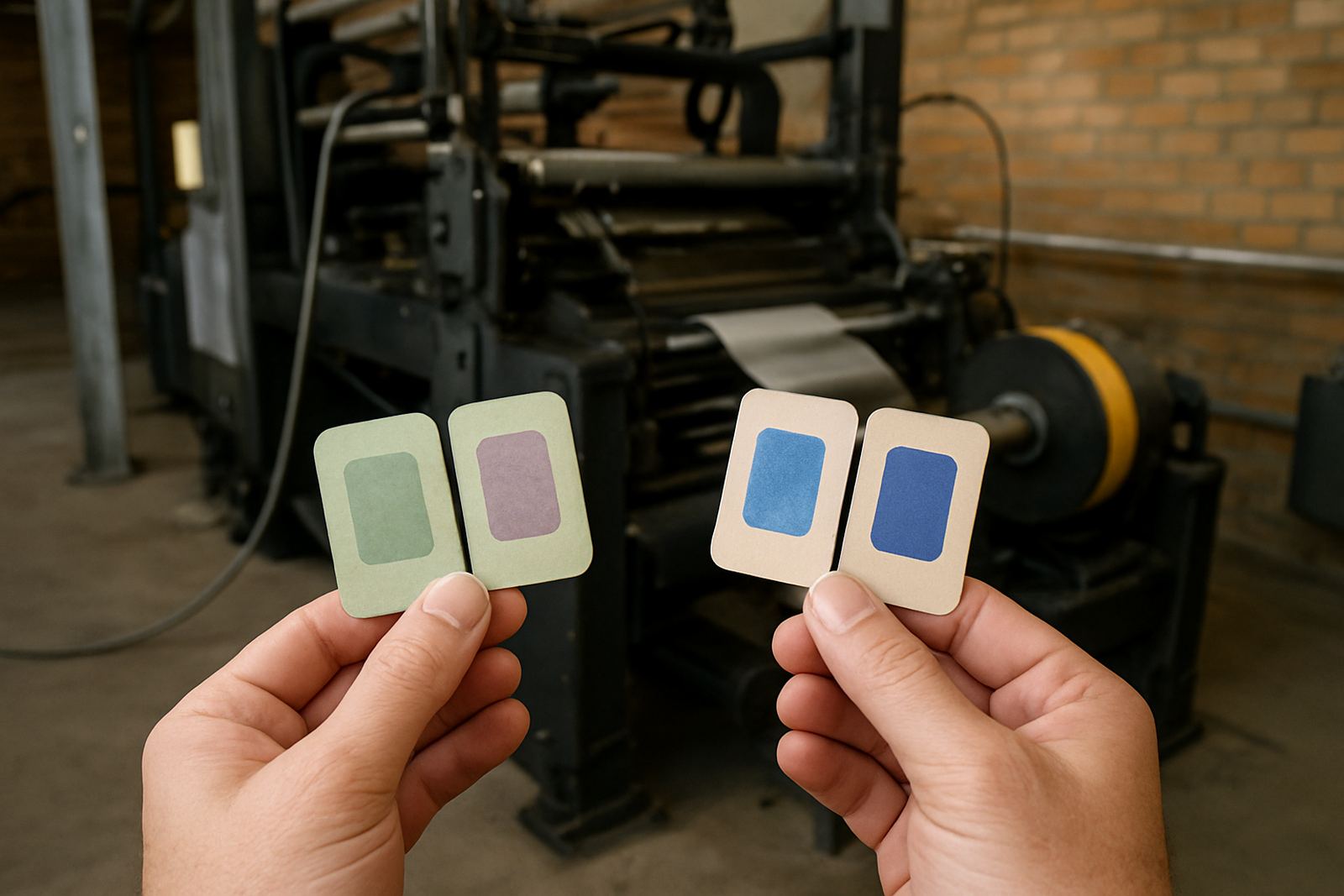
- Use a simple pass-fail sample card at agreed intervals.
- Check the trigger point after warm-up and again after the press has stabilised.
- Verify that any hidden or overt security feature still reads correctly under the chosen light source.
- Log every adjustment so the next shift can repeat the same settings.
Reduce Handling Damage After Print
Many print faults are really handling faults. A package can leave the press looking good and still fail if it is rubbed too soon, stacked too tightly or exposed to damp before curing is complete. For converters supplying national retail and distribution channels, this matters because cartons may travel from Durban to Cape Town, Gqeberha, Pinetown or further inland before they reach the filler.
Rub resistance checks should be built into the process, not treated as an afterthought. If the ink is meant for temperature-sensitive goods, the outer pack still has to survive warehouse movement, pallet wrap and repeated contact in the supply chain. One missed drying step can undo a perfect print.
- Allow enough cure time before guillotining, folding or palletising.
- Keep fresh printed stock away from condensation and sealed shrink wrap until stable.
- Use clean separators if sheets must be stacked before full cure.
- Test rub resistance on both the printed and folded areas where practical.
Use Retains and Troubleshooting Notes to Hold the Standard
A batch retain library is one of the simplest ways to keep a specialised ink programme steady. If a future run starts to drift, the retained sample lets the team compare the live job with a known approved result. That makes it easier to decide whether the issue is with ink, substrate, press conditions or operator setup.
Good notes also help when the job returns months later. The best records are short and clear: what changed, what was corrected, and what setting produced the approved outcome. That kind of discipline saves time when production is tight and load-shedding has already shortened the shift.
For converters working across Jacobs Supply, Pinetown Supply, Cape Town Supply or Johannesburg Supply routes, the same principle applies. If the run is documented properly in one plant, it is easier to repeat at another site without rework or guesswork.
- Keep one retained sample per approved batch, labelled by date and job code.
- Note press speed, dryer setting, substrate lot and any add-back or reduction.
- Record the exact point where the colour change or security image was accepted.
- Review faults in the same format after each production issue so patterns are easy to spot.