What Tamper Evidence Means on a Printed Pack
On a packaged product, tamper evidence should answer one simple question: can a shopper or receiver see that the pack was opened or interfered with? That clue can come from a printed warning, a colour change, a hidden mark, a fragile ink layer, or a pattern that is hard to copy. The goal is not to make opening impossible. It is to make interference obvious.
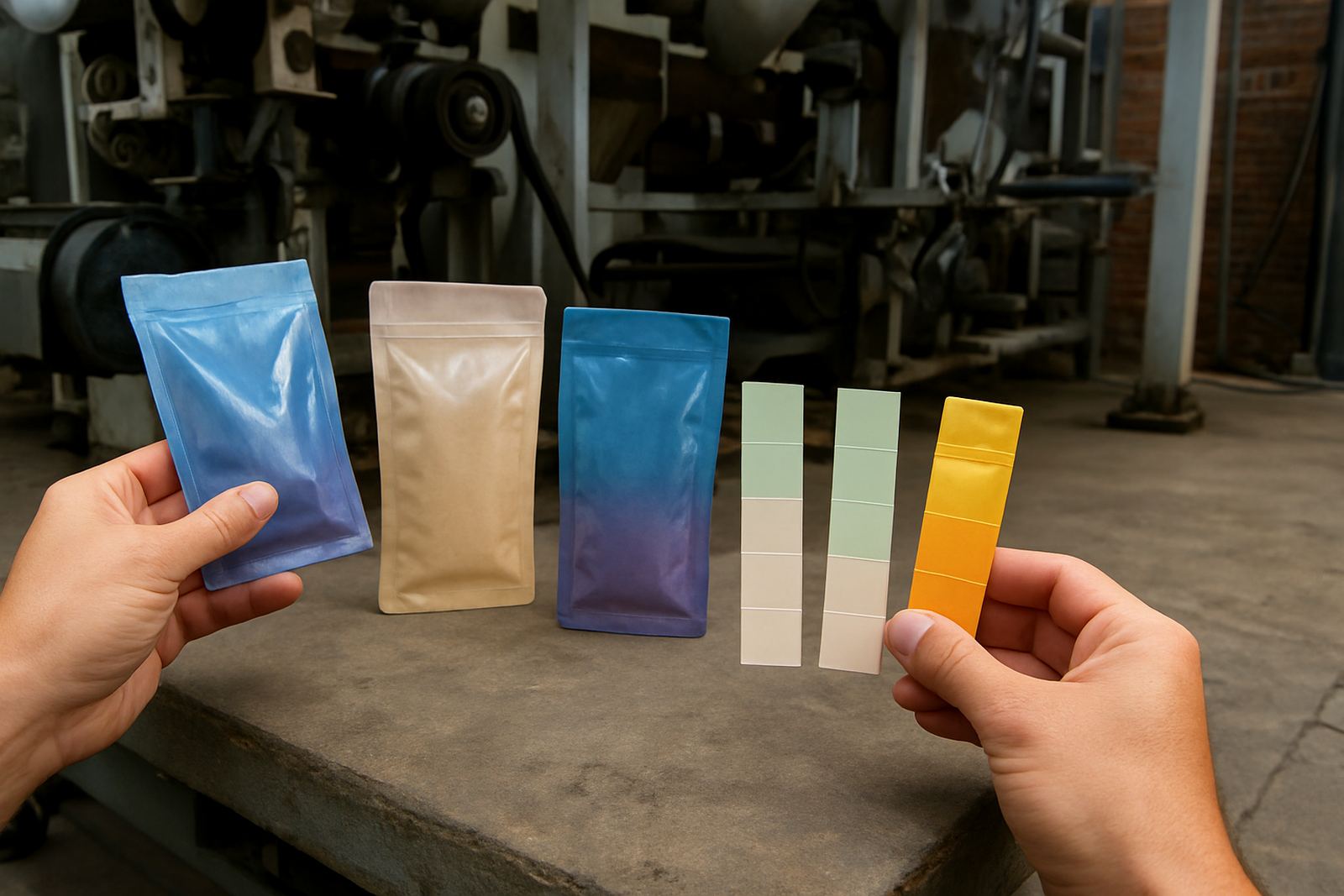
For packaging converters, the best solution is usually the one that works with the pack structure already in use. A carton, label, sachet or sleeve each behaves differently, especially when it leaves a dry inland warehouse and later sits in Durban humidity or a chilled chain. The print should stay readable, the signal should stay clear, and the feature should still be visible after handling, stacking and transport.
- Use a signal that the end user can recognise at a glance.
- Match the printed feature to the substrate and finishing method.
- Test the pack under heat, moisture and rubbing before full run production.
Why Printed Cues Help More Than Plain Labels
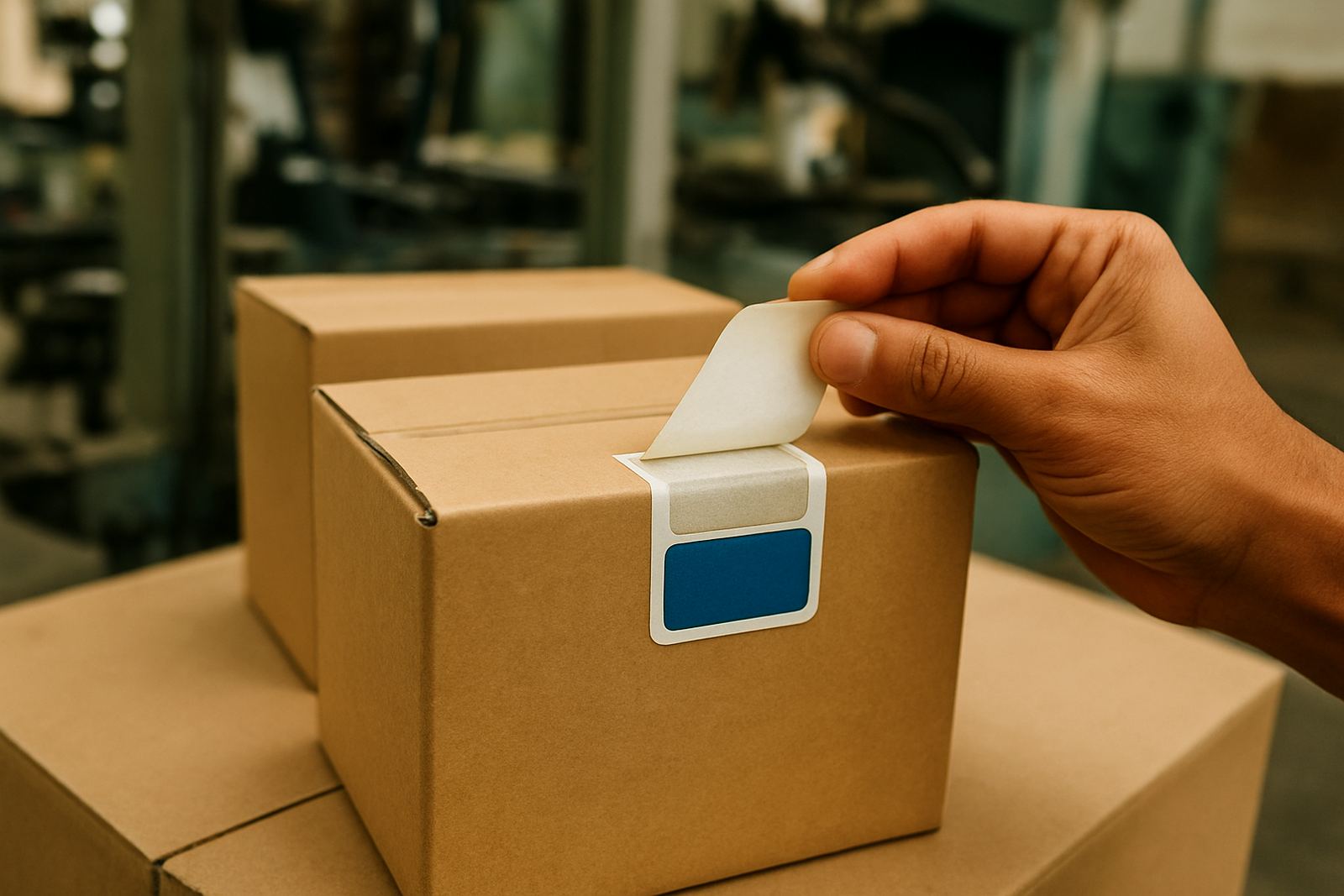
Plain wording alone often gets missed. A small printed cue can be stronger when the pack is handled by warehouse teams, retail staff and consumers who only have a few seconds to inspect it. A colour change, a warning band, or a security pattern on the flap can support the seal and make tampering far easier to spot.
In practical terms, the printed layer works as a second line of defence. If the adhesive line lifts, the overprint can crack, fade, break or change colour. If someone tries to reclose the pack, the printed feature may misalign or show a mismatch. That is useful on pharmaceutical cartons, food packs, cosmetics and high value components where unauthorised opening creates a real risk.
For many converters the question is not whether they need a tamper cue, but which cue suits the line speed and budget. Some packs need a basic visual warning. Others need a more controlled feature with threshold tuning so the change happens at a specific temperature or condition, not too early and not too late.
Thermochromic Indicators for Heat Sensitive Goods
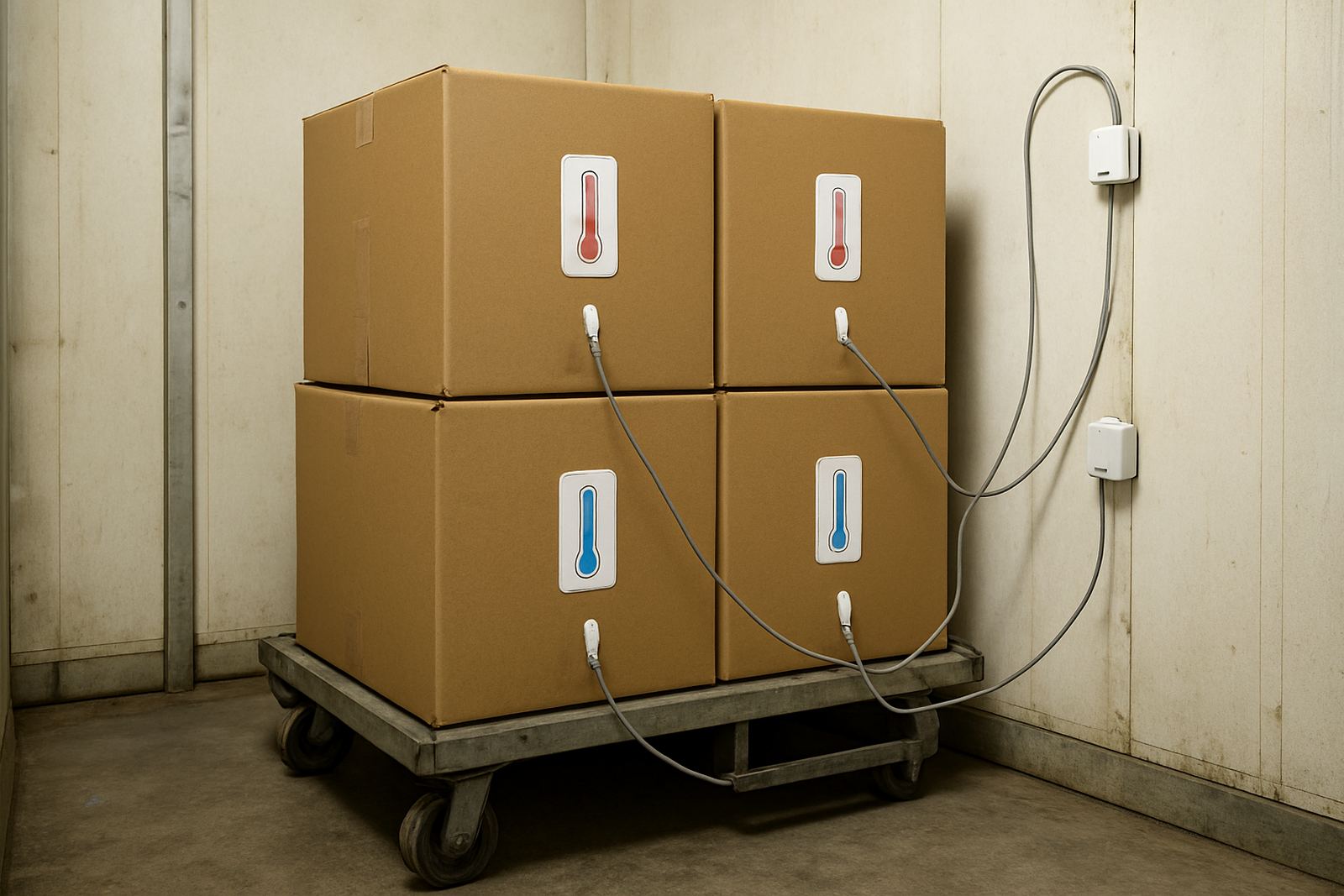
Thermochromic inks are useful where temperature exposure matters. They can give a clear visual shift when a pack moves above or below a set point. That can help with frozen food, chilled goods, certain chemicals, or cartons that must not spend too long in direct sun during loading.
For Durban and coastal KZN, this is practical. A pack may leave a cool store in Jacobs, sit in a delivery vehicle, then move through a loading bay where the roof heat builds quickly. A visible colour shift gives a simple cue that the product has spent time outside the preferred range. It does not replace cold chain controls, but it supports them.
- Set the trigger point to suit the product, not just the ink standard.
- Check how fast the change appears under real line and transport conditions.
- Test after coating, varnish or lamination because those layers can alter response.
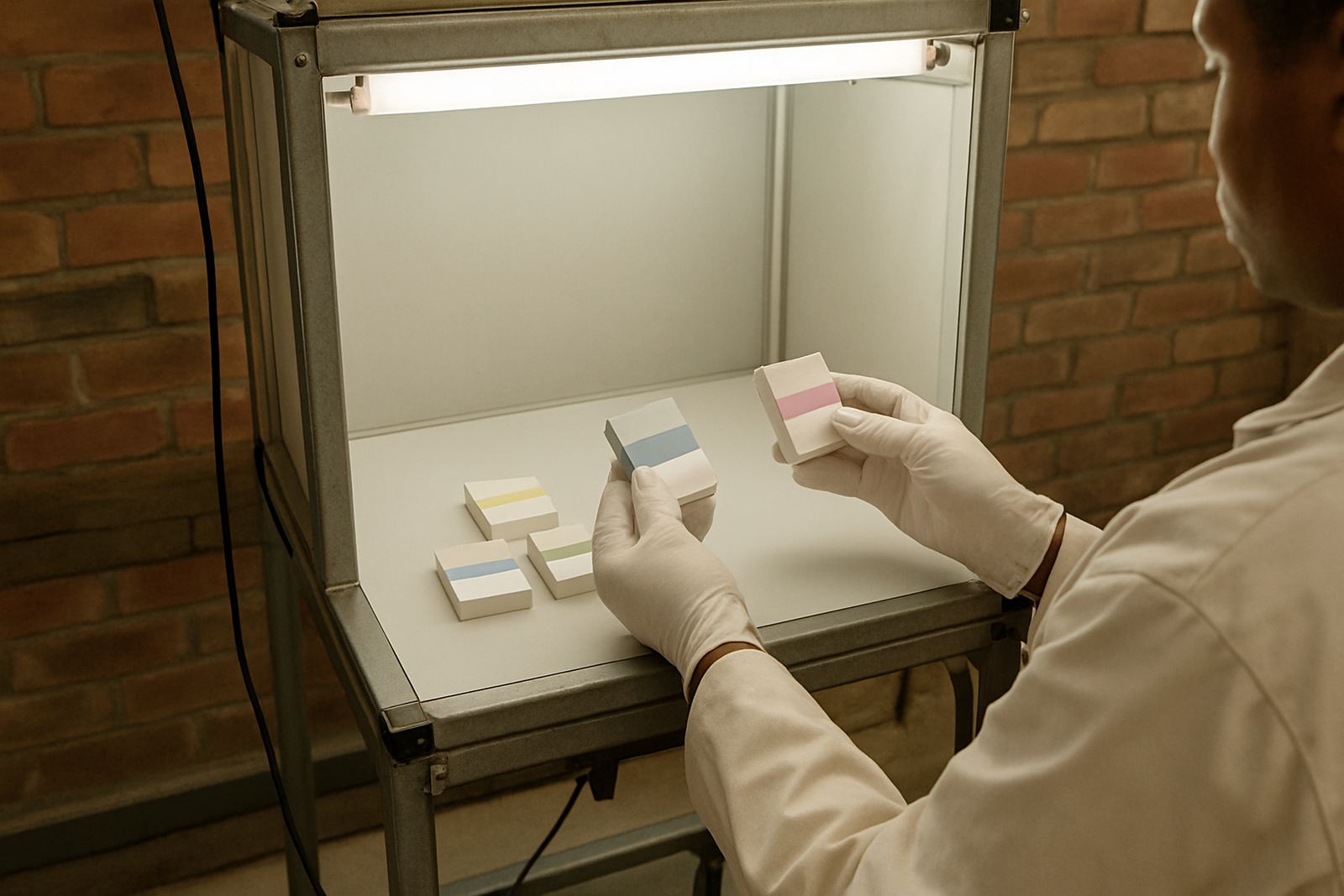
Our team often uses drawdown panels and trial batch making to confirm that the signal is practical on the intended stock. If the feature is too faint, too slow or too broad, it will not help the pack owner when goods are on the road or in a store room.
Security Inks That Make Copying Harder
Security ink can support tamper evidence by making a pack harder to fake. A copied carton may look close from a distance, but under normal inspection it should show differences in colour response, pattern detail or verification behaviour. That matters for branded goods, warranty packs and product lines where fakes move through informal channels.
A good security feature should be simple enough for staff to check, yet specific enough that copies do not pass easily. In some cases the feature is visible. In other cases it is checked with a UV setup or a special viewing method. The right choice depends on the risk, the product and who needs to verify it.
- Design a pattern that suits the pack face and copy risk.
- Keep a retained sample library so future runs can be compared properly.
- Use UV verification setups where the pack needs a more controlled check.
For converters, the value is in getting the feature right first time. That reduces rework, stops confusion on press and helps clients keep a consistent standard across runs in Durban, Johannesburg, Cape Town and beyond.
How to Test the Feature Before Full Production
Good tamper evidence starts with testing, not guesswork. The ink must stick, the colour must read clearly, and the feature must survive handling. A simple press test is not enough if the finished pack will later pass through cartons, pallets, humid stores and transport vibration.
Useful checks include adhesion tests, rub resistance checks and coating compatibility checks. If the pack has a varnish or overprint, that layer may weaken the signal or alter the viewing angle. If the substrate is difficult, the solution may need a different ink load or a changed print method. Production troubleshooting is often where the real answer shows up.
It also helps to keep the test conditions close to the real job. If the product will move through coastal humidity, try the sample in similar conditions. If it will be loaded in the midday heat in Prospecton or Pietermaritzburg, test that too. A cue that looks good in a cool room can behave very differently on a hot line.
A Durban Example: Heat, Handling and Proof of Interference
Picture a Durban packaging converter supplying cartons for a chilled food range. The client wants a clear sign if packs warm above a safe point during distribution, and another sign if the carton has been opened and reclosed. The answer may be a thermochromic patch on the inner flap plus a security pattern on the top panel, with a visible warning on the outside.
The feature is checked during trial batch making, then adjusted with threshold tuning so the colour shift happens at the right temperature. After that, the converter runs rub tests, confirms adhesion, and stores a retained sample in the batch library. If the client later asks for a repeat run, the reference is there and the result stays consistent.
This approach works because it fits the local reality. Durban humidity, coastal storage and fast deliveries to packaging converters nationwide all put pressure on print. A simple, well tested cue is often better than a fancy feature that cannot survive the trip.
Choosing a Practical Route for Your Line
Tamper evidence basics come down to three things: can people see it, can they trust it, and can your line print it without trouble? If the answer is yes, you have a useful pack feature. If not, the pack may look protected but still leave doubt in the market.
ThermoInk works with packaging teams on colour matching, security pattern design, adhesion tests, press startup support and batch retain records. For converters in Jacobs, Pinetown, Prospecton, Cape Town, Gqeberha, Johannesburg and Pretoria, the right next step is usually a test batch and a practical review of the pack structure. That keeps the solution grounded in real production, not theory.
When a tamper cue is clear, consistent and suited to the pack, it supports the whole supply chain. That includes the maker, the converter, the distributor and the person who opens the pack at the end.