Why ready meal trays benefit from temperature cues
Ready meal packs are handled quickly, often by shoppers who want a fast choice and by staff who need clear product information at a glance. A temperature indicator on the tray, sleeve or lidding film can show when the pack is at serving temperature, still too hot to handle safely, or has moved outside the intended range. That saves time at point of sale and helps reduce confusion in busy fridges, canteen counters and convenience sections.
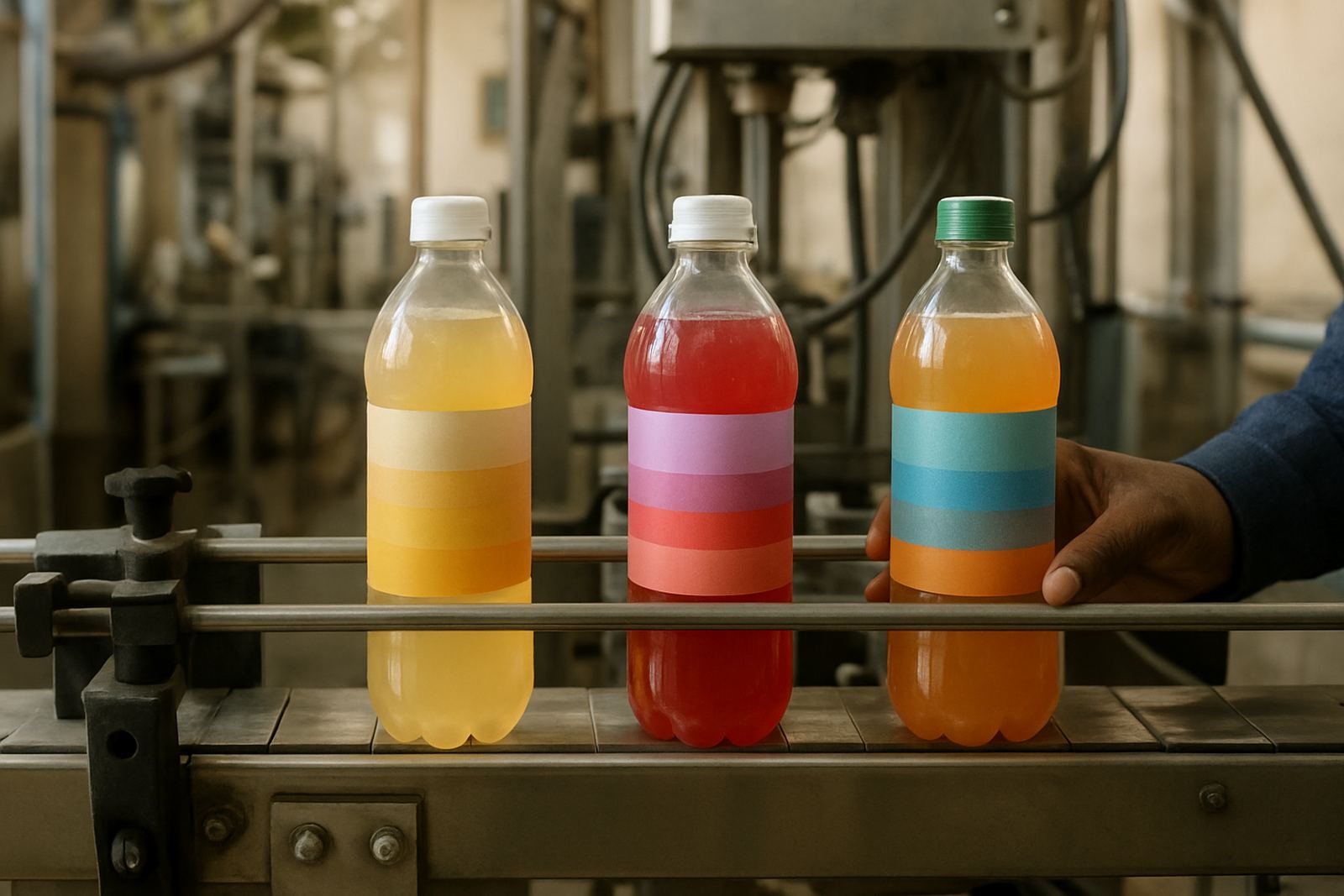
For South African packs, the challenge is not only the printed effect. The ink has to work on the actual packaging structure, which may include polypropylene trays, coated cartons, PET-based sleeves or laminated labels. In Durban’s humidity, a finish that looks fine in the print room can still fail in chilled transport or after condensation forms. We plan for that from the start, because moisture, heat and handling all affect the final result.
Typical pack set-up and where the indicator sits
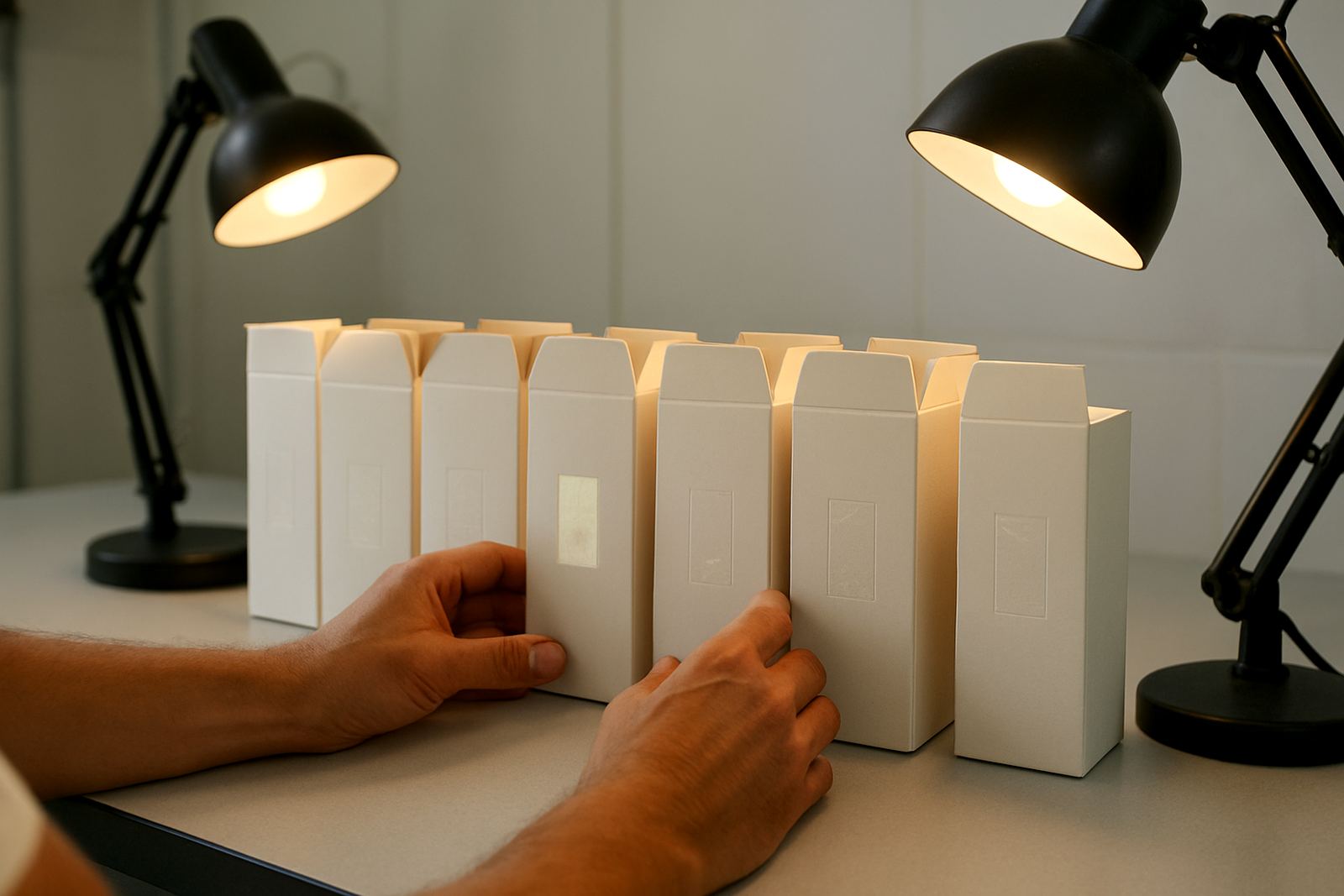
Most ready meal tray projects use one of three placement options: a front label, a top lid panel, or a side panel that is visible in chilled display. The right choice depends on how the pack is filled, sealed and stacked. If the tray goes through reheating instructions, the indicator needs to be positioned where the consumer can see it before opening and where it will not interfere with sealing or barcode areas.
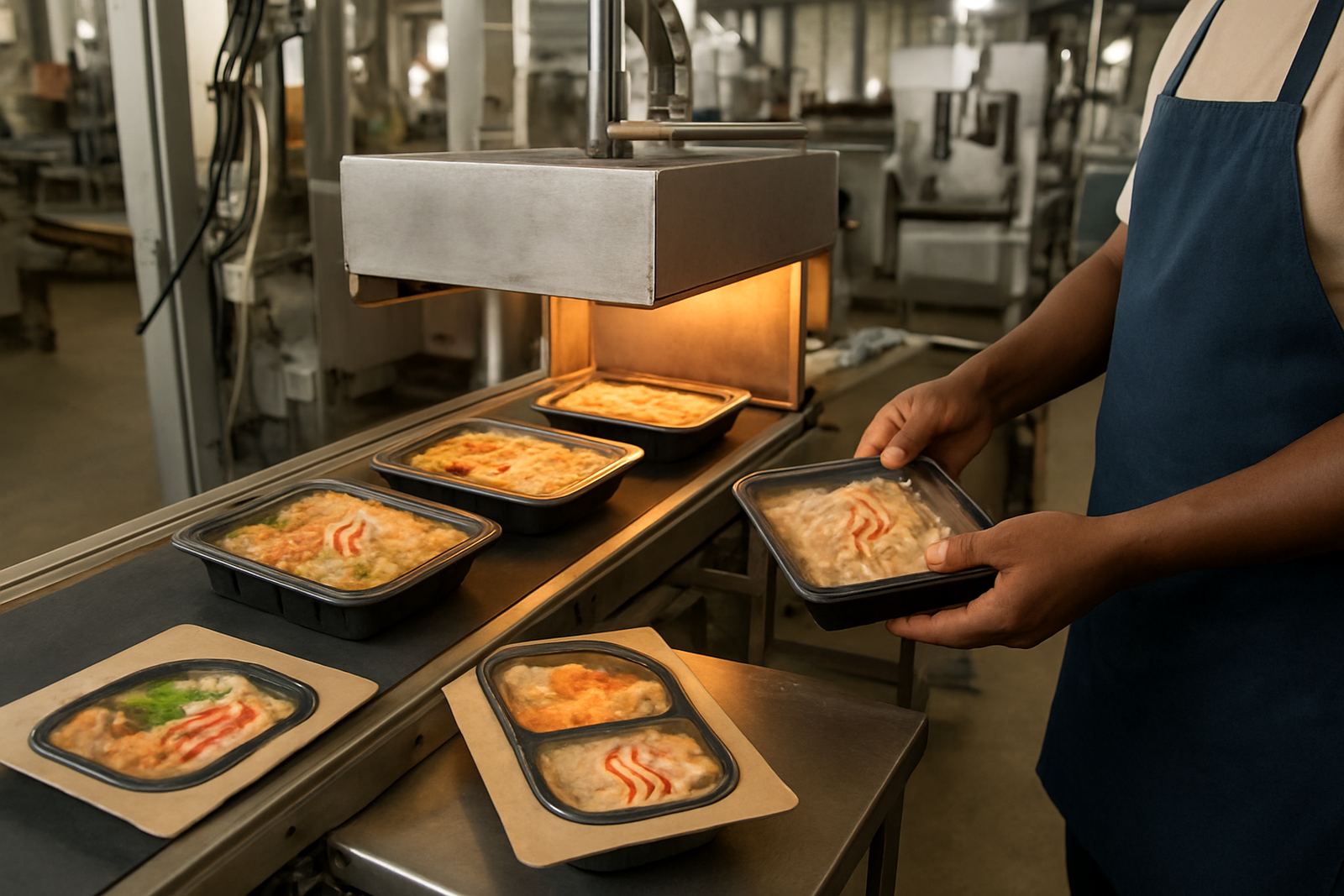
- Single-compartment meal trays for chilled or microwaveable meals
- Multi-compartment trays for rice, protein and vegetables
- Lidding film or wraparound labels with a colour-change window
- Outer sleeves for premium packs and retail ready meals
- Security marks for premium, export or high-risk product lines
We usually start with drawdown panels and then move to a small trial batch so the converter can check colour shift, print clarity and curing behaviour before full production.
Layout planning that keeps the message clear
Good layout is about timing, not decoration. The colour change should be obvious enough for the shopper to understand in one glance, but not so large that it overpowers the pack information. Keep the indicator near the product name or serving instruction, and leave enough space for legal text, batch codes and barcodes. On smaller trays, a compact symbol or window often works better than a large printed block.
We also advise on threshold tuning, which is the point where the ink changes colour. For ready meals this may be linked to serving temperature, safe handling, or a production check point. If the threshold is too sensitive, the indicator can shift during cold chain movement and cause false signals. If it is too high, the consumer may never see the intended result. Jason and Shaun usually work with the converter and pack owner to settle this before press startup.
- Confirm the temperature range before artwork is finalised
- Allow for fridge condensation and short transport delays
- Keep key instructions visible after the colour shift
- Test in real tray orientation, not only on flat sheets
Printing, adhesion and performance tests before release
Ready meal trays are exposed to rubbing, stacking, damp storage and repeated handling. That makes adhesion tests and rub resistance checks essential. On some substrates the surface energy is low, so the ink may need a compatibility check with the coating or primer already on the pack. We also check whether the print will survive chilled rooms, warm filling lines and the occasional rough box movement during distribution.
Our production team can set up UV verification where needed, and Nomfundo’s colour lab handles matching so the thermochromic effect stays consistent from trial to production. Pieter handles security ink design where brand protection is part of the job, especially for premium food ranges where counterfeit packs can be a concern. For extra control, we keep batch retain samples in the library so a later run can be compared to the original. That is useful when a customer needs repeat orders months apart or across multiple filling sites.
Common mistakes on ready meal tray projects
The most common problem is treating the tray like a normal label job. Ready meal packs live in cold rooms, under lights and in consumers’ hands, so the ink choice has to suit the whole journey. Another mistake is placing the indicator where the sleeve folds, seal area or microwavable vent will distort it. A third issue is using a threshold that looks good in theory but fails when the pack comes out of a delivery van in summer.
- Choosing a trigger point without checking the real product temperature
- Ignoring condensation after fridge storage
- Printing on an incompatible coating or varnish
- Using artwork that hides the colour shift
- Skipping press startup support for the first run
We often see teams underestimating how much the surrounding layout affects the message. If the indicator is too small, or placed near heavy graphics, shoppers miss it and the feature gets wasted.
Budget ranges for pilot runs and full production
Budget depends on the pack format, the number of inks involved, whether security features are included and how many trials are needed. For a simple pilot with one thermochromic effect on a ready meal tray label or sleeve, customers in South Africa usually plan from about R8,500 to R18,000 for testing, setup and a limited trial batch. A more involved project with colour matching, multiple threshold options and compatibility checks can move into the R20,000 to R45,000 range.
Full production pricing is generally driven by volume, substrate type and whether the feature is printed on every pack or only on selected panels. For larger national programmes, converters often work on a staged approach: one test batch, one line proof, then a production roll out. That keeps waste down and avoids stopping the filling line for a problem that could have been caught earlier. In Durban and across the country, that approach usually saves money over fixing a failed run after the fact.
Jason coordinates national logistics from Jacobs, so deliveries can be scheduled to converters in Durban South, Pinetown, Prospecton, Cape Town, Gqeberha, Johannesburg and Pretoria without unnecessary delays.
How we support converters and pack owners nationwide
ThermoInk works with packaging converters that supply ready meal brands, retail meal prep lines and contract packers. The usual process is simple: send the pack details, substrate type and target temperature range, then we help with trial batch making, press startup support and practical troubleshooting if the line needs adjustment. Sibusiso Mthembu oversees the business from the Jacobs base, with the team focused on the technical side as well as day to day supply.
Because many ready meal programmes run year round, sustainability matters too. We look for the least wasteful route that still gives a clear visual cue and reliable performance. If you need a temperature indicator on a tray pack, start with the right threshold, test under real conditions and keep the print system simple enough to repeat. That way the pack does its job in store, in transit and at the table.
Clients reach us through the enquiry form on our contact page for project scoping, sample requests and production support.