Why cosmetic cartons need more than plain print
Cosmetic cartons often carry lighter board, tight folding tolerances, and finishes that must still look right after scoring, gluing, handling and shelf display. If the carton is for creams, serums, fragranced gifts or temperature-sensitive items, the print has to do two jobs at once: look refined and give the buyer a clear signal. In Durban’s humidity, that usually means checking drying behaviour, adhesion and rub resistance before full production.
Thermochromic ink can be used as a visual cue for products that should not be left in heat for too long, while security inks help protect premium ranges against copying and unauthorised repacking. For cosmetic cartons, the best results usually come from placing the effect where the consumer will notice it immediately, but without crowding the main artwork.
Typical carton line setup for a cosmetic run
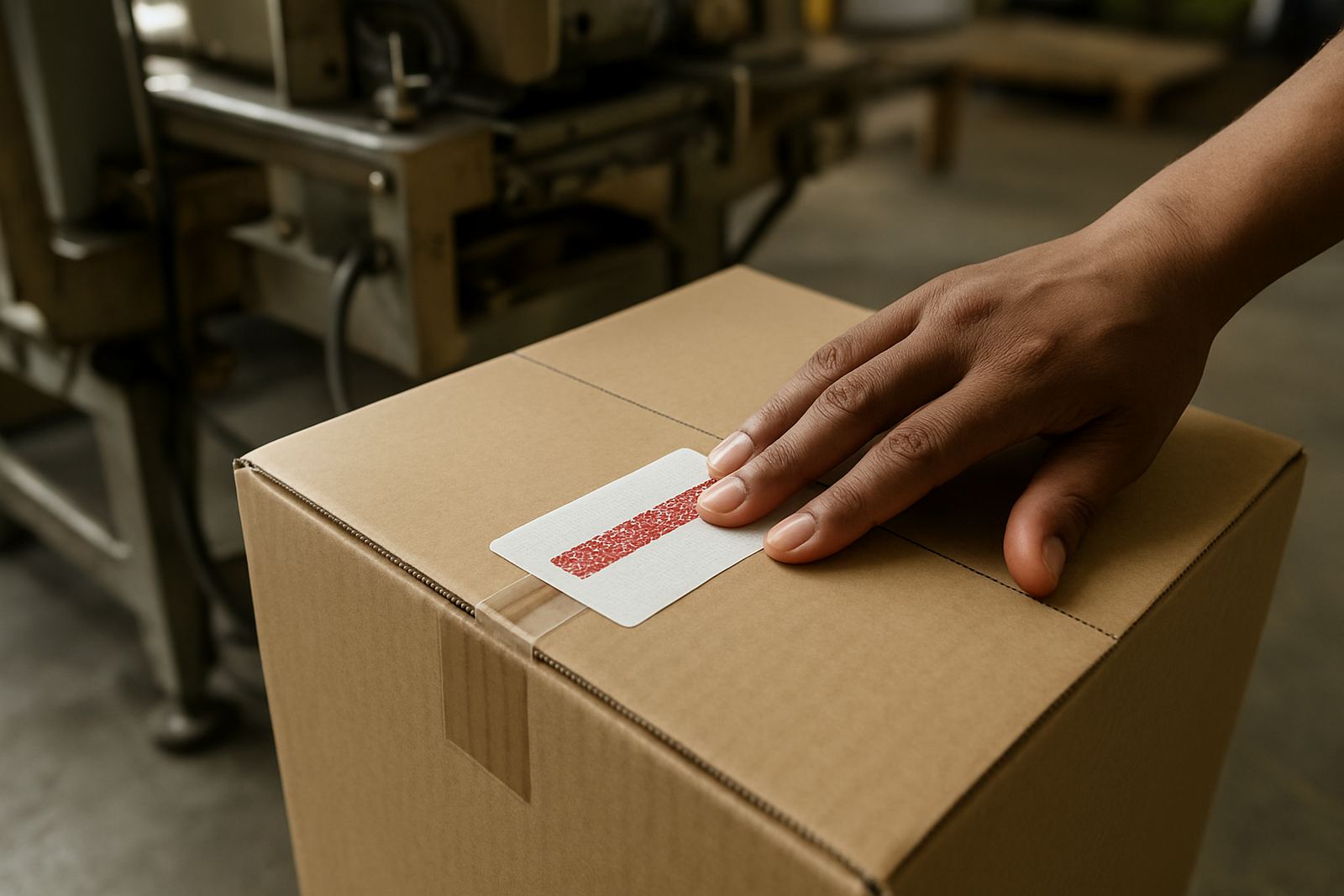
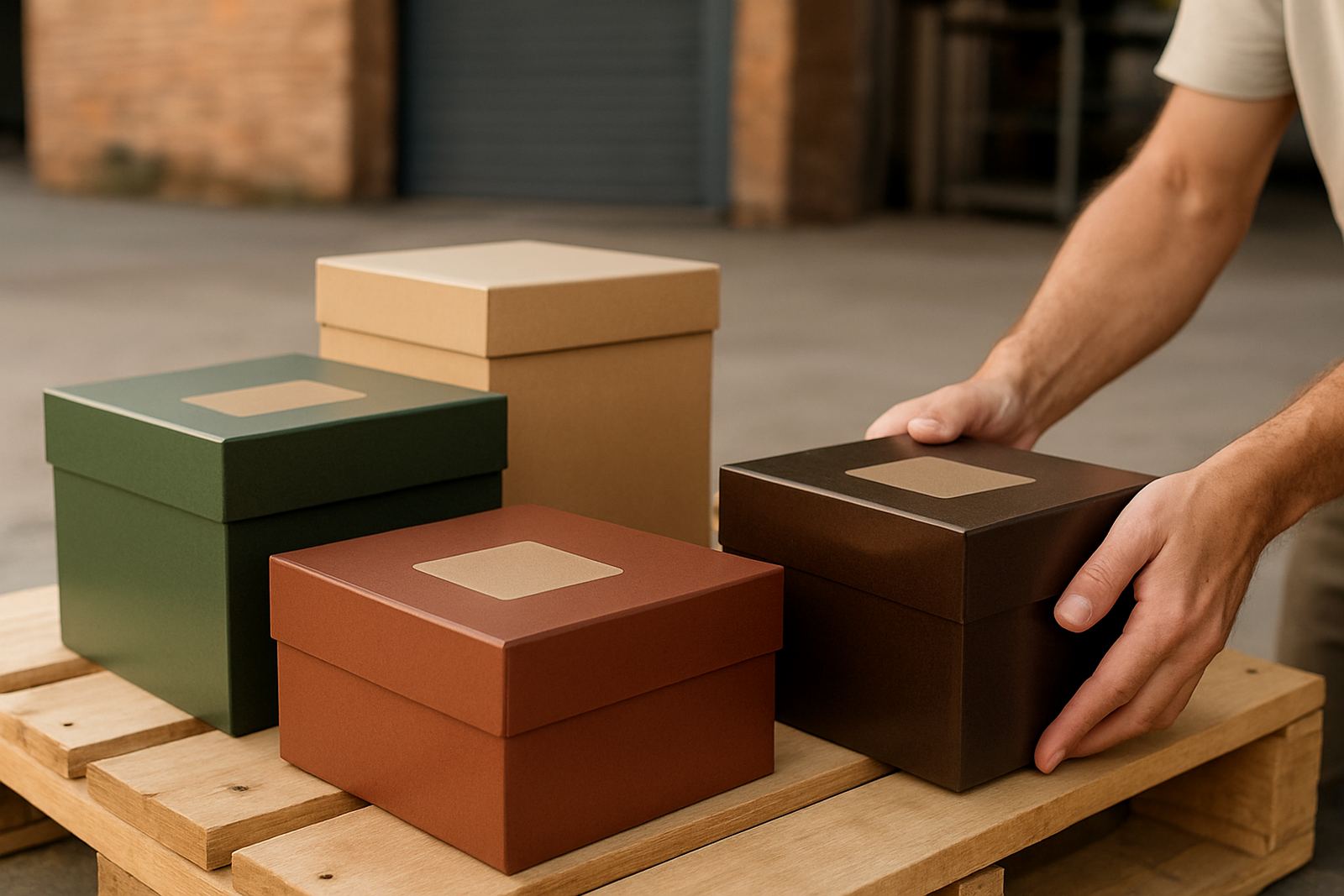
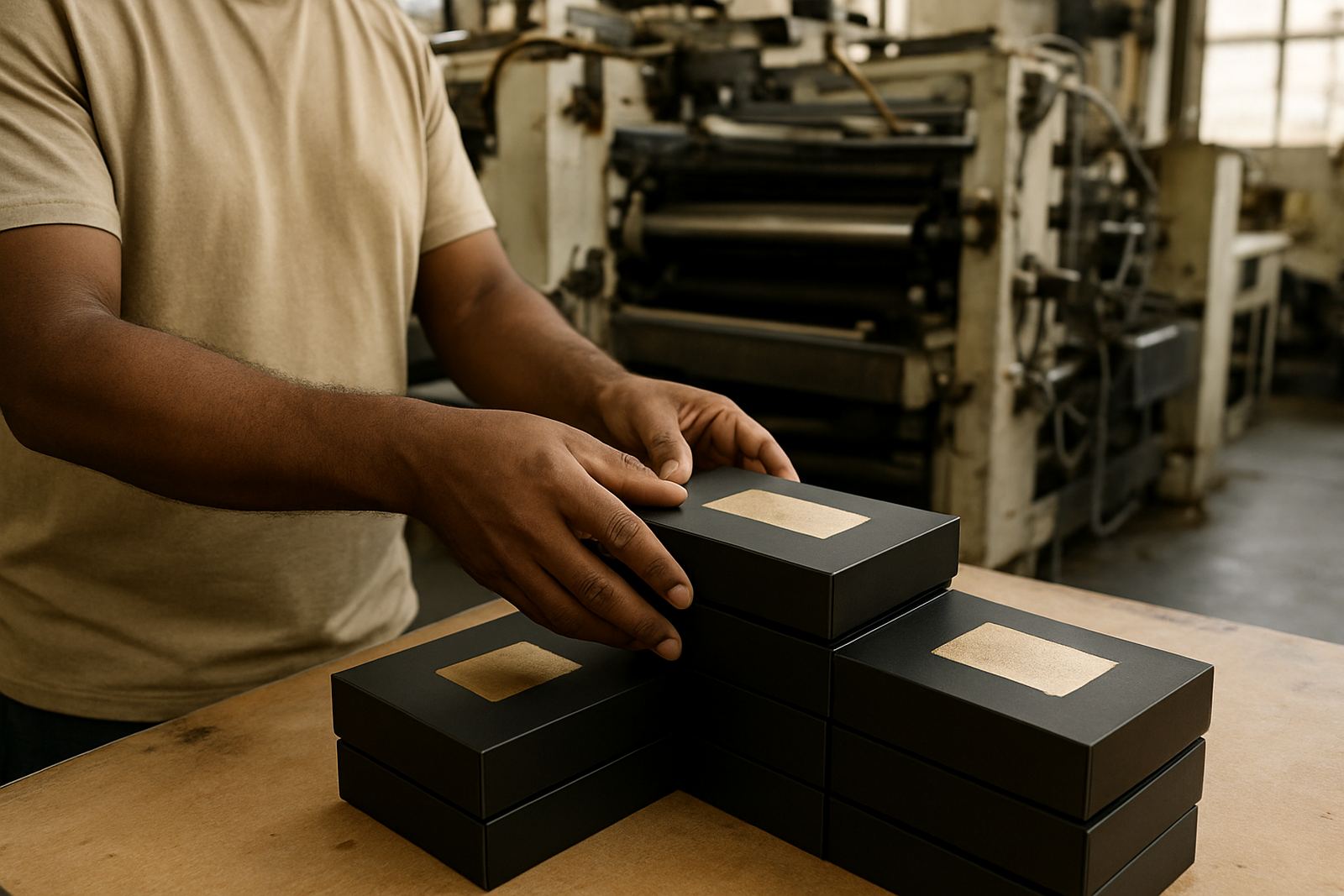
Most jobs start with a standard carton printing and finishing line, then add targeted quality checks for the effect areas. The exact set depends on whether the carton is coated, laminated, spot varnished or left with a natural board feel. We normally look at how the ink will behave on the substrate, where folding lines sit, and whether the effect is best on the face panel, a flap, or a hidden reveal area.
- Offset or flexo printed carton boards with coated or uncoated surfaces
- Die-cut and creased cartons with careful registration on the effect panel
- Heat exposure points for thermochromic response checks
- UV verification or hidden pattern areas for security use
- Rub and scuff testing after folding, gluing and packing
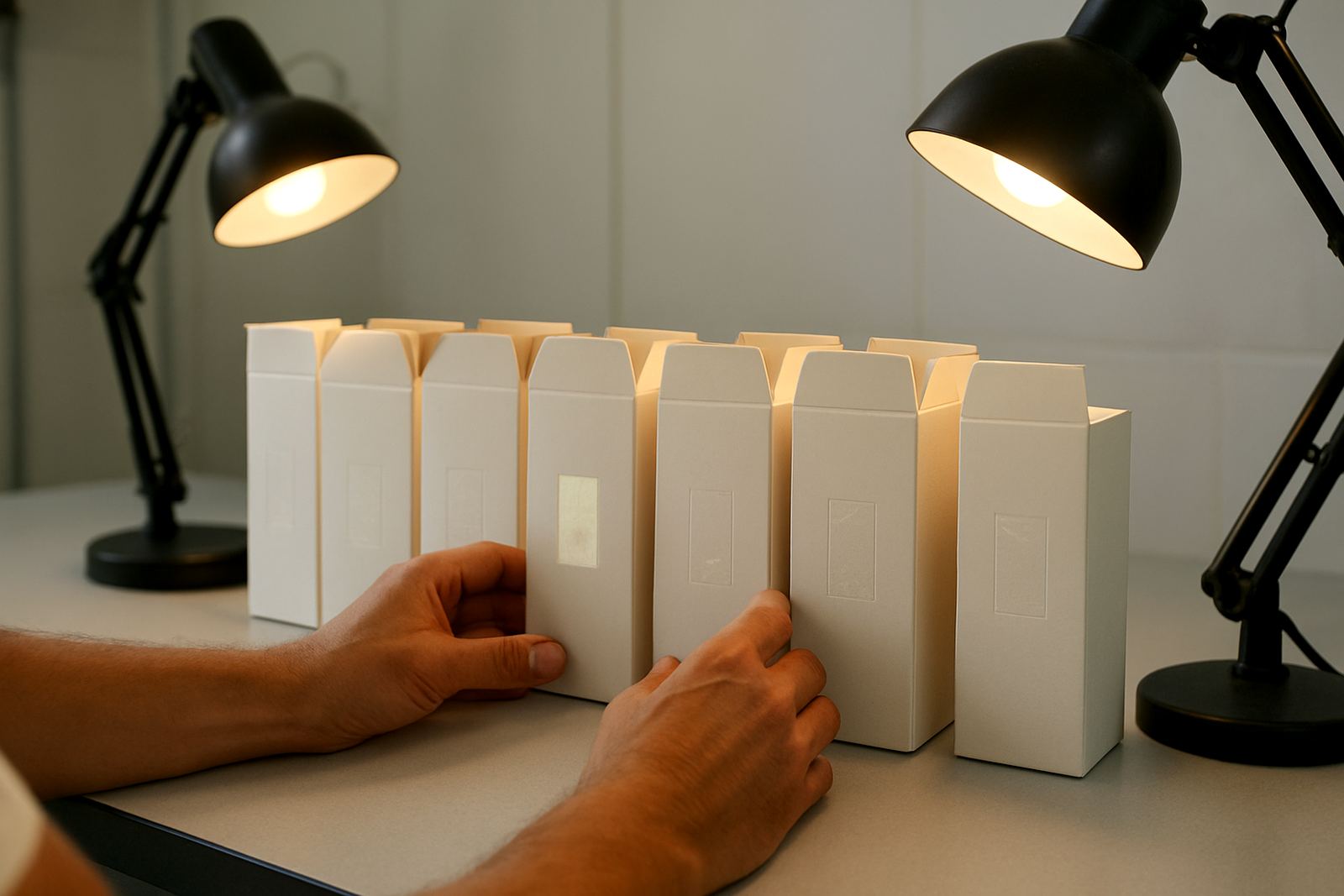
For some cosmetic cartons, a small reveal panel on the inside flap works better than a full-face effect. That keeps the shelf look clean while still giving the customer a moment of interaction when opening the pack.
Planning the finish before artwork is locked in
The biggest mistakes happen when a carton is designed first and tested later. On a cosmetic carton, the effect area should be part of the layout from day one. That means deciding whether the colour change is a warning, a reveal, a texture cue, or a brand signature. It also means checking where the varnish stops, where the fold lines run, and how much solid ink coverage the board can take without cracking.
When we support a project, we can assist with colour matching, threshold tuning, drawdown panels, trial batch making, and coating compatibility checks. If you are preparing cartons for a new skincare or beauty line, build in time for press startup support and a retain sample library. That makes reorders easier when the production team changes or the job comes back six months later.
- Leave enough clear space around the effect so the carton still reads well
- Test the finish after folding, not only on flat samples
- Check how the carton behaves under retail lighting and strong sunlight
- Keep one reference sample per batch for future matching
- Confirm the carton stays legible if the effect area is partially worn
Security details that suit premium beauty packaging
Cosmetic cartons are often copied because the market values presentation and margin. Security ink gives you a way to add verification without making the pack look heavy or industrial. Depending on the brief, that can include hidden patterns, controlled colour shifts, coded marks or a verification setup that helps the packer and distributor confirm the correct batch.
For brands selling through pharmacies, salons, online stores or export channels, security features help reduce disputes and return issues. They also help with batch control when products move between Gauteng, KwaZulu-Natal, the Western Cape and the Eastern Cape. If cartons are travelling in warm trucks or stored in coastal areas like Durban and Gqeberha, the ink system should be checked for stability under normal transport conditions, not only in the lab.
Security features can also support traceability when municipal waste rules or retailer packaging requirements push brands to keep cleaner records and better batch control. That matters when the packaging line is busy and there are multiple carton sizes in one week.
Budget ranges for cosmetic carton projects
Budget depends on the effect, the carton volume, the substrate and how much testing is needed before go live. A simple thermochromic cue for a single carton face can sit in a lower bracket, while a full security pattern with matching checks, trial batches and production support will cost more. For most South African packaging converters, the practical range is usually shaped by setup time as much as ink usage.
As a guide, small development work may start from about R4 500 to R12 000 for sample work and testing. A short production run with effect printing and verification support can sit around R15 000 to R45 000 depending on carton size and quantity. Larger ongoing programmes with multiple carton SKUs, retain libraries and repeat trials can move higher, especially when there are strict brand colours or tight launch dates.
- Sample and development work: from R4 500
- Trial batch and press setup support: R8 000 to R18 000
- Production runs with effect ink: R15 000 to R45 000+
- Ongoing security and matching support: priced per SKU and volume
It is usually cheaper to fix a carton design before print than to correct a bad release after cartons have already moved through packing and dispatch.
Working with ThermoInk from Jacobs to nationwide delivery
ThermoInk operates from Jacobs in Durban and supplies packaging converters nationwide, including Pinetown, Prospecton, Cape Town, Gqeberha, Johannesburg and Pretoria. Our team covers technical sales, production, security ink design, colour work and logistics so the job can move from sample to print without unnecessary delays. That is especially useful when a launch is tied to a promotion, a retailer deadline or a seasonal cosmetic range.
If your carton project needs a better finish, clearer authenticity checks or a more reliable heat cue, the right start is usually a short technical review and a few drawdown panels. From there, we can help with threshold tuning, adhesion tests, rub resistance checks and press startup support so the carton performs properly on the line and on shelf.
Common mistakes on cosmetic carton runs
A lot of carton problems come from trying to do too much in one pass. Thick coverage on light board can crack on the crease, while a weak effect area can vanish under varnish or lamination. Another common issue is assuming the same result will hold across all cartons in the range when one uses coated board and another uses a different finish.
Watch out for these problems:
- Placing the effect where the carton is folded tightly
- Skipping rub checks after glue-up and packing
- Using the same colour standard on different board grades
- Leaving security marks too close to trim edges
- Ignoring coastal storage conditions and heat during transport
A small amount of testing upfront saves far more than a reprint. That is true whether the cartons are for a boutique skin care line or a larger national release.