Why frozen food packs need more than standard print ink
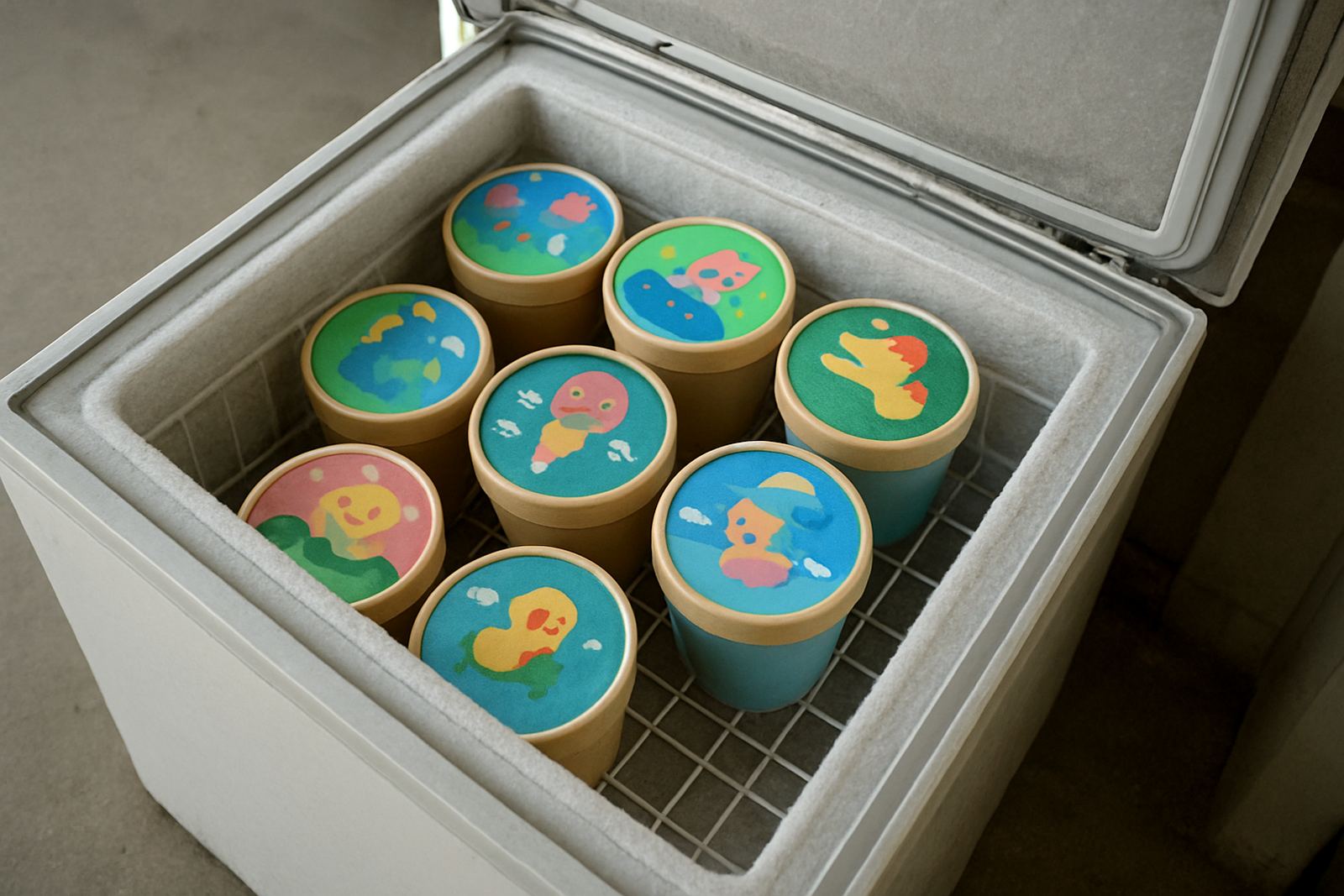
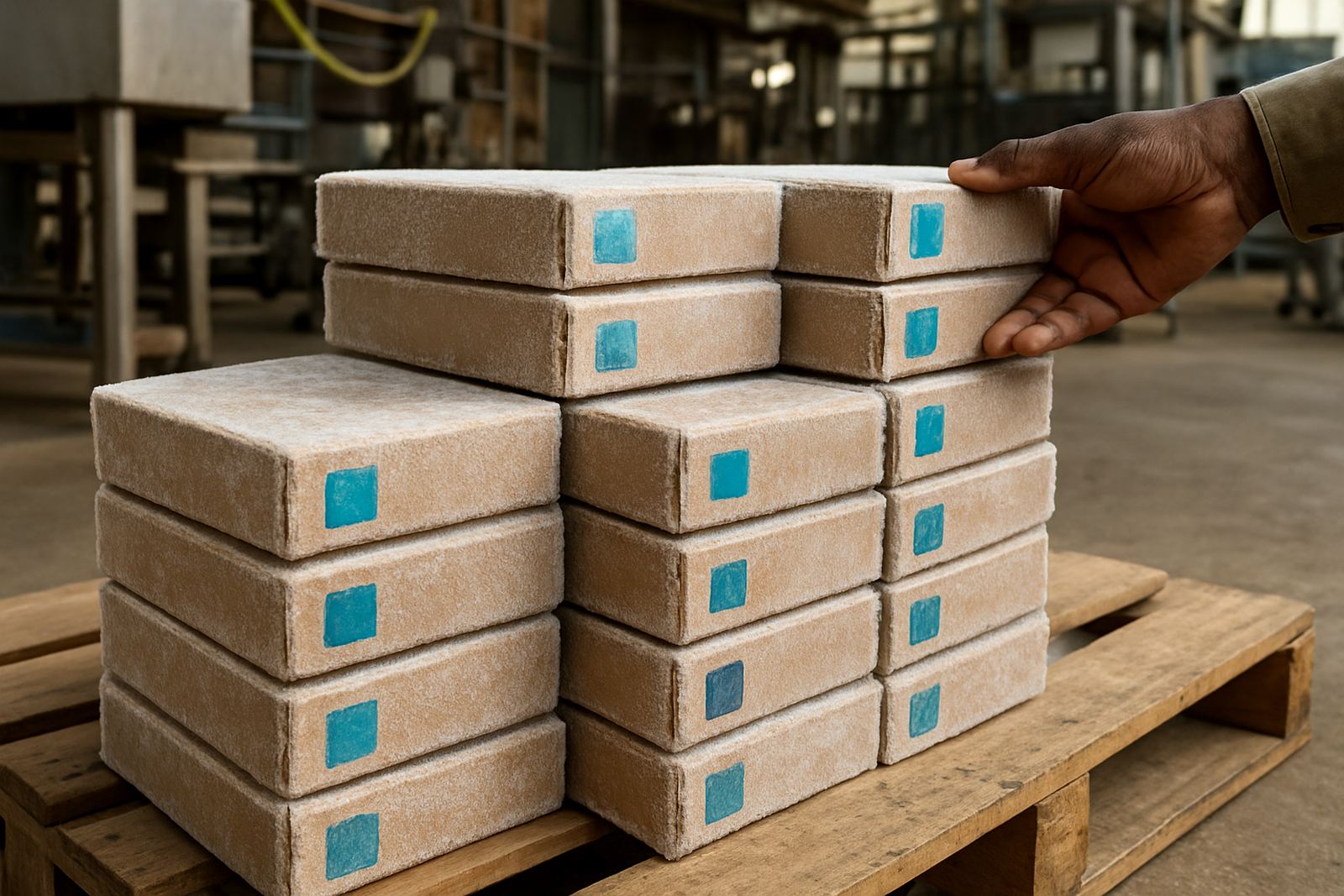
Frozen food boxes spend time in cold rooms, onto refrigerated trucks and then through freezers where condensation can form fast when packs move back to ambient air. Standard ink can look fine on the press but start showing weak adhesion, dull colour or scuffing once cartons are stacked, wrapped and handled at -18 °C and below. For food brands, that is where thermochromic and security inks earn their place.
At the Jacobs base in Durban, ThermoInk works with packaging converters supplying frozen vegetables, poultry, ready meals and seafood packs to KwaZulu-Natal, Gauteng and the Cape. The aim is simple: give the box a clear temperature cue, then keep the printed finish readable and intact through storage, distribution and shelf handling. For some clients the print must also help spot unauthorised copies, especially on high volume lines with tight margins.
Frozen pack projects usually start with a quick check of the board grade, coating, print method and the point where the pack gets folded or glued. If the carton will sit in a humid dock at Prospecton or travel inland to Johannesburg in winter, the ink choice and drying plan need to suit those conditions from day one.
Typical equipment set on a frozen food carton line
Most frozen food box work runs on standard carton converting equipment, but the ink set must match the line speed and the substrate. We often see flexo and screen print stations on coated board, with drawdown panels used for lab checks before a trial batch. Some converters also want a simple visual trigger that changes colour when the pack gets too warm during handling or transport.
- Flexographic or screen print units for carton faces and tamper areas
- Drying or curing setup matched to the board and ink film weight
- Cut and crease lines that do not crush the printed area
- Stacking and wrapping areas where rub resistance matters most
- Cold room hold tests to check colour change after storage
If the line is stopping for load-shedding or generator switchover, the ink still needs to recover cleanly after pauses. In Jacobs and Pinetown, where some sites run mixed shifts, we often plan a short press startup check so the first 20 to 50 sheets are not used as guesswork.
Layout and planning advice before you approve artwork
Frozen food cartons need room for the practical stuff first. That means the temperature cue must sit where staff can see it during packing, but not where tape, glue or corner compression will damage it. Security markings work best on a panel that gets handled, yet stays outside the main fold lines. A neat layout also helps if the same pack is used for different line sizes or seasonal runs.
Plan for condensation. A box that leaves a freezer and then sits under warm packing lights can show moisture in minutes, so the print system has to tolerate short wet exposure without smearing. If you are packing in Durban North or Gqeberha, coastal humidity can also affect drying times and edge lift, especially on board with higher moisture content.
- Keep the thermochromic area away from glue flaps and heavy folds
- Allow enough white space around security patterns for visual inspection
- Use clear text for temperature indicators, not tiny detail
- Check coating compatibility before approving the final board spec
- Set a retained sample for each batch so colour shifts can be traced later
Common mistakes we see on frozen pack projects
The biggest mistake is choosing an ink by appearance only. A box can look sharp on a sample sheet and still fail when it hits a cold store, or when the carton is rubbed against another pack in transit. Another common issue is using a print zone that is too small for the temperature cue, so staff cannot read it quickly on the packing floor.
We also see problems where the converter skips rub resistance checks, then finds scuffing after palletising. On security work, overcomplicated patterns can slow approval and create registration issues on press. Simpler is often better, especially when the pack must run at pace through multiple branches like Pretoria supply, Johannesburg supply and Cape Town supply.
When a design changes late in the process, the batch can lose consistency across runs. That is why the batch retain library is useful. It lets the team compare old and new results against the approved sample instead of relying on memory.
Testing that proves the box will behave in cold chain conditions
ThermoInk supports frozen food packaging with a practical test set built for production, not just lab notes. For a Durban converter, that often means a drawdown panel, adhesion test, rub resistance check and UV verification setup before the first full run. If the product needs a visual temperature cue, threshold tuning helps set the point where the colour change starts and how clear it looks under normal store lighting.
For security work, we can add pattern design and verify the print against the intended substrate and coating. Where needed, press startup support helps operators get the first pass right, and production troubleshooting picks up the issues that usually appear when the line is moving faster than the sample stage. Some clients also ask for trial batch making so they can test cartons in actual freezer conditions before committing to a full order.
- Colour matching for brand consistency across repeat batches
- Threshold tuning for cold chain response points
- Coating compatibility checks for coated and semi-coated board
- Rub resistance checks after stacking and pallet wrap
- Batch retain samples for traceability and reorders
Budget ranges for frozen food box ink projects in Rand
Budget depends on carton size, print coverage, security detail and the number of trial stages. A small pilot run with basic thermochromic detail and standard checks can start from about R8 500 to R18 000, especially when the layout is already close to final. Mid-range frozen food projects with custom threshold tuning, security pattern design and a trial batch often sit between R18 000 and R45 000.
Larger national rollouts, or packs that need repeat testing across branches and multiple artwork versions, can move into the R45 000 to R120 000 range. That usually covers planning, test work, press support and enough retained samples to keep production accountable. If the pack must work across Durban, Johannesburg and Cape Town supply chains, the testing is worth doing properly instead of pushing the risk to the warehouse.
For many converters, the right approach is to budget for the print system first, then add the security layer only where it matters. That keeps the carton useful and avoids overcomplicating the job.