When a tub must signal cold, freshness and trust
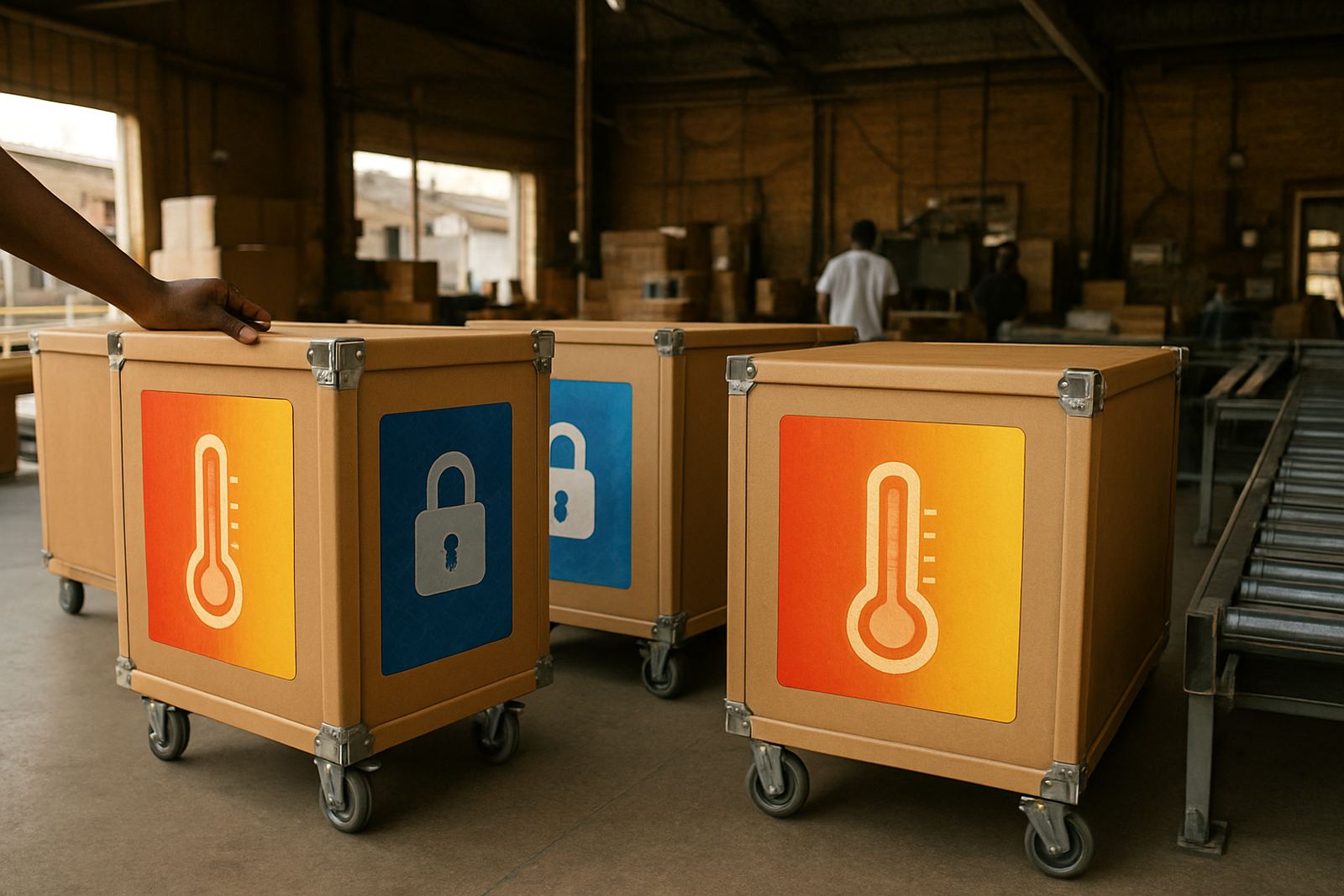
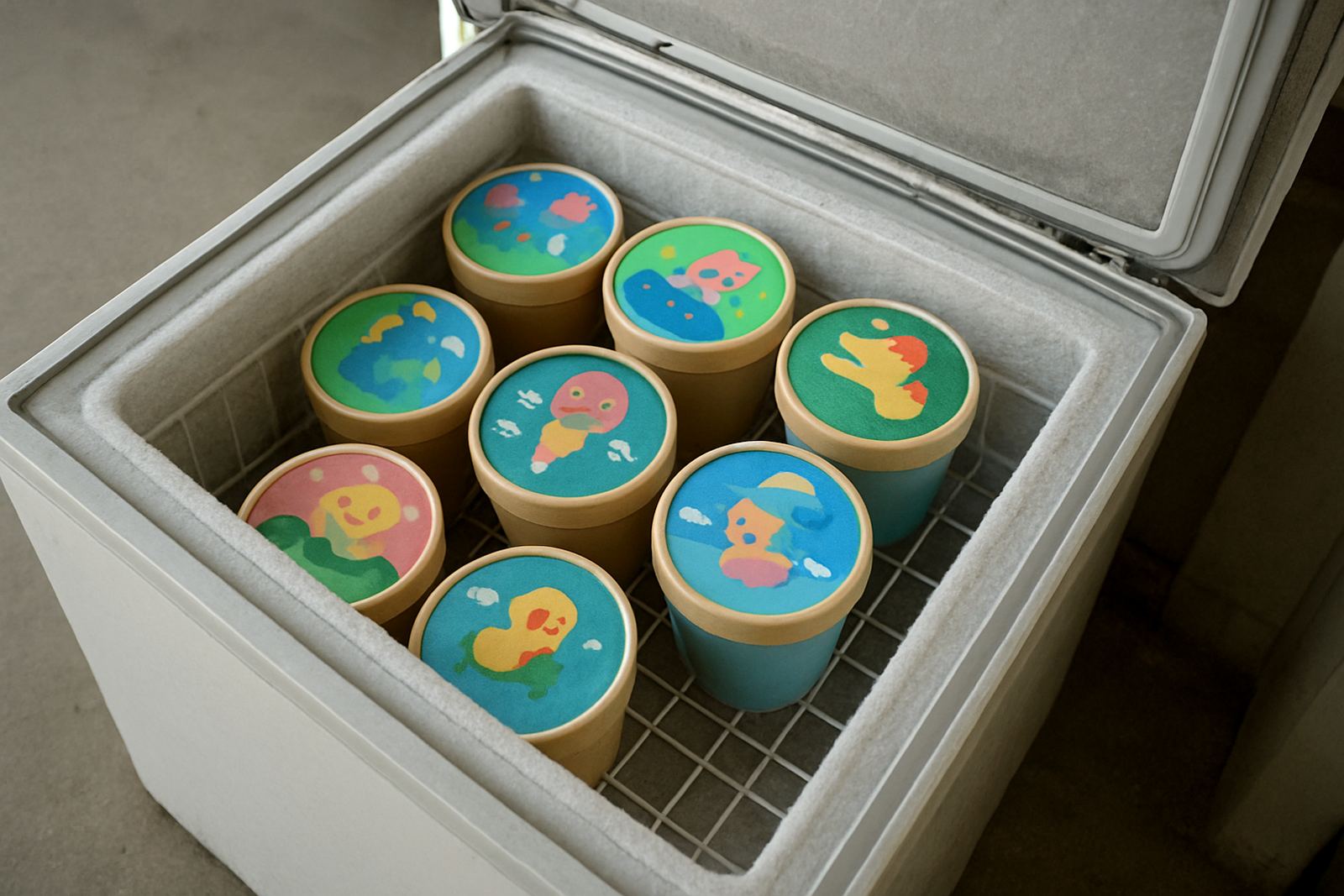
Ice cream is often sold in busy retail freezers where a shopper has seconds to spot the right flavour, size and pack type. A thermochromic mark gives a simple visual cue when the tub or lid is cold enough, while a security feature can help protect against substitution, refilling and unauthorised pack changes. For local producers in Durban, Johannesburg or Cape Town, that matters because tubs move through warm loading bays, refrigerated trucks and store cabinets before they reach the hand of the customer.
We work with tubs in paperboard, coated board, and some rigid plastic formats, including lids that need clean print areas and consistent ink response. If your pack has a gloss varnish, matte coating or a high-slip finish, the ink choice and surface prep must be matched carefully. A good result is not only about the colour shift, it is also about adhesion, rub resistance and how the feature behaves after filling, lidding and stacking.
- Used for flavour cues, cold-chain messaging and authenticity marks
- Suitable for ice cream tubs, sleeves and lid panels
- Designed for freezer storage, cold handling and transport vibration
Typical printing and finishing setup on tub lines
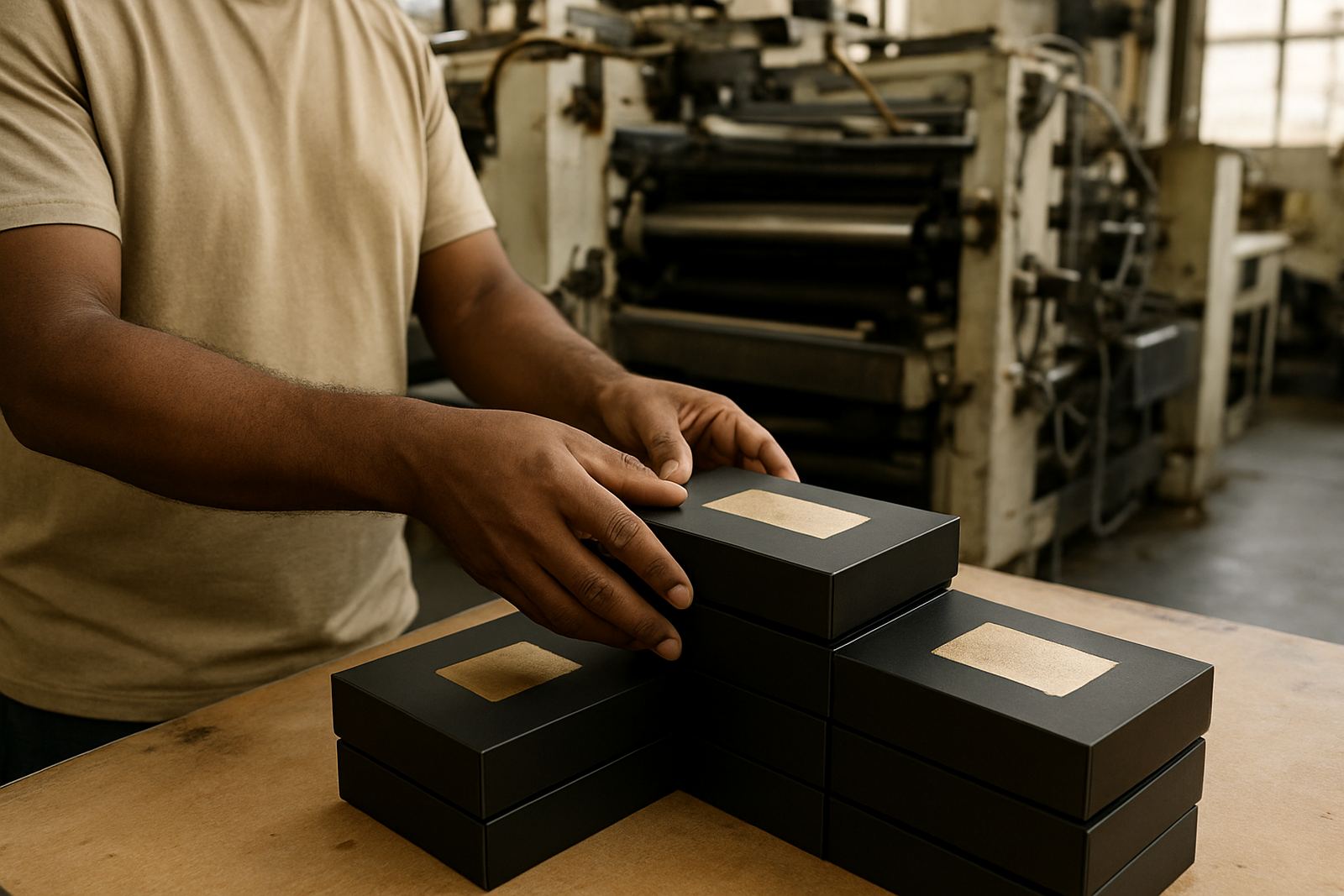
Most ice cream tub projects go through flexographic or screen print stations, with some converters adding the effect in a coating or overprint step. The exact set-up depends on whether the feature sits on the tub body, the shoulder, or the lid only. In many South African plants the line has to run through changeovers quickly, so we plan for practical drying times, curing conditions and the realities of humidity in coastal areas like Jacobs and Prospecton.
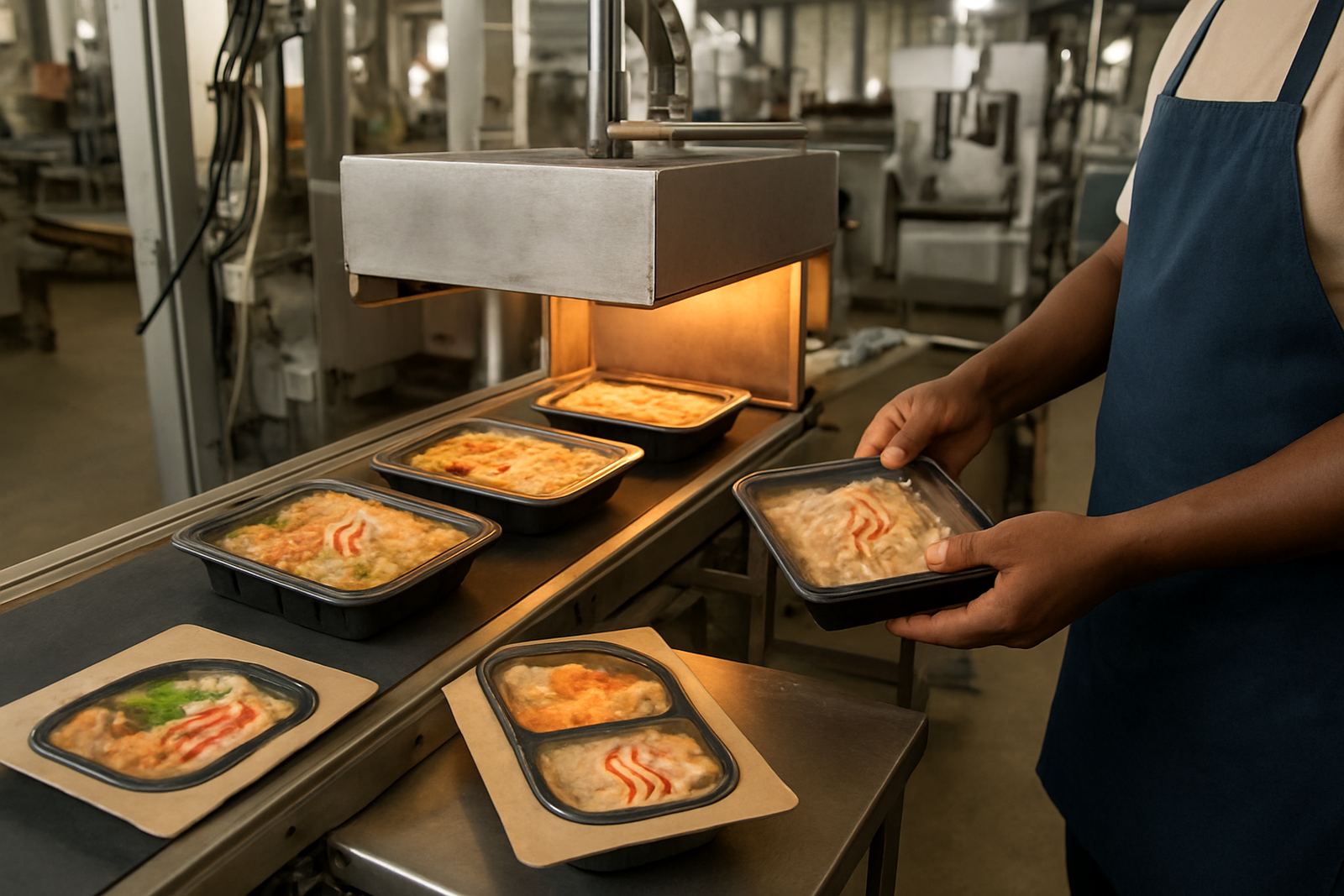
A typical set of equipment and checks includes press trials, coating control, a drawdown panel for approval, and post-print verification under normal shop-floor light. If the pack will be stored in frozen conditions, we test how the feature behaves after chilling, handling and brief condensation exposure. On some jobs, the main issue is not print quality but the coated board or film surface absorbing too much or too little, which can leave the colour response weak or uneven.
- Presses or coating units with controlled ink laydown
- Drying or curing section matched to the selected ink system
- Inspection for colour shift, registration and scuff resistance
- Retain samples kept by batch for traceability
For packagin runs in Durban summer, we also allow for warm ink rooms and short open times, because that can change how the effect performs on press. Small corrections early save a lot of waste later.
Layout advice for tubs, lids and freezer-facing panels
Freezer-facing artwork must be simple enough to read through frosted glass and bright cabinet lights. If the thermochromic area is too small, the shopper may miss it. If it is too large, it can dominate the pack and crowd flavour artwork, nutrition panels or compulsory labelling. We usually advise clients to reserve one clear panel on the lid or shoulder, then keep the colour-shift zone away from seam lines, glue zones and heavy scuff points.
For tubs that are packed in high volumes, the design should also allow for municipal and retail compliance details to remain visible after the pack is chilled and stacked. On coated board, fine lines can fill in if the ink is laid too heavily. On plastics, some finishes need a primer or surface treatment before the effect will hold properly. That is why layout and coating compatibility go hand in hand.
- Keep the response area on a flat or lightly curved panel
- Avoid fold lines, adhesive zones and sealing rings
- Leave room for batch coding and legal markings
- Use simple shapes that read well in freezer lighting
Common mistakes on cold-chain packs
One common mistake is approving a sample at room temperature and never checking it in the freezer. Some effects look strong on a warm sample, then fade too much once the pack is cold. Another mistake is using a heavy varnish or laminate without confirming the ink system will still react. The wrong topcoat can block the visual shift completely.
We also see trouble when production teams skip adhesion tests on the actual board or lid stock. A tub may pass on one substrate and fail on another because of surface treatment, fibre content or coating weight. In coastal conditions, condensation can make weak adhesion show up fast. If the pack is rubbed in cartons or stacked tightly in cold rooms, the print can lose detail before it reaches the shelf.
- Testing only at room temperature
- Using an unapproved coating or laminate over the effect
- Ignoring condensation, stacking and freezer scuffing
- Changing board or lid stock without rechecking performance
A small change in supplier can force a fresh trial batch. That is normal, not a setback, because it protects the line from bigger losses later.
Budget ranges for trials and production in Rand
Pricing depends on area coverage, security detail, ink volume, substrate type and how many trials are needed before sign-off. For ice cream tubs, smaller runs usually cost more per unit because the set-up, testing and press time are spread over fewer packs. A simple thermochromic cue on a lid panel will sit at a lower budget than a full combined system with security pattern design, batch retain controls and press support.
As a broad working range, South African converters should allow roughly R8 000 to R25 000 for development, drawdowns and trial batch making on a standard tub project. Larger production runs with approved artwork and stable substrate can move into a lower per-unit range once the process is locked. If the project needs extra threshold tuning, UV verification setups or compatibility checks across multiple lid types, the test budget can climb to R30 000 or more. That is still often better value than dealing with rejects, reprints or customer complaints after launch.
- Development and trial work: about R8 000 to R25 000
- More complex security and verification work: from about R30 000
- Ongoing production cost depends on coverage, volume and substrate
For converters in Pinetown, Gqeberha or Johannesburg, we can plan supply around production schedules and batch retain needs so the launch does not stall. A clear budget and a clear line plan make the job easier for everyone involved.