Why dairy cartons need a clear chilled cue
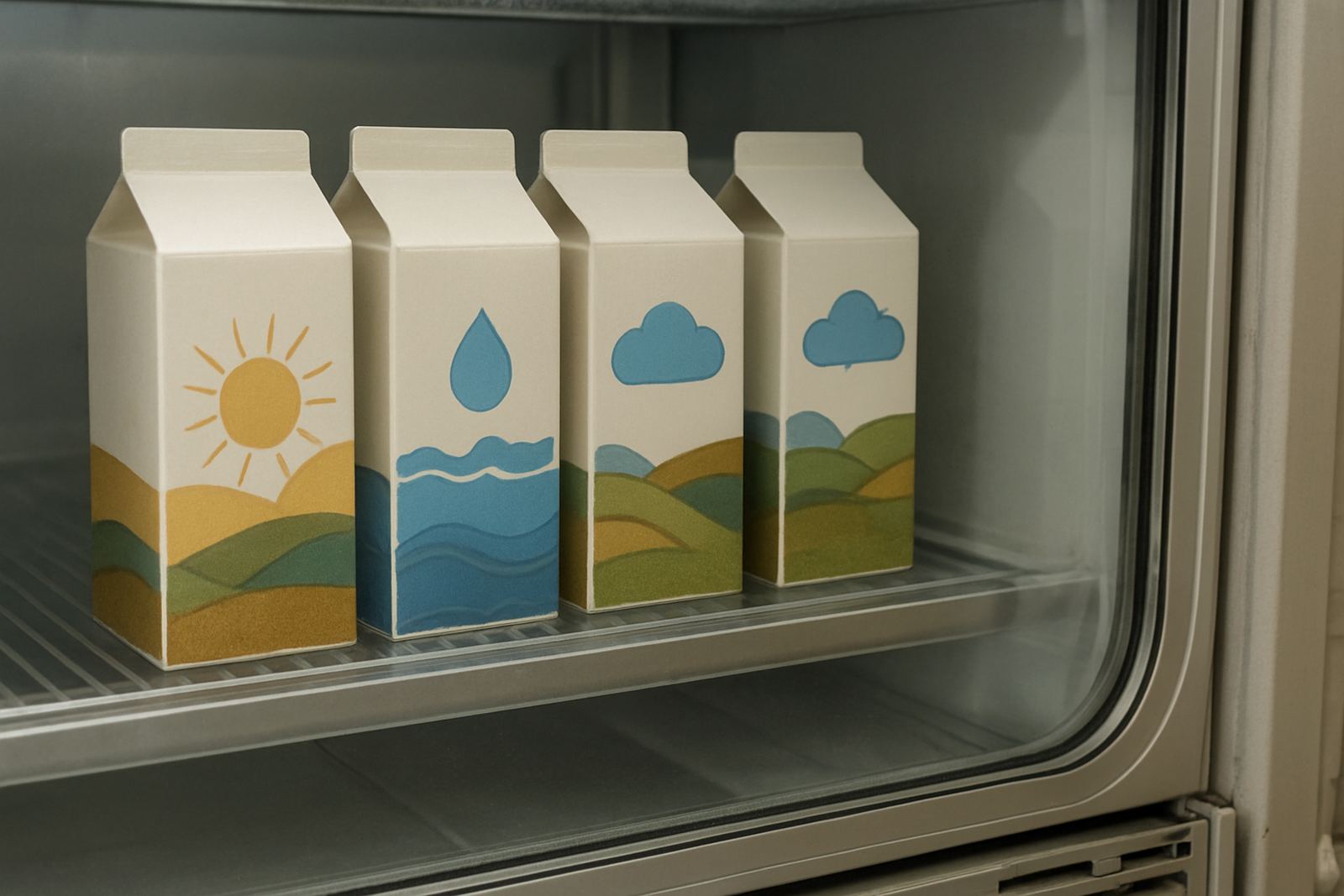
Dairy cartons move through cold rooms, delivery trucks, shop fridges and busy back-of-house areas before a shopper ever picks them up. A thermochromic print gives a simple visual signal when the pack has been kept within the intended chilled range, which can support freshness messaging and handling awareness on milk, custard, yoghurt drinks and cream packs.
For converters, the value is practical. You are not only printing a graphic, you are managing how that effect behaves on carton board, coated board or laminated stock, in a wet, cold and often stop-start production environment. In Durban especially, coastal humidity can affect drying and slip, so the ink system must suit the substrate and the line speed, otherwise you get patchy change response or poor adhesion.
We work with packaging teams that need the pack to look good on shelf while still working under real warehouse conditions. That means checking the colour state at normal room temperature, then confirming the colour shift once the pack reaches the chosen chilled threshold. If the threshold is too sensitive, the pack can change too early. If it is too stiff, customers may never see the cue at all.
Typical press and finishing set-up on carton work
Dairy carton jobs usually run through conventional carton print and finishing lines, with the ink laid down during the main print stage and then protected by overprint varnish, laminate or a compatible coating. Depending on the spec, converters may use flexographic, screen, offset or specialist coating units. The key is to confirm whether the thermochromic layer will sit under a protective topcoat or remain exposed in a controlled area of the design.
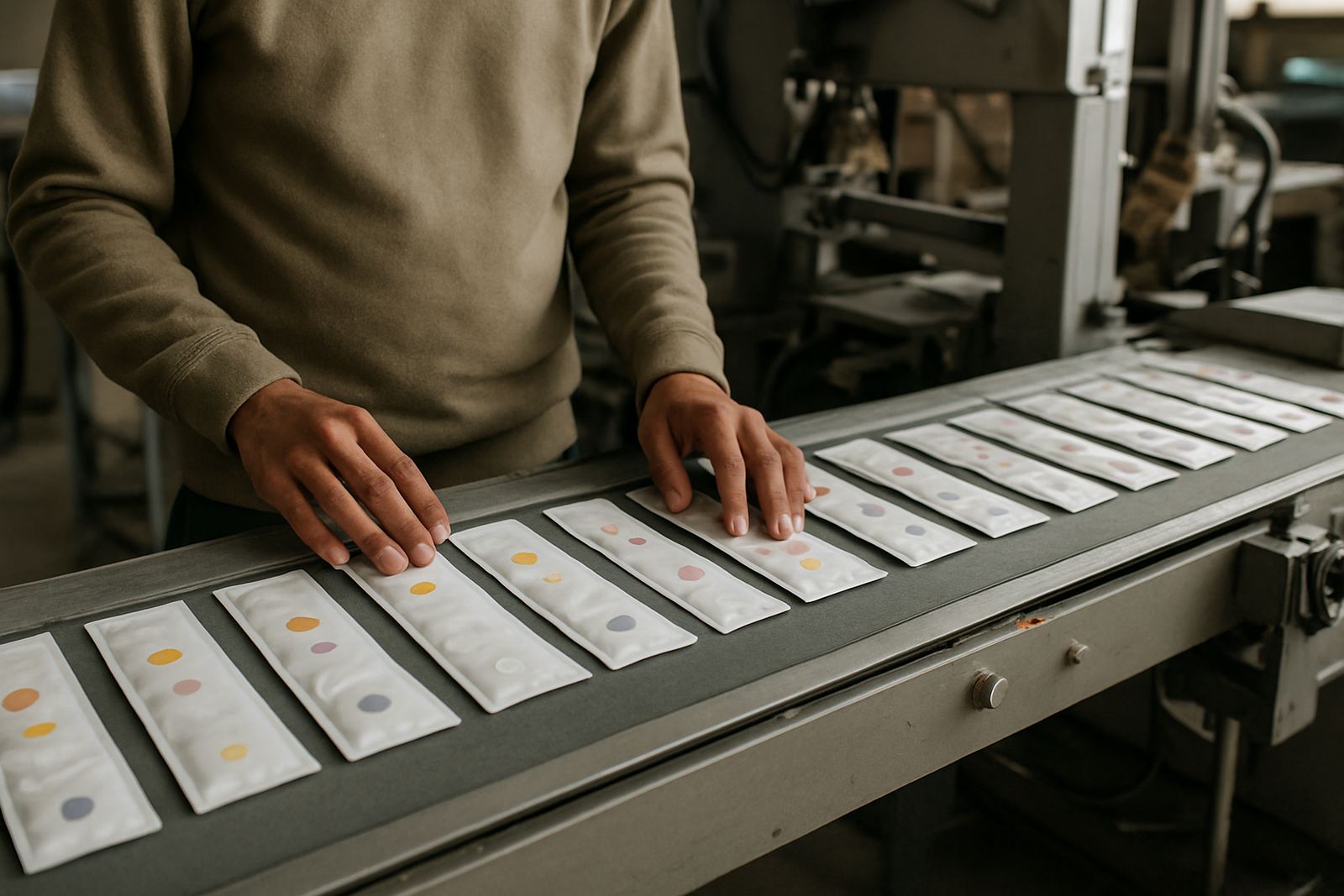
For a standard trial, the equipment set often includes a small print unit, a controlled drying section, an ink kitchen, a drawdown station and basic test tools for rub, adhesion and visual verification. Where security features are required, the line may also need a dedicated screen frame or spot coating station for hidden marks, batch coding or authentication patterns. Jason Pillay often coordinates how the material moves between plant and converter so trials do not stall waiting for stock.
- Colour matching against the carton board and any existing brand colours
- Drawdown panels for quick comparison before full press running
- Rub resistance checks for stacked cartons in chilled storage
- Adhesion tests on coated and uncoated areas of the pack
- UV verification setups where a hidden security element is part of the brief
How to plan the layout before production starts
The best results come from planning the effect into the pack design early, not trying to force it in after artwork is finished. Leave enough open area for the thermochromic feature to be seen clearly, and keep important text away from high-change zones if the cue needs to stay readable at different temperatures. On carton sleeves and gable top panels, it often helps to reserve one consistent panel for the effect so the consumer knows where to look.
Line testing should happen at the same board weight, coating and fold style that will be used in live production. If the pack will be refrigerated, stacked or wrapped, test it under those exact conditions. Small changes in coating weight or board porosity can alter how quickly the colour shifts and how long it holds. A short trial in Jacobs is useful, but the final check should reflect the real route from plant to retailer in Johannesburg, Gqeberha or Cape Town.
For dairy work, also think about condensation. Cold packs often sweat after handling and this can affect ink appearance. If the carton will pass through chilled rooms in Durban South or Pinetown before dispatch, the print system must cope with moisture and repeated contact without staining or lifting.
Common mistakes that cost time and money
Most problems on dairy cartons come from treating thermochromic ink like a standard spot colour. It is not. The ink response, film build and topcoat choice all matter. We often see packs where the change temperature was never defined properly, which means the cue appears too soon in a warm packing hall or too late in the retail fridge. Another common issue is trying to cover the effect with a heavy varnish that blocks the change.
Production teams also lose time when they skip compatibility checks. A coating that works on one carton board may fail on another, especially if the board supplier changes or the converter switches machine settings. In some cases, poor drying or over-inking creates tackiness that shows up only after pallets have been wrapped and sent out. That is costly, and avoidable.
- Not confirming the target temperature range before print
- Using the wrong coating over the active area
- Skipping rub tests after cold-room conditioning
- Changing board or laminate without retesting
- Running full volume before trial batches are signed off
Security features for dairy packs that need authenticity
Some dairy brands want more than a temperature cue. In those cases, security inks can be built into the same carton structure to support authenticity and reduce copying. That might include a hidden mark, a verification pattern or a print element that only shows under specific lighting. Pieter van Wyk works with teams that need the security side to stay discreet, while still being practical for factory use and retailer checks.
Security features are especially useful when product lines move across provinces or are distributed through multiple depots. If a carton is copied or tampered with, the print can help your team identify it before it reaches the shelf. For higher-risk packs, we can advise on batch retain libraries so you have a reference sample from each approved run, which is useful when disputes come up later.
Where needed, we also set up UV verification steps for quality control teams. This is not about making the pack complicated, it is about giving your staff a simple way to check what should be there and what should not.
Budget ranges and what affects the Rand cost
Budget depends on whether you need a one-colour thermochromic cue, a combined security print, or a more involved pack with multiple control points. For short trials and sample development, many dairy clients start in the range of R8,000 to R25,000, depending on the number of draws, test panels and approval rounds. Production-ready work for carton runs can move into R35,000 to R120,000 or more when you include tooling, press support, testing and repeat batches.
Cost is affected by the size of the active print area, the number of colours, whether the effect sits under a protective coating, and the amount of technical support needed on press. Frequent design changes will push the budget up. A clear brief with final carton specs, expected chilled range and monthly volume keeps the process tighter. That helps us price accurately and avoid a lot of back-and-forth that eats time.
For converters handling national supply, logistics also matter. Moving trial stock from Jacobs to Pretoria, Cape Town or Gqeberha can add lead time, especially if the schedule needs to line up with press availability. Jason Pillay manages national movements so the right material reaches the right plant without delay.