When beverage labels need to work harder on shelf and in cold chain
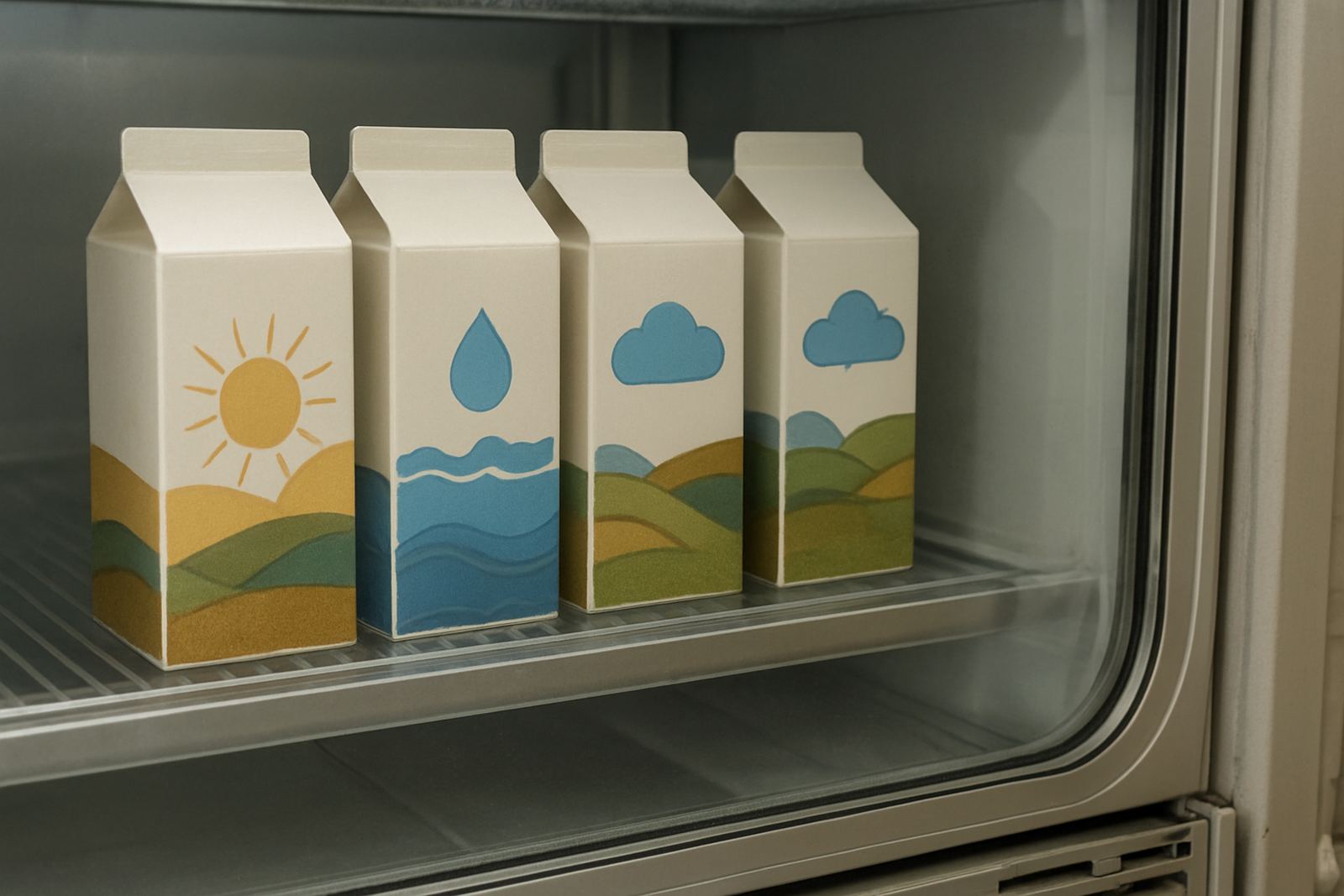
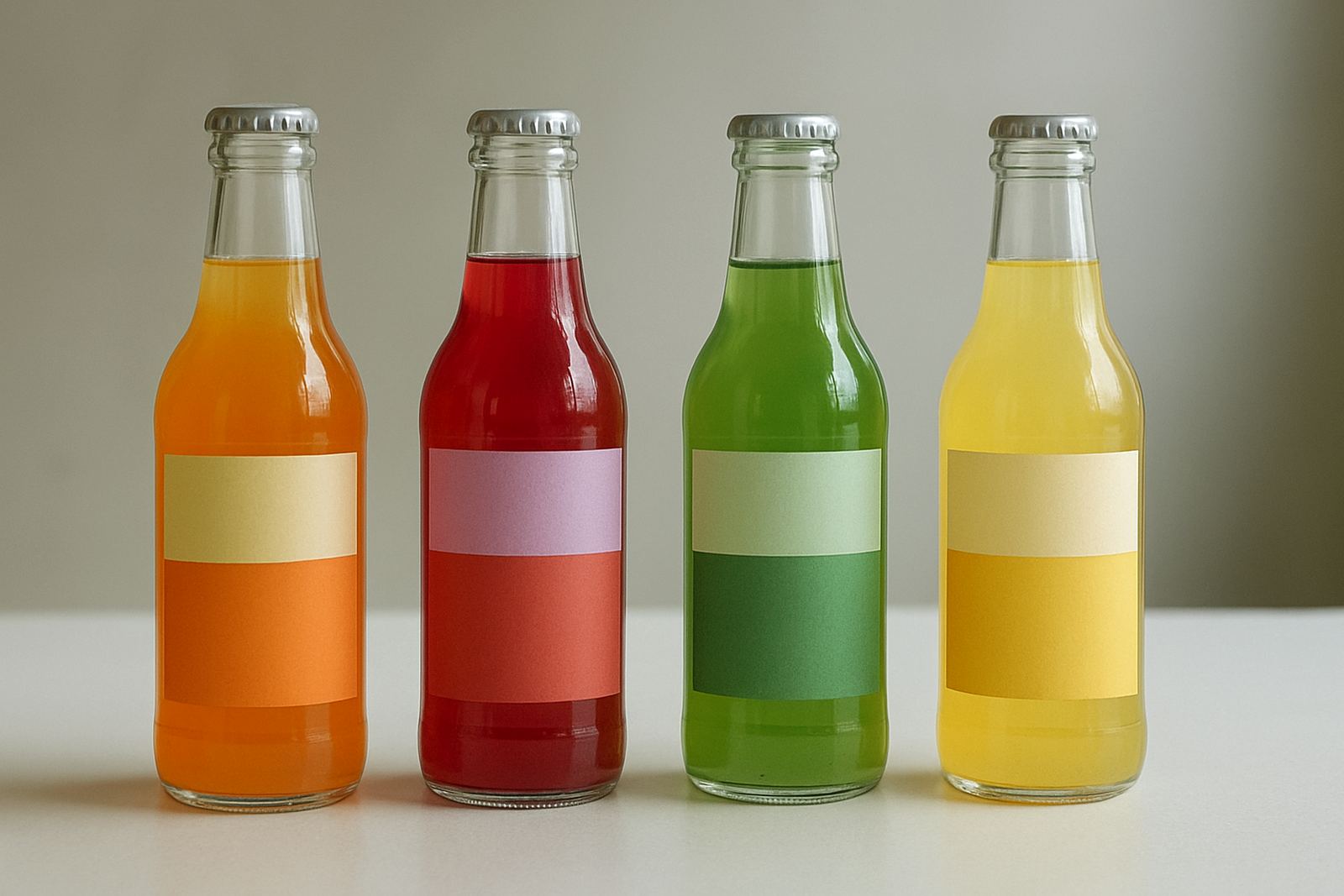
For drinks brands, the label is often the first selling point before a carton is opened or a bottle is chilled. In a retailer aisle, a colour shift can draw attention to premium water, juice, functional drinks, mixers and ready-to-drink products. In the cold chain, thermochromic inks add a practical cue, so a consumer or store team can see when a pack has reached the intended serving temperature.
At the same time, beverage packaging faces hard conditions in South Africa. Labels may be stored in humid depots in Durban, moved through hot loading bays in Gauteng, or packed for coastal distribution where moisture and condensation can cause ink lift and edge scuffing. We work with converters to build labels that keep their appearance, meet line speeds, and still allow the cold cue or security feature to read cleanly.
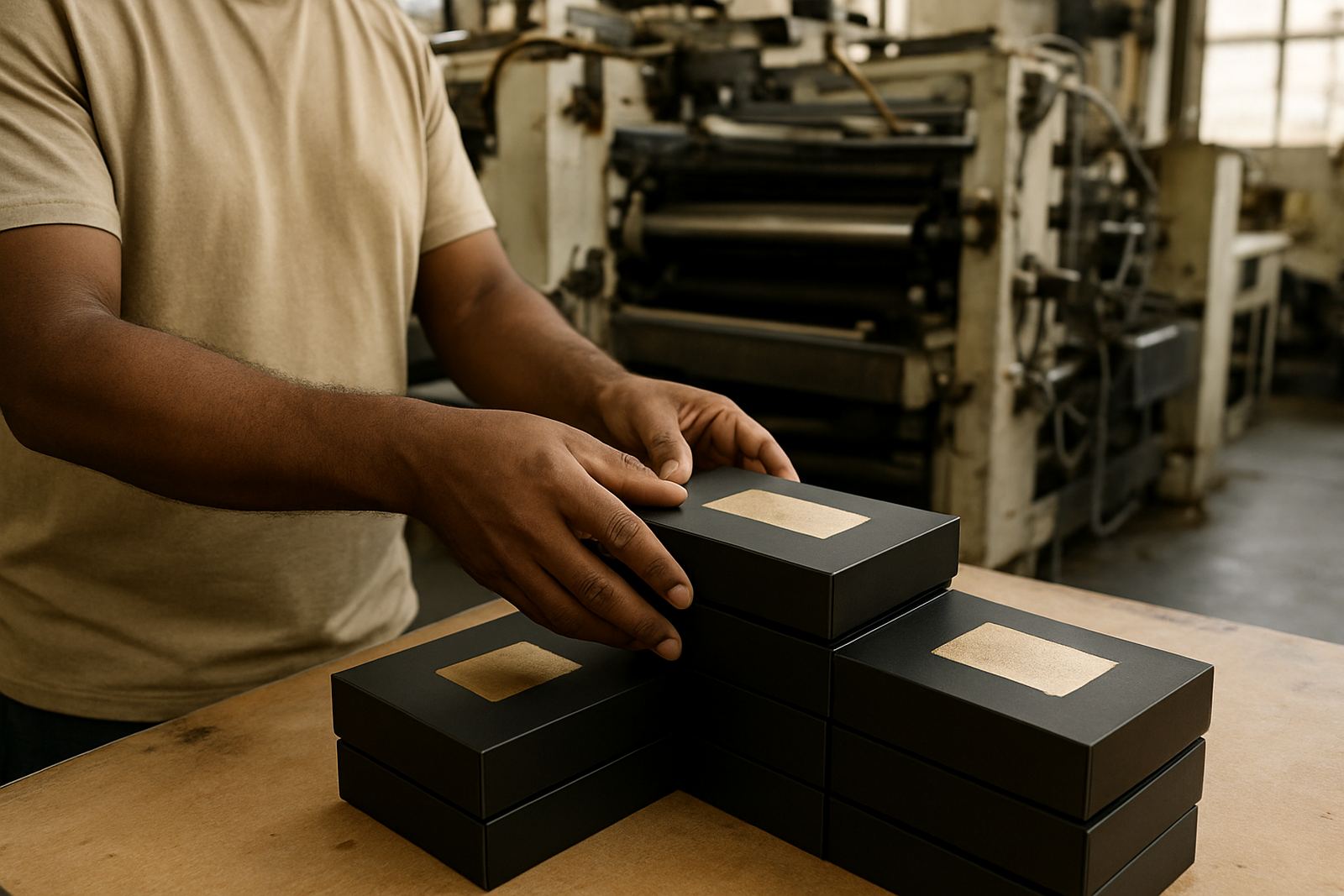
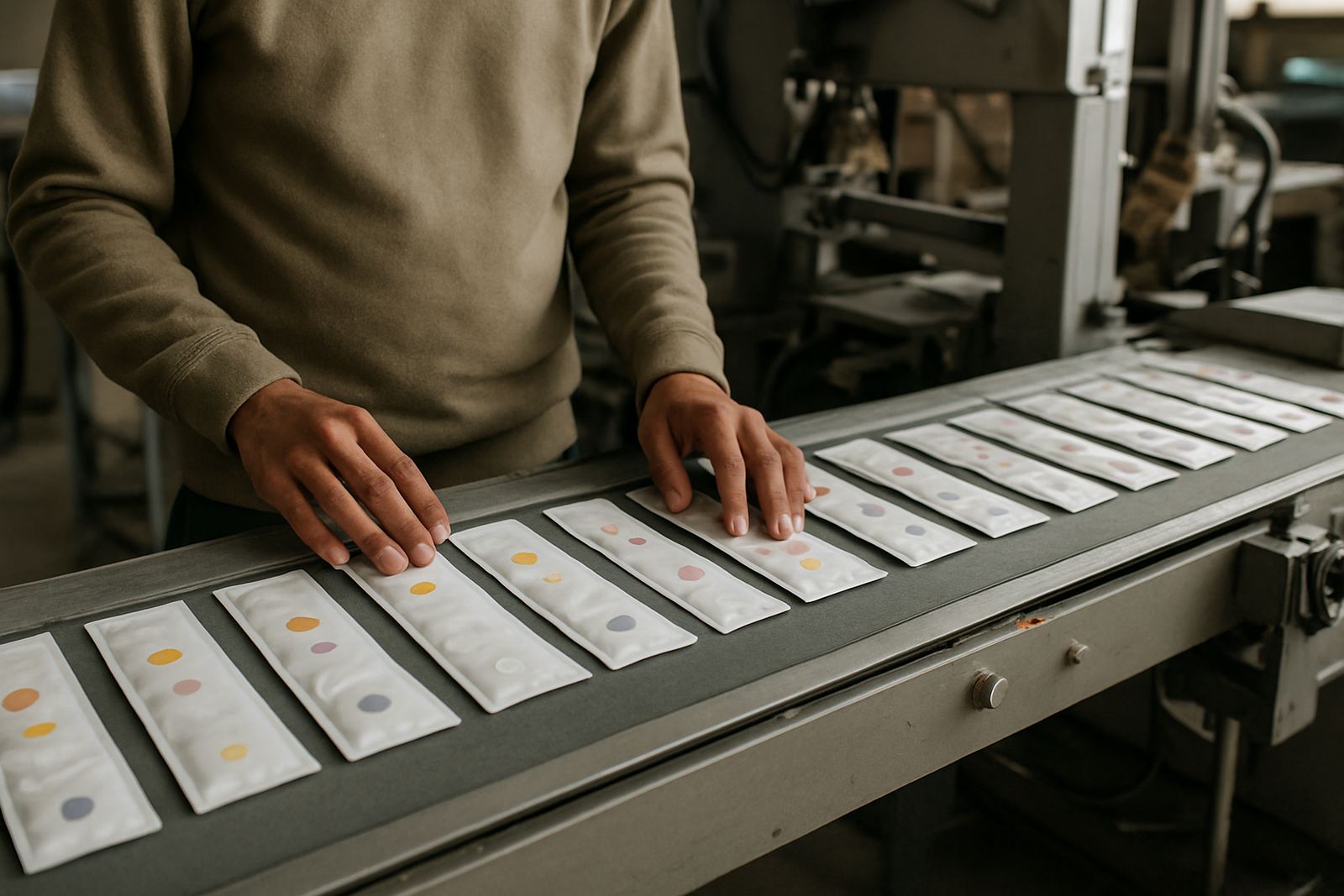
Typical press and finishing setup for beverage label work
Most beverage label programmes use narrow-web flexographic, screen, or hybrid print lines, then finish with die-cutting, varnishing, foil or overprint features. The ink system has to suit the substrate, whether that is paper label stock, polypropylene, polyethylene, or other coated label materials used for chilled bottles and cans.
- Flexo units for solid areas, text and base colours
- Screen stations for high-opacity thermochromic or security marks
- Die-cutting and slitting sections for label finishing
- UV verification lamps for checking security response
- Drawdown panels for colour approval before production
We also check whether the chosen coating or laminate affects the temperature response. A common issue is a label that looks good on press but fails once a varnish layer is applied, or once the bottle sits in a cold room with 90% humidity.
How to plan the label structure before the first trial run
Good results start with the artwork and the application method, not the final ink pass. If the brand wants a visible chill indicator, decide early whether the cue must appear at 5 degrees C, 10 degrees C, or another threshold. That choice affects the ink blend, the dot size, and the print area. If the same label also carries an authenticity feature, the security pattern should sit in a place that is not hidden by a sleeve, neck wrap, or outer carton.
ThermoInk supports press startup with trial batch making, adhesion tests, threshold tuning and coating compatibility checks. For beverage work, that usually means confirming the label can survive wet handling, bottle condensation and case packing without smudging or ghosting.
- Set the temperature trigger to match the actual drinking or storage point
- Leave enough quiet space around the thermochromic mark so it reads clearly
- Allow for bottle shape, curvature and where hands will cover the label
- Check whether the final pack is glass, PET, can wrap or a paper label
- Confirm the label will still pass on line after chilled water exposure
Common mistakes on beverage label projects
One mistake is treating the colour-change feature as a decorative extra. If the cue is too faint, too small, or placed under a heavy gloss layer, it will not serve the pack. Another issue is skipping rub resistance checks. Beverage labels are often handled while cold and wet, so ink that looks fine in the studio can scuff badly in a distribution centre.
We also see problems when the security mark is added too late in the job. That can force a redesign, especially where the label already has tight barcode zones, regulatory text or ingredient panels. In some cases, the print room only discovers the problem after a trial batch, which costs time and extra material.
For converters working across Durban, Pinetown and Prospecton, the biggest pressure is often turnaround. But faster is not better if the label fails on adhesion or response. A short test run now is cheaper than scrapping a full batch later.
Budget ranges for South African beverage labels
Budget depends on coverage, number of print stations, security complexity and the size of the first run. For small trial batches, a simple thermochromic feature may start from about R6 500 to R15 000 for setup and testing, excluding label substrate and standard print costs. More involved work that includes security pattern design, UV checks and multiple threshold adjustments can sit between R18 000 and R45 000 before volume pricing starts to improve the unit cost.
For ongoing beverage label production, the ink cost is usually only one part of the picture. Rework, spoilage and wet-stock failures are often more expensive than the ink itself. We help converters estimate the full cost before sign-off, including press time, test panels and the retain sample library for repeat orders.
- Basic chill cue only: lower entry cost
- Chill cue plus authentication mark: mid-range
- Multiple thresholds, custom colour match, and security pattern work: higher setup cost
- Longer runs reduce unit cost once the line is stable
Why beverage converters use ThermoInk from Jacobs, Durban
Our Jacobs base in Durban gives us practical access to packaging converters in KZN and a straightforward logistics route to Johannesburg, Pretoria, Cape Town and Gqeberha. That matters when a run needs sample drawdowns, press checks, or a quick retry because a coating changed at the last minute. Jason Pillay coordinates national logistics, while our technical team covers colour matching, production troubleshooting and batch retain support.
Sibusiso Mthembu leads the business, with Shaun October on technical sales, Lindokuhle Dlamini on production, Pieter van Wyk on security inks and Nomfundo Khumalo in the colour lab. For beverage labels, that mix helps us balance shelf appearance with actual factory conditions, not just lab results. Clients reach us through the enquiry form on our contact page, and we then work through the pack details, test plan and delivery schedule.
What to ask before you approve the artwork
Before sign-off, ask whether the label will still read after chilling, whether the security feature can be verified in-store, and whether the coating will affect adhesion on the chosen stock. If the beverage range includes still, sparkling and flavoured variants, confirm that each label can be matched without confusing the brand system. Small changes in tone can matter when the range sits side by side on shelf.
It also helps to check the production route early. If the converter is working on a tight municipal waste or solvent control requirement, or a coastal warehouse with high humidity, the handling plan should reflect that from the start. A good beverage label is not just printed neatly, it has to survive the way South African packs are actually moved, stored and sold.