What Matte Thermo Varnish does on pack
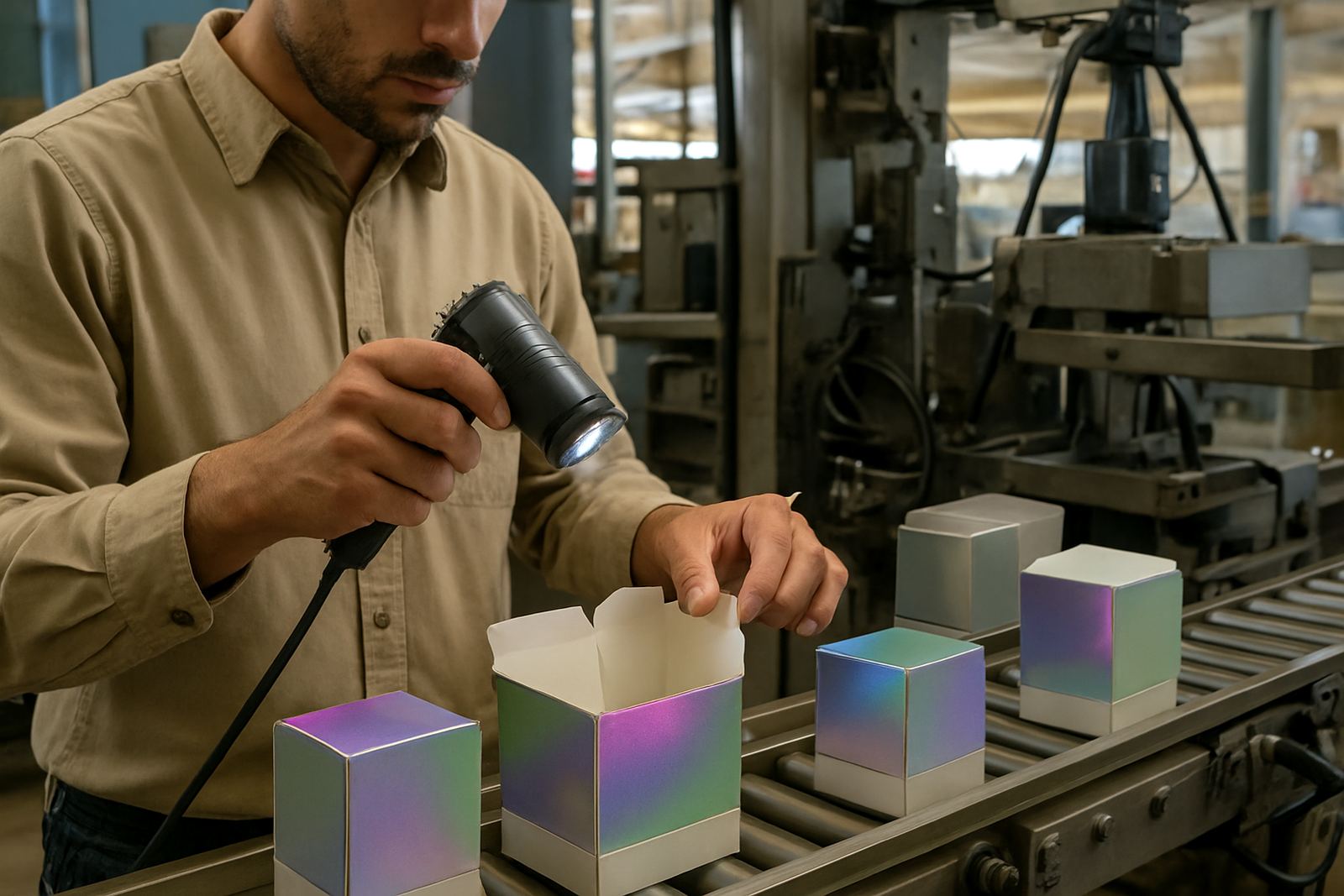
Matte Thermo Varnish is applied as an overprint coating on printed packaging to create a controlled colour change when the pack reaches a set temperature. In normal room conditions it stays muted and matte, which keeps artwork looking clean and premium. When the item warms or cools past the trigger point, the coated area shifts in appearance so the change is easy to see.
That makes it useful where the pack needs to communicate heat exposure, cold-chain handling or simple user interaction without adding bulky labels. It can also be used with security features, so a pack is harder to copy and easier to check in the warehouse, on the shelf or at dispatch. For Durban humidity, inland winter dryness, and coastal storage rooms with higher moisture levels, the finish is designed to be practical rather than decorative only.
- Matte appearance with a controlled thermochromic response
- Suitable for cartons, sleeves, labels and selected flexible pack formats
- Can support temperature cueing and authenticity checks
- Designed for South African packaging lines, including high-speed converter work
Sizes, coverage and ordering options
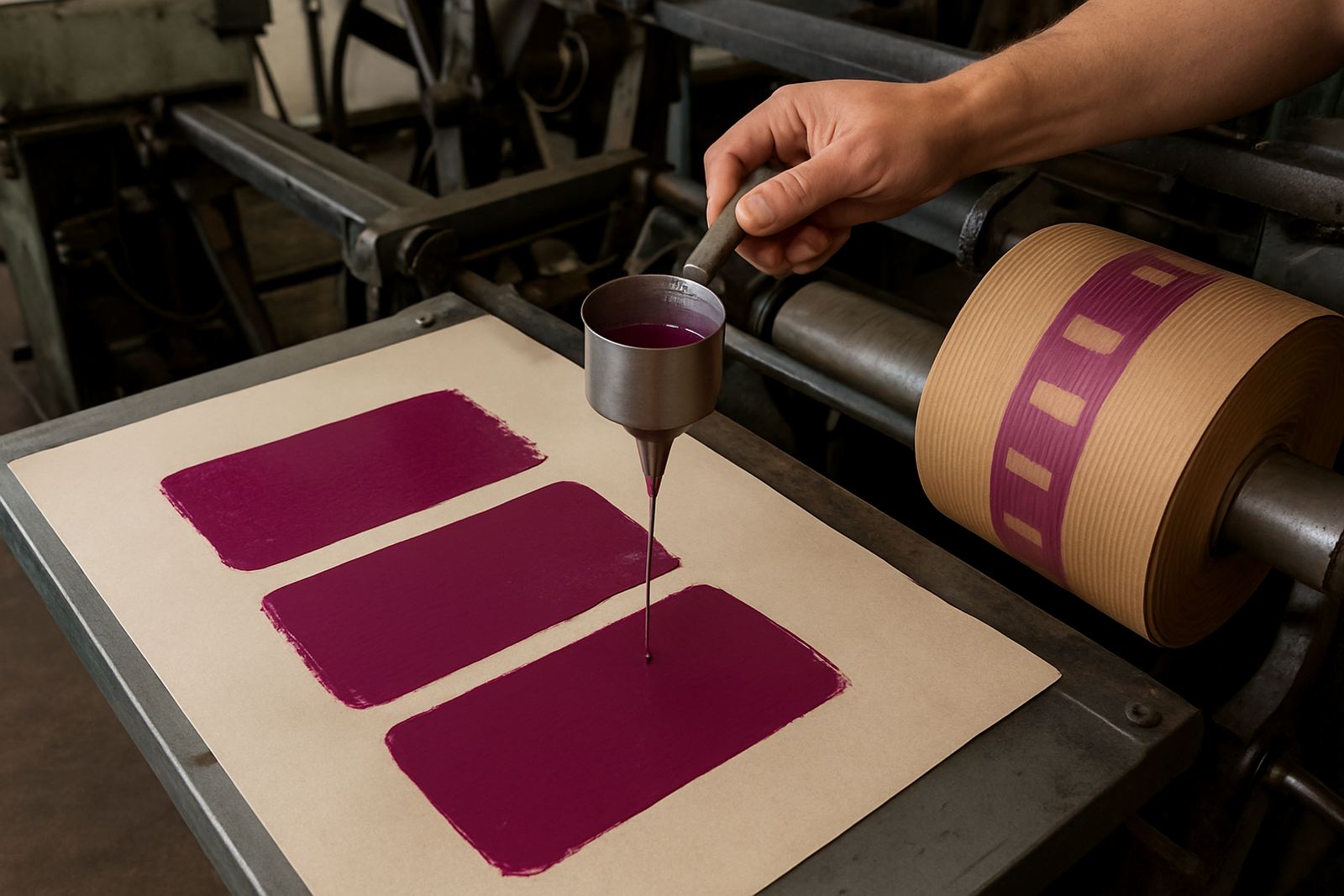
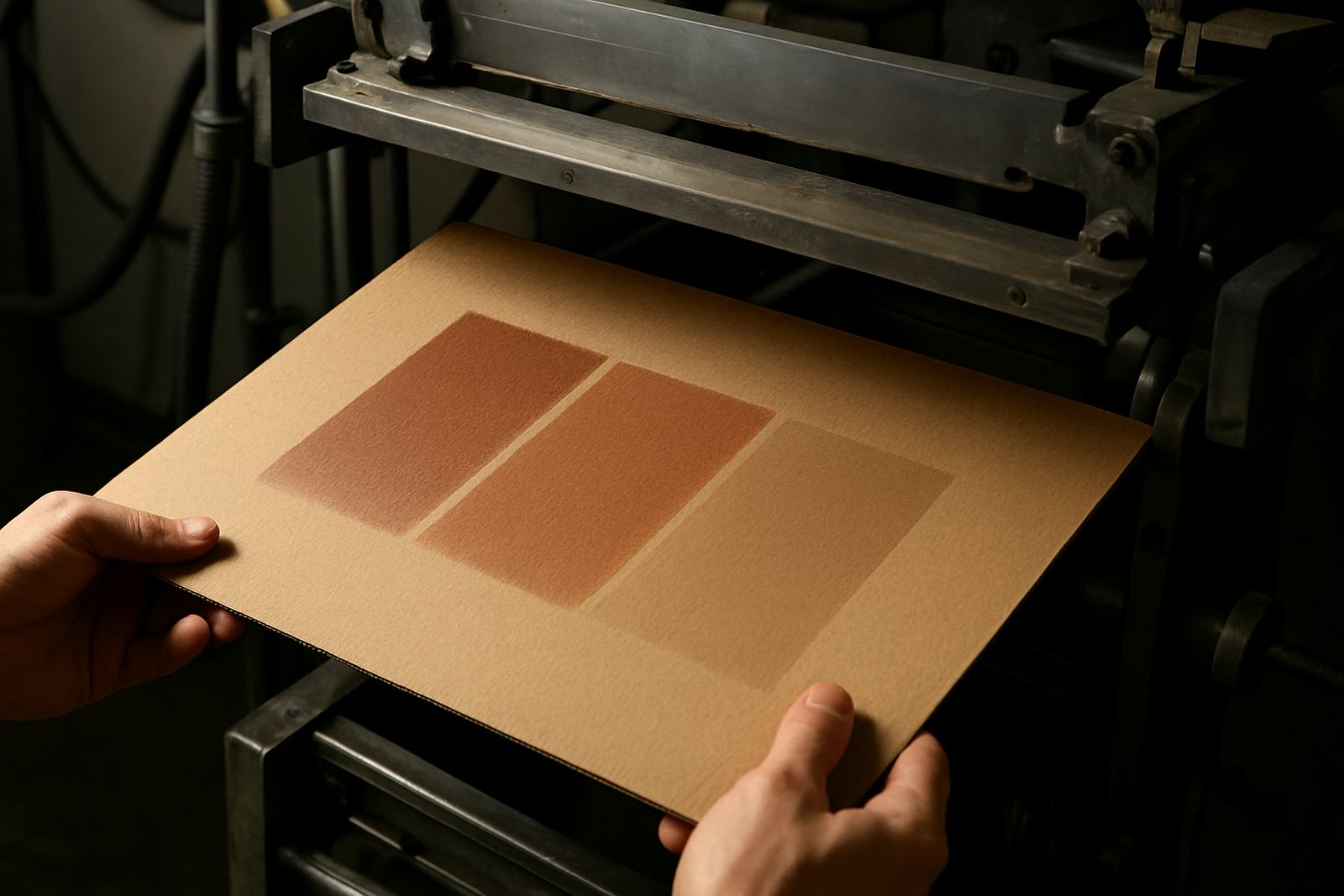
The coating is supplied for production use in batch sizes suited to trial work and repeat runs. Converters in Jacobs, Pinetown and Prospecton often start with a smaller trial batch to check colour strength, laydown and cure response before moving into full production. We can also assist with drawdown panels and threshold tuning so the trigger point matches the pack and product use case.
Typical order options depend on the substrate, press setup and the visual effect you want. Some customers want a very light matte cue that shows only on close inspection. Others need a stronger change for retail display or internal QA. The key is matching the coating weight and activation temperature to the pack structure, not forcing a one-size-fits-all setting.
- Trial batches for line testing and approval
- Production batches for repeat runs and scheduled release work
- Colour match support for base tone and trigger appearance
- Batch retain records for follow-up consistency
Where it suits best in South African packaging
This product suits food packaging, health and wellness packs, personal care cartons, specialty beverages, gift packs and temperature-sensitive retail items. It is also used where a brand wants a softer premium finish than gloss varnish can give. The matte surface helps print detail stand out without unwanted shine under shop lighting or warehouse strip lights.
Because South African pack houses work across different climate zones, the coating should be checked against the actual route and end use. A product that sits in a coastal truck yard in Gqeberha will face different conditions to one stored in a dry Johannesburg distribution centre. For that reason, we check coating compatibility, rub resistance and press handling before sign-off.
- Cold-chain and temperature-sensitive outer packaging
- Limited edition cartons and promotional packs
- Anti-counterfeit visible features for selected SKUs
- Display packs where a low-sheen finish is preferred
Installation, curing and line requirements
Matte Thermo Varnish is set up for converter use on suitable coating or print lines. Depending on the substrate and the press, it may be applied by overprint station, roller system or another approved coating method. The line must allow controlled laydown and stable drying or curing, otherwise the trigger response and matte finish can vary between sheets or reels.
Power demand depends on the existing line setup, but the coating itself does not need special site utilities beyond normal production support. For most plants, the main checks are consistent temperature control, clean ink paths, and enough space for sample pulls and inspection. No gas supply is normally needed for the coating itself. If your plant uses heat-assisted curing, then local power stability and load-shedding planning should be part of the job card. In Durban and the surrounding industrial areas, this is especially important on long run shifts.
- Check substrate porosity and surface energy before running
- Confirm drying or curing capacity on the actual line
- Keep application equipment clean to avoid contamination
- Allow sample retention from startup, middle and end of run
Care, servicing and production checks
Once the coating is approved, care is mostly about keeping the print process consistent. Store material in a cool, dry place away from direct sun and heat sources. On coastal routes, sealed storage is important because humidity can affect handling even when the coating itself is stable. During production, rub resistance checks and adhesion tests should be done on the chosen board or film before the main batch is released.
If the coating is used as part of a security system, the verification method should be agreed before rollout. That may include UV verification setups, visual comparison panels or a retained master sample from the batch library. If the application starts to drift, the usual causes are substrate change, coating thickness, press speed or an unplanned change in drying settings. We can help with production troubleshooting where needed, so the issue is corrected before waste builds up.
- Keep sealed containers closed when not in use
- Retain approved samples for every production run
- Check for scuffing on finished cartons during packing
- Reconfirm trigger point if board, film or lamination changes
What to check before placing an order
Before ordering, confirm the substrate, print method, target trigger temperature and the effect you want on the pack. Also check whether the coating is for a straight visual cue, a security feature, or both. If your pack runs through multiple depots, let us know the route so we can consider warehouse heat, refrigerated transport and final shelf conditions. That matters for packaging moving between Jacobs, Cape Town, Johannesburg and Pretoria because handling conditions can vary a lot.
Please also confirm the finish level you want, the area to be coated, whether you need colour matching, and if the line needs startup support. If you are planning a larger rollout, we recommend a trial batch first, plus coating compatibility checks. That gives a cleaner approval process and reduces surprises on the production floor.
- Substrate type and thickness
- Press or coating method in use
- Trigger temperature target and visible effect
- Need for security pattern design or UV checks
Key facts
| Product type | Matte overprint thermochromic coating |
|---|---|
| Finish | Low-sheen matte |
| Activation | Temperature triggered colour change |
| Application | Overprint coating for suitable packaging lines |
| Typical uses | Cartons, sleeves, labels and selected flexible packs |
| Supply | Trial batches and production batches available |