What the overprint does on pack
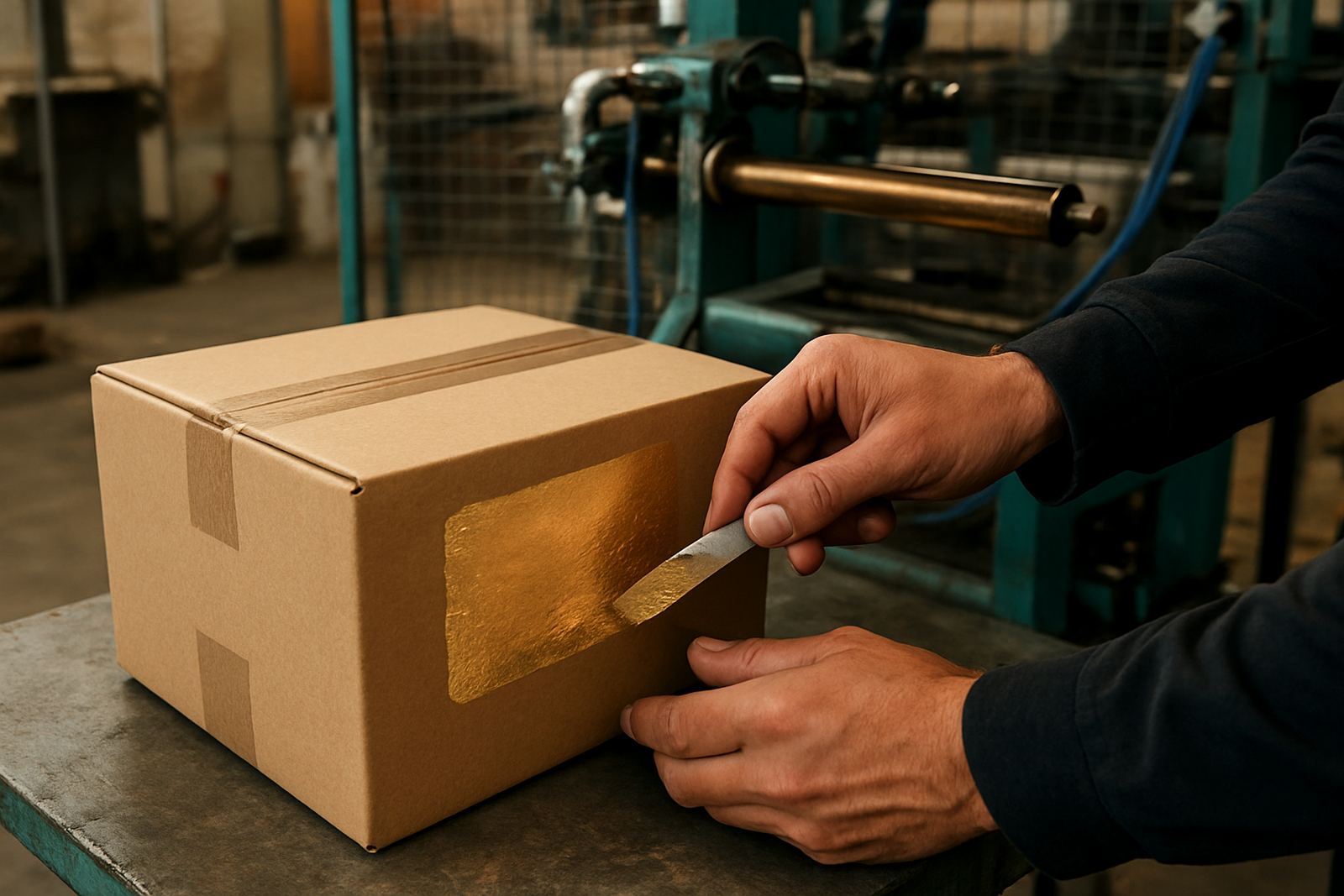
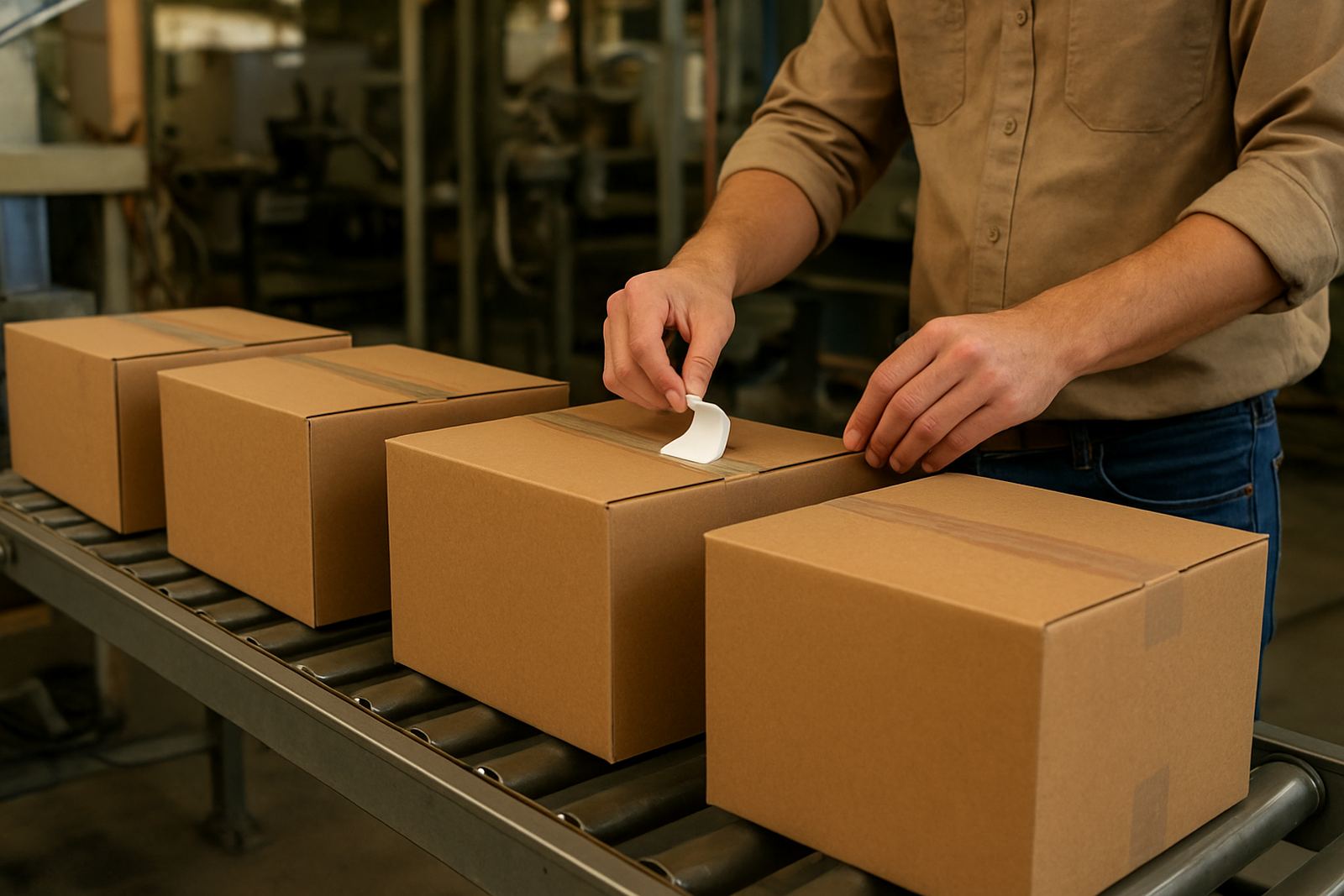
Slip Resistant Overprint is applied as a clear or lightly matt overprint layer on finished packaging to increase surface friction where hands, trays or conveyors need more control. It is used on retail packs, multipacks, cartons, sleeve wraps and promotional packs that tend to slide on smooth print finishes, especially when cartons are stacked in humid conditions or moved quickly through distribution.
The coating is chosen when a client wants better handling without changing the printed design. It can help reduce palm slip when picking up packs, improve grip for warehouse staff and make retail displays less prone to shifting. On some lines, it also helps with scuff management because the finish can lessen hard rubbing between packs during packing and transport, though the exact result depends on substrate and press setup. We usually test the actual board or film first, because what works on one pack may not suit another.
For Durban, Pietermaritzburg and coastal routes where moisture can affect pack feel, a slip coat can give more predictable handling through summer and in stores with open loading bays. It is also useful for packs that are handled by gloves, because a bit of extra surface bite can make a real difference.
Sizes, coating styles and run options
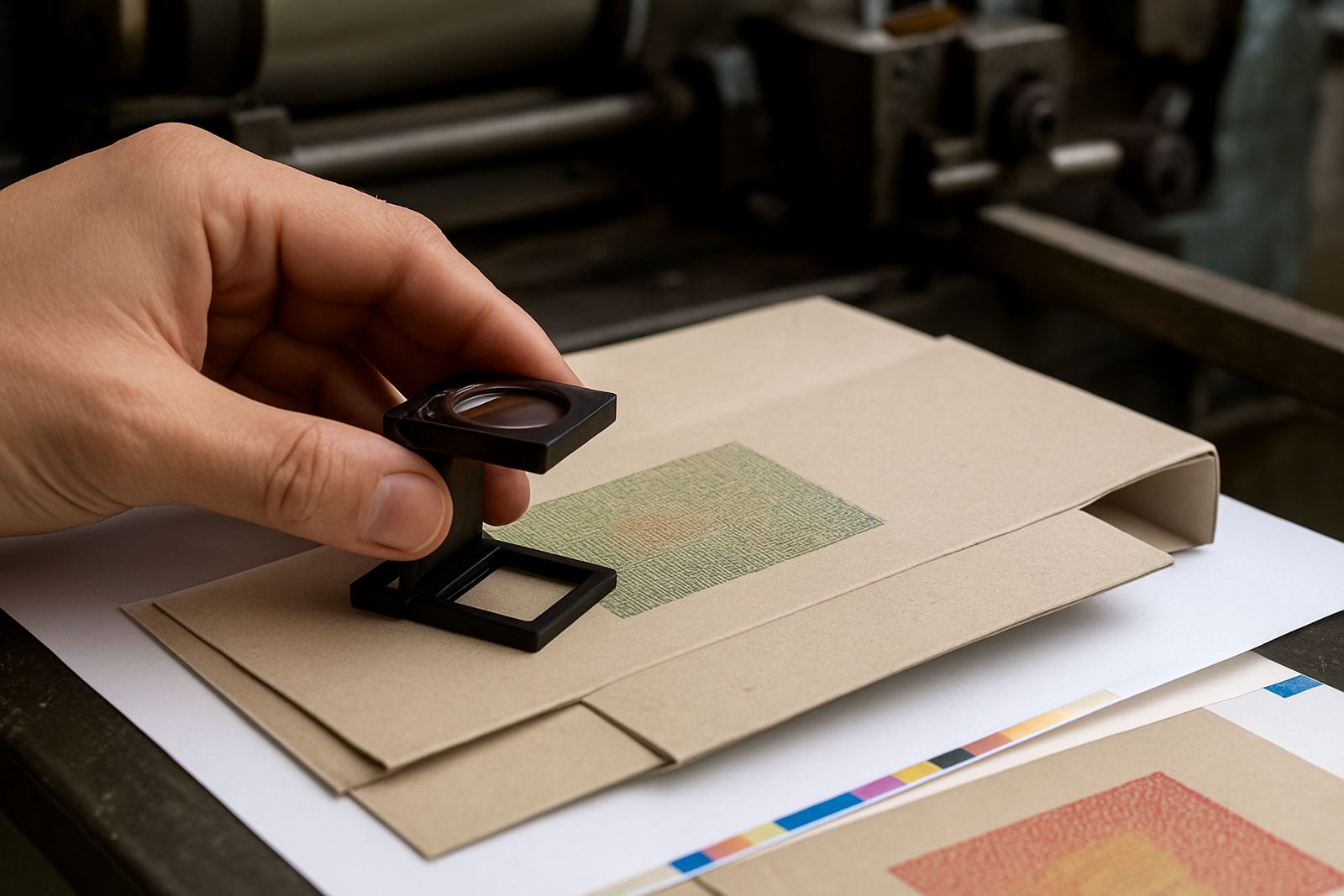
ThermoInk supplies this overprint in production-ready options for packaging converters and printers running short trial sets or longer commercial batches. The chosen format depends on line speed, coating station setup and the finish required. We can work with drawdown panels, small trial batches and press startup support before full production.
- Supplied in pails or drums for production use, with trial quantities available for testing
- Clear, low-build or higher-grip finish options, depending on the pack and handling need
- Suitable for spot application or full-area coating, subject to line setup and board compatibility
- Can be tuned for matt or soft-touch style grip rather than a glossy feel
- Batch retain samples can be kept for repeat ordering and comparison
Typical application weights are set to suit the substrate and desired grip. In practice, many packs land in a light to medium coating range, but the final figure should be confirmed during testing because too much build can affect drying, folding or print contrast. If a client wants a stronger tactile effect, we look at threshold tuning and rub resistance together so the finish is not only grippy but still practical on the line.
Where it suits best in South African packing
This product suits packaging that needs more control in the hand or on the line. It is often specified for food and beverage cartons, personal care packs, household packs, carry packs, display cartons and seasonal promotions where the product should not feel slippery when picked up. It also works well for export packaging leaving Durban, Gqeberha or Cape Town where temperature swings between packing, cold storage and delivery can change how a pack behaves.
It is a practical choice for converters supplying Gauteng distribution centres, coastal retailers and regional wholesalers who need packs to stack neatly and stay easy to handle. In some cases, brands use the overprint on grip points only, such as side panels or end flaps, so the design remains clean and the handling benefit is placed where it counts most.
Where municipal waste rules or retail recycling targets are in play, we can advise on coating compatibility so the finish does not create avoidable problems in the customer’s pack stream. The right choice depends on the board coat, ink system and any laminates already in the structure.
How it runs on the line
Slip Resistant Overprint can be introduced on existing print and coating equipment with the right setup. Most users will need a coating station, drying capacity and stable line speed. Where hot air or IR drying is used, the settings must be checked carefully so the coating sets properly without blocking or sticking. On water-based systems, airflow matters more than people sometimes expect, especially in humid months on the coast.
No special gas supply is normally required for the coating itself. If the line already uses heated drying, that energy supply stays as it is, but the overprint does need enough curing or drying time before stacking, die-cutting or overprinting again. We advise press startup support so the first run does not waste board, and so the operator can confirm coverage, slip level and rub resistance before full production.
- Check coating viscosity at the start of each shift
- Confirm drying time before stacking or packing off
- Keep an eye on web or sheet temperature if the line runs hot
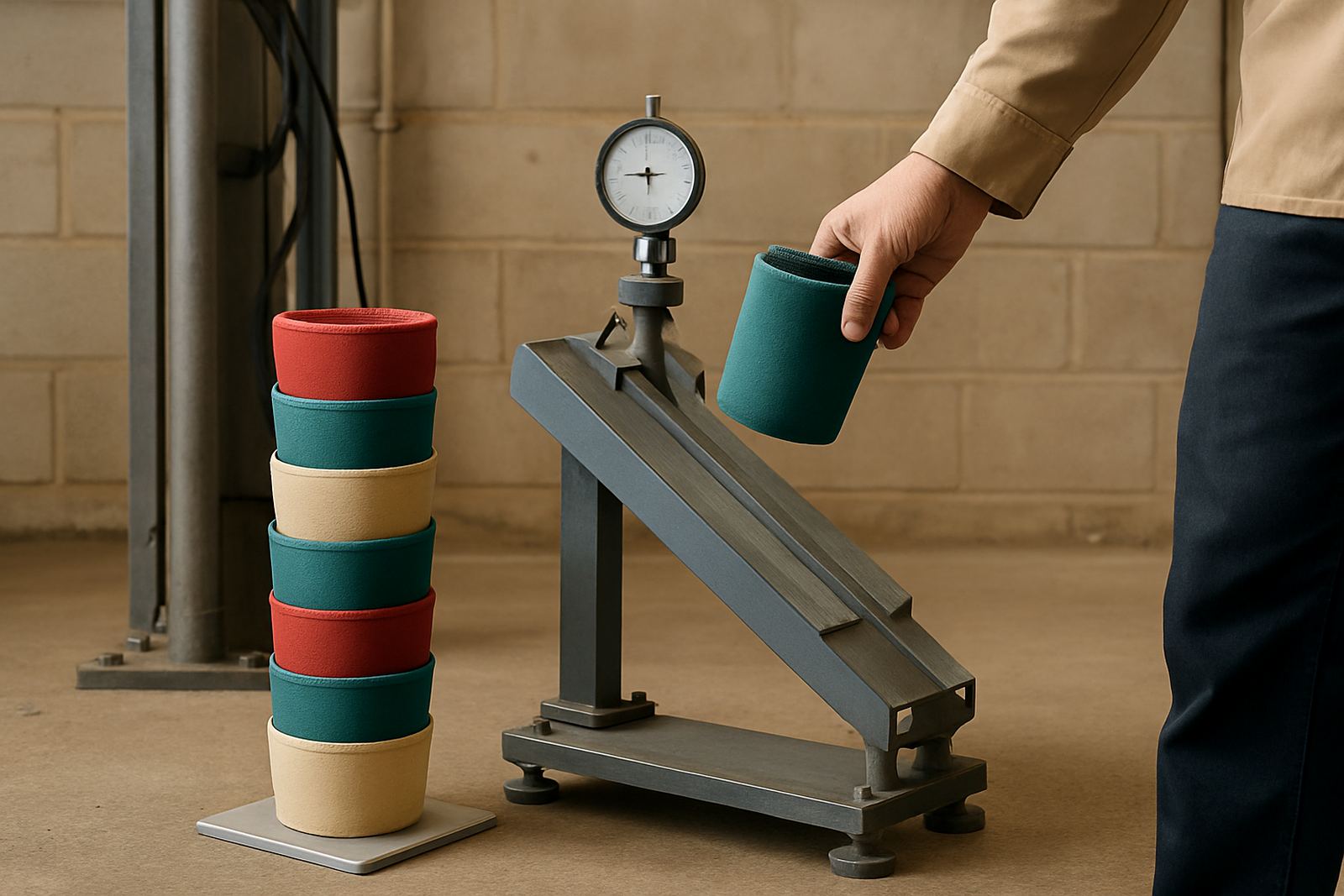
- Do a quick hand-slip test and rub check before full release
For smaller converters in Pinetown or Prospecton, we can assist with trial batch making and practical setup notes so the pack leaves the line cleanly, not tacky or too dry. Minor tuning at the start saves a lot of rework later.
Care, servicing and repeat production
Once the coating is in production, regular checks keep performance consistent. The main points are storage, mixing, line cleanliness and retain sample control. Keep containers sealed when not in use and store them away from direct sun and high heat. In Durban humidity, lids and seals matter more than people think, because moisture ingress can alter viscosity and handling. If stock is held for long periods, rotate it first in, first out.
Cleaning between jobs should remove residue from the coating station, pumps and transfer lines. This helps avoid contamination with other print finishes and keeps the slip level steady from batch to batch. Where the same line also runs security or colour-changing work, it is best to separate tools and record the job details carefully, otherwise small trace residues can cause trouble later.
We keep a batch retain library for repeat orders, which makes it easier to match previous performance and colour tone if the pack uses a tinted or combined finish. If a client reports poor grip, blocking or poor rub resistance, our production troubleshooting team checks the substrate, coat weight, drying and press conditions before suggesting changes. That approach is usually faster than guessing.
What to confirm before you order
Before placing an order, it helps to define the pack type, the handling problem and the line setup. The more exact the brief, the easier it is to match the coating to the job. Some packs need only a light improvement in grip, while others need a firmer surface for warehouse handling or shelf display. If the pack is cold-filled, shrink-wrapped or exposed to coastal moisture, say so upfront.
- Substrate type: carton board, laminated board, coated paper or film
- Application area: full pack, panel, grip points or specific folds
- Line process: flexo, gravure, coating station or offline coating
- Desired finish: clear, matt, soft-touch or stronger grip feel
- Target use: retail handling, pallet stability, display, transport or cold chain
- Any extra requirements: rub resistance, UV verification, compatibility or security features
It is also worth confirming whether the pack will carry security print, variable information or other overprinted elements. If so, we can test the interaction before release. For new jobs, our team in Jacobs, Durban can support with colour matching, adhesion tests, drawdown panels and trial batches so the final pack performs the way it should on the line and in the field.
Key facts
| Product type | Overprint coating for improved pack grip and handling control |
|---|---|
| Finish options | Clear, low-build matt, soft-touch grip, spot or full-area application |
| Typical use | Cartons, sleeves, multipacks, display packs and handling-sensitive packaging |
| Application method | Coating station, press-applied overprint or offline coat, subject to line setup |
| Drying needs | Airflow and curing time required; heat settings depend on the line and substrate |
| Supply format | Trial quantities, pails and drums for converters and production runs |