What Cold Chain Blue Ink does on pack
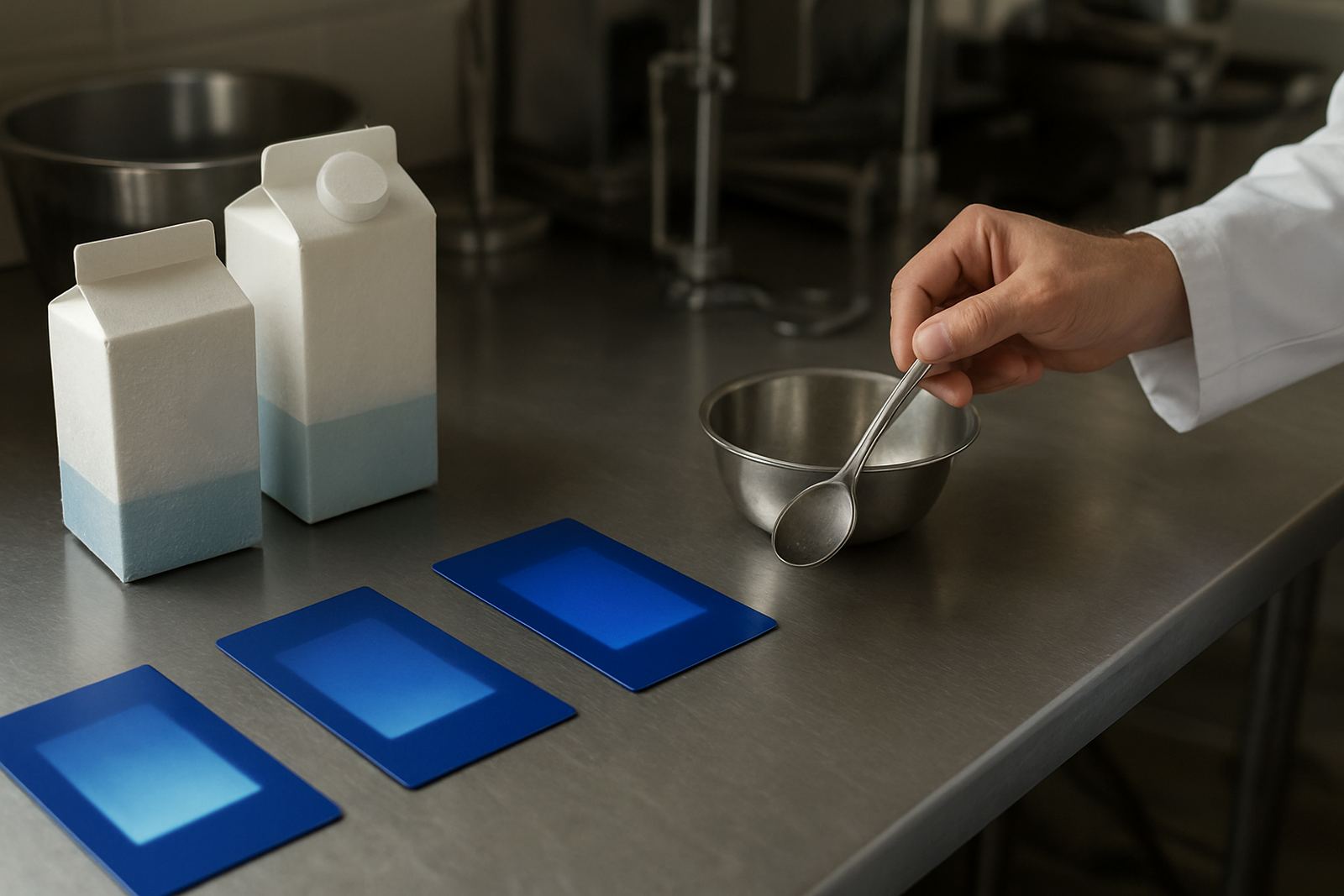
Cold Chain Blue Ink is a thermochromic ink designed for packaging that must show a visible chilled-state signal. In use, the blue mark appears or deepens at the set temperature band, so the pack gives a quick cue for cold chain handling on dairy, ready meals, frozen-adjacent packs, personal care, and other temperature-sensitive products. It is not a substitute for proper temperature control, but it gives a clear visual aid at point of sale, in dispatch, and in the field.
The ink is supplied for print production on suitable packaging substrates and can be matched into a converter's existing artwork flow. It works best where the message must be seen fast, with no extra electronics or labels. For converters in Durban, Johannesburg or Cape Town, that matters when packs move through warm stores, humid loading bays, and long transport legs on the N3 or N1.
Sizes, formats and print options
We supply Cold Chain Blue Ink in production-ready formats for trial work and repeat runs. The exact pack size depends on your line and ink system, but typical options are suited to short development batches, press trials, and full production. If you are testing the artwork on a new carton, film or label, we can start with a smaller quantity and build up once the target temperature and adhesion are confirmed.
- Trial batch quantities for approval runs and colour checks
- Standard production drums or pails for regular print schedules
- Custom viscosity adjustment for your press and coating method
- Options for spot application, panel coverage, or pattern elements
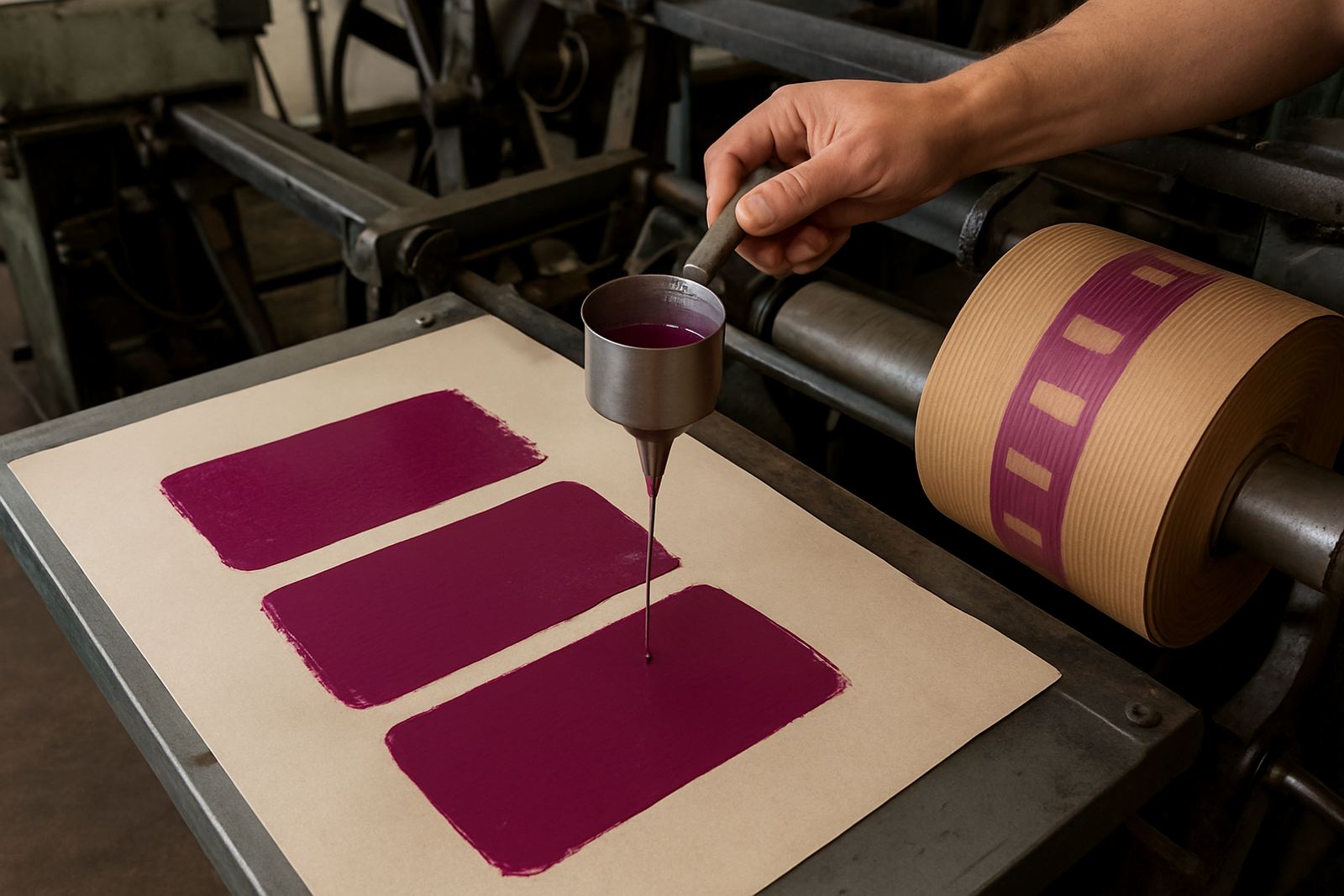
The ink can be set up for flexo, screen, or other suitable packaging print methods subject to the substrate and press conditions. Where needed we can also assist with drawdown panels, threshold tuning, and press startup support so the chilled cue lands at the temperature you want, not too early and not too late.
Where it suits best
This product suits packs that need a direct chilled-state indication without adding a separate indicator label. It is useful where staff, retailers, and consumers need a quick visual prompt, especially when product quality or handling depends on staying within a narrow band. The blue change works well on food and beverage packaging, cold storage labels, outer cartons, and promotional packs that need an extra control element.
- Chilled foods and drinks that require a visible temperature cue
- Outer packaging for cold chain distribution
- Retail packs where consumer confidence matters
- Samples, promotional packs, and controlled-release packaging
- Products moving through humid coastal conditions or hot inland transport
For Jacobs and Prospecton converters shipping nationwide, the ink is also handy when your customer wants one cue for the warehouse and another for the shelf. It can be combined with security pattern design or a separate authentication feature where product integrity is a concern.
Press setup, power and gas requirements
Cold Chain Blue Ink does not need special power or gas at the point of use. It is a print consumable, so the main requirement is that your press, drying system and handling process are matched to the substrate and the ink system. Most installations need standard print-room power only, plus proper ventilation and the drying profile already used on your line.
For best results, check that the press can maintain stable ink laydown, consistent drying, and clean registration. On some lines, especially in humid months in Durban, a small adjustment to dryer settings or web tension may be needed. If the substrate is coated or low-energy, we may recommend coating compatibility checks before full production. No gas supply is needed unless your own press equipment uses it for drying or heat control.
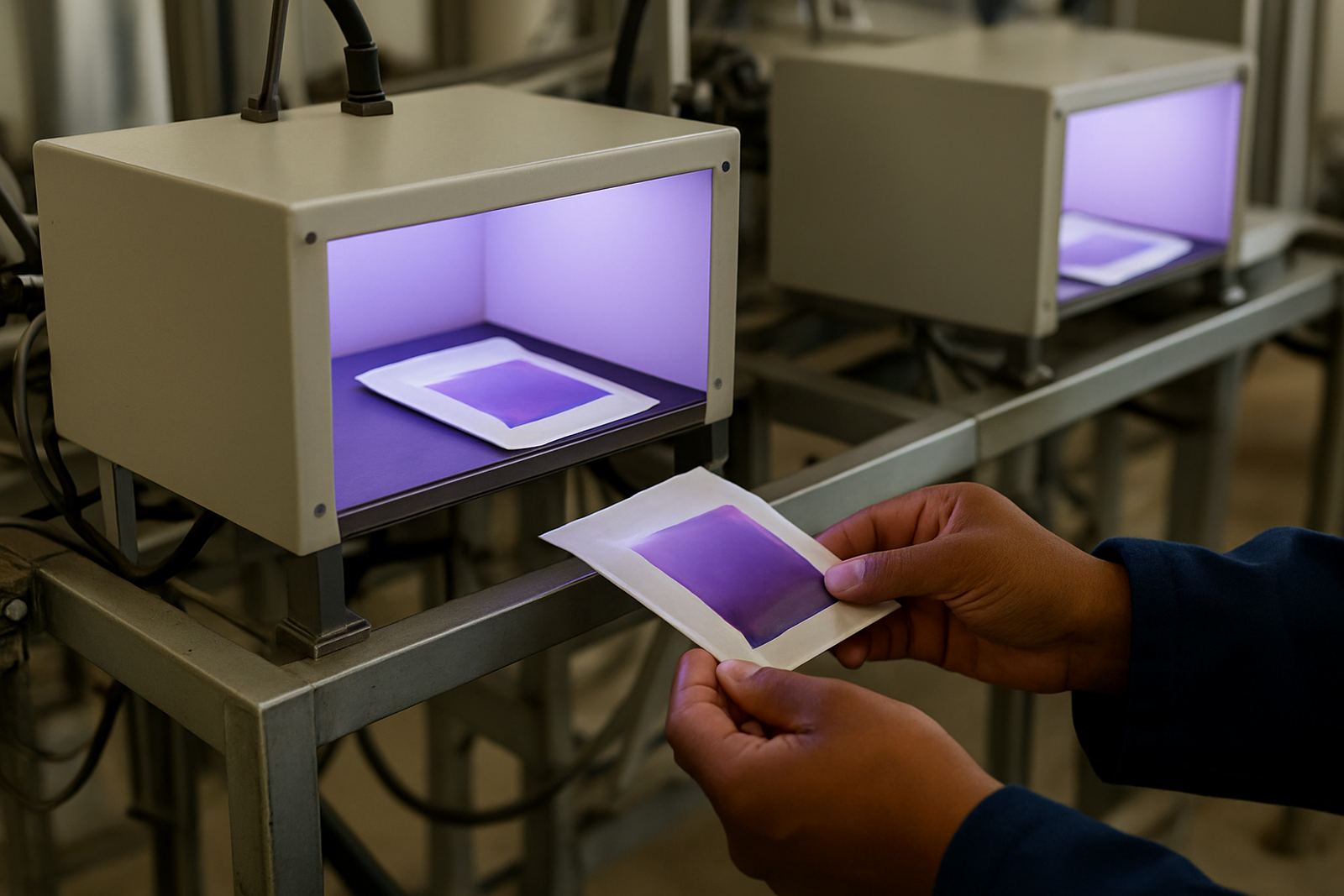
We can support installation planning with adhesion tests, rub resistance checks, and UV verification setups where a security layer is also being used. That helps avoid rework when the pack reaches the converter or the filler plant.
Care, storage and servicing
Thermochromic inks need sensible handling to keep the colour response accurate. Store Cold Chain Blue Ink in a cool, dry place away from direct sun and heat sources. Keep lids sealed tightly after use, and do not leave open containers near warm dryers or on the shop floor. If a drum is left in the sun on a loading bay in Pietermaritzburg or Pretoria the response can drift, so housekeeping matters.
Routine servicing is mostly about process control, not machinery. Check the ink mix, viscosity, and press conditions before each run. If you are keeping a batch retain library, label it clearly with date, substrate, temperature target, and press settings. That makes repeat orders much easier and helps track performance over time.
- Keep sealed containers cool and out of direct light
- Do not freeze unless specifically approved for the batch
- Test any long-stored stock before a full run
- Record drying temperature, substrate type and impression settings
What to check when ordering
To make sure the ink performs properly on your packaging, we need a few practical details before supply. The more accurate the brief, the faster we can set the right threshold and avoid press waste. If you are still deciding on substrate or finishing, send the sample pack and we will assess compatibility before you commit to volume.
- Substrate type, including paper, board, film or coated stock
- Target chilled temperature band in degrees C
- Print method and whether the ink will be spot or full coverage
- Need for extra security features or authentication marks
- Expected run size, line speed and drying setup
- Storage and distribution conditions, including coastal humidity or long haul freight
We also check whether the pack will need additional rub resistance, overprint protection, or a specific colour tone in the non-reactive state. If the product is going into municipal or retail channels with strict traceability requirements, we can help align the security pattern design with your coding and batch controls.
Local supply support from Jacobs to nationwide delivery
ThermoInk operates from Jacobs, Durban and supplies packaging converters across South Africa. Our team handles colour matching, threshold tuning, trial batch making, press startup support and production troubleshooting, so your order is backed by people who understand packaging lines and local conditions. Whether you are in Durban South, Pinetown, Prospecton, Cape Town, Gqeberha, Johannesburg or Pretoria, we work to the same production standard and delivery plan.
If you need Cold Chain Blue Ink for a new pack, a replacement run, or a product launch, use the enquiry form on our contact page. We will take the pack details, confirm the right format, and help you order the quantity that suits your line. It is a practical product for real production work, not a decorative extra.
Key facts
| Product type | Thermochromic packaging ink |
|---|---|
| Colour state | Blue chilled-state visual cue |
| Use case | Cold chain and temperature-sensitive packaging |
| Application methods | Suitable for selected packaging print processes |
| Power or gas | No special power or gas required |
| Support services | Colour matching, threshold tuning, adhesion tests, press startup support |