What Sun Exposure Violet does on the pack
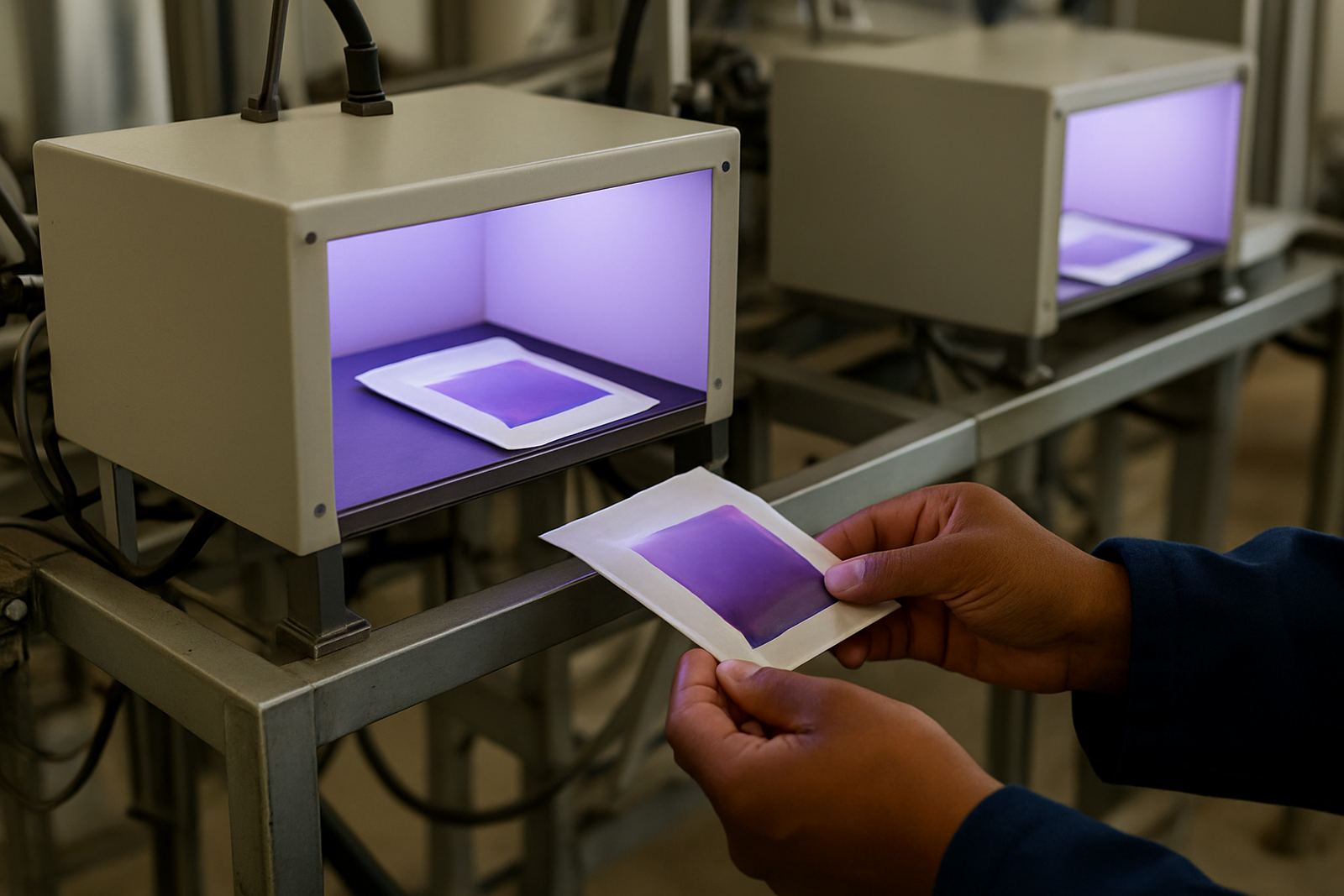
Sun Exposure Violet is a thermochromic style colour-shift ink designed for packaging surfaces that need a visible change when exposed to UV light or bright sun. In normal indoor conditions it reads as a violet tone, then shifts under sunlight or controlled UV exposure to give a clear cue that the pack has been exposed. That makes it useful for products where the buyer, handler, or retailer needs a quick visual check before opening or dispatching stock.
The ink is suited to printed packaging rather than loose labels, so it works best where the pack already carries a proper print layer and handling route. On carton board, coated paper, sleeves, and certain films it can form a neat feature area or a full design element. It is not a gimmick layer. It needs correct substrate choice, proper drying, and realistic expectations around exposure time so the colour change is seen when it should be.
Where this violet colour shift suits best
Converters use this product on packs that are likely to sit near windows, in outdoor staging areas, in open delivery bays, or on products that are checked in the field. It can support temperature-sensitive ranges, seasonal promotions, and premium packs that need an added security or attention feature. The effect is often specified where daylight exposure is part of the handling story, such as products moved through Durban heat, Gauteng loading bays, or coastal dispatch routes where humidity and sun are both part of the day.
- FMCG outer packs that need a sunlight response cue
- Promotional cartons and event packaging
- Outer sleeves for temperature-sensitive goods
- Security marked packs for authenticity checks
- Retail display packs exposed to bright light
If you are packing across the coast or inland, remember that direct sun and high heat can change how quickly the effect appears. A pack that looks good in a cool warehouse may react faster outside, so the design and threshold need to be matched to the real route.
Sizes, formats, and production options
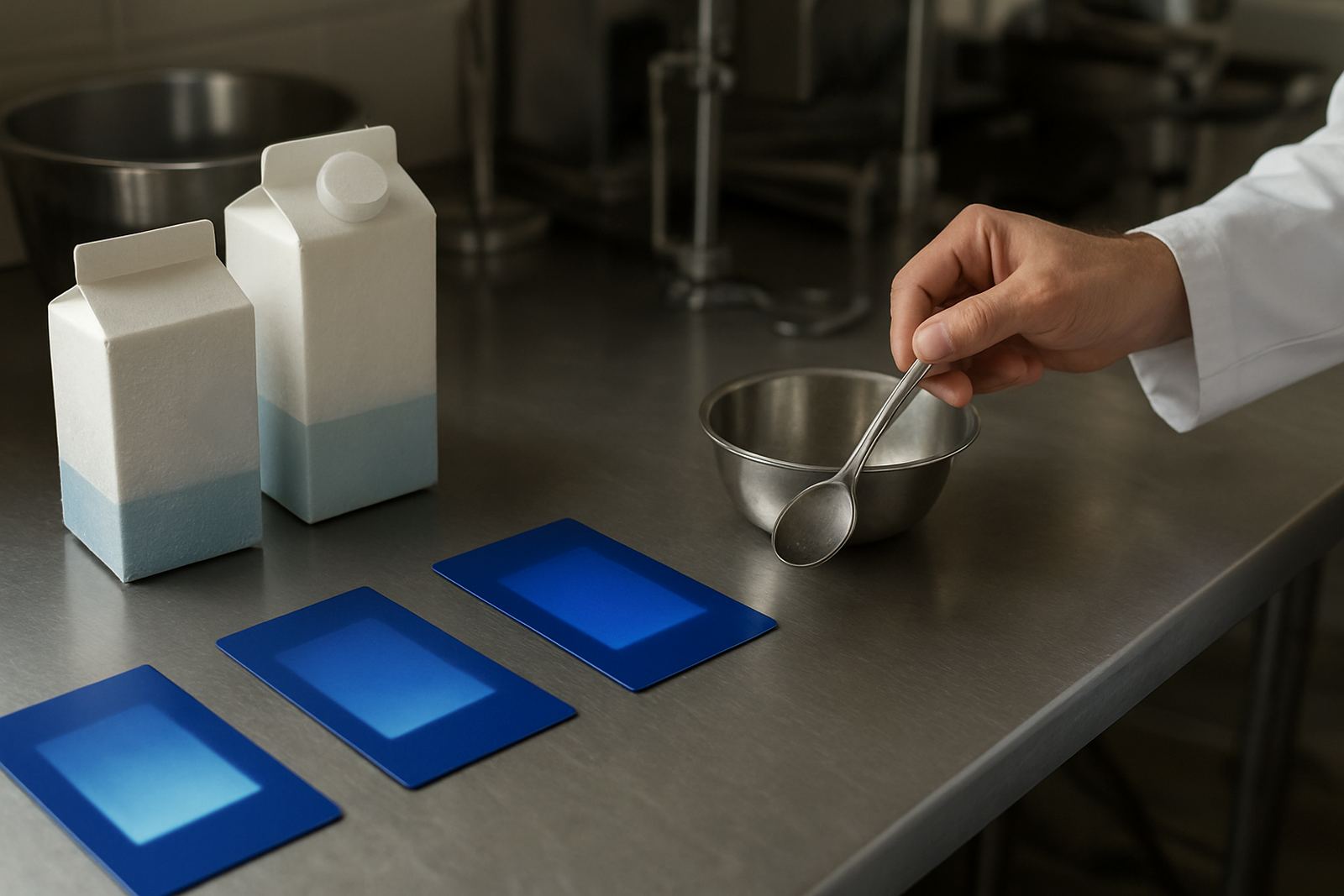
Sun Exposure Violet is supplied for trial work, short production runs, and ongoing converter use. Standard options are set up to fit practical South African packaging lines, with batch size and viscosity matched to the print method and the substrate. We can support drawdown panels, trial batch making, and press startup support so your team can check the look before full production. The ink is also available with matched retain samples for repeat work, which helps when you are reordering after a few months and need the same response.
- Trial quantity for lab and line testing
- Production batches for repeat print runs
- Custom threshold tuning to suit local exposure levels
- Drawdown panels for sign-off and client approval
- Retain library samples for reorders and QC reference
For converters in Jacobs, Pinetown, Prospecton, Cape Town, Gqeberha, Johannesburg and Pretoria, delivery is arranged to suit production timing. We work with packaging converters nationwide, so batches can be planned around your schedule rather than forcing a standard one-size order.
Print conditions, installation, and utility needs
This is a print-applied product, so there is no separate equipment installation as such. It is introduced during the normal printing or coating stage, with the substrate set up for the right adhesion and film build. The line setup should allow for clean application, full drying, and a stable print environment. No power or gas supply is required for the ink itself, though your print line, curing units, and drying system will still need the normal plant utilities used in packaging work.
In practice, the main checks are coating compatibility, ink laydown, and whether the pack face will be exposed to enough UV for the colour change to be useful. If the pack is heavily laminated or carries a very slick coating, the print system may need adjustment. We can assist with adhesion tests, rub resistance checks, UV verification setups, and press startup support so the line is ready before volume begins. A quick pre-check can save a lot of rework, especially when load-shedding forces shorter production windows and you need the first run to count.
Care, handling, and servicing on the production floor
Once printed, the pack should be handled like any other specialist print finish. Keep finished stock out of direct sun until it is packed for dispatch, and avoid stacking hot bundles too soon after press work. If the product is used as a visual cue, the customer should be told how much light is needed for activation and how long the effect should last under normal handling. That way the pack does not get judged on the wrong conditions.
For ongoing use, keep a batch retain sample from each run and note the substrate, drying settings, and line speed. That record helps when colour response needs to be repeated in six months or a year. If you see weak activation, uneven colour, or premature fading, check the print thickness first, then the substrate coating and the exposure conditions. Our production troubleshooting team can help identify whether the issue sits with the ink, the pack face, or the process. In coastal areas, humidity can also shift drying behaviour, so it is worth watching during summer months.
What to check before placing an order
To quote accurately and make sure the product suits your line, we need a few basics from your side. The more detail you give up front, the better the match. That includes the pack material, the intended exposure level, the size of the printed area, and whether you need the colour shift for branding, temperature cueing, or security marking. If your client wants a specific violet tone in the inactive state, send an approved target or reference panel.
- Substrate type and coating
- Print method and drying setup
- Required activation under sun or UV light
- Pack size and printed area in millimetres
- Target quantity and repeat order needs
- Any rubbing, folding, or scuff exposure on the line
It also helps to know whether the packs travel through hot inland depots, coastal stores, or outdoor staging areas. Those details affect threshold tuning and the final spec. If you need colour matching, security pattern design, or a compatibility test before full production, we can plan that in before the first batch is made.
Key facts
| Product type | UV-reactive colour-shift ink for packaging |
|---|---|
| Visible state | Violet tone with sun or UV activation response |
| Typical substrates | Carton board, coated paper, sleeves, selected films |
| Print suitability | Feature panels, full areas, security marks, cue zones |
| Utility needs | No dedicated power or gas for the ink; standard print line drying required |
| Support services | Threshold tuning, drawdowns, adhesion tests, press startup support |