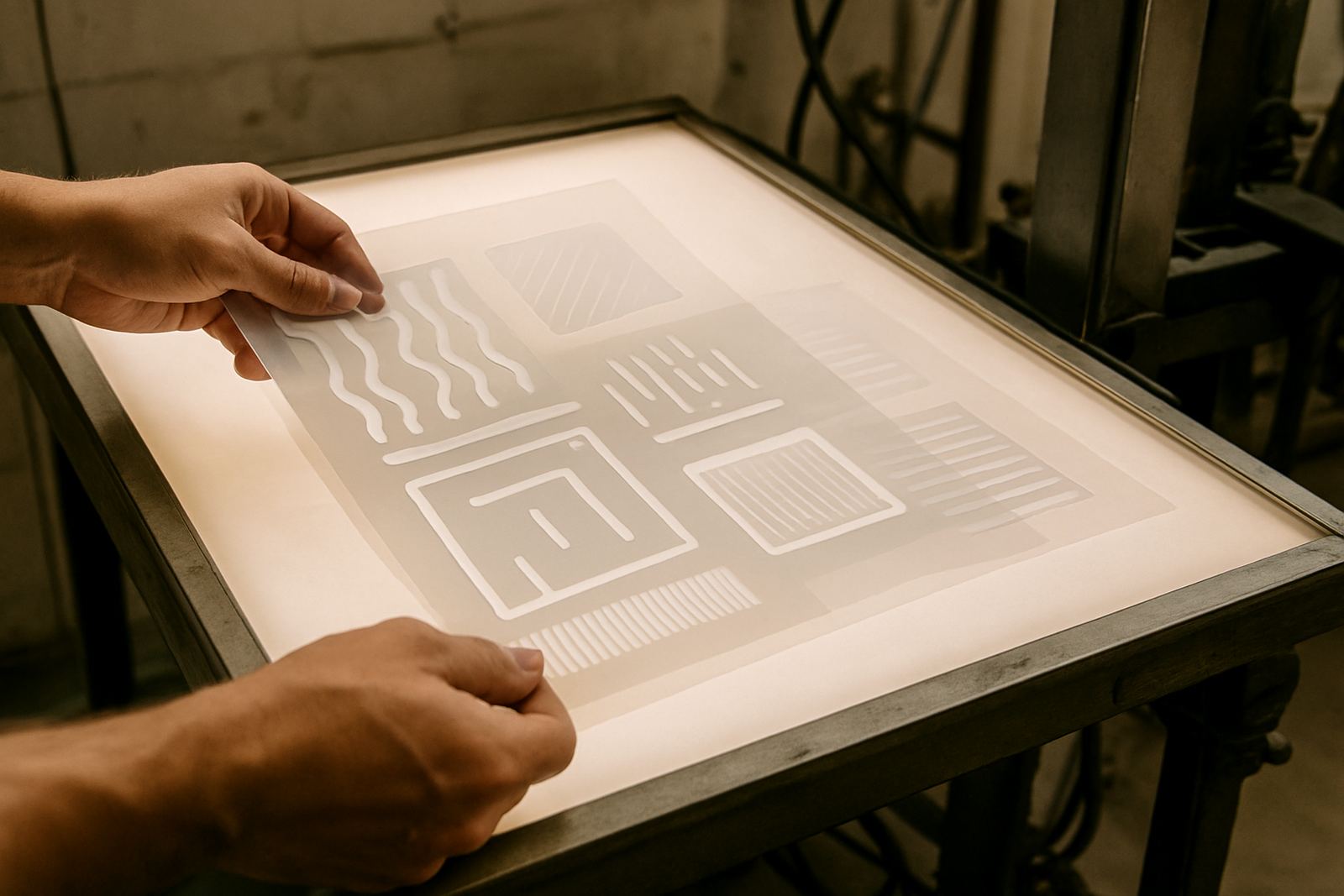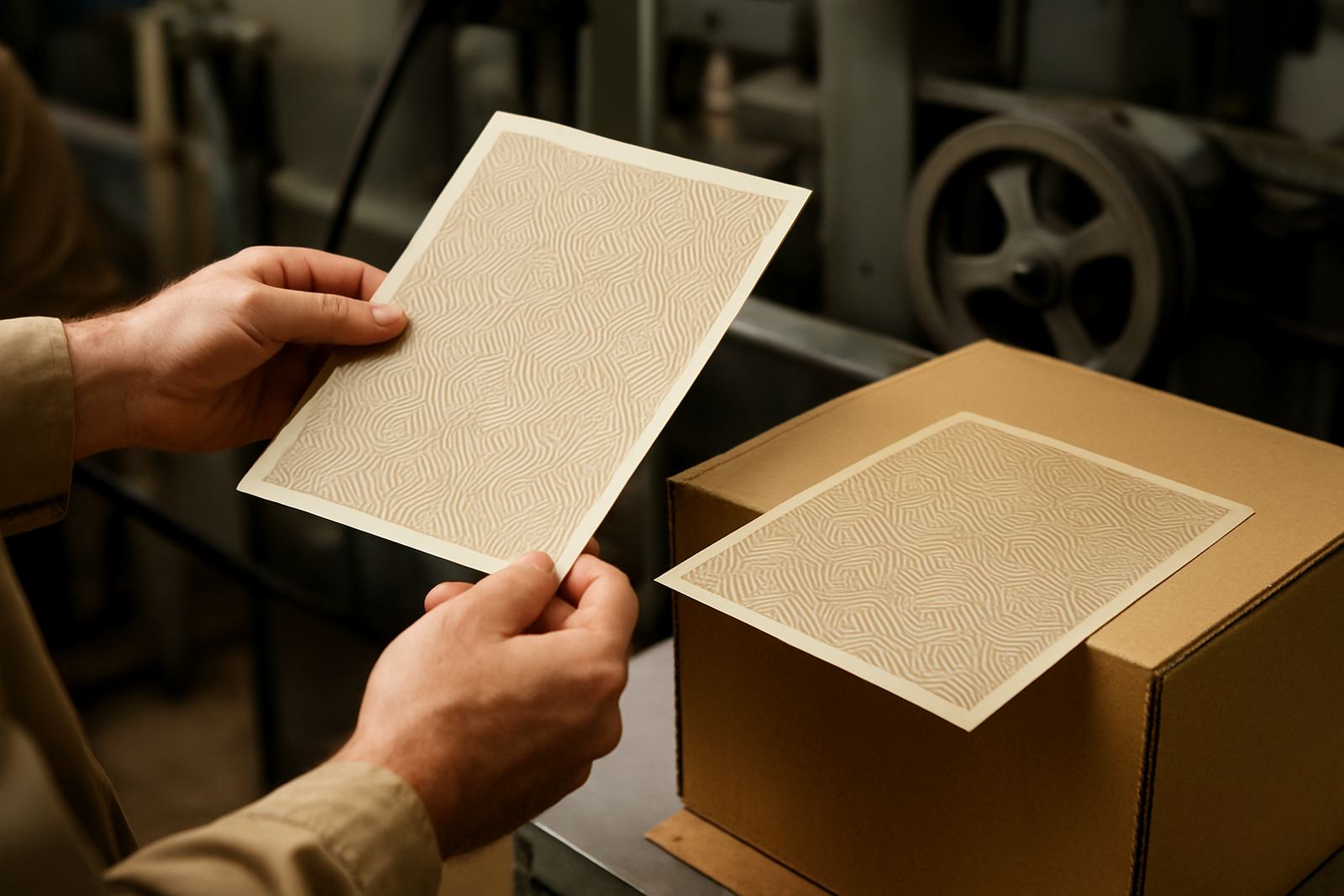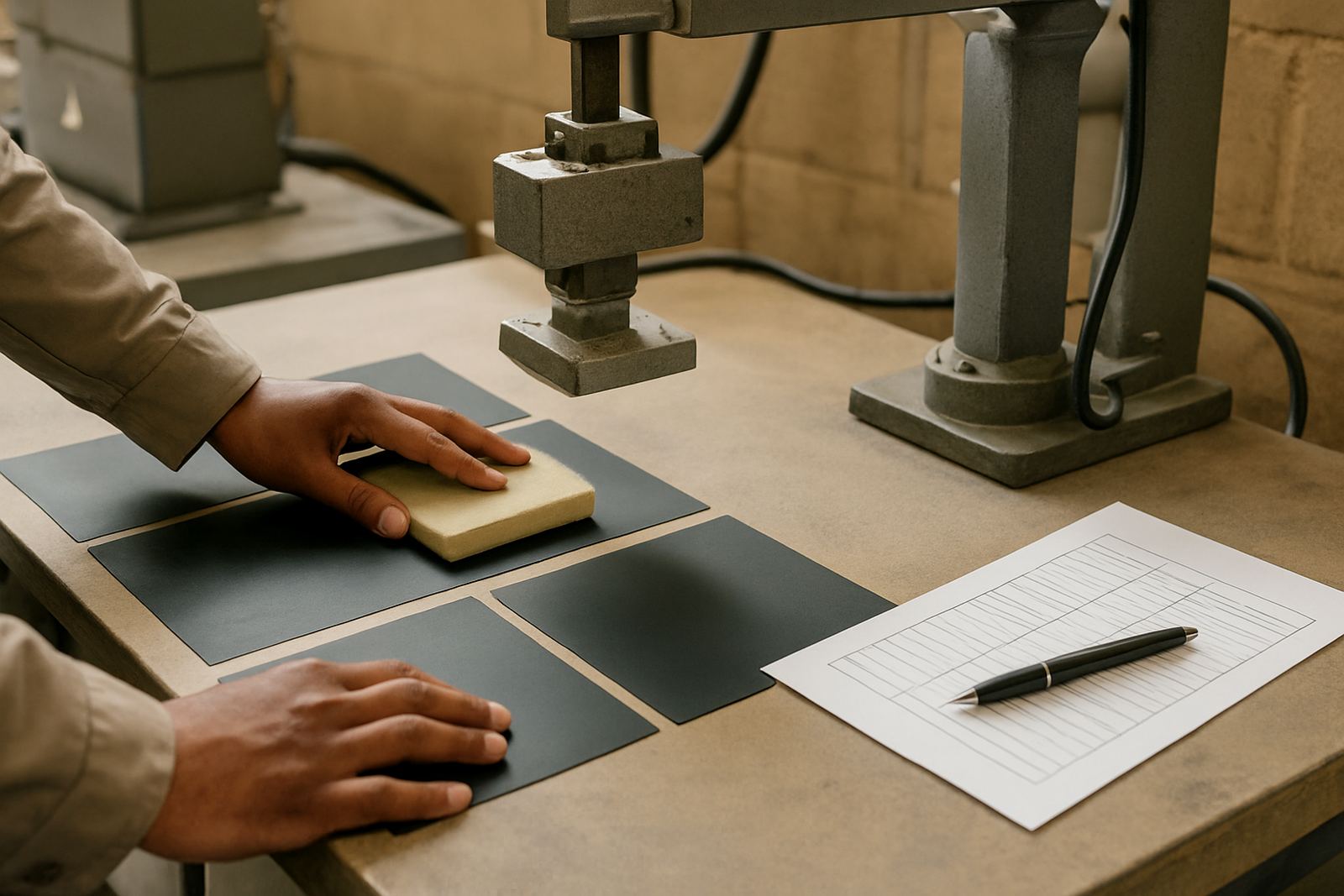
What Eraser Resistant Black does on pack
This ink is made for printed areas that carry batch codes, validation marks, trace lines or other control information on packaging. It is formulated to resist common erasing attempts so the mark remains visible after light abrasion, repeated handling and the sort of rubbing that happens in packing lines, dispatch areas and retail back rooms.
On paperboard, coated cartons and many label stocks, the finish stays dark and legible without turning grey too quickly. That matters where codes must be checked by hand or scanned at speed. It also helps reduce the risk of false overwriting on coded packagin zones, which is often where losses start.
- Suitable for overt coding and tamper evident markings
- Dark black finish for high contrast on light substrates
- Designed for packaging converters and pack-out lines
- Works well where a standard black mark is too easy to alter
Where it suits best in South African packaging
This product is commonly used on secondary and tertiary packaging, especially where items pass through humid Durban conditions, inland warehouses with dust, or cold room dispatch areas. It can be used on food contact outer packaging where the selected system and substrate are approved for the application, and it is also used on pharma, personal care, FMCG and export cartons.
It suits converters in Jacobs, Prospecton and Pinetown that need a reliable security layer without changing the full pack design. It is often requested for cartons that travel long distances, because the mark needs to stay intact from fill point to store shelf, and not soften after a day in a hot delivery vehicle.
- Cartons and sleeves
- Labels and tags
- Seal areas and tear strips
- Outer shippers and transit packs
Size options and supply format
Eraser Resistant Black is supplied in production-ready pack sizes to suit trial work and full line use. Typical supply is 1 litre, 5 litre and 20 litre containers, with custom volumes available for regular converters. Small trial quantities are useful for press checks and drawdowns, while larger packs suit steady monthly usage.
We can also help with colour matching where the black needs to sit within a specific pack design, or when the client wants a denser black for low-gloss boards. If the substrate changes from one carton grade to another, a trial batch is recommended before full run. This avoids waste and lets the team check laydown, drying and appearance on the actual line.
- 1 litre trial packs
- 5 litre production packs
- 20 litre bulk packs
- Custom volumes for repeat orders
Line set-up, drying and utility needs
The ink is intended for standard packaging print and coding environments. In most cases it can be introduced on conventional application equipment used by converters, with the final set-up depending on the line speed, substrate and drying method. No special gas supply is normally required. Power needs relate to the existing print or curing equipment already on site.
For Durban plants and inland sites alike, the important checks are airflow, dryer output and ambient humidity. On coastal shifts, slower drying may be needed if the plant is open to sea air. On some lines, a small change in temperature or dwell time is enough to improve set-off and reduce smudging. We usually check this during trial batch making and press startup support.
- Works with standard packaging application equipment
- No dedicated gas line required
- Drying profile depends on substrate and press speed
- Useful to confirm performance during startup
How to care for the print after application
Once applied, the ink should be allowed to dry fully before cartons are stacked or packed for dispatch. Stacking too early can mark the surface and reduce the clean black finish. Keep finished goods away from excess moisture, oil contamination and rough pallet wrap contact where possible. In humid months, allow a bit more drying time if the packhouse is near the coast or if the plant does not have controlled air movement.
Routine checks should include rub resistance, visual clarity and code legibility after the pack has been handled. If the black is used on a line that runs different board grades, keep sample retainers from each batch so later complaints can be traced back. Our batch retain library service supports this kind of record keeping, which is often needed when a customer asks for proof of supply months later.
- Let the print dry before stacking
- Avoid oil, water and heavy rub during cure
- Store finished packs in a dry area
- Keep retain samples for traceability
What to confirm before placing an order
Before ordering, confirm the substrate, intended use, required pack size and whether the black must work with other security features. If the mark needs to sit beside a tamper signal, barcode or QR area, that should be discussed at the start. It is also worth checking the required drying window, the line speed and any municipal or export marking rules that apply to the finished pack.
Please also tell us whether the ink will be used on coated or uncoated board, and if the pack will face heat, moisture or high rub during transit. A short trial can save a lot of rework. Our team in Jacobs supports converters nationwide, with deliveries arranged through our national logistics coordinator to major centres and regional pack houses.
- Substrate type and finish
- Required pack size and monthly usage
- Drying conditions and line speed
- Any matching security or coding needs
Key facts
| Product type | Durable black security ink for coded packaging zones |
|---|---|
| Primary use | Resists alteration, rubbing and attempted erasure |
| Common pack sizes | 1 litre, 5 litre, 20 litre |
| Suitable substrates | Cartons, sleeves, labels, tags and outer shippers |
| Utility needs | Uses existing print equipment, no dedicated gas supply |
| Supply area | Jacobs, Durban with deliveries nationwide |