What Reverse Print White does on film and laminate
Reverse Print White is used on the back side of transparent or clear packaging films, so the print sits behind the face layer and stays protected inside the pack structure. It is commonly used where a bright white background is needed under branding, ingredients, product codes or thermal indicator graphics. On many jobs, the goal is simple: keep the print hidden from scuffing while giving the front panel a strong, even white that helps the rest of the artwork stand out.
This ink is suited to packaging converters working with flexible films, laminated pouches and wrap structures where the outer surface may need to remain clear or glossy. It helps improve contrast on labels and packs, and can support temperature-sensitive layouts where colour blocks or warning areas need a white base to show clearly. In Durban and along the coast, the extra control over finish matters because humidity can affect drying and handling if the process is not set properly.
- Reverse-side print for film and laminate packs
- White base for stronger colour contrast
- Protects the print from direct handling and surface wear
- Suitable for packaging lines running small or repeat batches
Common pack formats and industry uses
This product suits converters making food packs, chilled goods sleeves, sachets, barrier pouches and other flexible pack formats where a white underlayer is needed. It is also used on laminated structures for consumer goods, industrial contents and tamper-conscious packs. If the pack needs to show a clean white zone under graphics or a clear visual cue for the end user, Reverse Print White is often part of the build.
It works well where product presentation and practical handling both matter. That includes items that move through retail shelves, cold storage, distribution in KwaZulu-Natal humidity, or long road freight to inland depots. For packs that must keep their look after stacking and transport, the ink needs to hold up against rubbing, folding and normal warehouse movement without chalking or lifting.
- Flexible food packaging and chilled product packs
- Laminated pouches and printed film structures
- Consumer packs that need a white backing layer
- Industrial packaging where clarity and handling matter
Sizes, options and production fit
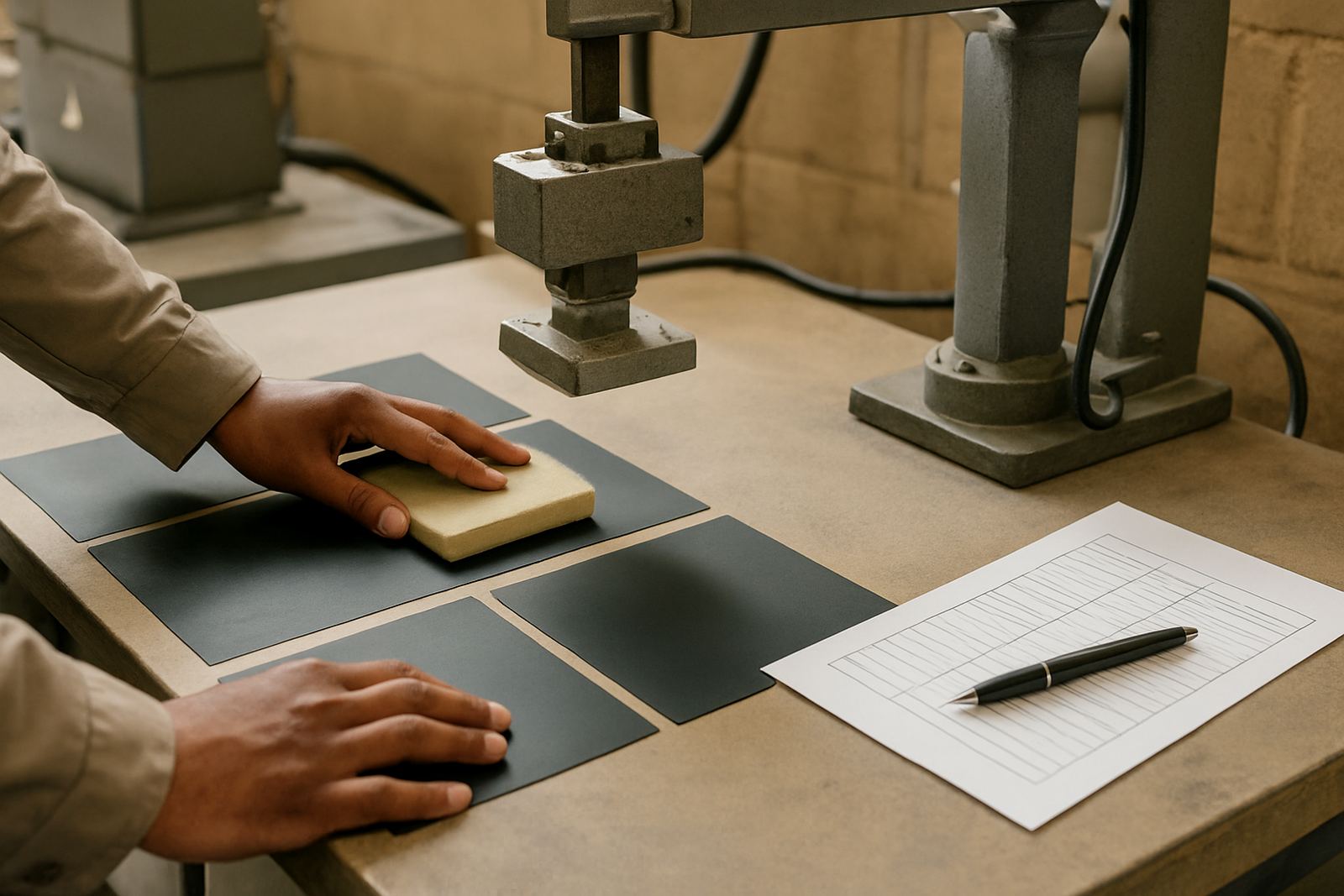
Reverse Print White is supplied for converter use in production quantities and trial runs. Options can be set up to suit the press, the substrate and the target line speed. Where a customer is doing a new pack development, we can start with drawdown panels and a trial batch to confirm opacity, drying and bond before moving into full production. For repeat work, batch retain records help keep colour and laydown consistent from one order to the next.
The exact setup depends on the pack structure, so we look at the film type, laminate layers and the expected print position. Some jobs need a heavier white coat for full block-out, while others only need a controlled white base beneath selective areas. If the line is already set for solvent or compatible systems, the ink can be matched to suit the process conditions and the plant's handling needs.
- Trial batch making for new pack development
- Production batches for repeat converter work
- Adjustable opacity to suit artwork and substrate
- Batch retain library for repeat orders and quality control
How it is installed on a press line
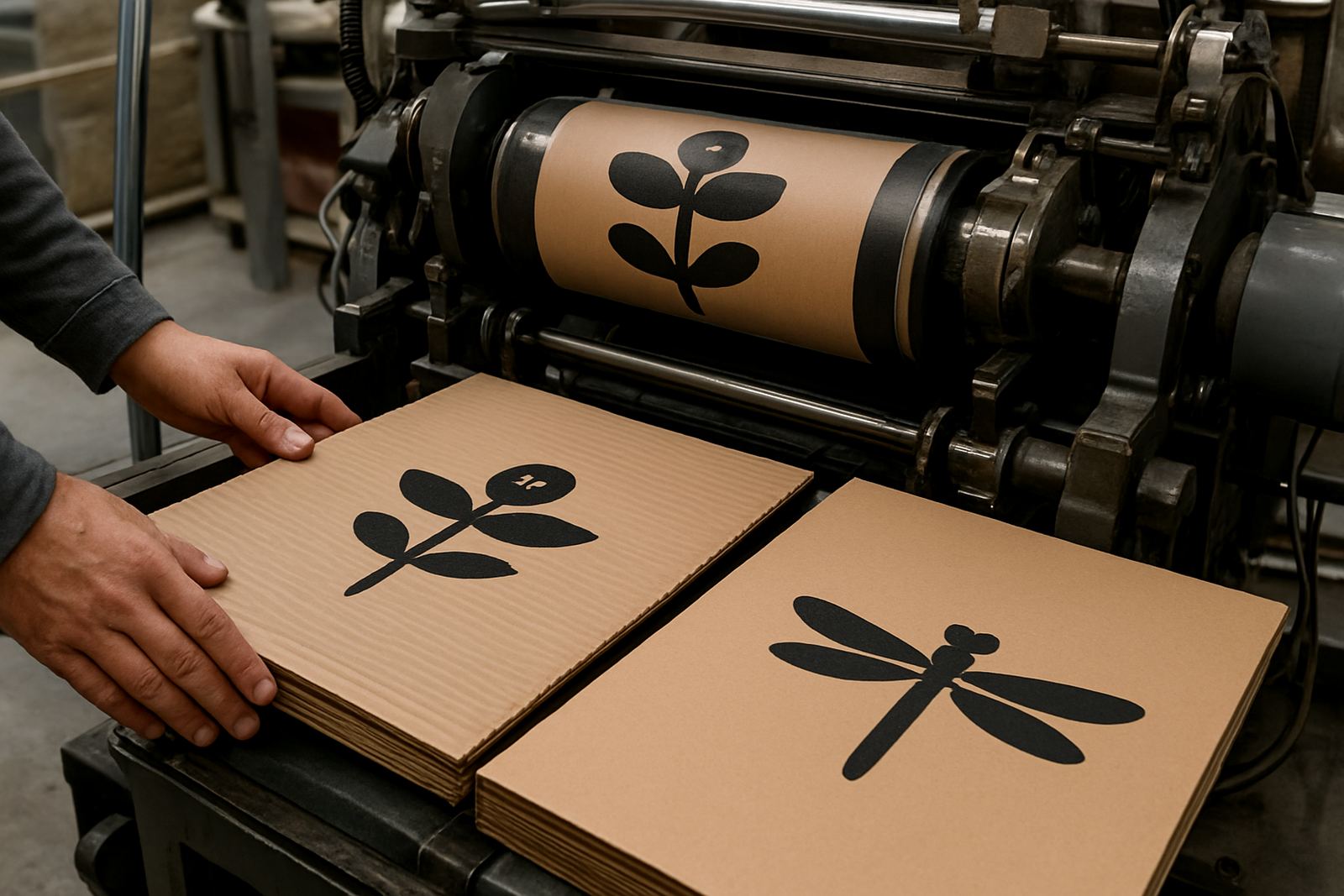
Reverse Print White is normally introduced through standard packaging print methods used for films and laminates. Before running live packs, the press team should check coating compatibility, plate or screen setup, ink transfer and curing or drying response. On site, we support press startup so the first sheets or metres show the correct laydown and there is less waste at the start of the run.
Power needs depend on the print line and drying setup. Where heaters, airflow, UV systems or other cure equipment are in use, the plant should confirm stable supply and allow for generator or load-shedding backup if the site is not protected. No gas requirement is normally part of the ink itself, but any curing or drying line may have its own plant needs. If the factory is in a coastal zone like Jacobs or Prospecton, it helps to manage air movement and storage temperatures because moisture can affect edge drying and stacking. A clean pressroom and correct viscosity control go a long way.
- Confirm coating compatibility before the live run
- Check drying or curing settings for the chosen press line
- Allow for stable power where heaters or UV units are used
- Keep the print area clean and dry during setup
Care, storage and servicing between runs
To keep Reverse Print White performing properly, drums or containers should be sealed after use and stored away from heat, direct sun and standing moisture. In Durban summer conditions, the pack room can pick up damp air quickly, so storage off the floor and away from open doors is a practical safeguard. If the ink is left open or mixed with the wrong carrier, it can thicken or separate, which then affects laydown on the next run.
Servicing is mostly about routine checks. The team should watch for build-up on rollers, uneven transfer, blocked lines and any sign that the film surface has changed between batches. Rub resistance checks and adhesion tests are useful if the customer is packing goods that will be handled a lot or moved through long distribution routes. We also keep an eye on threshold tuning where the visual white point has to stay within a narrow range for brand approval.
- Seal containers tightly after use
- Store in a dry, shaded area off the floor
- Run adhesion and rub checks on longer production runs
- Keep batch records for repeat jobs and seasonal changes
What to check before you order
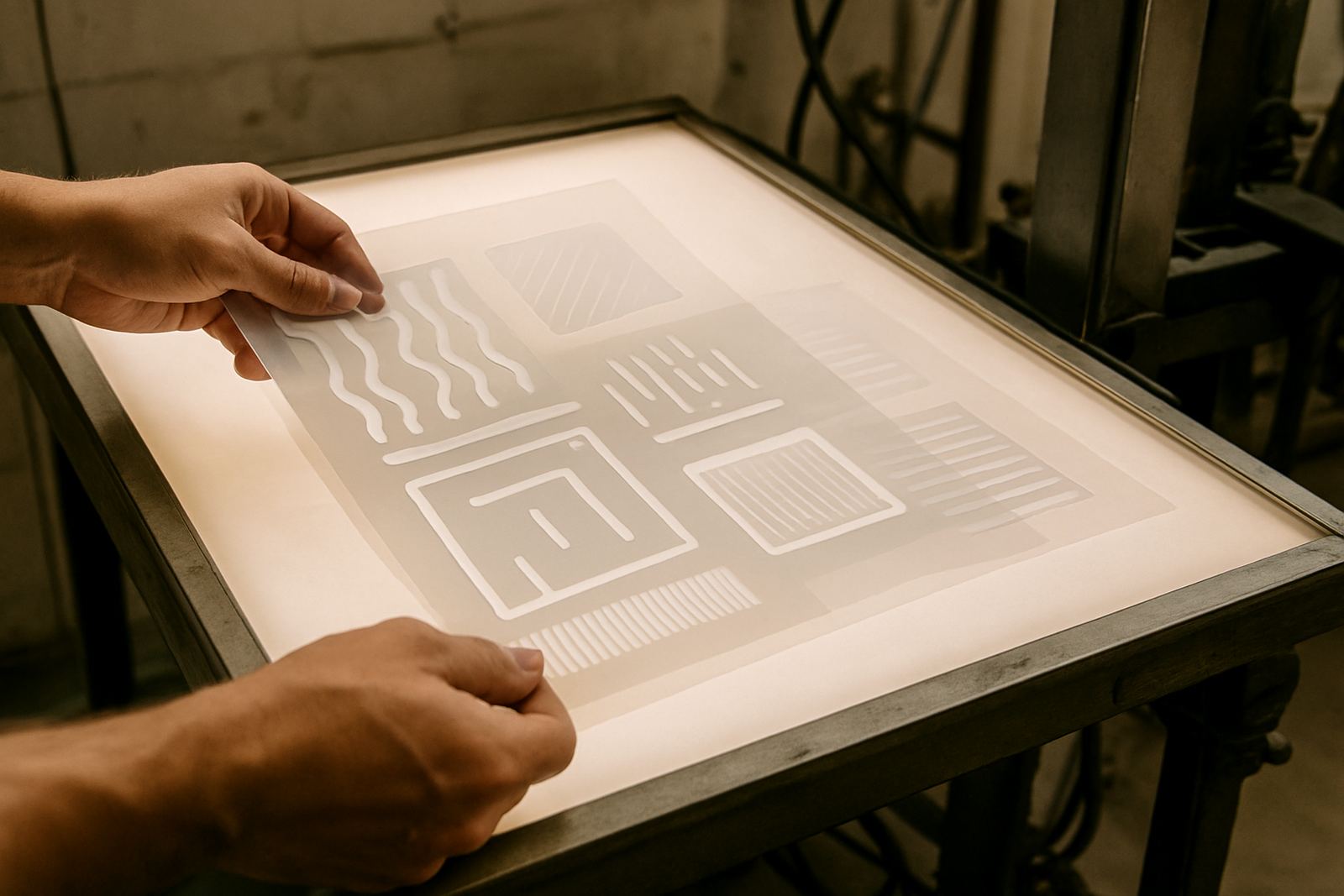
Before placing an order, it helps to know the film type, laminate structure, print method and the final pack size. You should also confirm whether the white is going under full coverage artwork or only in selected zones. That information affects opacity, drying behaviour and the amount of ink needed per job. If the packaging must stay clear in some areas and fully white in others, we can advise on pattern layout and trial batch sizing.
Please check the following before you submit the enquiry form on our contact page:
- Substrate type and whether it is film, laminate or a coated structure
- Pack size, artwork coverage and target opacity
- Press method and drying or curing setup on site
- Expected line speed, batch size and repeat order needs
- Storage conditions at the plant, especially where humidity is high
- Any compliance or customer specification tied to pack appearance or handling
ThermoInk supplies from Jacobs in Durban and delivers to packaging converters nationwide, including Pinetown, Prospecton, Cape Town, Gqeberha, Johannesburg and Pretoria. If you need support on a first run or a repeated order, the team can help with drawdowns, production troubleshooting and press startup support so the job settles properly from the start.
Why converters choose this white
Converters use Reverse Print White when they need a practical white that fits the structure of the pack, not just a bright patch on top of it. It is suited to jobs where handling, shelf presentation and repeatability matter. For product lines that move through South African factories, depots and retail shelves, a controlled white base can save time on rework and help the finished pack stay tidy after transport.
Our Durban base is set up for production support, colour matching and compatibility checks, so the product is backed by practical input instead of guesswork. If your team is working on a new laminate, adjusting a threshold, or checking a rub issue after a line change, we can work through it in stages and keep the pack specification clear.
Key facts
| Product type | White packaging ink for reverse-print applications |
|---|---|
| Best suited to | Films, laminated structures and flexible packaging |
| Key function | Opaque white backing with protected reverse-side print |
| Typical use | Food packs, chilled goods, consumer packs and industrial pouches |
| Support available | Trial batch making, press startup support, adhesion tests and rub resistance checks |
| Supply area | Jacobs, Durban with deliveries nationwide across South Africa |