A black flexo ink built for packaging lines
Waterbased Flexo Black is made for packaging work where black needs to print sharply and stay readable through converting, filling and transport. It suits text panels, bar code backers, date code windows, warnings, handling notes and solid blacks on outer and inner packs. On the press it is generally run as a ready-to-use waterbased system with viscosity adjustment as needed, so operators can keep colour strength steady through the shift.
For converters in Durban and along the coast, the waterbased route helps with day to day housekeeping because it avoids the strong solvent smell that can build up in enclosed print rooms. It also works well where load-shedding planning matters, because many plants want an ink that can restart cleanly after a stop if the anilox, chamber and pumps are kept in order.
This black is usually selected when the brief calls for a practical print result rather than a decorative effect. It is the kind of ink that needs to look even on the pack, hold up in handling, and not give trouble on the machine.
Where it suits best on South African packaging
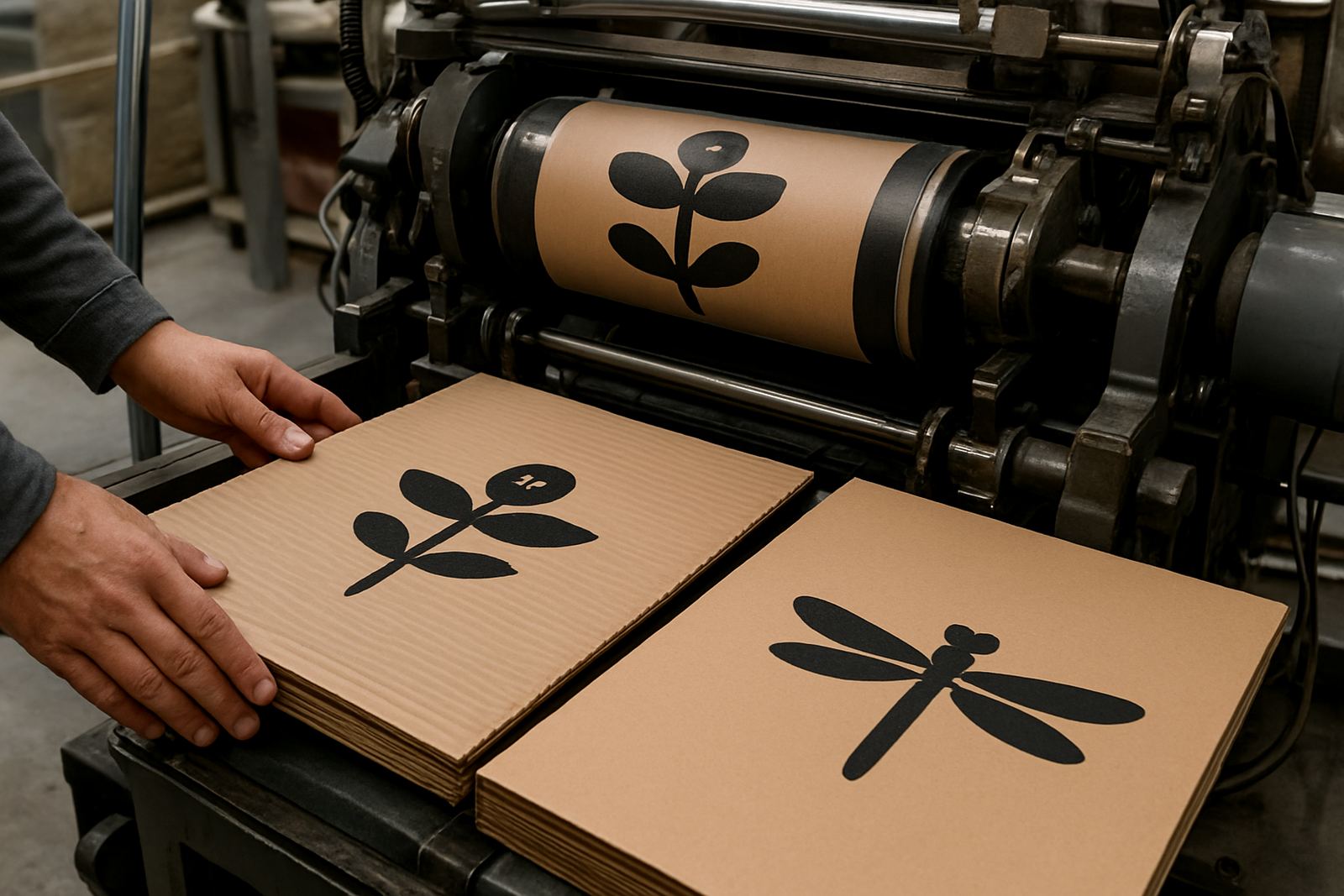
This product is commonly used on cartons, labels, sleeves, paper wraps, sacks and other packaging where black must stay legible under retail lighting and in distribution. It suits food pack outer wraps, industrial labels, shipping packs and general consumer packaging where the black area is part of the design or a coding zone.
It can be considered for many paper and board applications, and for some treated or coated films where the surface energy and drying profile are in range. Our technical team checks adhesion, rub resistance and drying before recommending it for production. That matters because a pack that looks fine on the table can behave differently once it runs at speed, gets stacked, or faces coastal humidity in Durban, Richards Bay or Gqeberha.
If your plant handles repeat orders for the same customer, the black can be set up for consistent reprints using retained drawdowns and agreed production targets. That helps with matching when the same artwork comes back months later with only minor changes.
Print setup, drying and line requirements
As a waterbased flexo ink, this product depends on good press setup more than on force. Correct anilox selection, doctoring, press speed and drying are all part of the result. In many plants the main dry source is heated air, with the exact arrangement depending on the machine and the substrate. Some lines also use additional air movement or IR support, but the critical point is to remove moisture at a rate that keeps the black sharp without overworking the web.
There is no gas requirement from the ink itself. Power needs come from the press and the drying system, so the practical requirement is usually stable electrical supply for pumps, fans and heaters. Where load-shedding affects production, operators should plan for start-up checks after any stop because waterbased systems can thicken in the tray or chamber if left standing too long.
For best results, we recommend trialing on the actual substrate and press speed before full production. Press startup support is available through our team, including Shaun October and Lindokuhle Dlamini, so the set-up can be checked against the real job rather than only on a sample sheet.
Ordering options and pack sizes
ThermoInk supplies Waterbased Flexo Black in practical pack sizes for converters and trial work. Typical options include sample quantities for press testing, medium production packs for short runs and bulk supply for higher volume lines. The right choice depends on your coverage, press width, changeover rate and whether the job is a one-off or a standing order.
When ordering, it helps to tell us the substrate, the press type, the target shade of black and the end use of the pack. A solid black on a corrugated outer is not the same as a fine text black on a coated label face. If the job has security or authenticity needs, Pieter van Wyk can advise on whether a combined print strategy makes sense, including security pattern design alongside the black print areas.
We supply from Jacobs in Durban and deliver to packaging converters nationwide, including Pinetown, Prospecton, Cape Town, Gqeberha, Johannesburg and Pretoria. Jason Pillay handles logistics so repeat deliveries can be scheduled around your production calendar and not just sent at random.
Care, servicing and day to day control
Waterbased flexo black performs best when the pressroom keeps a steady routine. The anilox should be cleaned correctly, the chamber or tray should not be left to skin over, and the ink should be protected from dirt and stray water. If the job pauses for lunch or changeover, cover the ink and check viscosity again before restart. In humid weather, especially on the coast, the drying balance may change through the day, so one setting in the morning may need a small adjustment later.
Rub resistance checks are useful for black areas that will be stacked, folded or handled a lot. If the pack is exposed to chillers, condensation or rough transport, ask for a test before approval. Our team can run adhesion tests, threshold tuning and coating compatibility checks where needed, and we can keep drawdown panels and batch retains for future reference.
Maintenance is not only about the ink itself. It also includes your press condition, dryer condition and the operator's cleaning routine. A good black on the first run should still look like the same black on the tenth run, and that is usually a sign that the whole system is under control.
What to confirm before you place the order
Before ordering Waterbased Flexo Black, check the substrate, press speed, drying capacity and the print area that must stay sharp. If the black is being used under a barcode or as a coding background, the tolerance for dot gain and blocking may be tighter than for a full flood panel. It is also worth confirming whether the customer expects a deep black finish or only a functional black for text and marks.
Please also note any municipal or site rules that affect storage, ventilation or waste handling. Some converters need a tidy ink room because of shared premises, visitor access or internal safety rules, and the ink supply should fit that plan. If you are unsure, our production team can talk through the practical points before the order is released.
For a clean quote or product match, tell us the pack type, substrate, quantity, desired pack size, whether the job is new or a repeat and if you need trial batch making. That lets us advise properly, rather than guessing from a label name alone.
Key facts
| Product type | Black waterbased flexo ink for packaging |
|---|---|
| Primary use | Text, coding zones, reverse panels and solid black areas |
| Substrate range | Paper, board and selected treated or coated films |
| Drying | Heated air on press, with drying tuned to line speed |
| Pack options | Sample, medium production and bulk supply |
| Support | Colour matching, adhesion tests, rub checks and press startup support |