What IR Readable Black does on pack
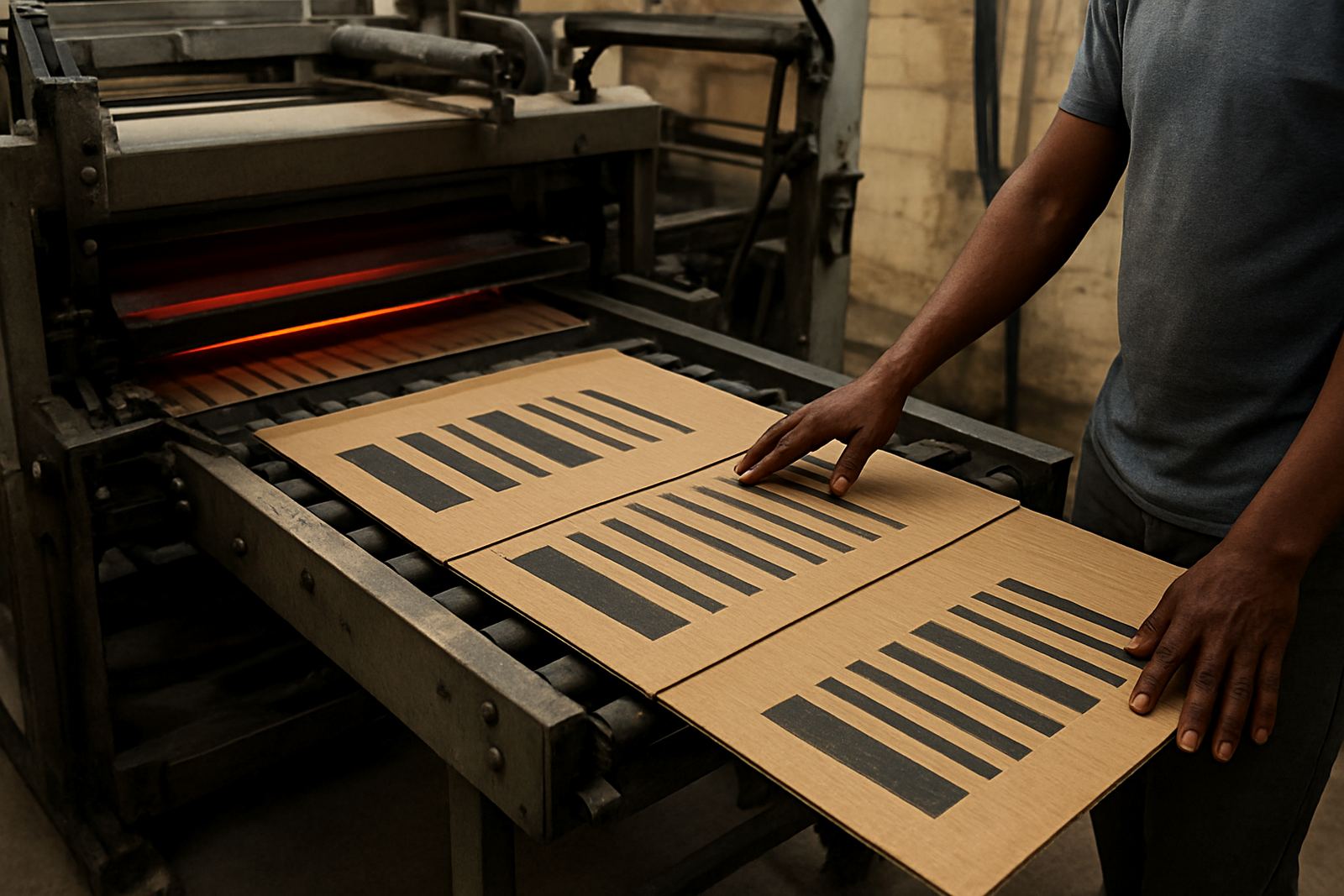
IR Readable Black is a specialist security ink formulated for packaging that must be read by infrared-based verification systems. On the eye it appears as a normal black, but under the right reader setup it gives a coded response that helps identify genuine packs, spot changes, and support controlled release on the line. That makes it useful where product movement is high and checking every carton by hand would slow production.
The ink is suited to printed outer packs, labels, sleeves and selected insert materials where a clear black mark is needed without losing machine readability. It is often used on packs for temperature-sensitive goods, contract packed items, high-value lines and controlled distribution runs. In Durban humidity or inland winter dryness, the key is getting the right substrate and curing window, because an ink that looks fine on day one can still fail a reader if the surface prep is poor.
- Machine-readable for coded verification systems
- Black appearance for normal pack presentation
- Useful for authentication, batch control and line checks
- Suitable for packaging converters working to tight turnarounds
Pack sizes, formats and line options
We supply IR Readable Black in production-ready formats for packaging converters, trial work and repeat supply. The exact size depends on your press speed, coverage area and whether you are running short trial lots or longer production batches. Smaller packs suit development runs and sample approval, while larger packs are better for continuous use on high-volume packaging lines. If you are changing artwork often, it is worth keeping a retained sample from each approved lot so your next run starts from the same reference point.
Common options include test quantities for drawdowns, mid-size working packs for pressroom trials, and bulk supply for scheduled production. We can also supply matched trial batches where the goal is to confirm readability, adhesion and resistance before full-scale printing. For converters in Jacobs, Pinetown or Prospecton, this helps reduce press stoppages and avoids wasting board or film during setup.
- Trial packs for lab checks and approval work
- Working packs for standard production runs
- Bulk supply for repeat packaging schedules
- Retain samples available for batch comparison
Where the ink suits best
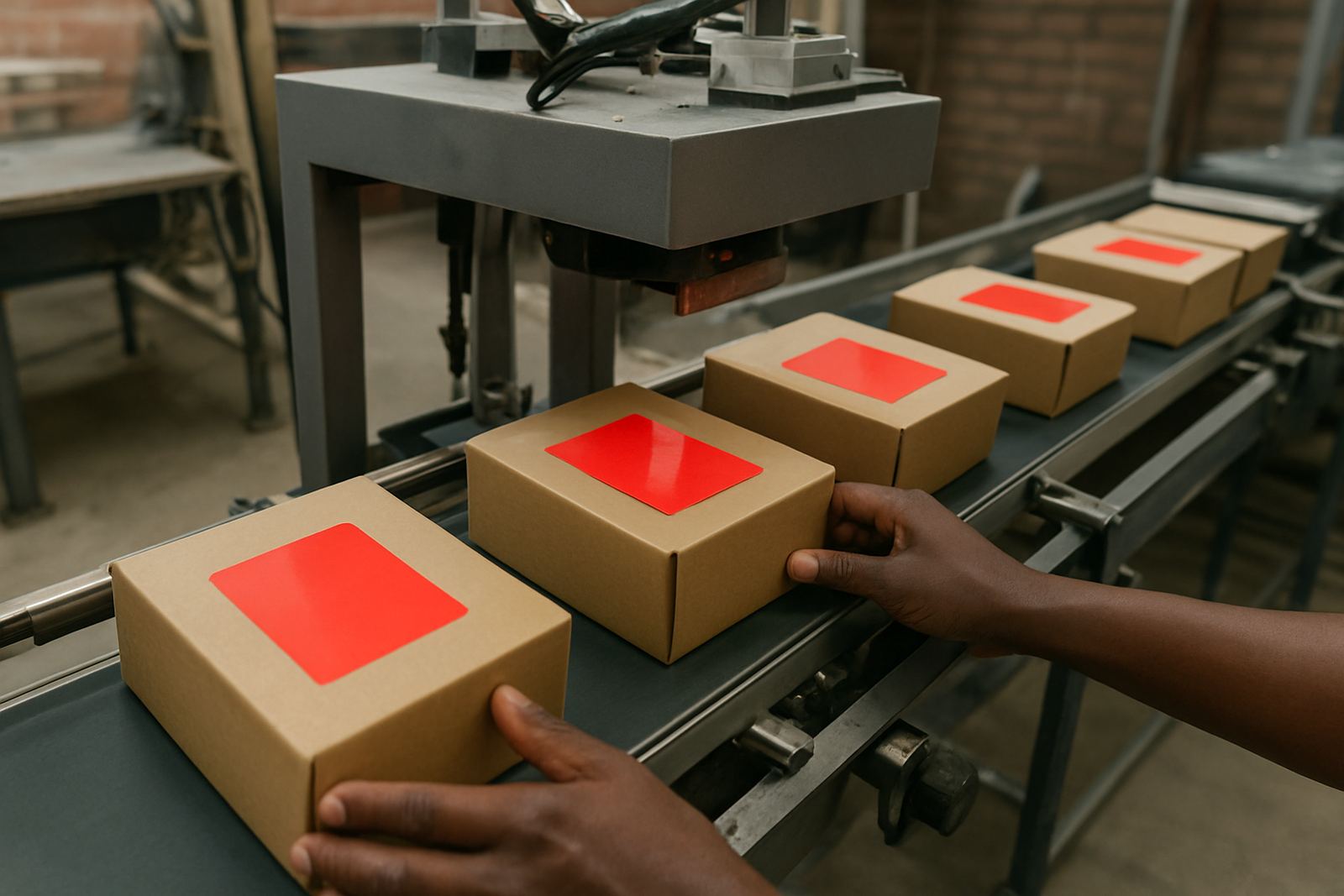
This product suits packaging environments where authenticity, traceability and coded reading matter more than decoration alone. It is commonly used on cartons, labels, tamper-evident sleeves, folded board, select plastics and coated packaging surfaces, subject to compatibility testing. If your pack moves through cold rooms, coastal storage or long-distance distribution, the printed mark must stay readable after handling, stacking and transport.
IR Readable Black is a practical fit for food, health, personal care, chemical and controlled goods packaging, as well as any line that uses scanning or reader-based verification. It is not a one-size-fits-all product. The same ink can behave differently on uncoated kraft, gloss board and film, so we always recommend a quick compatibility check before full production. That step is quicker than sorting out a rejected batch later, which usually cost more than the trial.
- Cartons and folding board
- Labels and security sleeves
- Selected plastic and coated substrates
- Lines needing authentication or coded verification
Setup needs on the press floor
IR Readable Black is applied through standard packaging print or coating equipment suited to the chosen substrate and laydown. In most cases you do not need special power or gas infrastructure for the ink itself, but you do need stable press conditions, correct drying or curing support where applicable, and a clean ink handling area. If your site runs on backup power during load-shedding, confirm that the press, pumps and any drying units recover to the same settings every time, because the reader result can drift when the line speed changes.
For best results, the application station should be set up for controlled deposit thickness, and the line team should check first-off readings before releasing bulk production. If you are running in a coastal plant, keep moisture, dust and open containers under control. Excess humidity can affect drying and the feel of the print, while too much heat can change how the code reads. A short startup check is usually enough, but it must be done every time, not only when there is a problem.
- Standard packaging print or coating application
- No special gas supply required for the ink
- Stable line speed and consistent laydown help readability
- Backup power should maintain the same operating settings
Care, storage and servicing between runs
Store sealed packs in a cool, dry place away from direct sun and high heat. Keep lids closed when not in use and avoid returning contaminated ink to the main container. If the product sits open in a warm room, its working behaviour can change and the next batch may not match the earlier one. On busy packaging floors, that sort of drift is usually picked up only after a reel has already been printed, so basic handling matters.
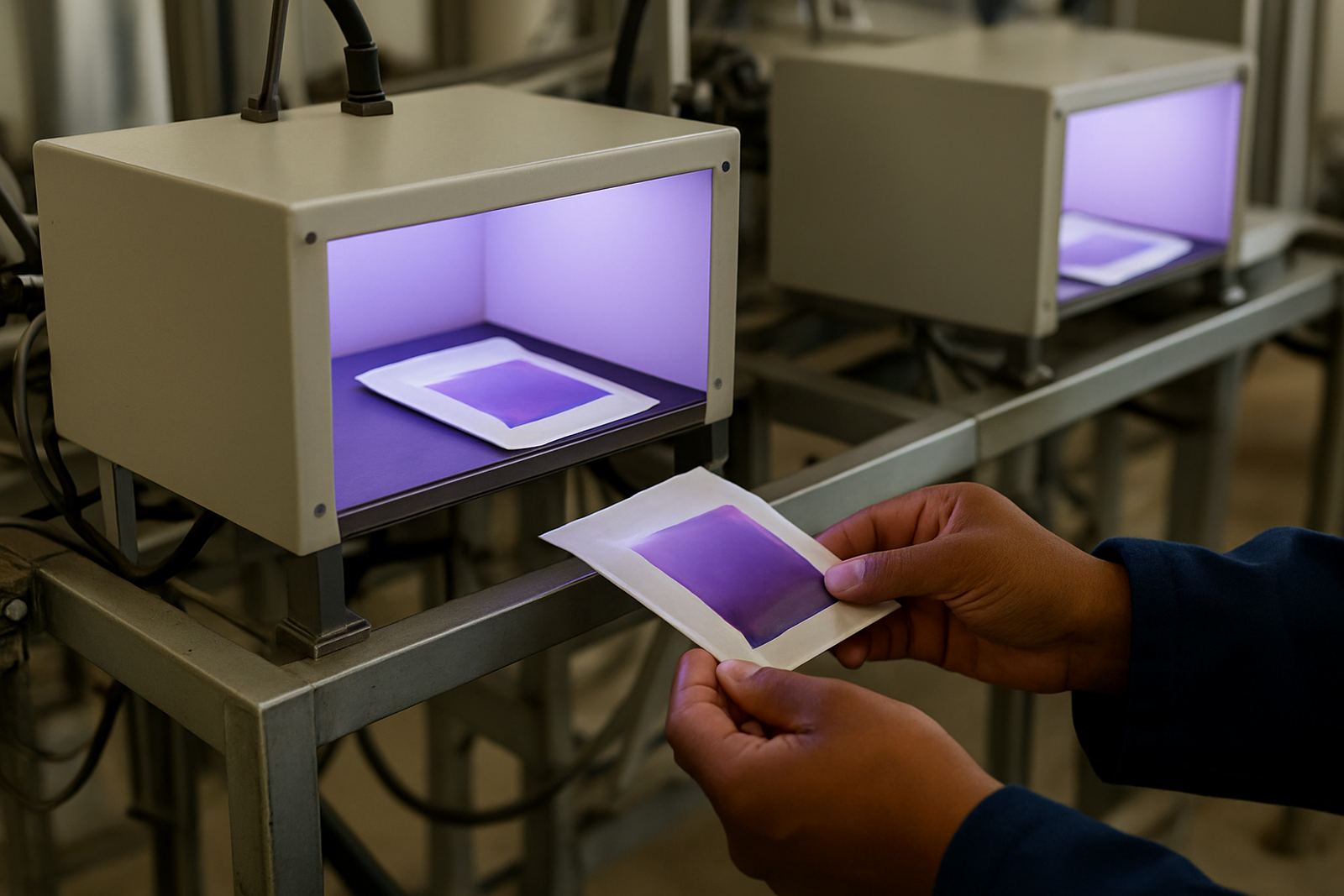
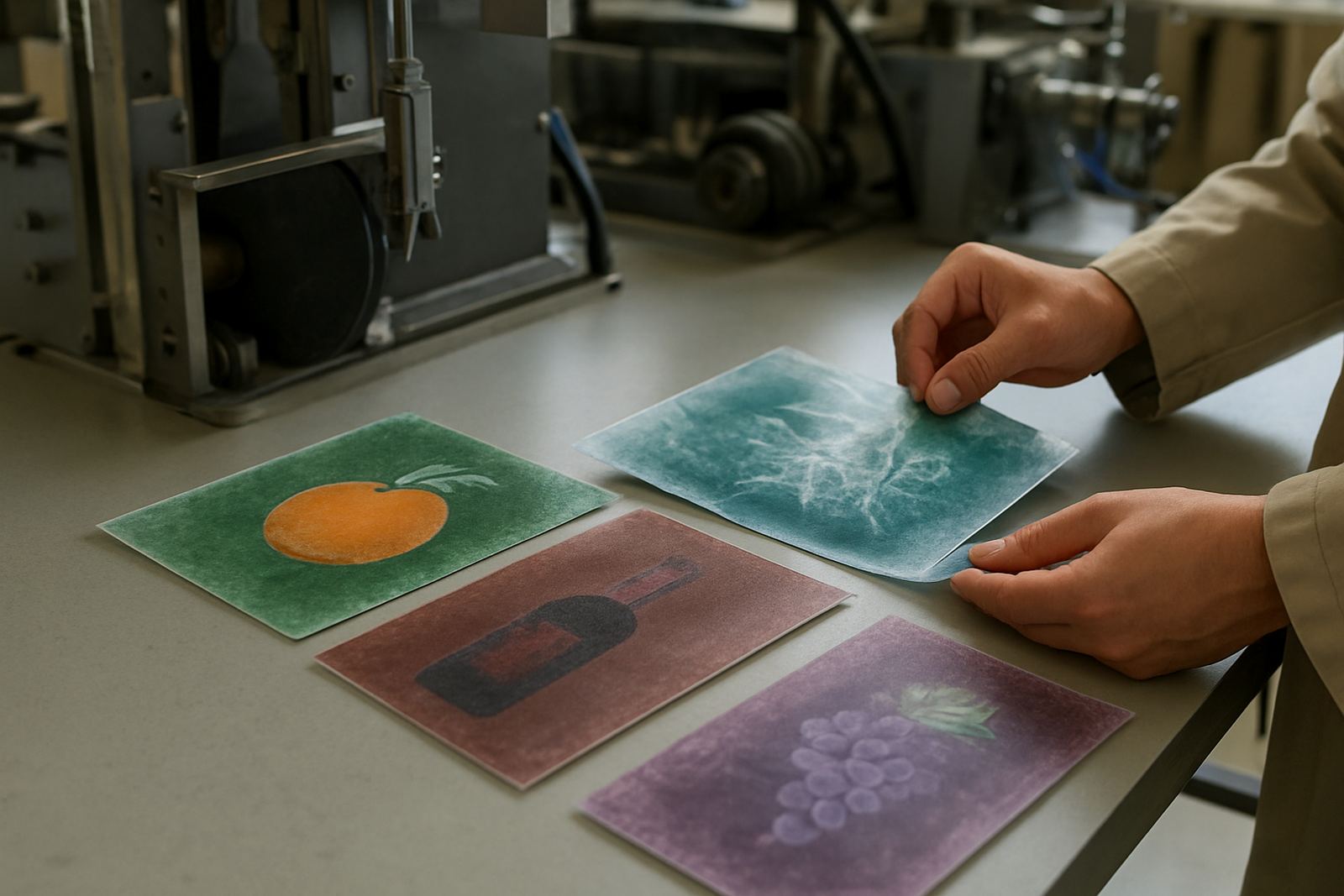
We can support routine checks through colour matching, threshold tuning, adhesion tests, rub resistance checks and UV verification setups where your process needs them. If a line starts missing reads, the issue may be the substrate, the ink laydown, the reader settings or a change in surface treatment. Our team can help with drawdown panels, trial batch making and press startup support, then hold a batch retain library for comparison later. That makes it easier to see whether a fault is new or tied to an older approval.
- Keep containers sealed and off hot floors
- Do not mix returns back into fresh stock
- Use retain samples for future comparisons
- Check reader settings if scan results change
What to confirm before you order
When ordering IR Readable Black, start with the pack material, the print method and the exact verification system you are using. We need to know whether you are printing on board, film, labels or sleeves, and whether the line checks happen by eye, scanner or infrared reader. If the pack will go into cold chain, humid storage or long-haul transport, say so up front because that affects the test plan and the compatibility checks.
You should also confirm the expected coverage, batch size, target press speed and whether you need security pattern design alongside the ink. If your operation uses multiple sites, we can plan supply through Jacobs, Durban South, Pinetown, Prospecton, Cape Town, Gqeberha, Johannesburg or Pretoria so stock reaches the right converter without delay. For repeat work, keep the approved sample, the reader setting and the substrate details together. It saves time when a new run comes in and the production team needs to match the previous result without guesswork.
- Substrate type and surface treatment
- Print method and expected coverage
- Reader or verification system details
- Required batch size and delivery location