What Scratch Reveal Silver is used for
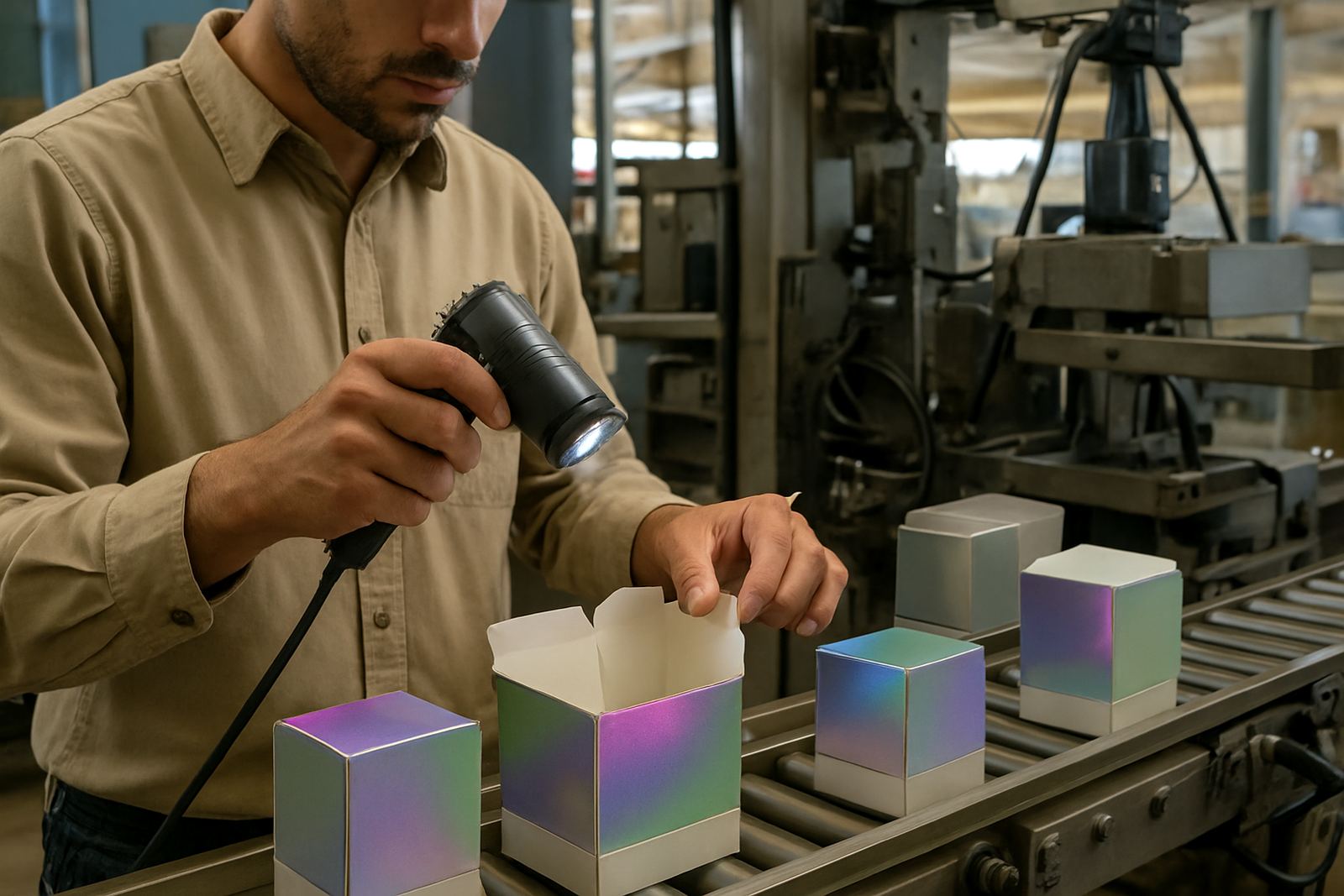
Scratch Reveal Silver is a silver overprint coating that hides printed content until the user scratches through it. It is commonly used for promotional codes, prize reveals, verification panels, expiry checks and sealed instructions on cartons, sleeves and insert cards. In packaging work, the value is simple: the customer sees a neat silver field first, then the hidden message appears only when required.
The coating is made for converters that need controlled reveal performance on paperboard, coated board, some film laminates and selected label stocks. It is useful for campaigns where the pack must carry variable data, a one-time check surface or a hidden instruction that should not show through in store lighting. On shelf, the finish is clean and metallic. After scratching, the revealed copy must stay readable, which is why the ink system and the substrate have to be matched properly.
Because South African packaging runs face heat, dust and frequent handling, the coating must hold up during transport and distribution from Durban, Johannesburg or Cape Town, then still scratch cleanly at the point of use. That is where testing matters, especially on jobs with heavy board, cold chain sleeves or packs that may sit in humid coastal conditions for a few weeks.
Sizes, formats and finish options
Scratch Reveal Silver is supplied for production use in several working formats, depending on press setup and the finished pack. Typical options include trial quantities for sampling, mid-size production batches and larger repeat-order volumes for converters handling regular campaigns. The coating can be set up for screen application, flexographic application or other compatible coating lines, subject to the substrate and line speed.
The finish can be tuned for different levels of opacity and scratch effort. Some jobs need a softer reveal for consumer promotions, while others need firmer scratch resistance for security use or longer shelf life. If a pack will be rubbed during transit, stacked in warm depots or passed through distribution in humid Durban conditions, a higher resistance setting may be better. If the job is a short campaign with quick use, a lighter reveal can be more practical.
Colour matching and threshold tuning are useful when the silver layer must sit well with existing brand colours or underprints. For converters, this is often where the difference lies between a panel that looks neat and one that feels either too tacky or too brittle. Small pilot runs are worth doing before the main batch, especialy when the substrate has a high slip finish or a low surface energy.
- Available in trial batch, standard production and repeat-order supply formats
- Can be matched to the substrate and reveal force needed for the application
- Suitable for variable-data and fixed-copy scratch panels
Where it suits best in packaging work
This product suits packaging converters, promotional printers and security-minded pack owners working across food, beverage, cosmetics, pharma support packs, loyalty campaigns and regulated consumer promotions. It is often chosen where a simple printed surface is not enough and the pack needs a controlled reveal step. The silver topcoat also works well where the hidden area must not be visible through the pack under strong light.
For South African distribution, it is a practical choice for packs that move from Jacobs to inland depots, from Gqeberha to retail nodes, or from Pretoria into high-traffic campaign runs. If the pack will face municipal waste separation rules, retail handling or stock take controls, a scratch-off layer can help reduce tampering and improve traceability. It is not a substitute for full security print where that is required, but it adds a useful layer on top of existing pack decoration.
- Promo packs needing one-time reveal codes or entry panels
- Authentication labels and carton seals for controlled access
- Instruction panels where the message must stay hidden until use
How it runs on press and what power or gas is needed
Installation is straightforward in a converter environment once the substrate and cure plan are confirmed. The coating can be applied on suitable coating or print lines with the correct drying or curing setup. Most installations do not need special site gas lines, but they do require the right press conditions, clean handling and stable environmental control. If your line uses heat drying, the oven profile must be set to avoid overbaking the coating or disturbing the release layer.
Power needs depend on the application method and the drying equipment on site. A standard industrial press setup with consistent electrical supply is usually enough, but load-shedding planning matters in South Africa. If the line loses power mid-run, the batch should be protected from contamination and the restart checked before production continues. For high humidity sites near the coast, extra attention should be paid to drying time and storage after coating.
Gas is only required if your curing system uses it. Where gas-fired drying is in place, check that the temperature remains steady through the run, because uneven heat can affect opacity and the scratch behaviour. Press startup support is often valuable on the first run, especially when the pack has tight registration or the silver panel must align with small copy blocks.
- Check substrate surface energy before the first production run
- Allow proper drying or curing before stacking, cutting or lamination
- Keep the production area clean to avoid dust on the silver face
Care, storage and in-line servicing
Finished packs should be stored in a dry, cool area away from direct sun and excessive pressure. If the coating is pressed too hard before full cure, the reveal layer can mark or scuff. For cartons moving through coastal routes, keep stock wrapped and avoid wet warehouse floors. The product itself should be stored according to the agreed handling window, with drums or containers sealed properly when not in use.
On live production lines, care is mostly about consistency. Keep an eye on viscosity, flow, drying rate and scratch response throughout the batch. If the panel starts to feel too soft or too hard, the issue is often tied to coating weight, cure condition or substrate variation. A batch retain library helps when a customer asks for a re-run six months later and wants the same reveal feel and silver shade.
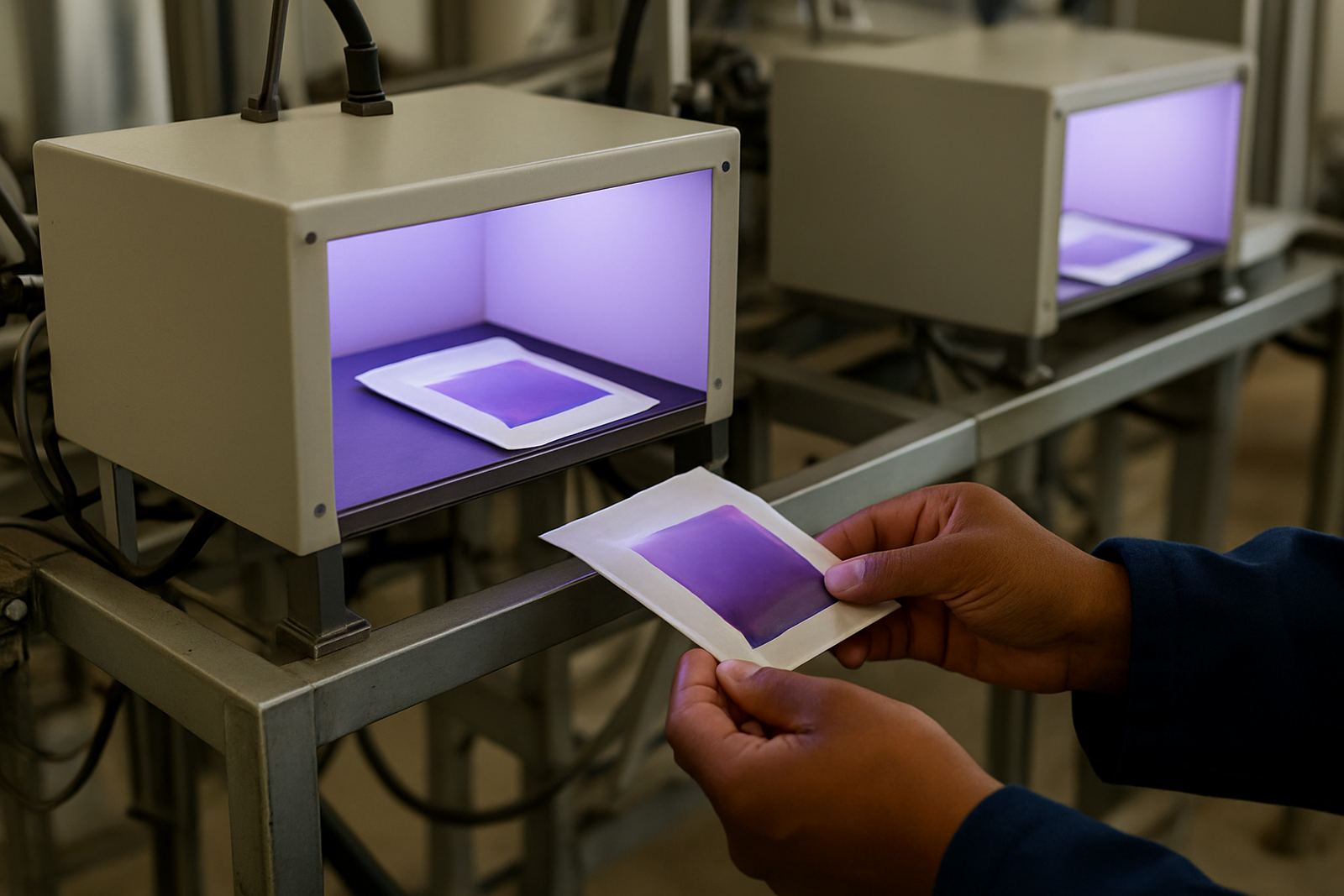
Where there is ongoing work, production troubleshooting can cover adhesion tests, rub resistance checks and UV verification setups. If a pack shows poor release or uneven hiding, a quick drawdown panel can usually show whether the issue sits in the coat weight, the substrate or the drying profile. That kind of check saves a lot of waste, and keeps the job moving.
- Store sealed and out of direct heat or moisture
- Protect finished packs from early scratching or crushing
- Use retain samples for repeat orders and quality checks
What to confirm before placing an order
Before ordering Scratch Reveal Silver, confirm the substrate, the print process and the final use of the panel. A coating that works well on one board or laminate may not behave the same on another. It helps to know whether the panel is for a short promotion, a tamper-evident seal or a longer shelf-life application. The more detail provided at the start, the fewer surprises during production.
You should also confirm the reveal method, the size of the hidden area and whether the panel must pass a rub test, a UV check or a customer handling test. If the scratch area needs to sit next to fine text or security marks, the layout should be checked before the batch is made. For larger national rollouts, confirm delivery timing to Durban, Pinetown, Prospecton, Cape Town, Gqeberha, Johannesburg or Pretoria supply points so the line does not sit waiting for material.
Good ordering information usually includes the board type, intended pack format, required opacity, expected scratch force, quantity and the environment where the pack will be used. If the pack will be handled in hot warehouses or damp coastal areas, say so early. That helps with threshold tuning and coating compatibility, and it usually leads to a cleaner result first time round.
Key facts
| Product type | Silver scratch-off coating for packaging and controlled reveal |
|---|---|
| Primary uses | Promotions, authentication, tamper control and hidden instructions |
| Application methods | Suitable for selected screen, flexographic and coating-line setups |
| Finish options | Adjustable opacity and scratch resistance by job requirement |
| Supply base | Jacobs, Durban with nationwide delivery |
| Support services | Colour matching, adhesion tests, rub resistance checks, trial batch making and press startup support |