Clear protection for printed packs that must stay readable
Seal Lacquer Clear is a transparent overprint lacquer for packaging applications where the printed artwork must remain visible but the pack still needs a protective finish and a security cue. It is used on items that move through packing lines, distribution centres and retail shelves, giving converters a practical layer that supports brand protection without changing the look of the pack.
The finish is designed for use on vulnerable packaging features such as panel windows, key text areas, batch codes and authenticity marks. On cartons and labels, it helps protect the printed surface from scuffing, light rubbing and day-to-day handling. For moisture-prone supply chains around Durban and the coast, it can also assist with surface resistance where humidity is a concern.
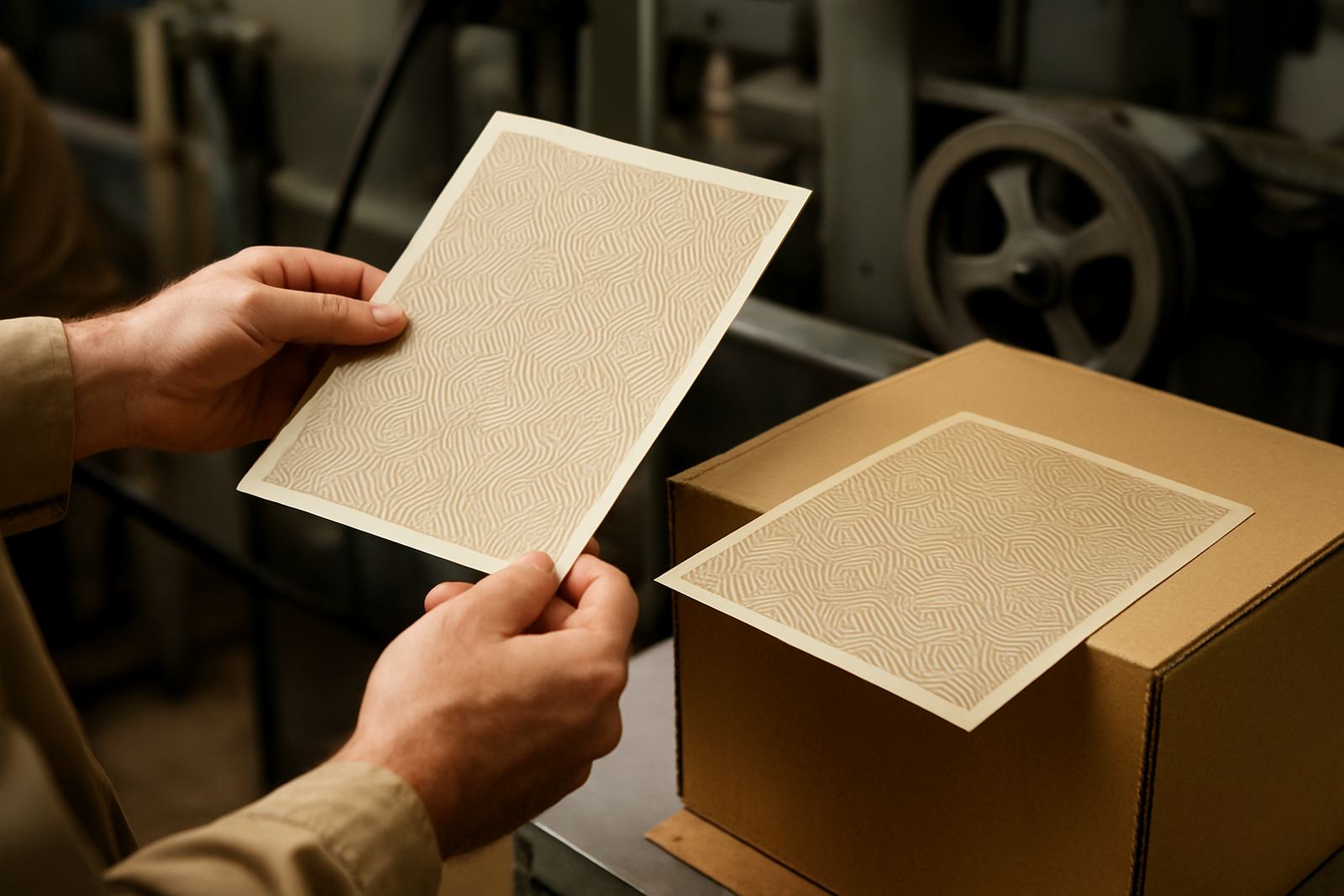
Because it is clear, it can be overprinted over existing graphics or laid down as a final layer on targeted zones. That makes it useful for products that need a clean shelf appearance, especially when the customer wants security without a heavy visual effect.
Where Seal Lacquer Clear suits best
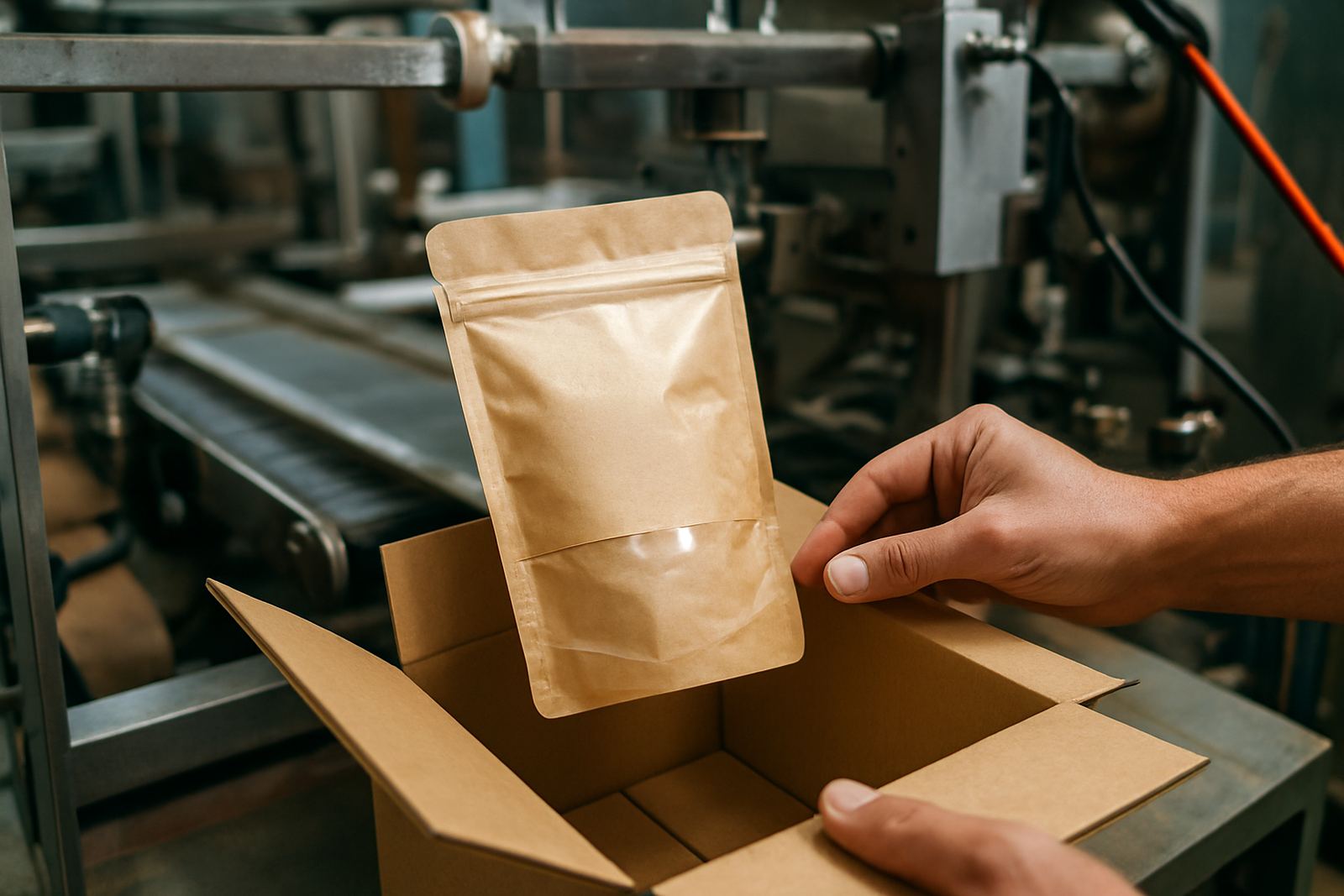
This product is used by packaging converters supplying food, beverage, personal care, household, pharmaceutical and promotional packs. It suits short runs and steady production alike, especially where the pack has to look neat under retail lighting and still show a genuine finish when inspected at receiving or point of sale.
- Cartons for temperature-sensitive goods
- Labels on high-value or regulated items
- Overprint areas on sleeves and wraps
- Promotional packaging that needs a subtle security layer
- Export packs needing a low-visibility protection coat
For municipal or export customers, the clear lacquer can be used as part of a documented packaging control process. It is especially useful where batch traceability matters and the finished pack must remain easy to inspect by hand or under UV verification.
Application on press and line setup needs
Seal Lacquer Clear is applied through standard overprint or coating equipment, depending on the converter’s setup. It can be run in controlled batches on existing packaging lines with basic viscosity checks, clean rollers and a consistent drying arrangement. In many cases the main requirement is good line discipline rather than major equipment changes.
Installation depends on the pack format and the coating station in use. Most converters will need a stable substrate, clean surface condition and a defined cure or dry window before stacking, slitting or further finishing. If the line runs through load-shedding periods, production teams should plan for drying capacity and backup power so the lacquer does not sit too long before handling.
Power needs are normally tied to the drying or curing system, while gas may be needed only where the line uses heated drying tunnels or related equipment. The exact setup depends on the press and substrate. In humid conditions, drying times may need adjustment, and the production team should test first on the final pack format rather than assuming the same settings will work across all boards and films.
Size options, batch control and stock handling
ThermoInk supplies Seal Lacquer Clear in production-friendly options for trial work and ongoing manufacture. This helps converters move from sample approval to repeat ordering without changing the process each time. Batch control is important, particularly for regulated packaging and customer QA files.
- Trial quantities for drawdowns and press setup
- Working batch sizes for regular converter use
- Retain samples for colour and finish comparison
- Custom batch preparation where output volume is fixed
For larger buyers in Johannesburg, Pinetown, Prospecton, Cape Town or Gqeberha, stock planning should be based on monthly pack volumes and the amount of overprint coverage needed per unit. Keep records of batch numbers, application conditions and drying settings. That makes repeat production easier if the same pack has to be run again after a few months.
Care, servicing and performance checks
Seal Lacquer Clear should be stored in clean, sealed containers away from direct heat and moisture. Packaging teams should keep lids closed when not in use and avoid contamination from dust, ink residue or cleaning solvents. A little care goes a long way here because surface contamination can affect adhesion and finish quality.
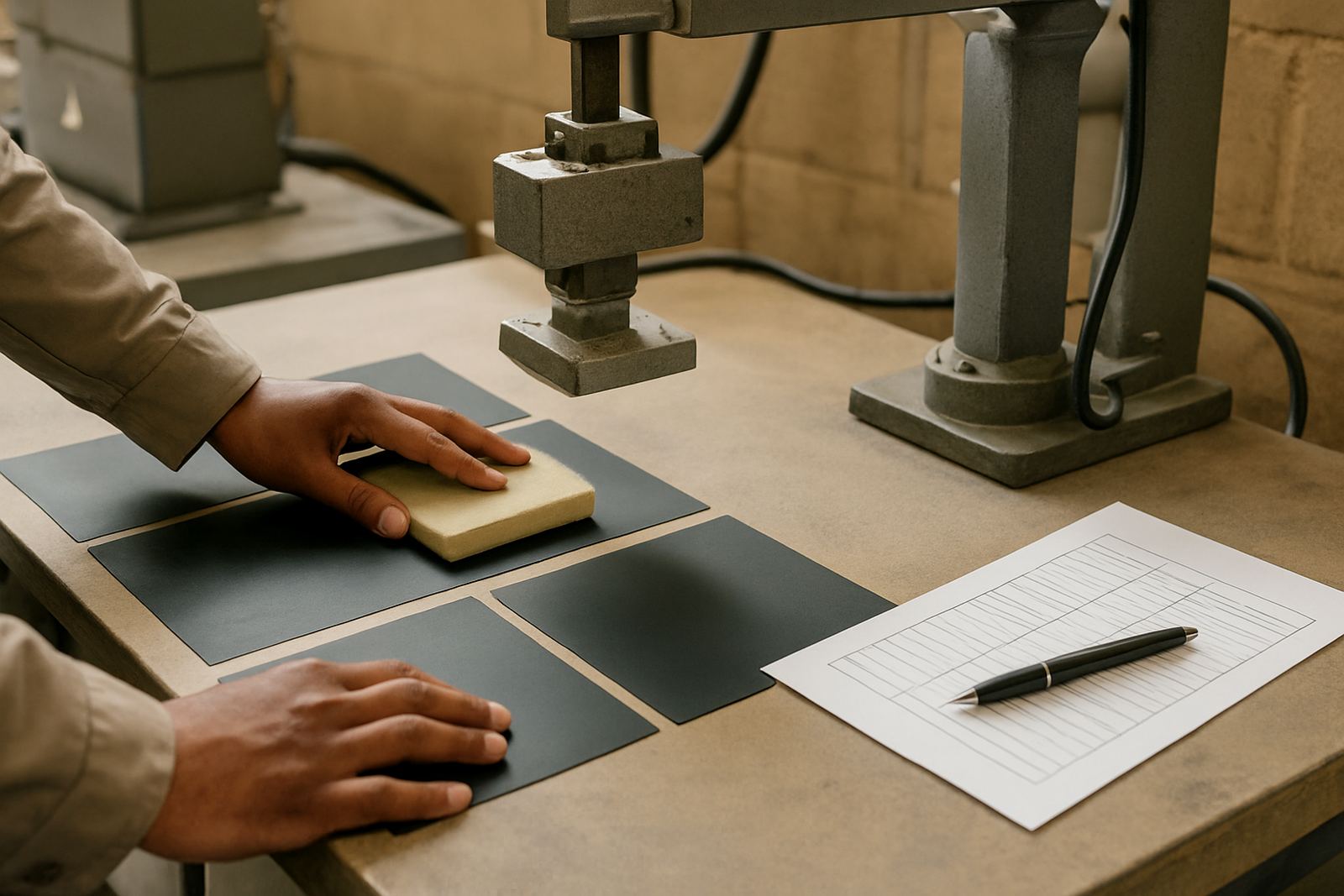
Routine servicing is mostly about process control. Check the coat weight, drying performance and rub resistance at the start of each job, then again after any long stoppage. If the line has been idle over a weekend or through a power cut, run a quick test before full production starts. On coastal sites, extra attention to humidity is worth it, since moisture can change how the coating behaves.
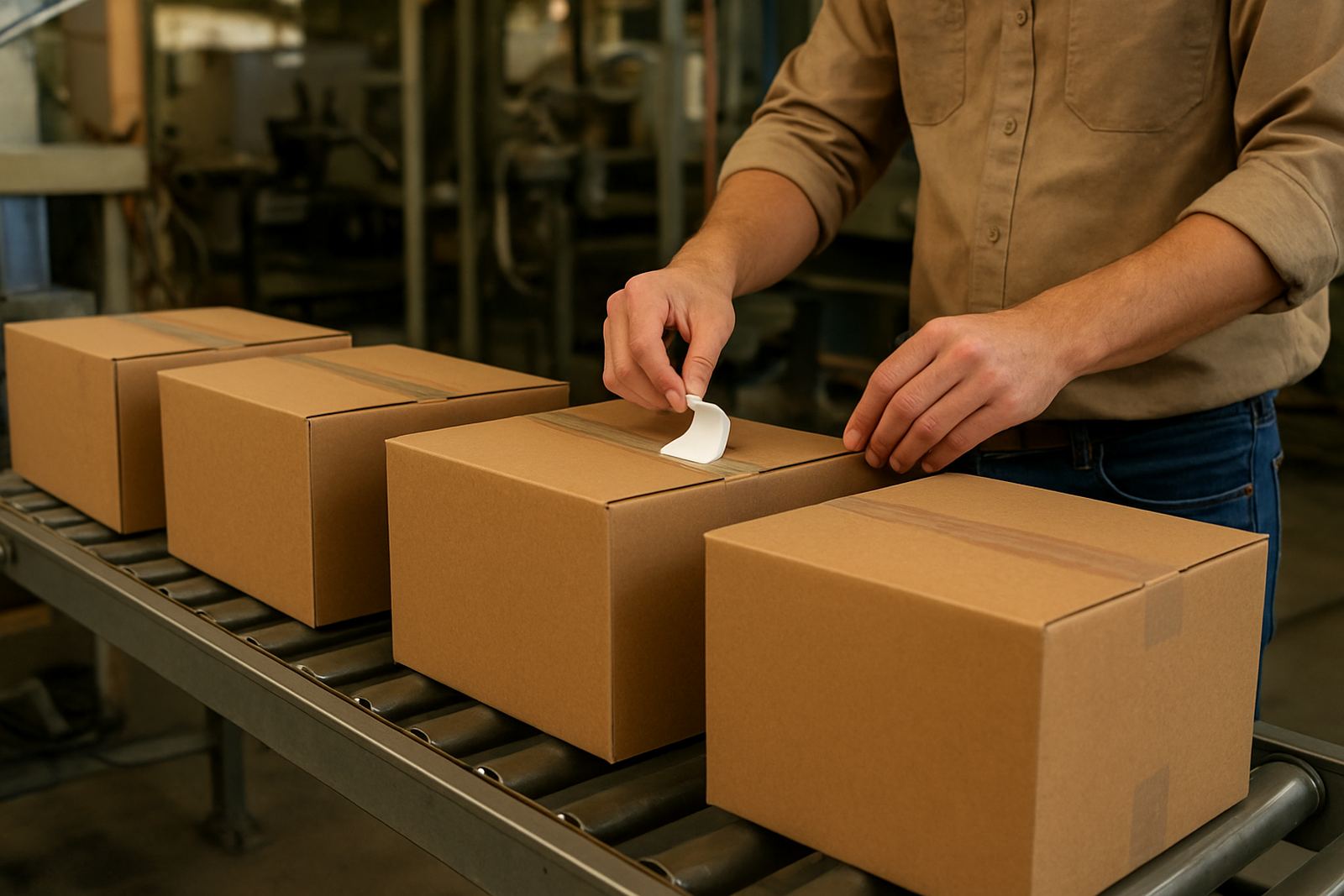
When packs are stored or transported after coating, avoid heavy stacking until the lacquer has fully set. If the finished item will be packed into cartons or shrink-wrapped, verify that the lacquer does not mark under pressure. This is standard practice, but it saves rework and avoids complaints from the packer or customer.
What to confirm before you order
Before ordering Seal Lacquer Clear, check the substrate, the application method and the end use of the pack. The wrong combination can affect adhesion or the visual finish, especially on coated board, films or treated surfaces. It helps to share a sample pack or specification sheet before production starts.
- Pack material and surface treatment
- Required finish, matte or gloss effect if applicable
- Coverage area and expected output volume
- Drying or curing method on the current line
- Any UV verification or security inspection step
- Storage conditions and shelf-life expectations
ThermoInk’s technical team can help with colour matching, adhesion tests, rub resistance checks and trial batch making. For converters in Jacobs, Durban South, Pinetown, Prospecton and beyond, that means a cleaner handover from sample to production and fewer surprises once the job is live.
Key facts
| Product | Seal Lacquer Clear |
|---|---|
| Type | Clear security lacquer for protective overprinting |
| Finish | Transparent, low-visibility protective layer |
| Typical use | Packaging security, handling protection and authenticity cueing |
| Application | Overprint or coating line, subject to substrate and setup |
| Support | Trial batches, press startup support, compatibility testing and troubleshooting |