Heat-Cue Printing For Food Packs That Need A Clear Message
Warm Serve Black is made for packaging that must show a visible change when the pack reaches a set temperature. In its printed state the ink appears black, then shifts to a lighter tone or clears at the chosen activation point, depending on the final system and substrate. This gives the consumer a simple serving cue without adding labels or extra handling steps.
It is commonly used on carton sleeves, film overwraps, paperboard sleeves, and print areas on secondary packaging for ready meals, soups, sauces, tea, coffee, and other beverage formats. The ink can also support brand teams that want a clean black print on pack, with a functional reveal that appears only when heat is applied.
For Durban and other coastal sites, pack selection matters. High humidity, salt air, and warehouse temperature swings can affect drying and adhesion, so the pack structure and print sequence should be tested before full production. We handle those checks from Jacobs and supply converters nationwide.
Where Warm Serve Black Fits Best
This product suits pack formats where the end user needs a practical temperature cue rather than a decorative effect. It is a good fit for busy production lines and retail packs that move through chilled storage, ambient warehousing, and short hot-filling or heat-sealing steps.
- Ready-meal sleeves and cartons
- Microwaveable outer packs
- Hot beverage cartons and sleeves
- Food service packs for takeaway and courier delivery
- Sampling packs where serving advice must be visible at point of use
It can be specified for warning, instruction, or consumer guidance areas on the pack. If the artwork includes other inks, varnishes, or coatings, we check that the warm serve area still switches cleanly after print and after storage. On some jobs a small process change makes all the difference, especially when packs are moving through load-shedding-affected sites where drying windows can shift from shift to shift.
Sizes, Options, And Print Build Choices
Warm Serve Black is supplied as a production ink system for converter use, with size options set to suit trial work, short runs, and ongoing manufacture. Typical supply can be arranged in sample packs, trial batches, and larger production volumes, depending on the line setup and forecast demand.
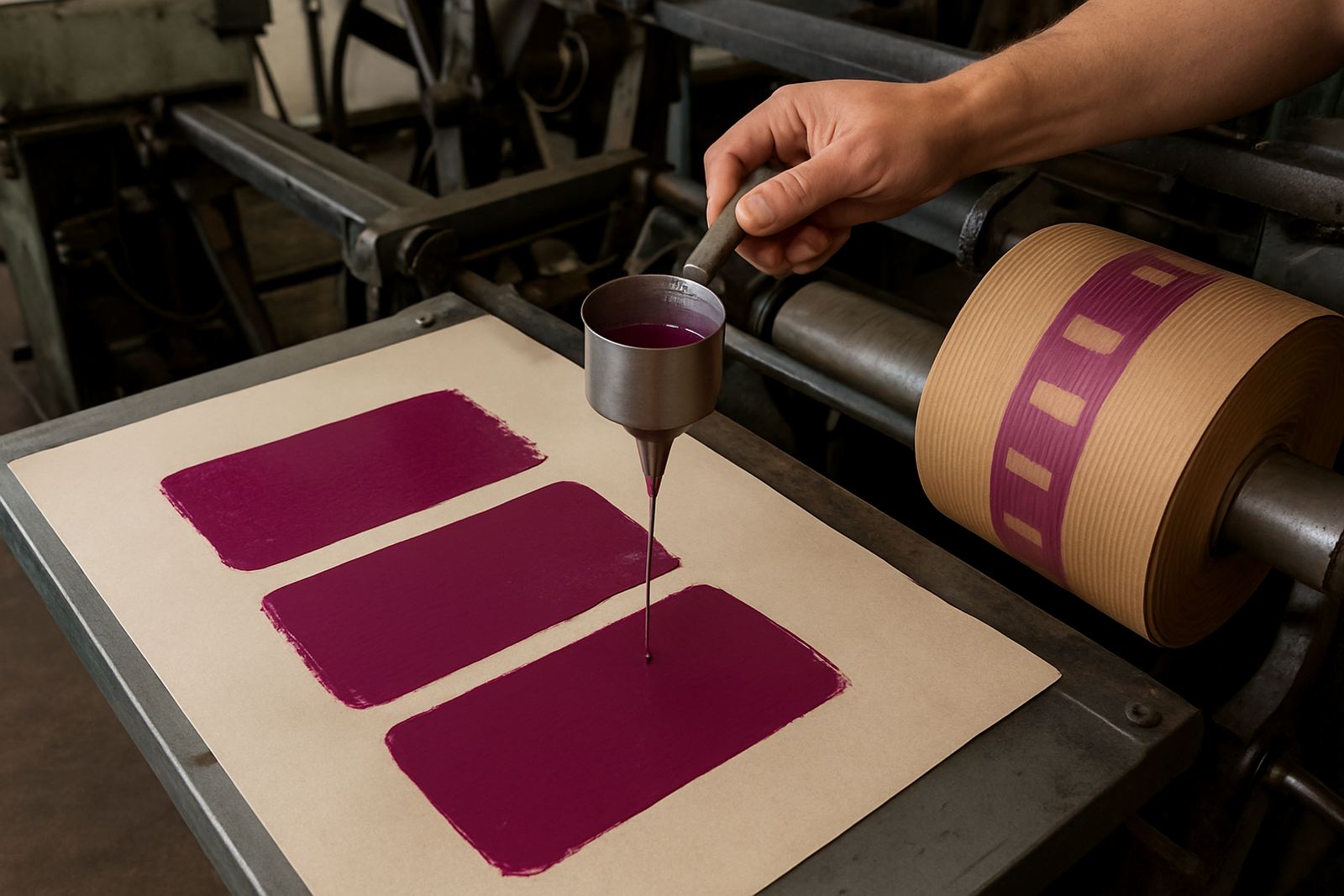
Available options are matched to the substrate and print method. We can assist with colour matching, threshold tuning, drawdown panels, and trial batch making so the activation point and finish are set correctly before press time is booked.
- Trial quantities for lab and line testing
- Production packs for repeat orders
- Target activation points set to the pack use case
- Compatibility checks for paperboard, film, and coated surfaces
- Support for overprint and underprint build-ups
For ordering, it helps to confirm whether the pack is for chilled, ambient, or heated use, and whether the black appearance must remain stable before activation. If the pack carries a food safety message, the wording and the visual switch should be checked together, not as separate steps.
Installation, Line Conditions, And Utility Needs
Warm Serve Black is printed through standard packaging conversion equipment, so there is no special plant build required. The main requirements are correct viscosity, suitable drying or curing conditions for the chosen substrate, and enough line control to hold registration on the active area. On press, we recommend a planned startup window so the first sheets or metres can be checked before full output starts.
Power needs depend on the print line, drying method, and any curing or sealing step used after print. Where gas-fired drying or heat tunnels are part of the process, the converter should confirm stable heat output and ventilation. In coastal plants, moisture can slow drying, so local conditions should be allowed for when setting press speed. If a site experiences intermittent supply interruptions, batch timing should be planned so partially processed stock is not left in uncertain conditions.
- Confirm print method and substrate before ordering
- Check line speed against the chosen activation and drying window
- Allow space for test sheets and first-off inspection
- Keep temperature and humidity records for repeat jobs
If the pack runs on a tight production window, we can support press startup and production troubleshooting so the converter can get back to stable output quickly.
Care, Storage, And Servicing Between Runs
Thermochromic inks need correct storage and handling to keep the temperature response consistent. Warm Serve Black should be kept sealed when not in use, stored away from direct heat and sunlight, and moved through the store on a first-in, first-out basis. On long-running sites, the batch retain library is useful for repeat verification and for comparing old and new production runs.
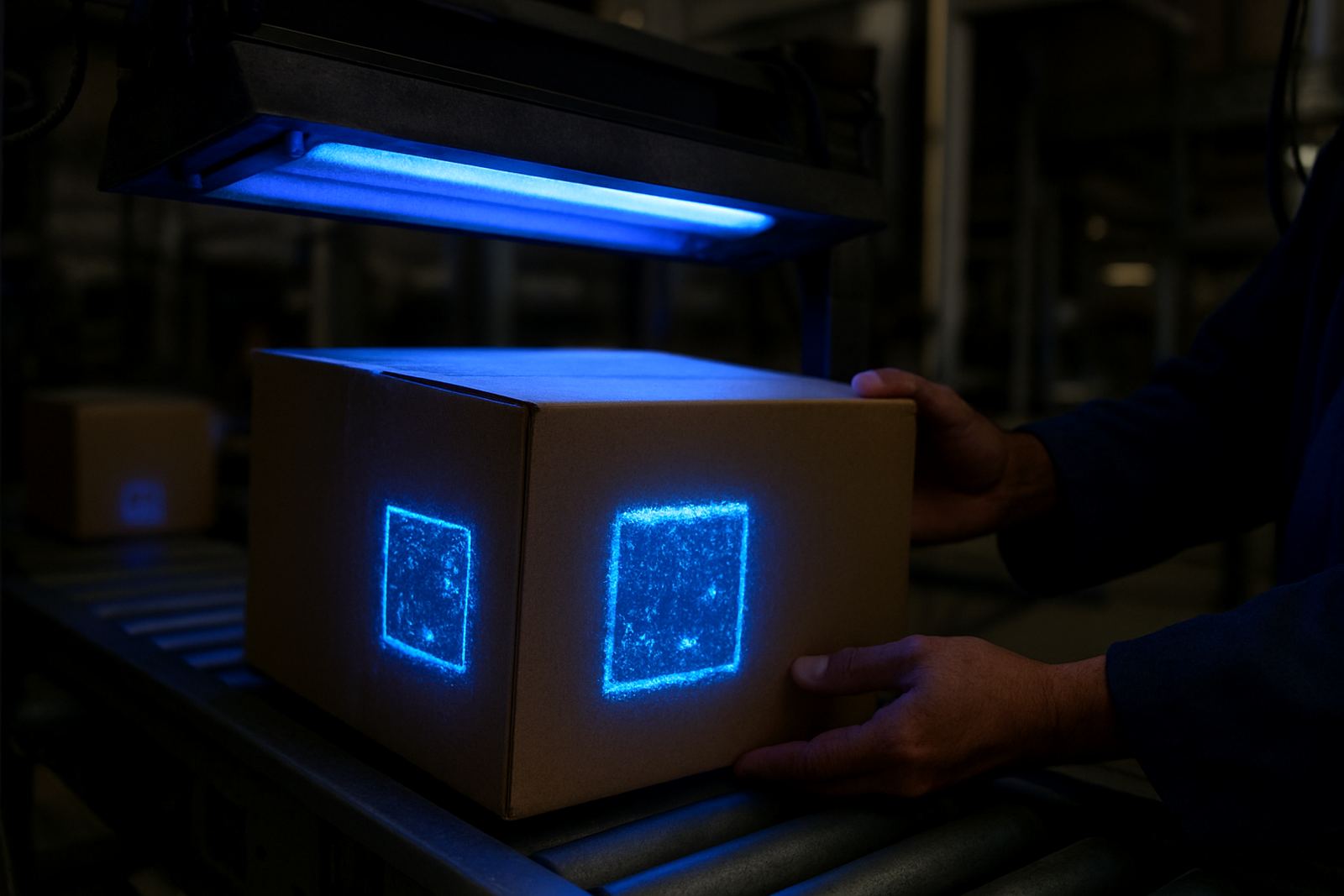
If a line starts showing uneven switching, patchy laydown, or weak contrast, the cause is often one of three things: substrate variation, coating mismatch, or line temperature drift. Our team can run adhesion tests, rub resistance checks, UV verification setups, and coating compatibility checks to get the pack back on spec.
- Store sealed containers in a cool dry area
- Avoid leaving open ink near warm equipment
- Keep retain samples from each approved batch
- Check print against the approved drawdown panel before each run
Good maintenance is simple on this product: clean the print path correctly, keep the ink mixed to spec, and do not change substrate lot without a quick recheck. Small changes in board finish or film treatment can alter performance, so a fresh check saves scrap later.
What To Check Before You Place An Order
Before ordering Warm Serve Black, confirm the final pack type, the activation temperature you want, and whether the black effect must recover after cooling or remain changed. Also confirm if the area is purely instructional or if it must carry security features as well. For some packs, a single print zone is enough. For others, the temperature cue and the anti-tamper element are combined in the same artwork plan.
It is also worth checking your packing route. If the product travels from Durban to Gauteng, or from Cape Town to Eastern Cape distribution centres, transit temperatures can vary and should be considered in the specification. Supply chains that pass through hot depots or uncooled vehicles may need tighter threshold tuning than local deliveries.
- Substrate type and coating finish
- Target activation temperature in degrees Celsius
- Print method and drying or curing route
- Pack size, run length, and expected annual volume
- Any need for security pattern design or verification marks
Once those points are confirmed, we can prepare a suitable trial batch and support the press team through first production. Our Durban base in Jacobs and supply routes to Pinetown, Prospecton, Johannesburg, Pretoria, Cape Town, Gqeberha, and nationwide converters help keep lead times practical for regular production work.
Key facts
| Product type | Thermochromic black ink for packaging |
|---|---|
| Activation use | Serving-temperature guidance for food and drink packs |
| Typical substrates | Paperboard, coated carton, film overwrap, sleeves |
| Supply options | Trial batches, production packs, repeat-order volumes |
| Support services | Threshold tuning, drawdown panels, press startup support |
| Base and delivery | Jacobs, Durban with nationwide delivery to converters |