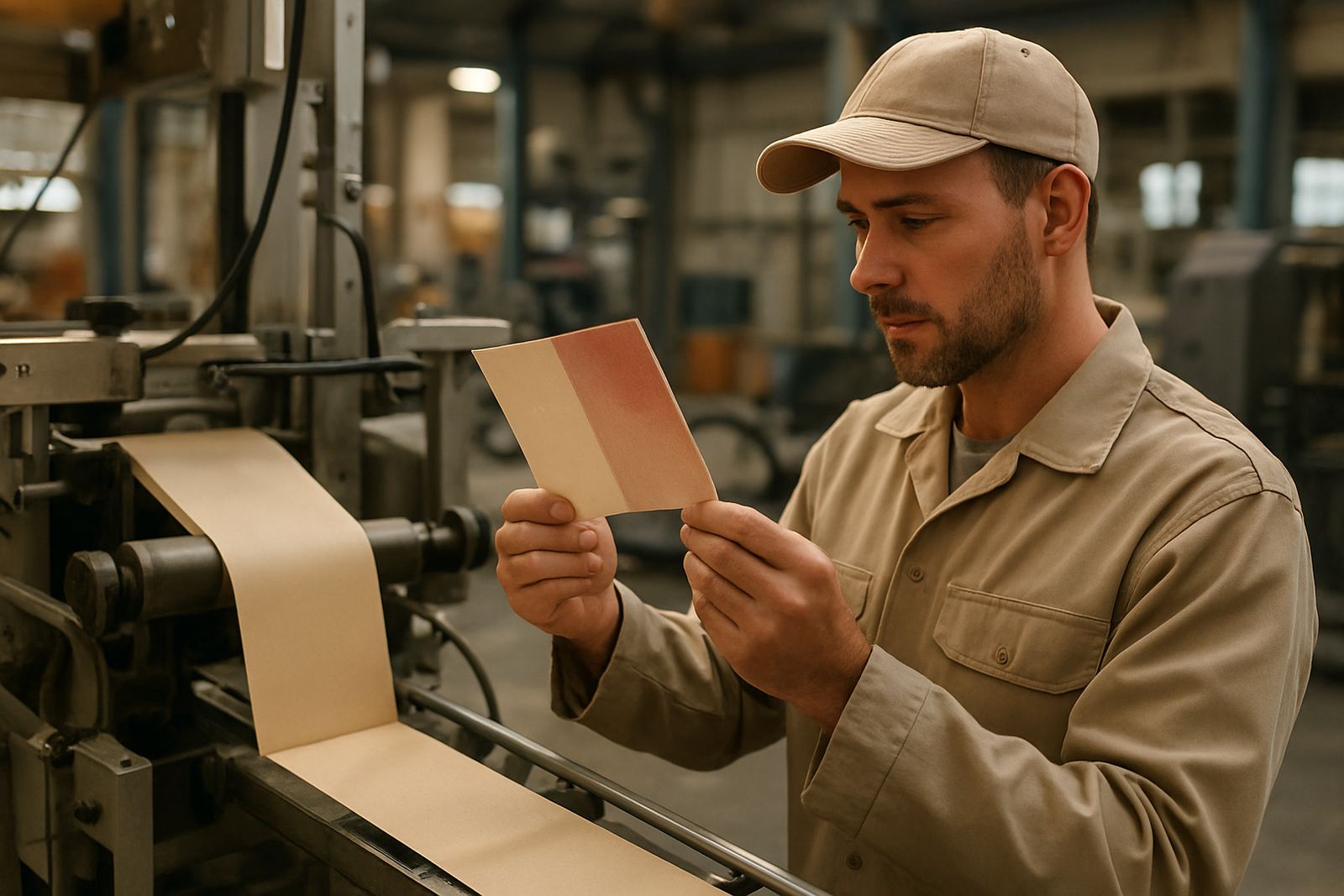
Start with the substrate and coating fit
Before any trial run, check that the board, film, label stock or coated surface matches the ink system you want to use. Some substrates take ink well straight away, while others need a primer, adjusted drying conditions, or a different application method. In humid areas like Durban and coastal KZN, moisture in the material can change laydown and activation response, so store stock off the floor and away from open doors where possible.
When a customer sends us a sample, we look at the print surface, whether it is absorbent or sealed, and how it will be handled during packing. A finish that works on one carton can fail on another if the coating chemistry changes, even slightly. That is why we often begin with a compatibility check before moving to a larger batch.
- Confirm the substrate type and weight
- Check if the surface has varnish, lacquer, foil or laminate
- Note any moisture, curl or dust on the sheets
- Test a small area before committing to full production
Set the activation point before press production
Thermochromic inks need the right activation threshold for the intended use. If the trigger is too low, the colour may change too early in storage or transport. If it is too high, the message will not show when the consumer expects it to. We help set the threshold tuning so the print performs as intended in cold chain, ambient and shelf display conditions.
For packaging going into inland routes, the same pack may sit in hot trucks, shaded stores, or refrigerated bays. That range matters. A good technical check should reflect the actual journey, not just the print room. We often recommend a simple trial with temperature readings taken at loading, on arrival and after standing time. This gives a practical picture of how the ink behaves in real use.
- Define the target activation temperature in degrees Celsius
- Record the ambient conditions during the trial
- Test the pack after transport and after storage
- Keep the samples for comparison against future runs
Use drawdowns and trial batches before full release
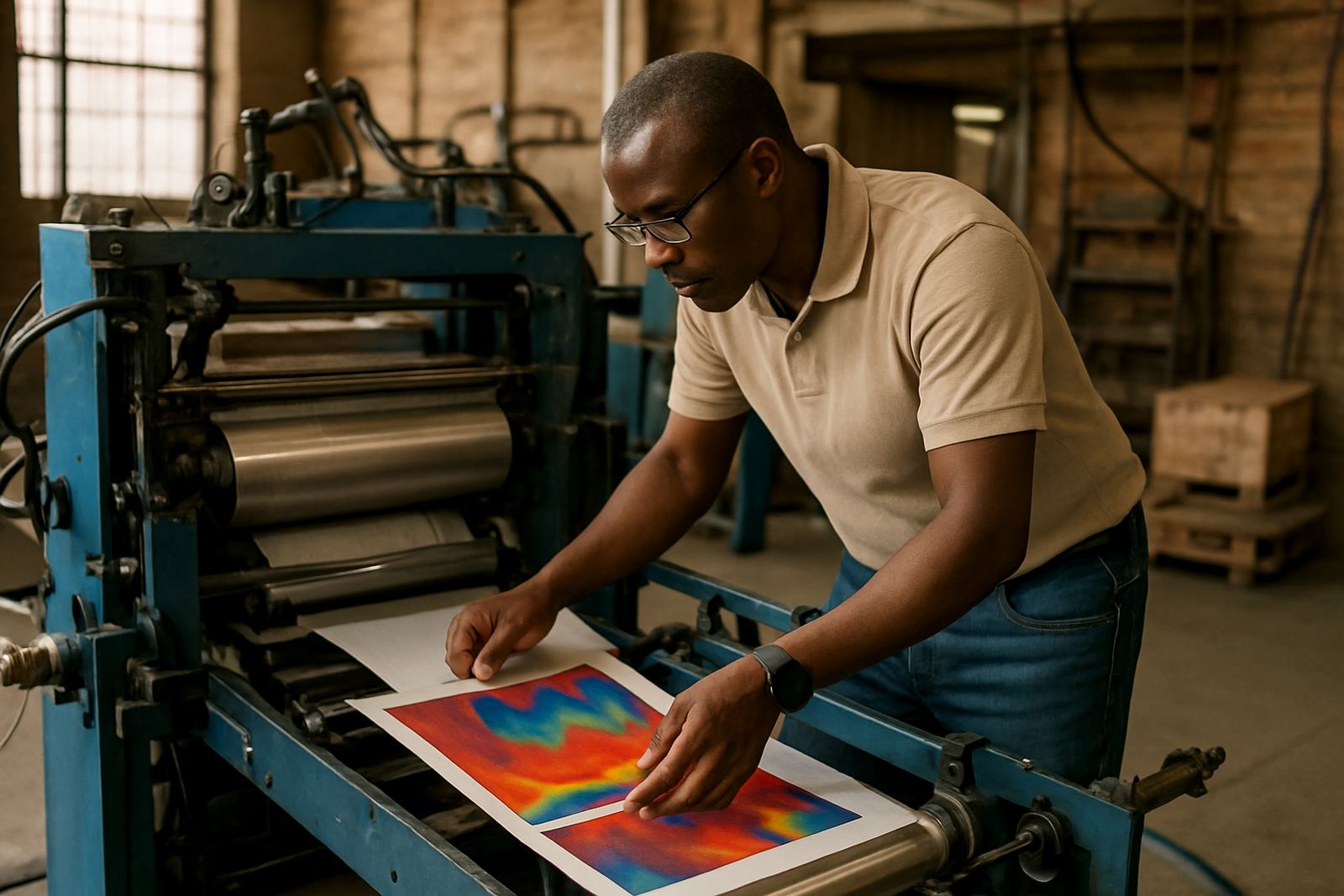
Drawdown panels and trial batch making are the fastest way to catch issues early. A panel shows colour, coverage and change point without the pressure of a full press run. Once the panel is approved, a short production trial confirms behaviour on the actual machine, with the real anilox, cylinders or coating set-up.
We support converters in Jacobs, Pinetown, Prospecton and beyond by checking how the ink behaves at line speed, under local drying conditions and with the chosen substrate. If a batch needs adjustment, we can fine tune the formula before the order moves to full scale. That saves time and reduces waste, which matters when materials are tight and freight costs keep moving.
- Approve colour and change response from the panel
- Run the same settings on a short machine trial
- Check drying, blocking and set-off after packing
- Record all settings for repeat orders
Troubleshoot print faults on the press
If the print is patchy, dull, blistering or rubbing off, look at the press conditions first. Many faults come from under curing, dirty rollers, poor surface tension or the wrong speed for the ink laydown. In some cases the issue is not the ink at all but the substrate finish or an earlier coating layer.
Our production troubleshooting service is built around practical checks that can be done on site. We will ask what changed, when the fault started, and whether the problem appears on every run or only on one reel or pallet. That helps narrow it down fast, especially when load-shedding, heat, or a delayed restart has changed the line conditions.
- Inspect the first sheets or metres from the run
- Check drying and cure before stacking
- Look for dust, grease or moisture on the surface
- Compare the faulty batch with a retained sample
Verify security features without slowing production
Security ink work needs careful handling because the print must be hard to copy and easy to verify. We design security patterns that can include hidden elements, visible checks, or colour changes that are simple to confirm during packing or at receiving. For packaging converters, this is often used on cartons, labels, seals and inserts where authenticity matters.
We also set up UV verification where needed, so teams can check the feature quickly without pulling the line for long. The aim is to keep the process practical. If the check takes too long, it will not be used every time and that defeats the point.
- Match the security pattern to the print method
- Confirm the right inspection light or viewing method
- Train staff on what a correct mark should look like
- Keep reference samples in the batch retain library
How to log a support request and what to include
When you send a support request through our contact page, include as much production detail as you can. The more accurate the first note, the faster we can guide you. We work with converters nationwide, with deliveries from Durban to Cape Town, Gqeberha, Johannesburg and Pretoria, so clear information helps the team decide whether the fix is a quick setting change or a sample review in the lab.
Please include the substrate type, the issue observed, the date of the run and any recent change in material, temperature or machine settings. If possible, send photos of the print under normal light and under UV where relevant. One clear sample can save a lot of back and forth, and it often points straight to the cause.
- Product name or job reference
- Substrate and coating details
- Machine type and line speed
- What changed just before the issue began