What our coating compatibility check covers
We assess how your chosen coating system works with thermochromic and security inks on real packaging substrates used in South African production. The aim is simple: make sure the print will hold up through coating, cutting, filling, transit and shelf life without the ink layer giving trouble.
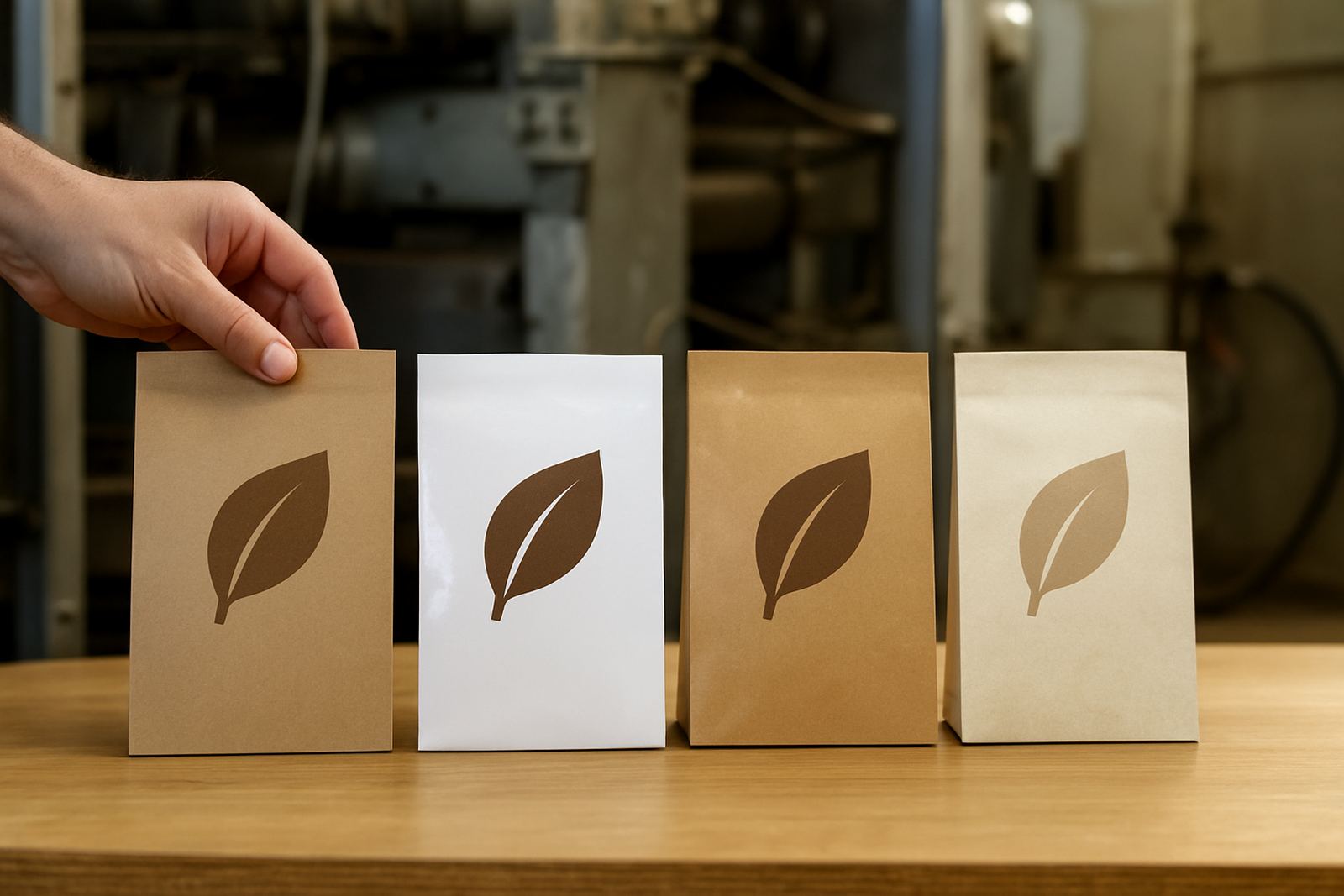
In Jacobs, Durban, we regularly test for coastal humidity effects, temperature swings in storage, and how the coating behaves on folded cartons, labels, sleeves and flexible packs. If the pack is headed for cold-chain goods, ambient warehousing or export handling, we factor that into the test plan too.
- Overprint varnish and laminate compatibility checks
- Substrate review for paperboard, film and coated stock
- Adhesion, rub resistance and cure response assessment
- Visual check for colour activation, dulling or whitening
- Basic security feature visibility under UV and handling wear
How we run the trial before full production
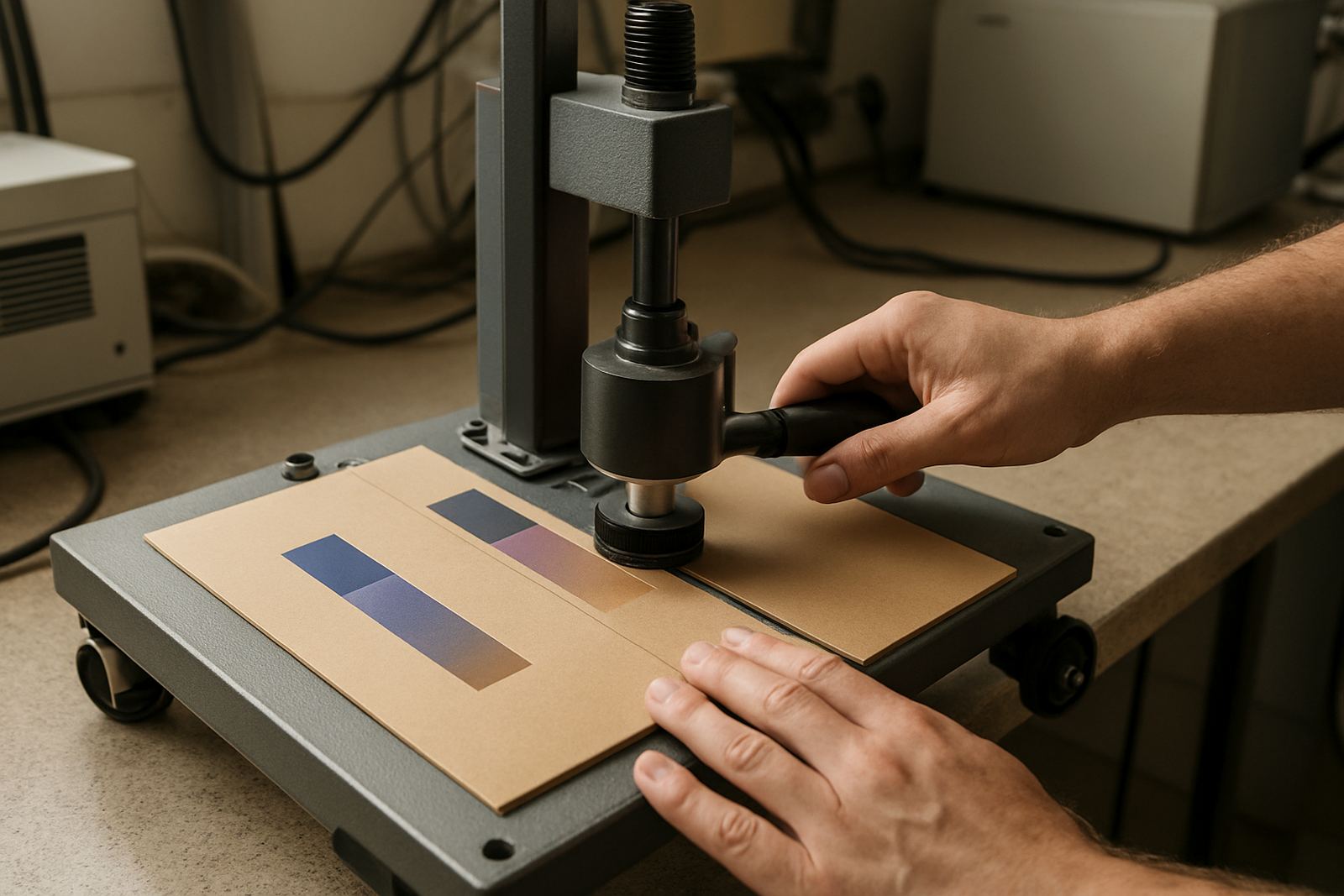
We start with the pack spec, the ink system and the coating you plan to use. Then we prepare drawdown panels or trial sheets and, where needed, set up a small batch to mirror actual press conditions. This lets us see the real interaction between ink, coating, substrate and drying method.
Our team then checks whether the coating changes the trigger temperature on thermochromic areas, whether it softens the print surface, and whether any security effect becomes harder to read after lamination. If the job uses a matt or gloss finish, or a heat-seal layer, we test that too because those details can affect performance more than people expect.
- Briefing on pack construction and end use
- Sample receipt and substrate identification
- Compatibility trial with selected coating system
- Drying, curing and handling checks
- Report with practical recommendations for the pressroom
Tests we use to confirm print performance
Our compatibility work is practical and press-focused. We are not only checking whether the ink looks good on day one, but whether it keeps its job after the pack has been coated, stacked, transported and opened at the customer side. For converters in Durban, Pinetown and Prospecton, that often means testing under higher humidity and longer dockside storage times.
Where required, we also compare results against the same ink on uncoated stock so you can see what the coating changed. That is useful when you are deciding between a water-based varnish, a film laminate or a revised coating weight.
- Adhesion tests for lift, flaking and edge pull
- Rub resistance checks for scuffing and set-off
- UV verification setups for security marks and hidden features
- Drawdown panels for side-by-side comparison
- Coating compatibility notes for press settings and drying windows
Turnaround times and what affects them
Most compatibility assessments are completed within 3 to 5 working days after we receive the specification and samples. If the pack has multiple coatings, several substrates or a tight release date, we will give you a realistic schedule before work starts.
In some cases we can turn a basic screening job around faster, especially if the coating choice is already known and we are only confirming final behaviour on the selected stock. More involved testing, such as security ink plus laminate plus heat-sensitive performance, takes longer because we check each layer in sequence.
For national converters, Jason handles coordination so samples move quickly between Jacobs and the right production contact, whether you are in Cape Town, Gqeberha, Johannesburg or Pretoria. Couriers and lead times are planned around production cut-off times, so the sample does not sit idle over a weekend or public holiday.
Pricing approach for compatibility testing
We quote on the scope of work, not a one-size-fits-all rate. A straightforward single-coating check on one substrate costs less than a multi-layer evaluation with security features, several drawdowns and repeat testing after press adjustments. This keeps the pricing fair for small runs and larger national projects alike.
Factors that influence the price include the number of samples, the coating type, the level of technical reporting needed, and whether production support is required during startup. If you only need a yes or no on a specific varnish, the job stays simple. If you need a complete print compatibility pack for procurement or QA sign-off, we build that into the quote.
- Single sample screening for one coating and one substrate
- Multi-sample testing for different finishes or film types
- Technical summary for QA, procurement or customer approval
- On-site or remote press support where needed
When to recheck compatibility and keep the line stable
Compatibility should be reviewed whenever you change the coating, switch substrate grade, adjust drying conditions or move a job to another site. Even a small change in moisture content or coating laydown can affect thermochromic response and security print clarity. That is especially relevant in coastal areas and during winter when conditions shift through the day.
We usually recommend a fresh check every time a pack changes in structure, and at least before any long production run after storage changes or supplier substitutions. If the pack is critical, such as chilled food, pharma secondary packaging or high-value retail goods, a repeat check is wise after any maintenance stop or ink batch change.
- After changing varnish or laminate supplier
- After altering drying or curing settings
- After a substrate or board grade change
- Before seasonal production increases
- After press repairs, downtime or repeated wash-ups
Support from Jacobs to the national converter network
ThermoInk works from Jacobs, Durban and supplies packaging converters across South Africa. That means your coating compatibility check is backed by people who understand actual production pressure, municipal supply interruptions, coastal moisture and the need to keep jobs moving when timing is tight.
Our team includes Sibusiso Mthembu, Shaun October, Lindokuhle Dlamini, Pieter van Wyk, Nomfundo Khumalo and Jason Pillay. Each one handles a different part of the process, from technical sales and colour control to security ink design, batch retention and logistics. If your line needs a practical answer before the first full run, we are set up for that.
Use the enquiry form on our contact page to send your pack details, substrate information and preferred coating system. We will come back with the next step, sample requirements and a clear view of what the test will tell you.
Key facts
| Service area | Jacobs, Durban base with deliveries nationwide |
|---|---|
| Typical turnaround | 3 to 5 working days after sample receipt |
| Test formats | Drawdown panels, trial batch samples, press-matched checks |
| Compatibility focus | Overprint varnish, laminate and specialised ink interaction |
| Key checks | Adhesion, rub resistance, UV verification, colour response |
| Maintenance interval | Recheck after any coating, substrate or drying change |