Activation ranges set for the pack, not the lab
Threshold tuning is the adjustment of the temperature point where the ink changes colour. For packaging, that point has to match the real product journey, from filling and carton sealing through storage, transport and shelf display. A frozen item may need a lower trigger point than a chilled dairy pack, while a warm-pack application may need the colour shift to hold off until the pack is handled or opened.
We work with your substrate, coating and press setup so the activation range suits the job instead of a general sample sheet. That includes flexible packs, folded cartons, labels and secondary packaging. In Durban humidity and coastal conditions, we also check how the ink behaves after curing and during storage, because a threshold that looks fine in a controlled room can drift when the pack sits in a warm warehouse or near a loading bay.
- Chilled pack ranges for cold-chain visibility
- Frozen pack ranges for low-temperature triggers
- Warm-pack ranges for handling or process cues
- Settings matched to press speed and drying conditions
What is included in a threshold tuning job
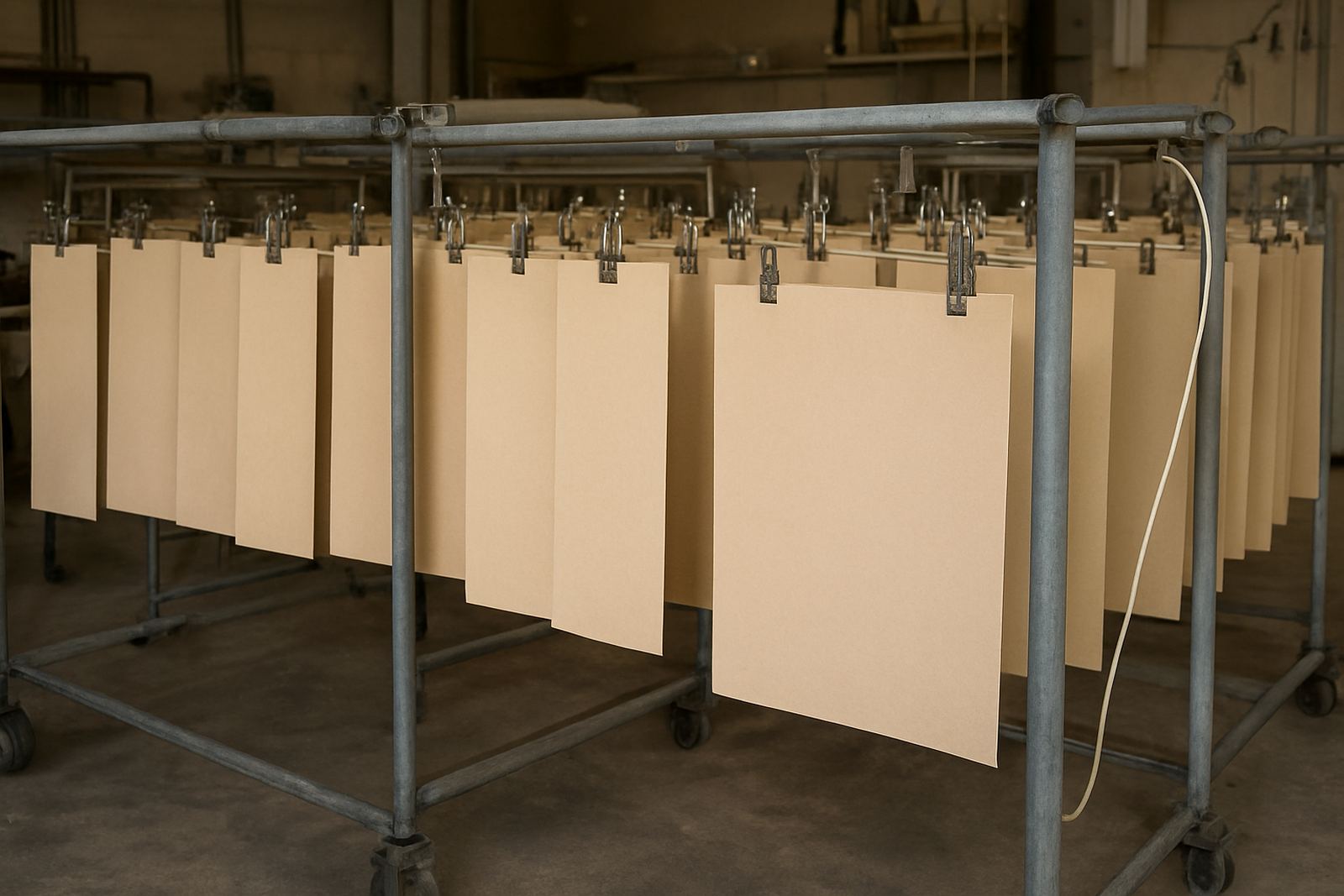
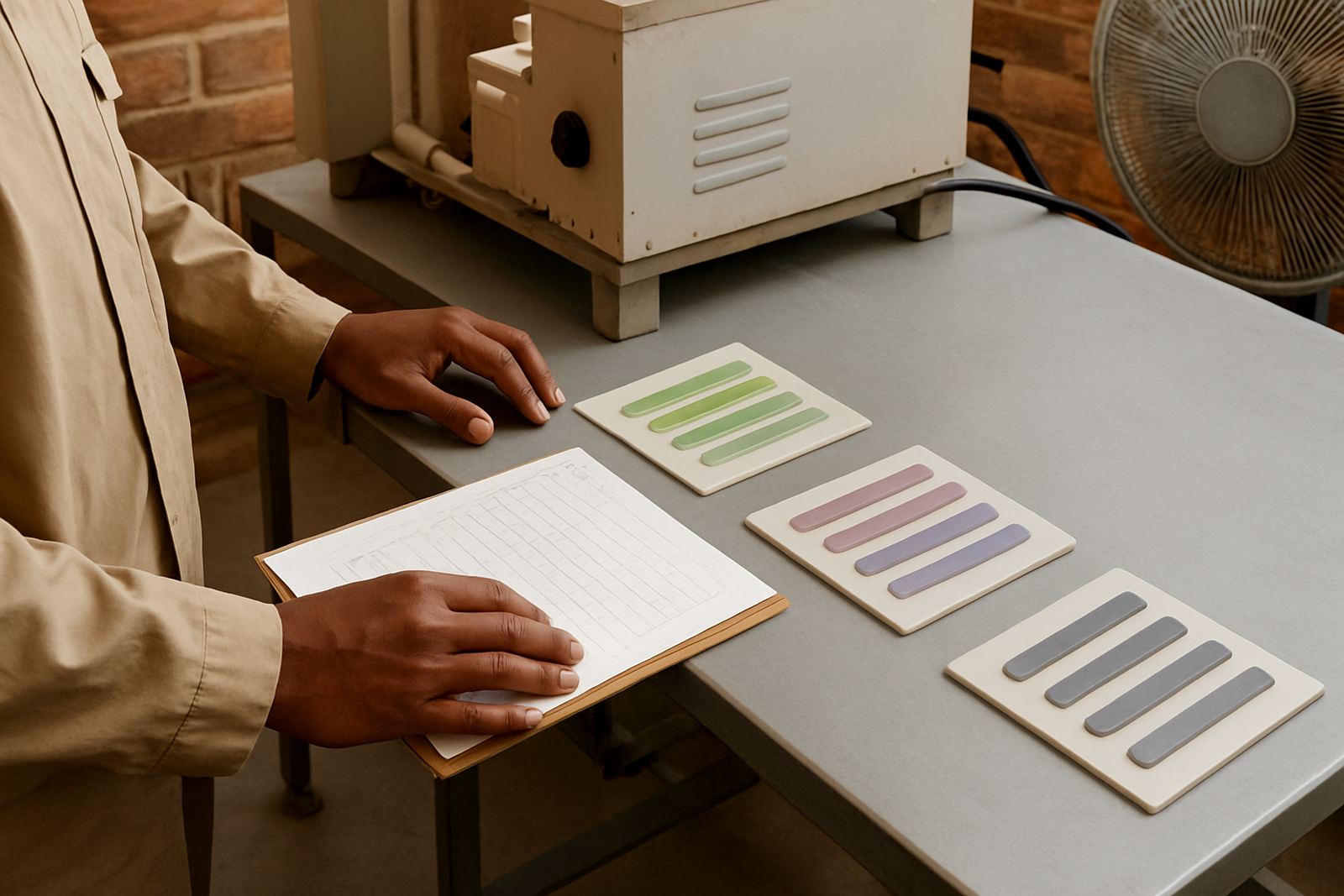
Each job starts with the intended use, the target temperature band and the packaging format. We then assess how the ink needs to perform on the line and in the supply chain. If needed, we can produce drawdown panels, trial batches and press startup support so your team can confirm the colour response before production runs in volume.
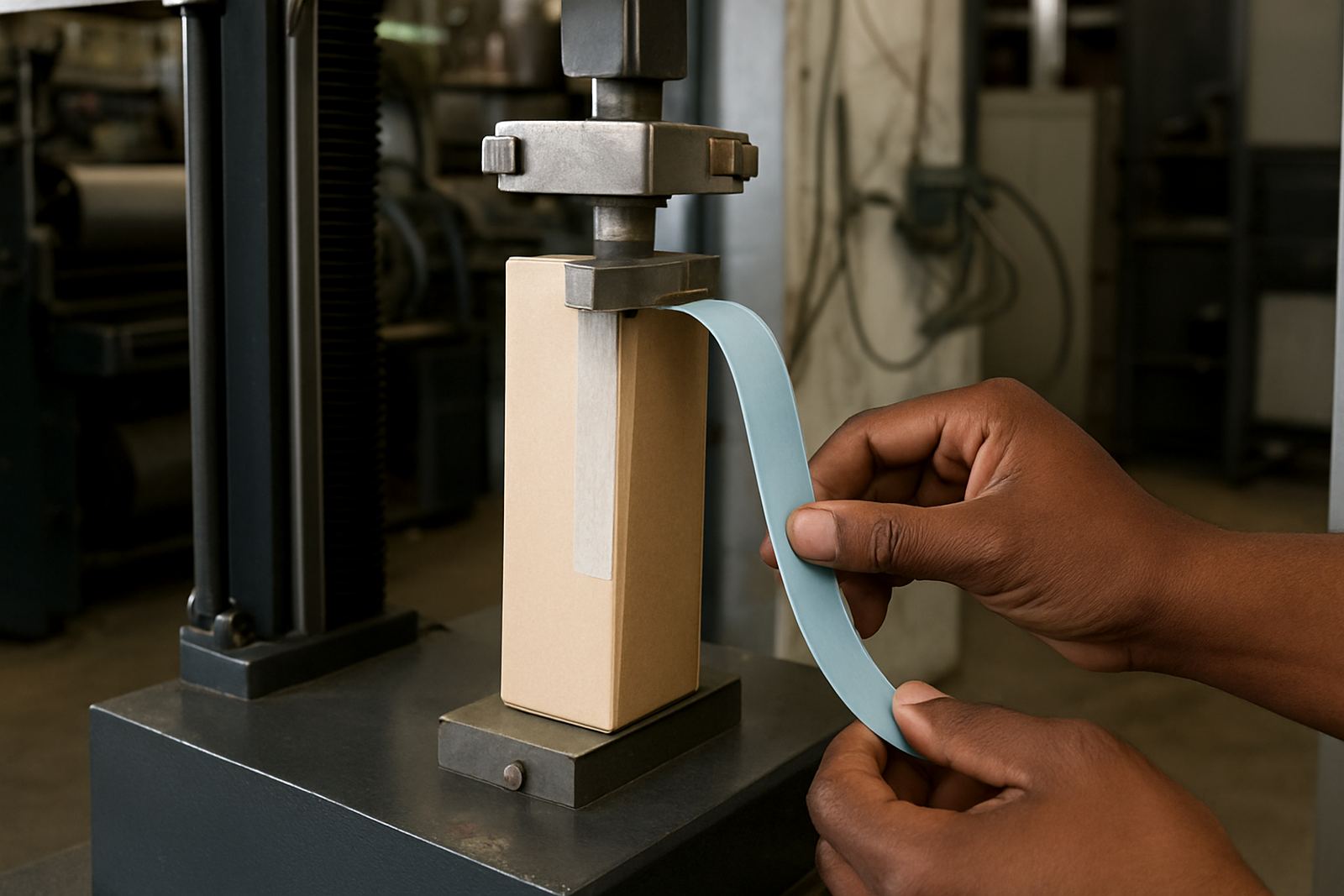
Our tuning work can be combined with adhesion tests, rub resistance checks and coating compatibility checks. Where security features are also needed, we align the activation point with the print structure so the thermochromic element does not interfere with the security pattern or vice versa. For converters sending work to Johannesburg, Cape Town, Pinetown, Prospecton or Gqeberha, we keep the specification tight so the same result can be repeated at another plant or later batch.
- Application review and target temperature range
- Drawdown panels and trial batch making
- Press startup support for line verification
- Retain sample reference for future repeats
- Optional UV verification setup where required
How we tune the threshold on your job
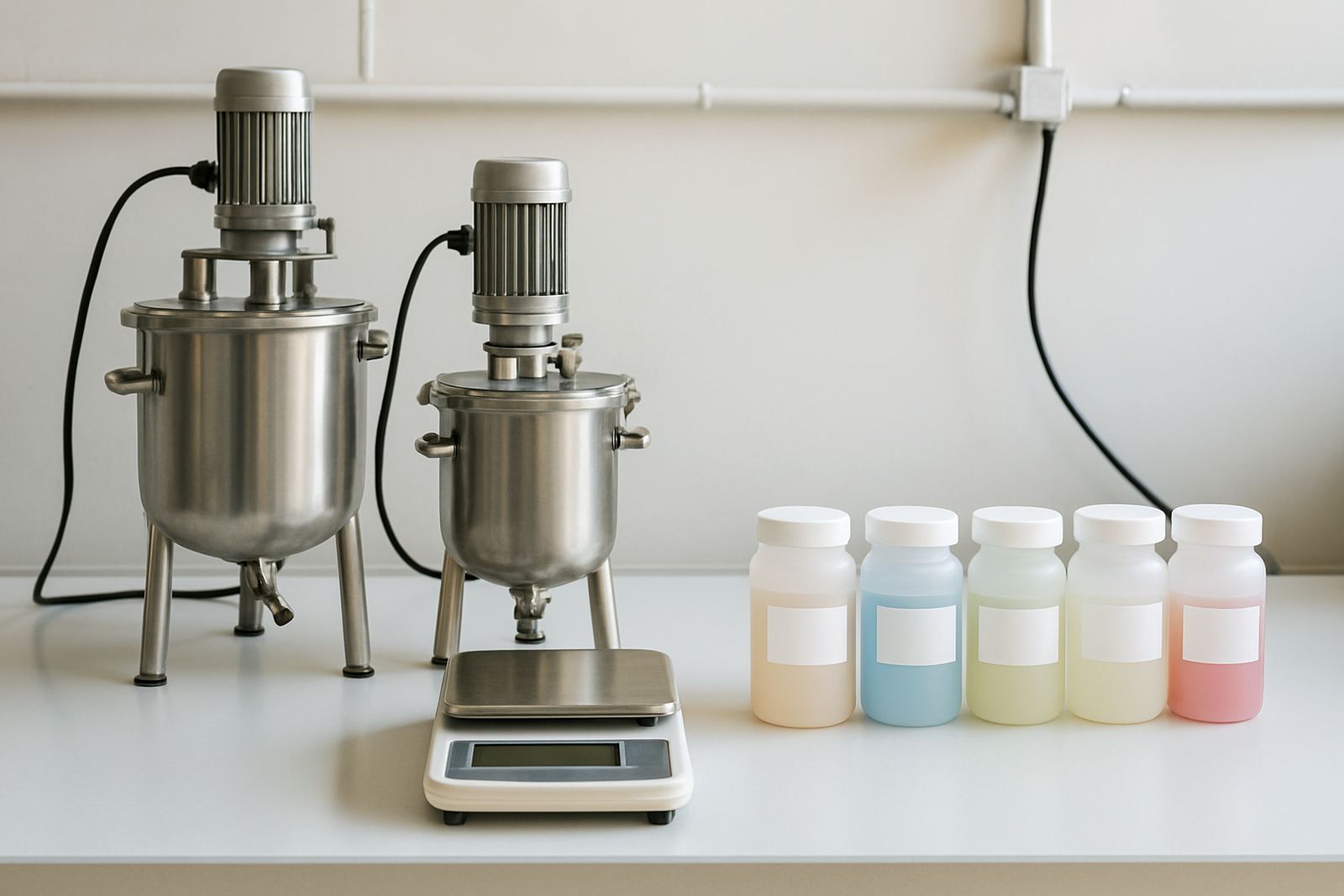
We start by confirming the exact activation requirement in degrees Celsius, then we test the ink against the substrate and finishing method. The tuning process may involve adjusting pigment loading, binder balance and print thickness so the colour change happens at the right point and stays consistent across the sheet or roll. If your pack has a lamination, varnish or topcoat, we check the effect of that layer too.
The process is practical and measured. We look at sample response under chilled conditions, room temperature and, where needed, a warm condition close to actual use. Then we refine until the trigger point is stable. If the pack is for a freezer or cold store, we watch for false activation caused by handling or brief temperature rises during loading, which can cause problems at retailers and depots.
- Confirm target activation range in Celsius
- Test on final substrate and coating system
- Refine ink structure and print film thickness
- Check response after drying, curing and storage
- Record the final setting for repeat production
Typical turnaround for samples and production support
Turnaround depends on how far the job needs to move from the starting point. A simple adjustment to an existing specification can often be turned around quickly, while a new pack format or a tighter threshold may need more testing. For Durban and surrounding supply routes, we can usually move faster on couriered samples and local handovers, while nationwide orders are scheduled around batch size and line availability.
For converters working to a launch date, we recommend allowing time for one sample round, one revision round and a final approval check. That gives enough room to confirm the colour change, confirm rub resistance and avoid rework on press. If a customer changes the packaging board, film or print finish mid-project, the threshold may need to be reset. That is often where delays happen, so early sign-off saves a lot of time.
- Quick review for existing specifications
- Extra time needed for new substrates or laminations
- Best practice is two sample rounds before sign-off
- Courier support for local and national delivery
Pricing that reflects testing, not guesswork
Threshold tuning is priced according to the amount of development work involved. A straightforward adjustment on a familiar substrate will cost less than a new activation range with multiple test stages. We quote based on the sample count, the testing required and whether press-side support is needed. That way you pay for the work done, not a one-size-fits-all rate.
For larger converters, the price can also reflect repeat volume and whether the same threshold needs to be held across several pack sizes or print sites. If the job includes security ink features, compatibility checks or batch retain storage, those items are priced separately so each part of the specification stays clear. We prefer to keep pricing clean and practical, with no surprises once the job is underway.
- Quoted per job, not as a generic flat rate
- Based on test scope and number of revisions
- Separate pricing for security or retain services
- Volume orders can be structured for repeat supply
Maintenance and recheck intervals for ongoing supply
Once a threshold is approved, it should still be checked at sensible intervals. Changes in raw material lots, press conditions, coating thickness or storage can move the activation point over time. We recommend a recheck whenever there is a substrate change, a new coating, a different press, or if the pack starts failing during cold-chain handling. For busy plants in South Africa, that usually means a review every 6 to 12 months, or sooner if a process shifts.
We keep retain samples so your approved setting can be compared against a later batch. That makes it easier to spot drift before it reaches the market. If your packs are exposed to load-shedding related stoppages, temperature swings in the plant can also affect consistency, so we advise a quick verification after any extended shutdown. It is a small step that helps prevent waste and complaints.
- Recheck after substrate, coating or press changes
- Review every 6 to 12 months for steady production
- Use retain samples to confirm the approved threshold
- Reverify after plant stoppages or storage changes
Key facts
| Activation range | Custom set to chilled, frozen or warm-pack requirements |
|---|---|
| Typical tolerance | Defined per job and substrate, usually within a narrow working band |
| Sample formats | Drawdown panels, trial batches and press-ready test sets |
| Substrates | Folding carton, label stock, film and coated pack materials |
| Support options | Adhesion tests, rub checks, UV verification and startup support |
| Supply area | Jacobs Durban base with deliveries nationwide |